Everyone envies skin that is clean and clear. People also spend a lot of effort and time trying to achieve that look.
If there are breakouts or many blemishes, it can have a strong negative effect on appearance, so it is only natural for anyone to want improvement.
In particular, the pimples that are considered a skin condition appearing during puberty often continue into adulthood. If they become chronic as a stubborn, hard-to-cure problem, excessive sebum and dead skin cells at the point where the forehead meets the hairline can prevent the hair follicles from receiving proper nourishment.
This can become a major obstacle to the normal growth of natural hair. If it is not properly cared for, it can lead to a vicious cycle, take a long time to calm down, and may recur.
Although it can differ from person to person, there are no exceptions for anyone, so it is necessary to always observe carefully and manage it with attention.
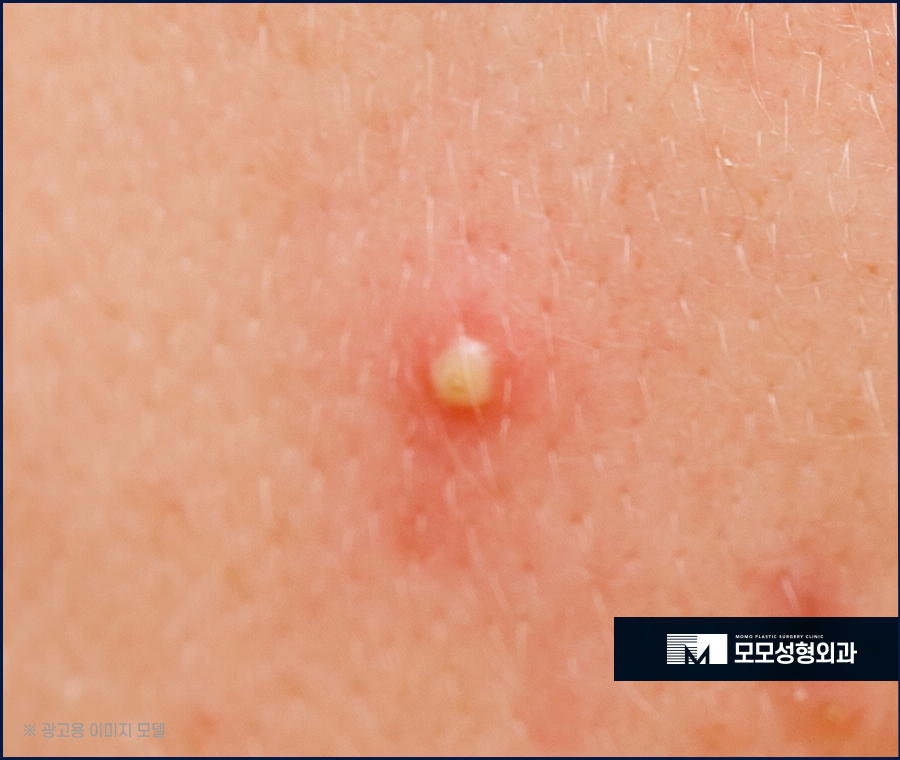
If the condition is not relatively severe, it may disappear and recover naturally with just a little care. However, on the other hand, if the area is sensitive and prone to recurring in the same spot, it can gradually become red and worsen into inflamed acne with severe swelling. It can also leave scars where the breakout occurred.
Basically, the reason it appears across the face is that excess sebum production leads to dead skin cells that clog the pores. The sebum that cannot be expelled hardens, becomes infected by bacteria, and triggers an inflammatory response.
Because the skin plays a role in showing internal health conditions on the surface, you may suspect that poor eating habits or excessive stress are causing psychological and physical problems in everyday life.
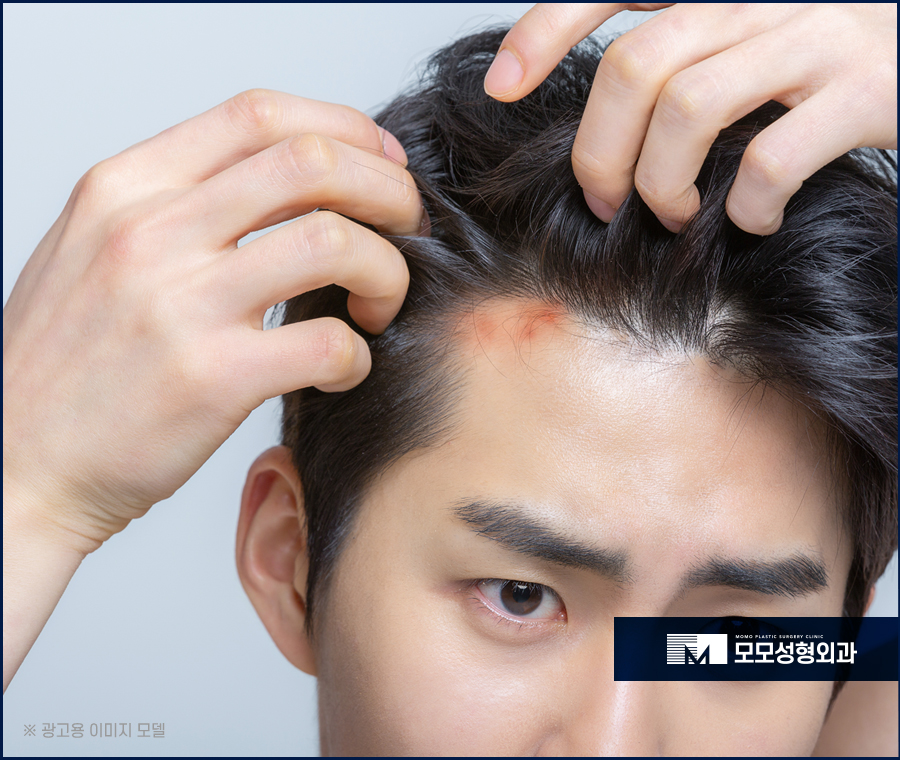
Since it arises from many internal and external factors, it is not possible to define the exact cause, but from the symptoms of skin inflammation, you can see that pore care and sebum management should come first. The reasons breakouts appear in different areas may seem similar, but there are clearly different factors as well, so if you are deeply worried about this symptom, you need to check your usual lifestyle habits first.
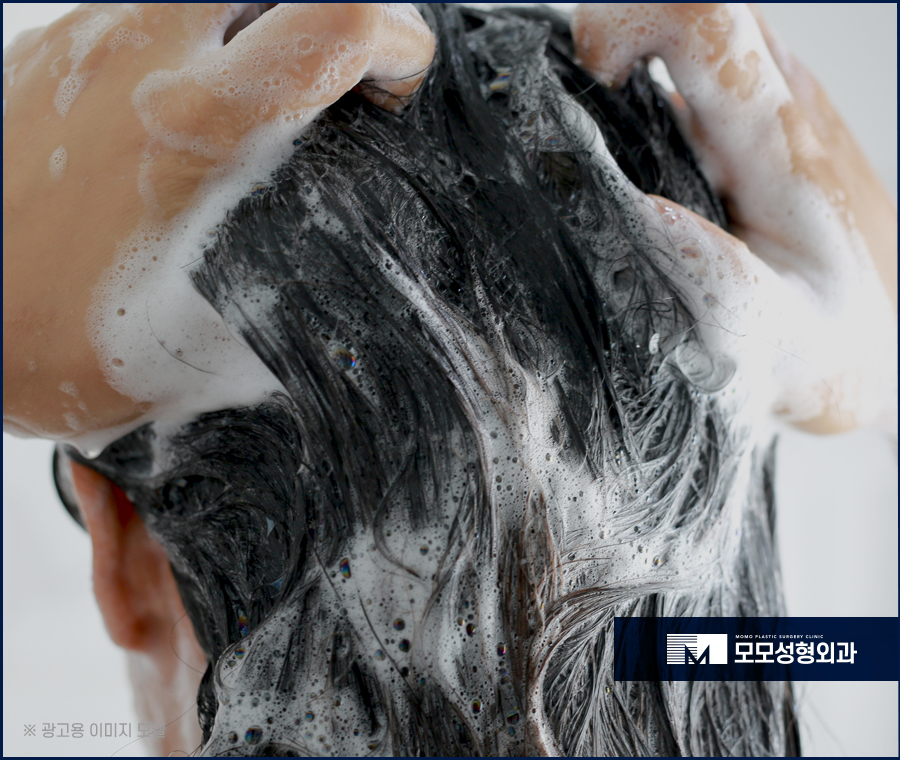
In the case of hairline small acne, it can be caused by excessive sebum production, residue left around the forehead after shampooing, use of certain products, accumulated fatigue, lack of moisture, digestive problems, and more. Because it appears for a variety of reasons, if symptoms show up, it may be better not to focus on just one cause but to consider them broadly and work on improvement in a balanced way.
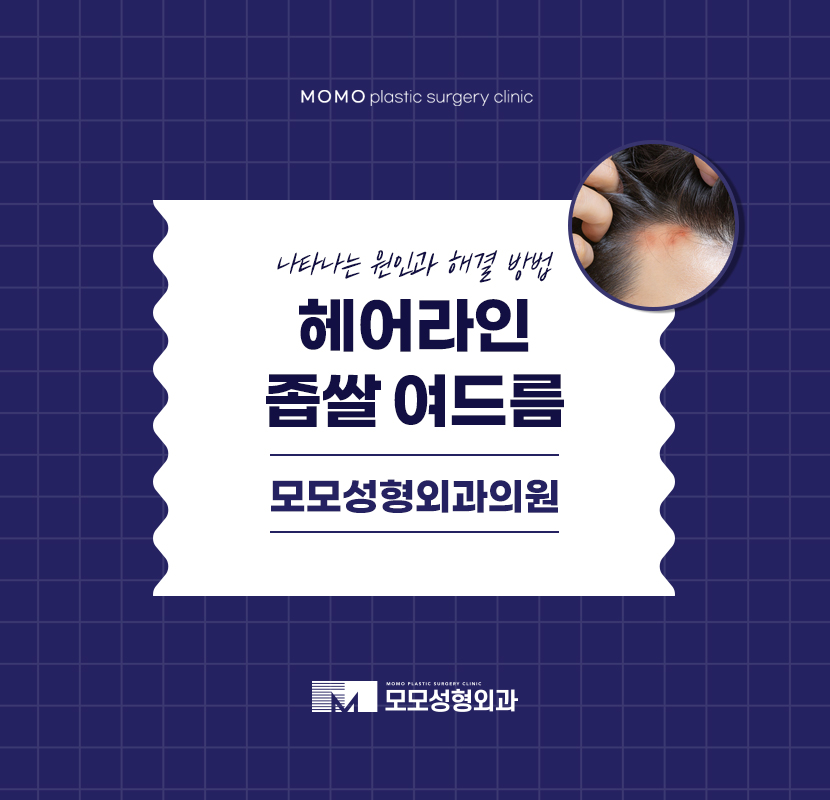
Hairline small acne is not only a form that looks like grains of rice; it can also appear red. Therefore, red-looking types can also be included. Since the forehead is a part that is highly visible in appearance, if breakouts and various problems are showing, active care is important.
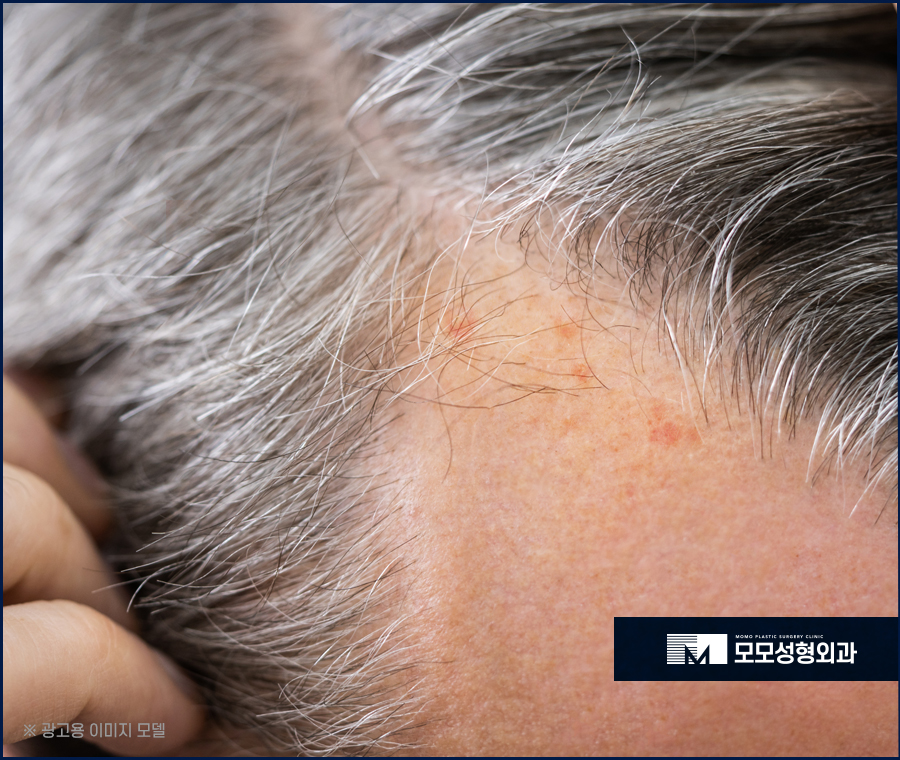
If you leave hairline small acne untreated, thinking it will improve on its own, it can eventually lead to inflammation, and if you remain passive even after that, it can ultimately progress to hair loss. With awareness that it can worsen in this way, it is better to take action quickly.
Because hairline small acne appears in a way that damages hair follicles, it can cause the hairs in the follicles to fall out and lead to hair loss. The temples that extend downward along this area can also develop for the same reason.
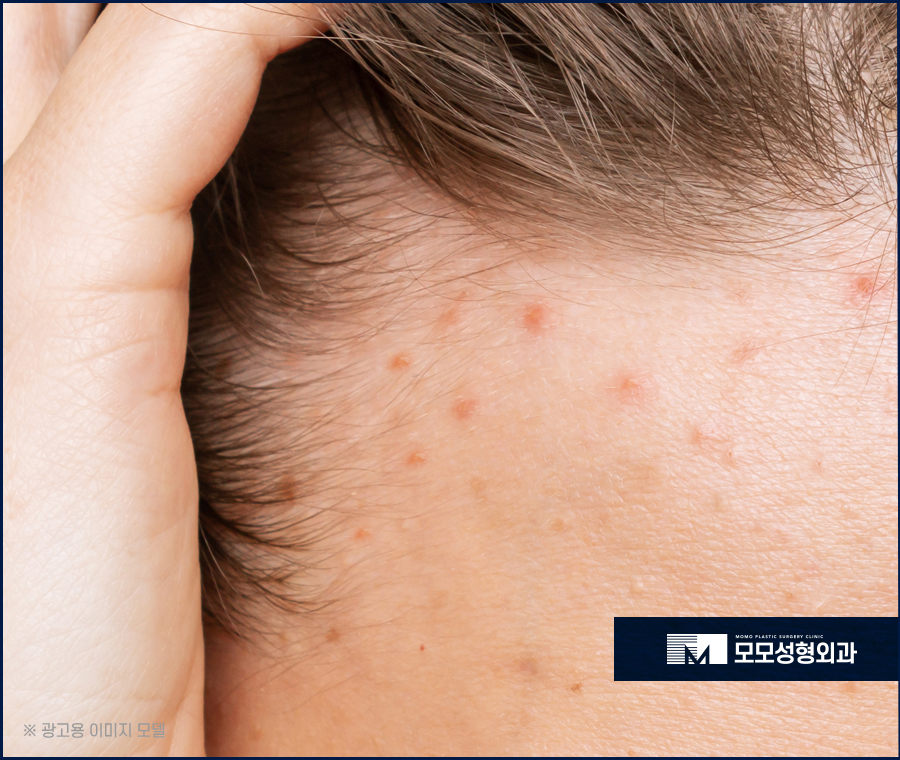
It cannot be said from the start that it causes hair loss, but there is a risk, and if breakouts appear, they can cause pain. As mentioned earlier, hairline small acne can also be called red acne. Because it forms as erythema, it can lead to large inflammation and may worsen into pustules, so when managing it, it can be helpful to combine methods for handling red types as well.
To remove these issues, it is better to invest time and effort in every aspect, considering not only the physical side but also the psychological side, and work on improving them together. You likely use many products for styling in everyday life.
Products used to soften the hair often contain a lot of oil-based ingredients.
Although irritation from chemical ingredients may not block the pores in the same way for everyone, and the degree of severity can vary, it can appear in both men and women. If hairline small acne is especially frequent, after using products, you should wash your face thoroughly and shampoo carefully to cleanse the scalp sebum so that it does not flow down toward the forehead.
If there are already a lot of visible breakouts, getting help from a related institution can also be beneficial. If you do not manage it once it has become comedonal, bacteria can rapidly multiply and cause inflammation, so before that happens, it is a good idea to remove it through extraction or with methods that can care for inflammation.