In modern society, appearance is considered extremely important.
For this reason, many people invest a great deal of time and effort
into grooming and improving their looks. In particular, if the area
in question is hair, having plenty of volume and fullness is necessary
in order to try various styles. This can greatly change the overall
image and atmosphere, and because it allows for a range of styling
options in a short amount of time, many people hope to have a large
amount of hair.
However, it is now said that the number of people experiencing hair loss
has exceeded 10 million, and many are struggling with and stressed by
hair shedding. In the past, concerns about thinning hair were often seen
as something limited to middle-aged and older adults, but nowadays the
age range has become broader, and many younger people are also experiencing
these symptoms. As a result, more people are dealing with empty spaces on
the scalp, lowered confidence, and excessive stress.
The reasons for a sudden increase in hair shedding vary from person to person.
The most common cause is hereditary factors, but it can also occur due to
external factors such as stress, poor lifestyle habits, and lack of sleep.
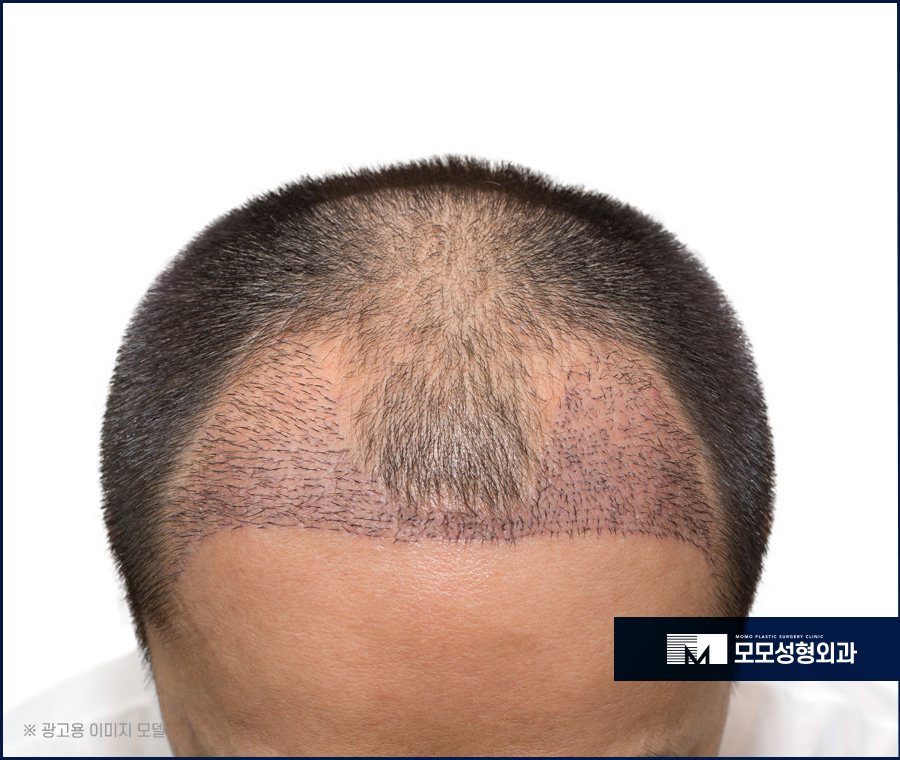
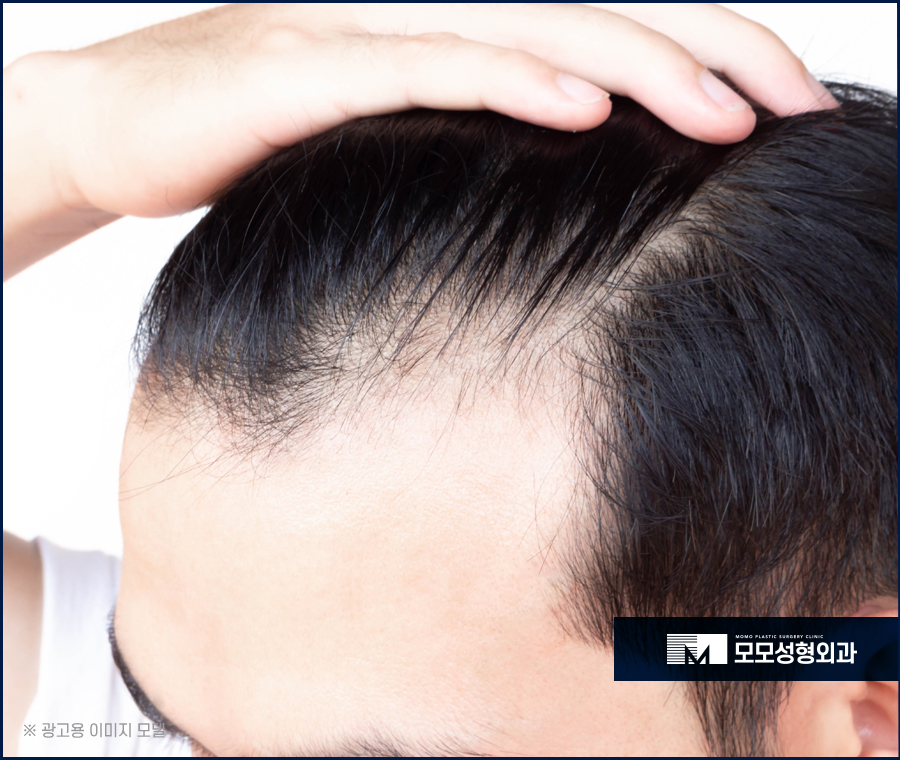
The loss of natural hair can appear in various patterns. In particular, the
type in which the hairline recedes deeply in an M shape around the forehead
is one of the most common among the different types.
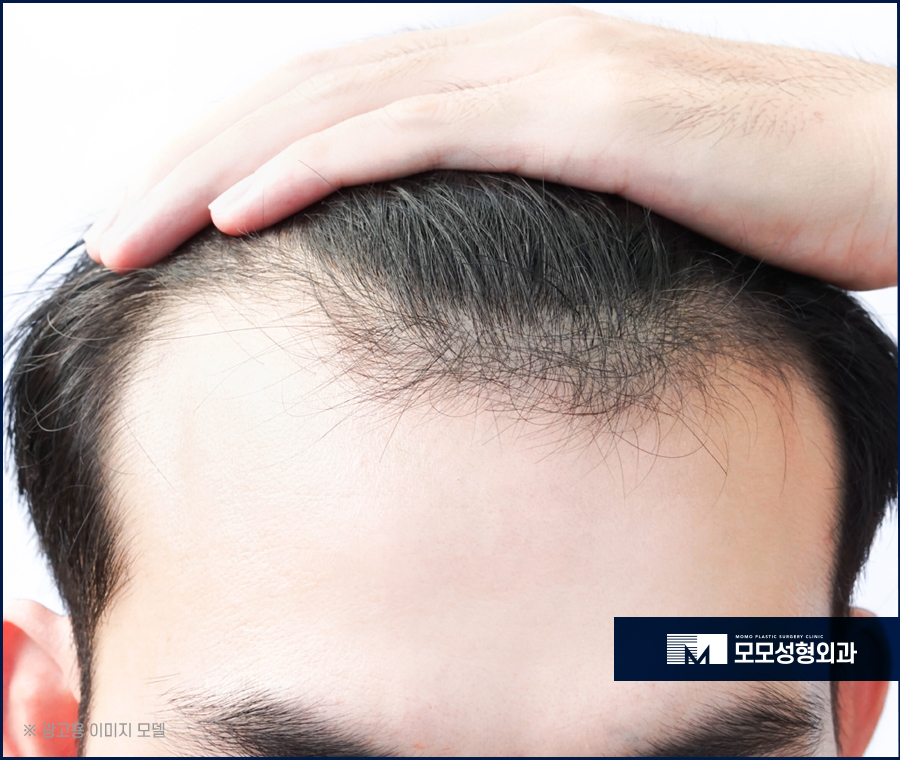
As the forehead gradually becomes wider and both sides recede deeply, the
hairline changes. Hair is an important factor in determining a person's image,
and the atmosphere or impression can change depending on the hairline and
facial features. Therefore, if the symptoms are progressing into an M shape,
it becomes difficult to style hair as desired, and it can lead to an unfavorable
image.
Because of this, people may try various ways to hide it, such as changing
shampoos or using hair fibers, but these only provide temporary effects and
have limitations when it comes to improvement. They can even look unnatural.
Since this can be stressful, many people try to improve the condition through
M-shaped hair loss transplantation.
This procedure applied to the forehead line is not simply about filling empty
spaces with a large amount of natural hair. For a natural look that suits the
individual, the surgery must be performed with delicate technical skill, because
the hair should be arranged so that fine baby hairs are placed in front and the
hair gradually becomes thicker toward the back. As a result, it is a highly
difficult procedure.
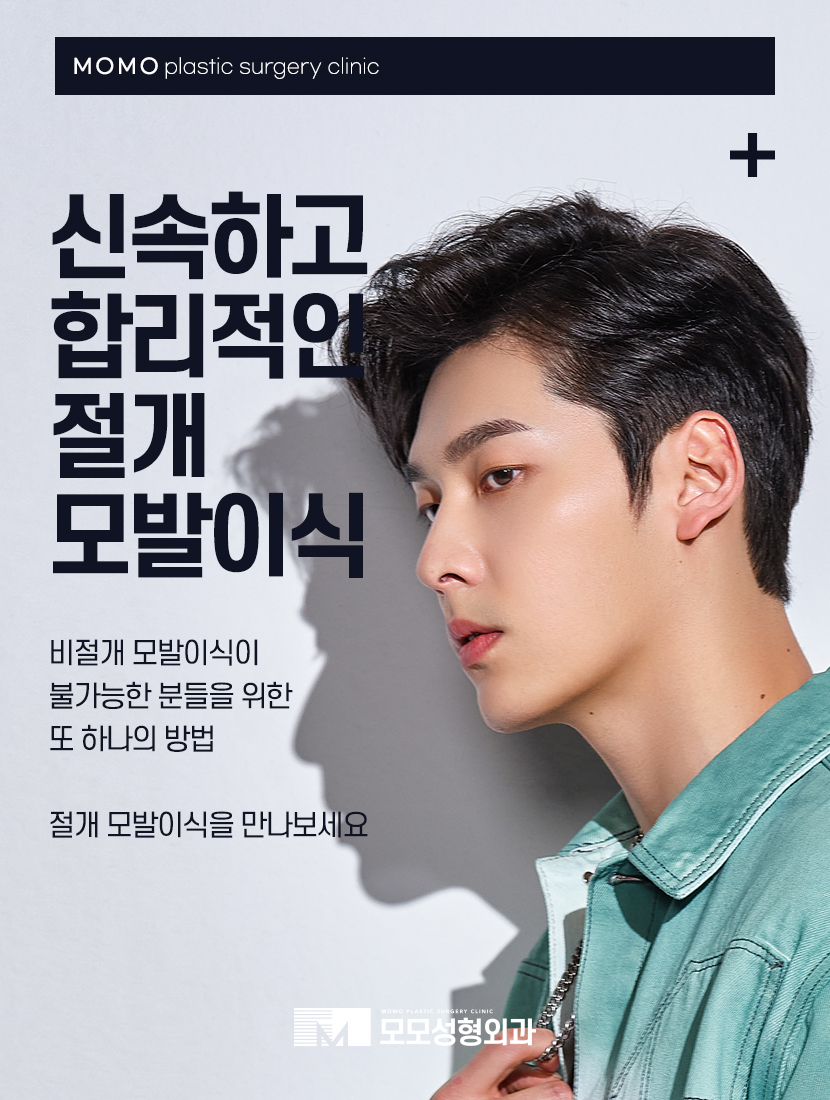
The surgical process for M-shaped hair loss transplantation can be broadly
divided into non-incision and incision methods.
The incision method involves making an incision in the scalp at the back of the
head, where the condition has little effect, then extracting follicular units and
transplanting them to the empty area. Because it is performed using an incision,
there may be some scarring on the scalp, and pain can occur. However, it has the
advantages of a shorter operation time, relatively lower cost, and the ability to
transplant a large amount.
The other method, non-incision, involves individually extracting follicular units
one by one directly from the scalp at the back of the head and transplanting them.
Because a follicular unit isolation technician performs the procedure manually, it
takes more time and the cost is higher, but there is almost no scarring and pain
tends not to occur.
Because of this, recovery is relatively fast, and returning to daily life is also
possible quickly. Recently, due to concerns about scarring, methods that reflect
these concerns well have become more preferred.
Of course, the procedure and speed of recovery are important, but when it comes to
the final result, the most important factor in increasing satisfaction after M-shaped
hair loss transplantation is probably how well the grafts survive. If you truly want
a successful outcome, you should pay close attention to how healthy follicular units
are properly selected and transplanted, and how aftercare should be carried out.
Therefore, you should carefully review and actively follow the instructions provided
by the institution that performed your M-shaped hair loss transplantation, and you must
also make your own efforts to help improve graft survival.

In addition, planning a design that suits you and creating a shape that does not look
awkward can lead to highly satisfying results. This is because each person has different
facial features and appearance, so the hairline that suits each person is different.
It is advisable to proceed with M-shaped hair loss transplantation after carefully
considering various factors, and to thoroughly review everything from the consultation
process before surgery to post-procedure care in order to comprehensively assess the
condition of the scalp and the proportions of the face.
If the procedure is not customized on a one-to-one basis and instead uses a standardized
shape, places too much natural hair, or sets an M-shaped hair loss transplantation design
that does not suit the person, it can feel artificial and create a sense of discomfort.
Please recognize the importance of adjusting density naturally, and consider applying the
procedure with a design and method suited to each individual through medical staff with
extensive clinical experience, rich know-how, and high technical skill.
Once symptoms begin, they generally do not progress slowly or stop. In most cases, they
worsen more rapidly over time if left untreated, so if you suspect anything even slightly
early on, taking the right measures quickly will be a wise choice for a more satisfactory
outcome.