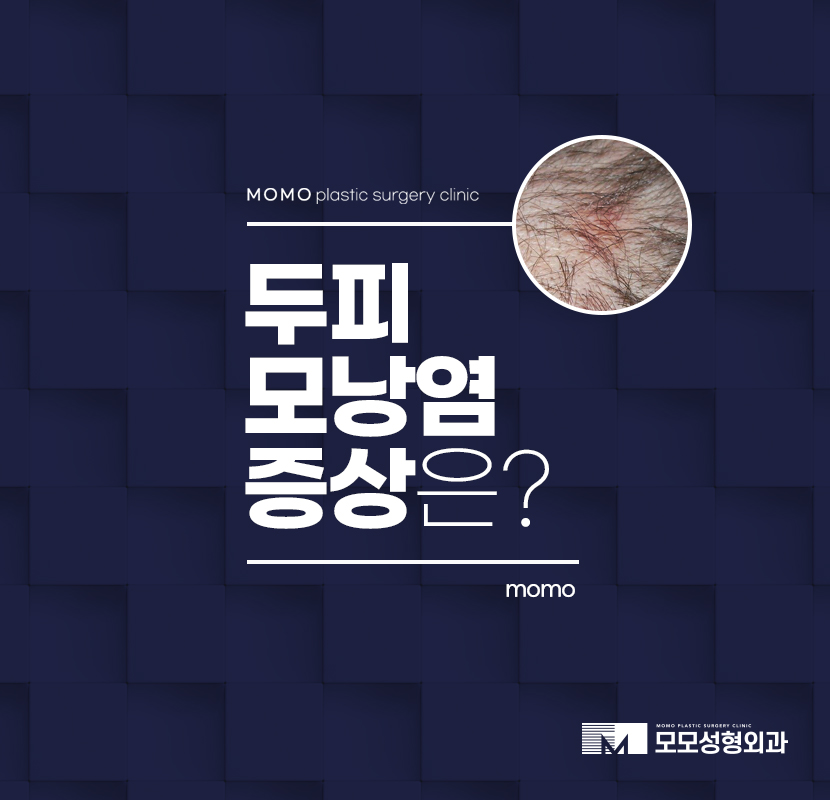
When you notice something like acne appearing on your scalp,
there are many cases where people assume it will naturally
recover over time and do not take it seriously. Many people
do not care for it as carefully as they would the skin on
their face, and they may think that washing their hair well
will make it better. In fact, however, it may not be acne
at all, but one of the symptoms of scalp folliculitis, so
it is important to receive appropriate treatment at a clinic
without delay.
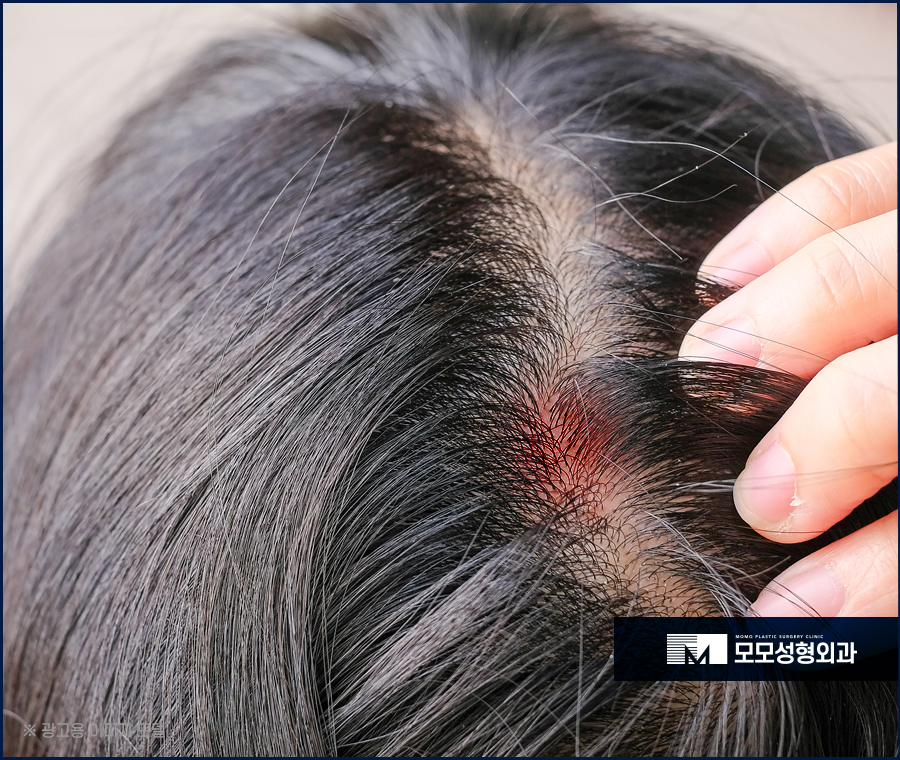
In fact, both of the issues described above look similar.
Acne simply appears on the scalp, and usually one or two
red bumps appear and then recover again over time. In contrast,
scalp folliculitis symptoms occur when hair follicles become
infected, and unlike the previous condition, multiple lesions
appear at once. It may be helpful to check whether you are
experiencing this kind of condition.
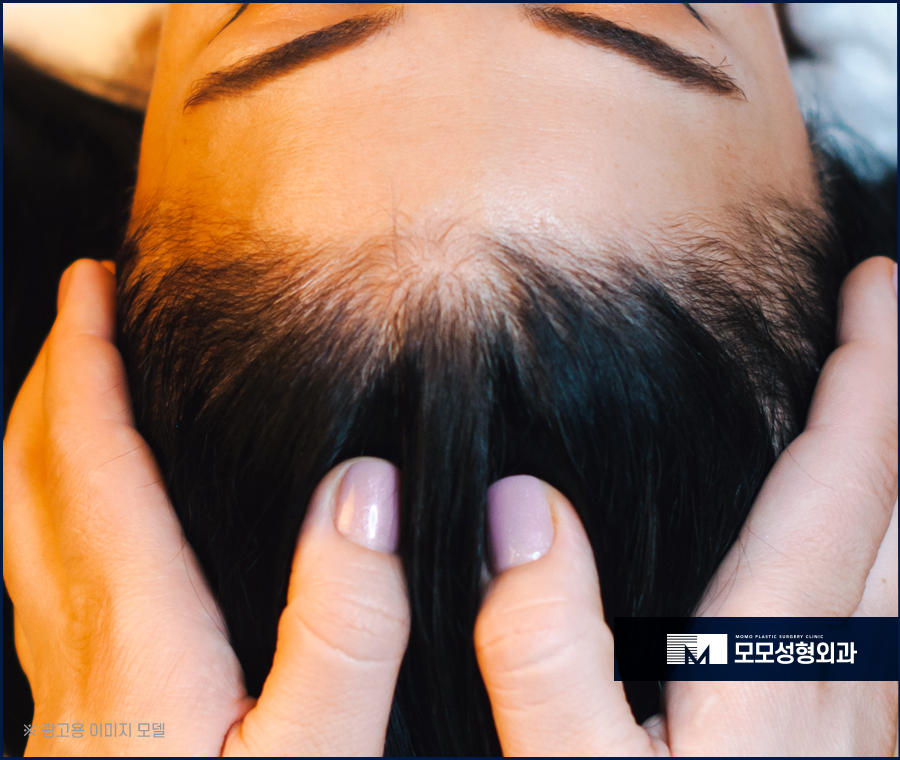
To explain in more detail, unlike a problem caused by issues
with sebum discharge that leads to breakouts, this can be
described as an inflammatory disease caused by infection from
bacteria present on the surface. In addition, the area where
hair grows becomes red and raised, and pus may form, along
with pain or itching. Ordinary acne often appears through
various stages, but scalp folliculitis symptoms can differ in
that the color changes immediately and sensations such as pain
or itching appear.
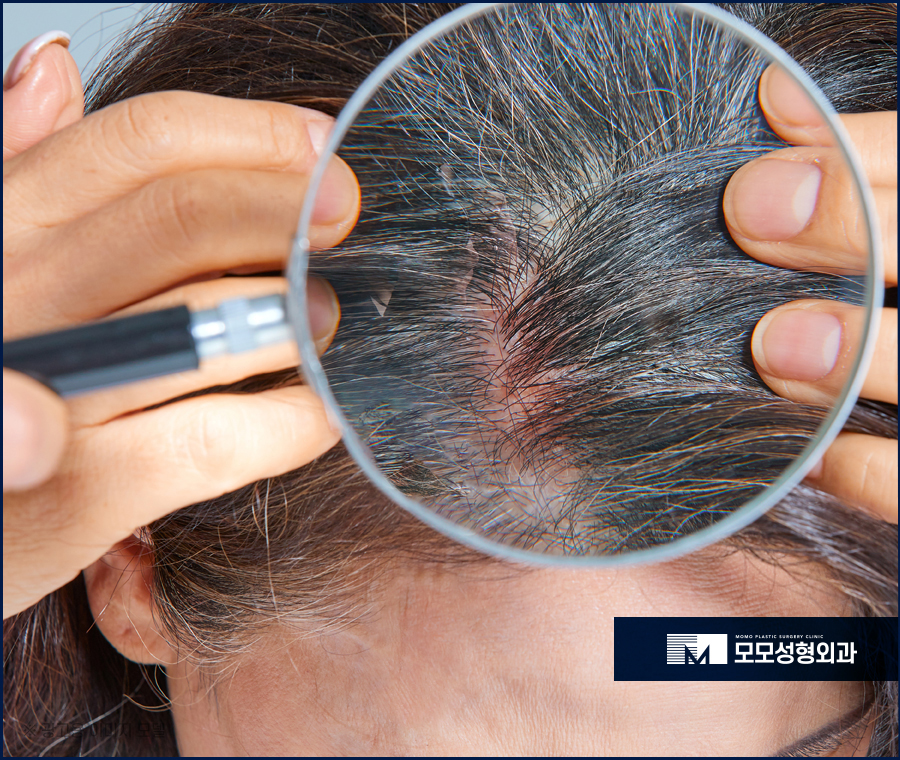
Both can be described as conditions that arise when the skin
does not remain clean, but they can also appear due to obesity,
diabetes, or a weakened immune system. Please note that scalp
folliculitis symptoms can negatively affect the roots of
natural hair, and if left untreated, they can destroy the tissue
inside the natural hair and lead to permanent hair loss.
Also, if symptoms appear in an area that is already experiencing
hair loss, they can lead to further worsening. Even in the
occipital area, where natural hair loss is less likely to occur,
hair loss can develop if related symptoms arise. In fact, the
exact cause of this condition has not been clearly identified,
but it is often seen in people with oily skin.
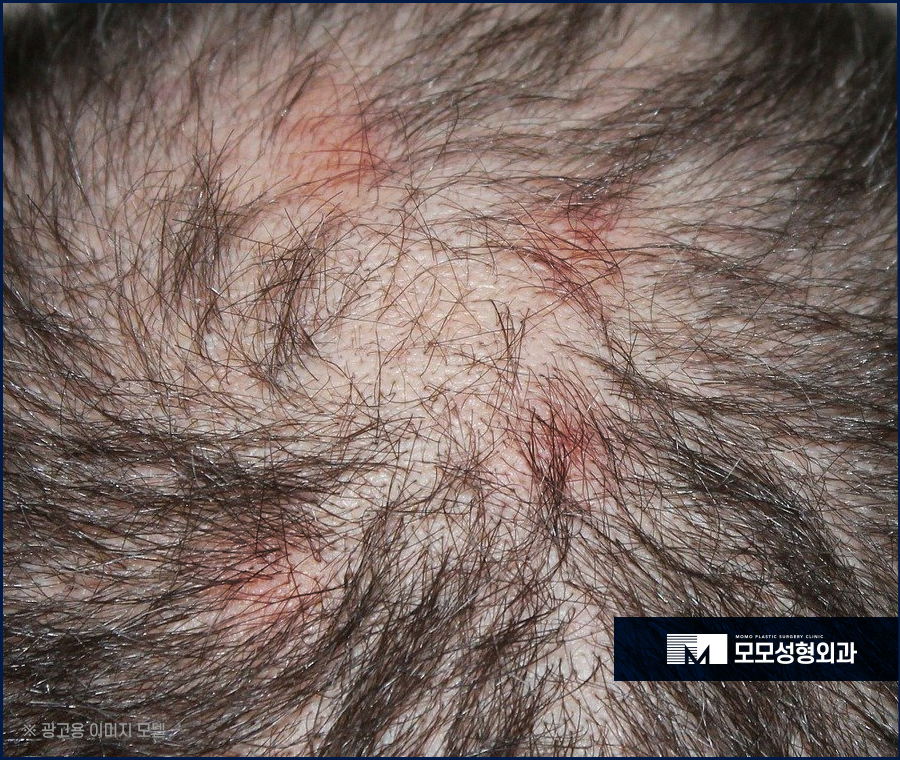
Because the affected area is not hard like acne, many people
tempted to scratch it off with their hands. However, bacteria
on the fingernails can enter the affected area and cause
infection, expanding the area affected by the condition, and it
can lead to dandruff, pus, oozing, and even hair loss. For this
reason, you should not try to remove it by hand.
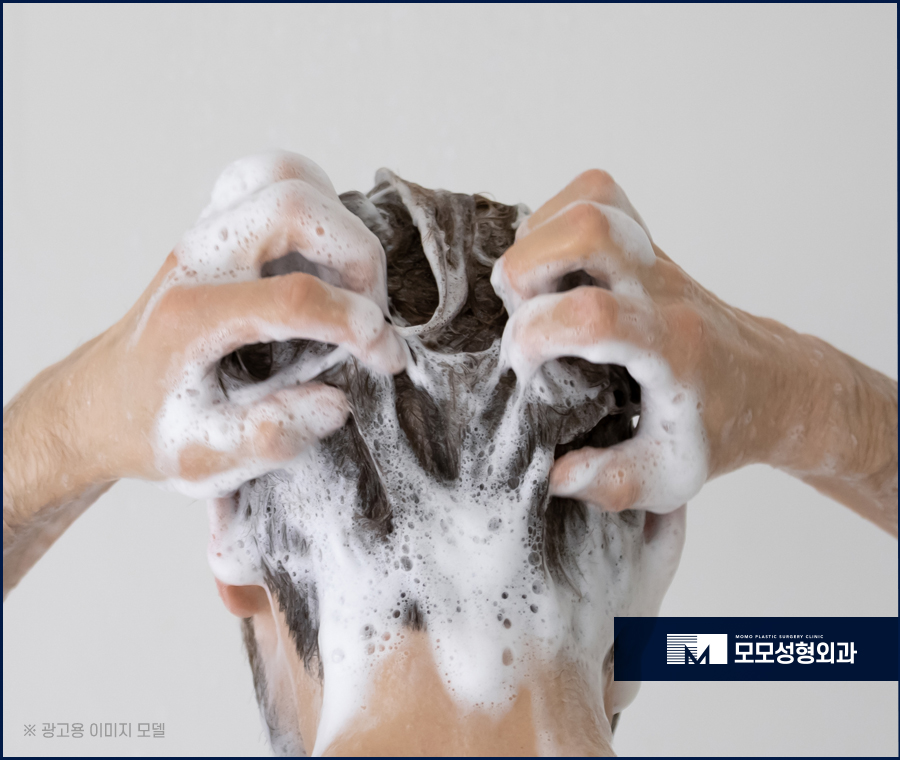
When scalp folliculitis symptoms appear, in addition to touching
it with your hands, it may also be a good idea to avoid using
shampoos that can cause strong irritation. Products that make the
scalp feel cool when washing your hair may fall into this category.
It is better to look for a shampoo that is less irritating, and
when washing, you should not scrub with your fingernails but use
the padded parts of your fingers. Please note that using your
fingernails can increase the likelihood of skin damage.

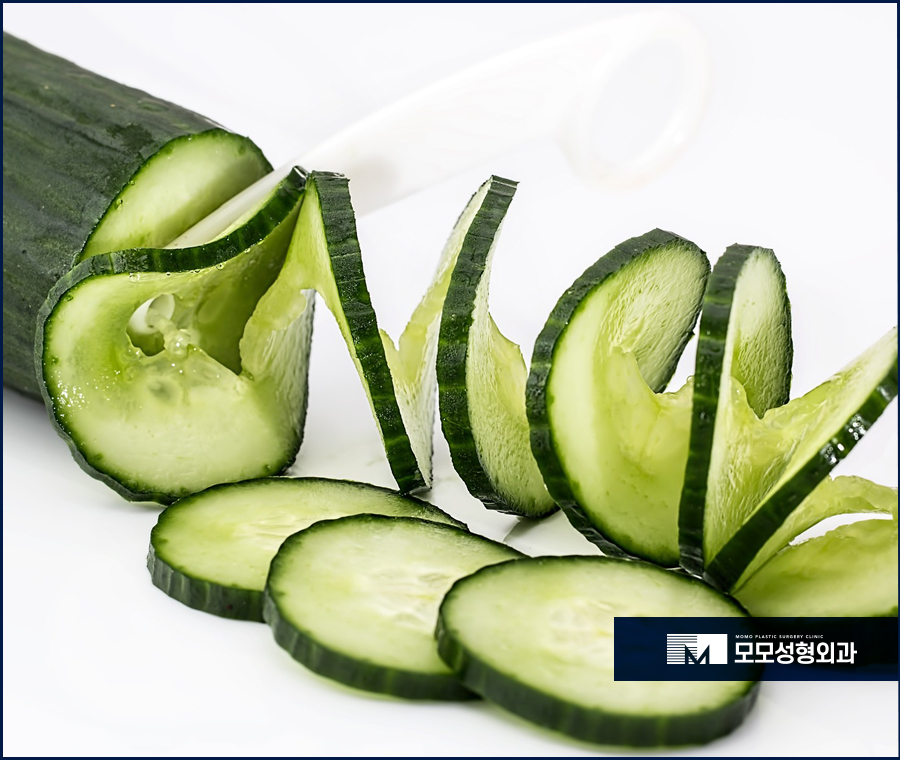


Also, if your body heat increases, the amount of sebum secreted
may increase, making problems more likely to occur. For that
reason, eating foods with a cooling nature can also be a good
option. Vegetables such as cucumbers, napa cabbage, and tomatoes
are examples, and fruits such as pears, watermelon, Korean melon,
and grapes are also good choices. It may also help to look for
foods with a cooling nature, such as octopus or squid. By eating
a balanced variety of foods to keep your skin clean in daily life,
getting enough nutrients, and taking appropriate rest and sleep,
it can be very helpful in easing the condition.
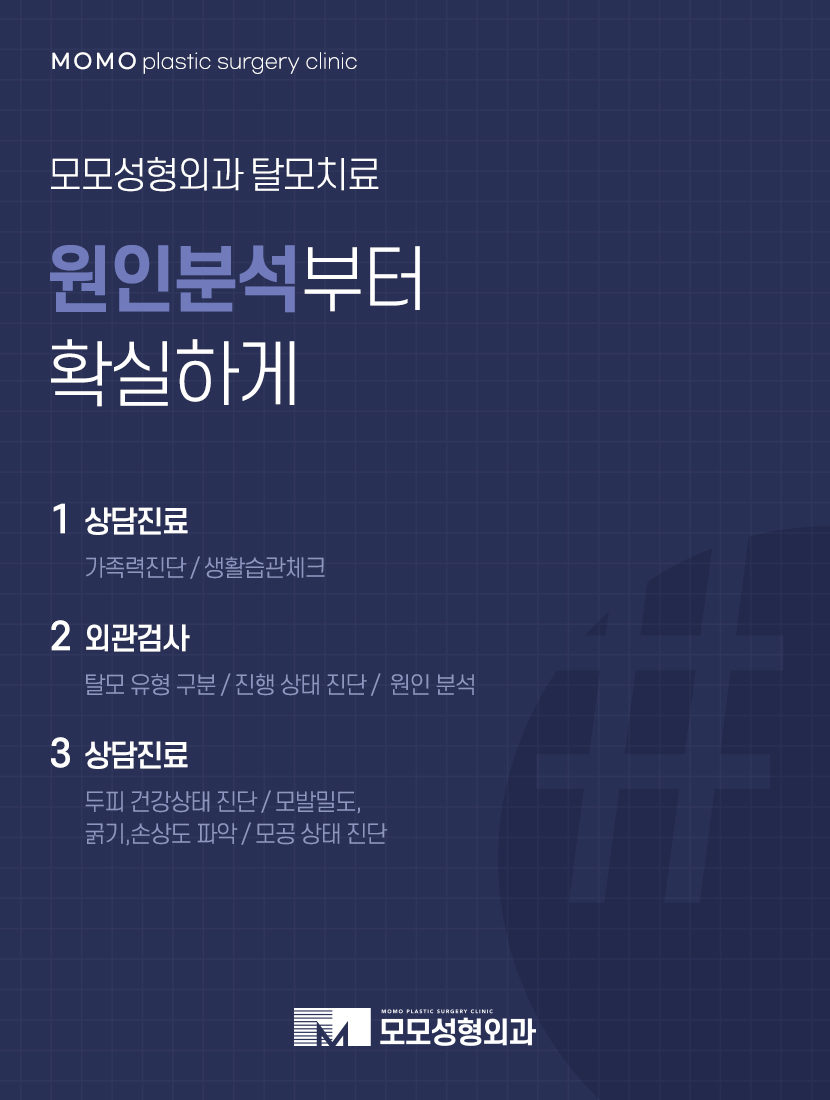
For patients whose symptoms continue to appear, these kinds of
care are helpful, but it may also be important to visit a
medical institution for a detailed examination and treatment.
The repeated occurrence of this problem is also evidence that
the natural hair or skin is not in good condition, and because
it is likely to lead to hair loss over time, cleaning the
environment through scaling, along with receiving treatment
through injections or medication, may help prevent the problem
from leading to permanent loss of natural hair.
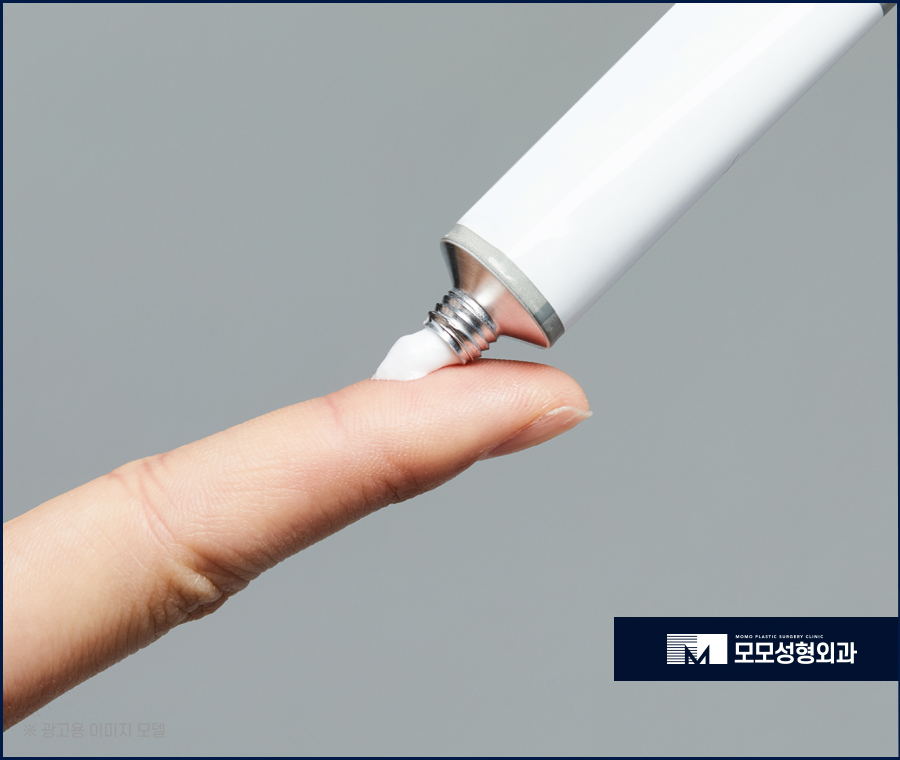
Because it looks similar to acne, people often apply topical
medicine to the affected area, but if it does not heal well
as expected, they may think there is a problem with the medicine
or assume it will recover over time and leave it untreated.
Therefore, if scalp folliculitis symptoms continue to appear or
the condition is severe, visiting a clinic sooner rather than
later to find the cause through a detailed consultation and
examination and to respond with appropriate treatment can lead
to good results. Most importantly, when symptoms appear, if you
continue to touch the area with your hands, it can make the
condition worse. So even if it itches and hurts, it is necessary
to be careful not to irritate it.