In general, natural hair sheds by the tens each day.
This is because hair has a life cycle, so hair grows for a certain period of time and then stops growing before it falls out. In fact, losing about 50 to 100 hairs a day is a completely normal phenomenon, so it may not be a problem. However, if more than 100 hairs fall out in large numbers, or if hair is disappearing intensively in only certain areas, active measures may be needed.
�a0
�a0
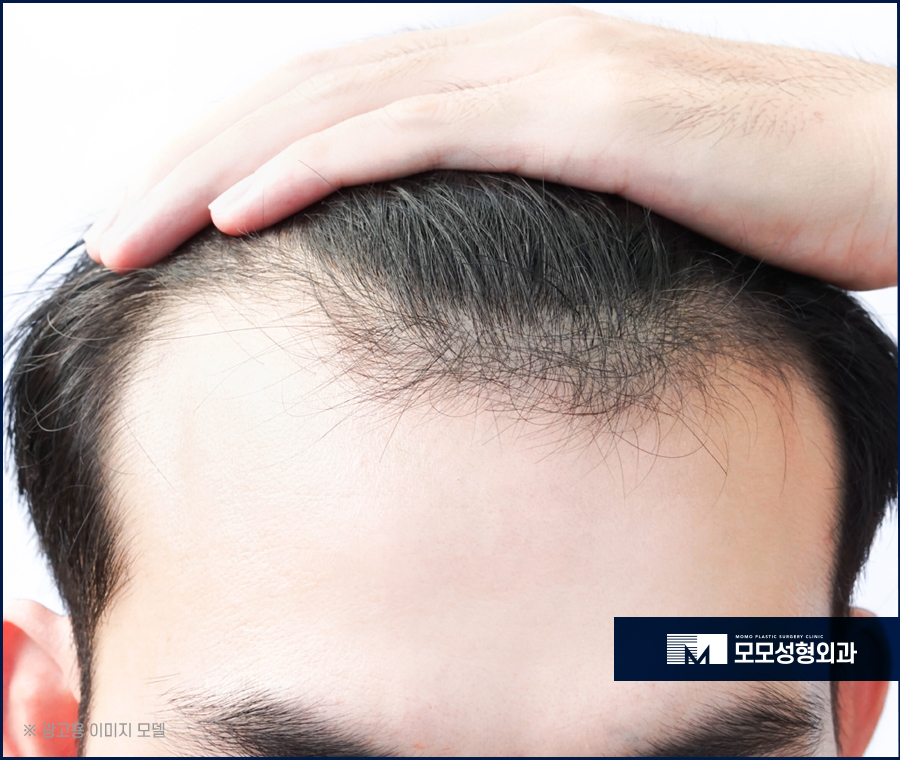
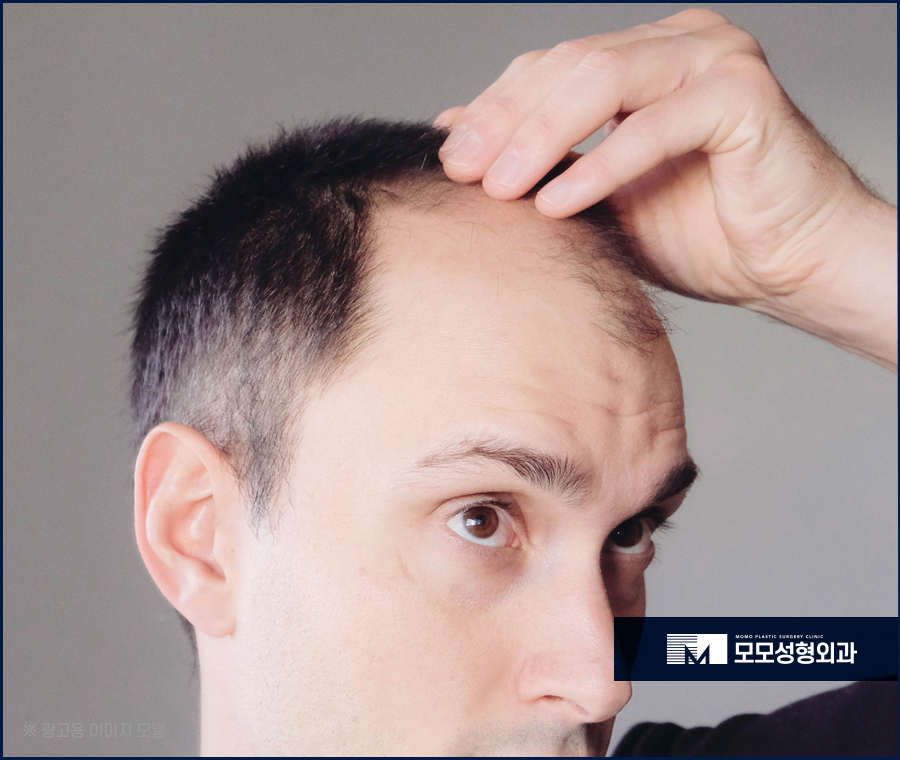
In addition, because this is an era in which how you look is considered important, it is bound to feel even more sensitive. If frontal hair loss is left unattended, the condition can eventually progress to heavy shedding and cause major damage to appearance.
�a0
�a0
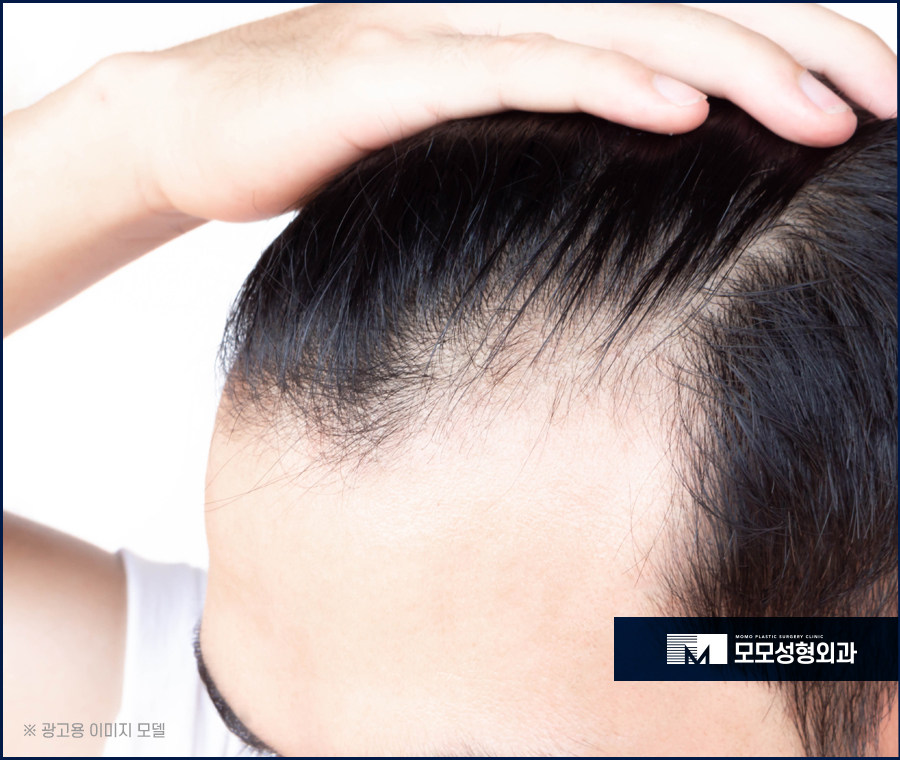
Among these, the most common type is where both sides of the forehead recede deeply, forming an M-shaped hairline. However, because this is also the part that is most visible visually, anyone who experiences frontal hair loss wants to improve it quickly.
�a0
�a0
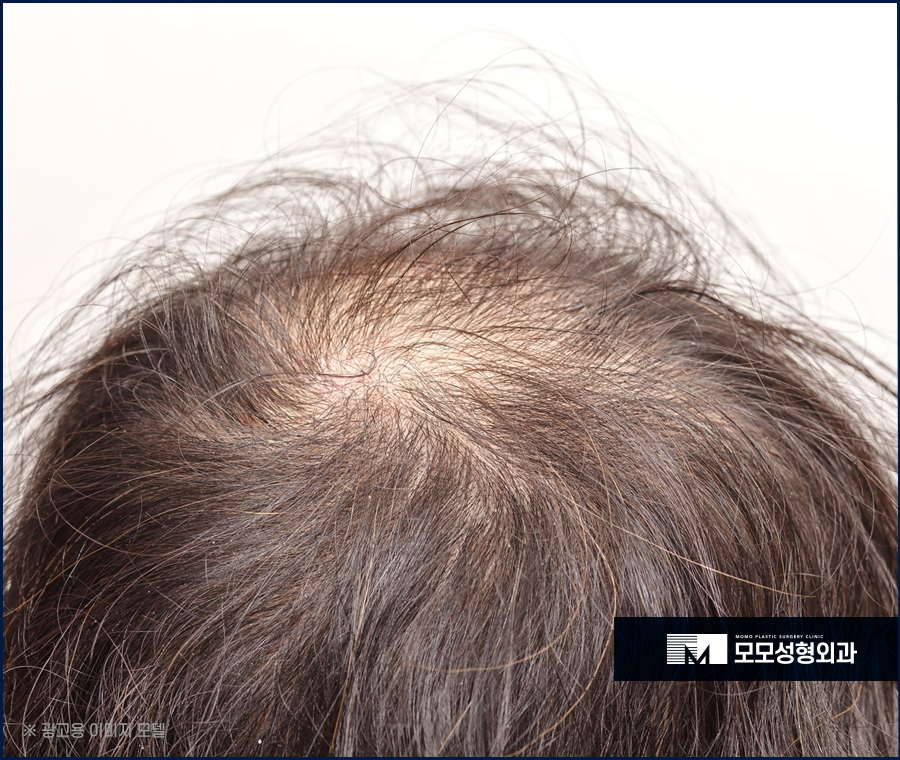
In fact, when looking for a way to solve the problem, it is important to first identify the cause. Frontal hair loss refers to a condition in which the thickness of natural hair gradually becomes thinner and lighter from the forehead line to the crown, progressively turning into vellus hair before falling out. It is a symptom that often appears not only in men but also in women, and it can cause significant stress.
�a0
�a0
Usually, the hair on the back of the head or the temples often remains until the end because it is not affected by male hormones, but frontal hair loss is easy to notice. Therefore, if you feel that your hair has become thinner while touching it, or if hair falls out when you run your hand through it, you may suspect the condition.
�a0
�a0
In fact, the cause of frontal hair loss is strongly genetic, but because it appears due to various factors, it is not easy to conclude that there is only one cause. In addition to hormonal changes, it can also be caused by stress, and it may also appear due to poor scalp care habits. Therefore, if you are experiencing hair shedding, it is advisable to check it from various angles and make efforts to improve it.
�a0
�a0
To improve it, you can try various methods. For that reason, some people use helpful shampoos, take medication, and apply various folk remedies such as scalp massage. However, although there may be some improvement in scalp health, dramatic changes such as a sudden increase in hair growth are not usually seen. For this reason, most people also consider medical methods such as hair transplantation.
�a0
�a0
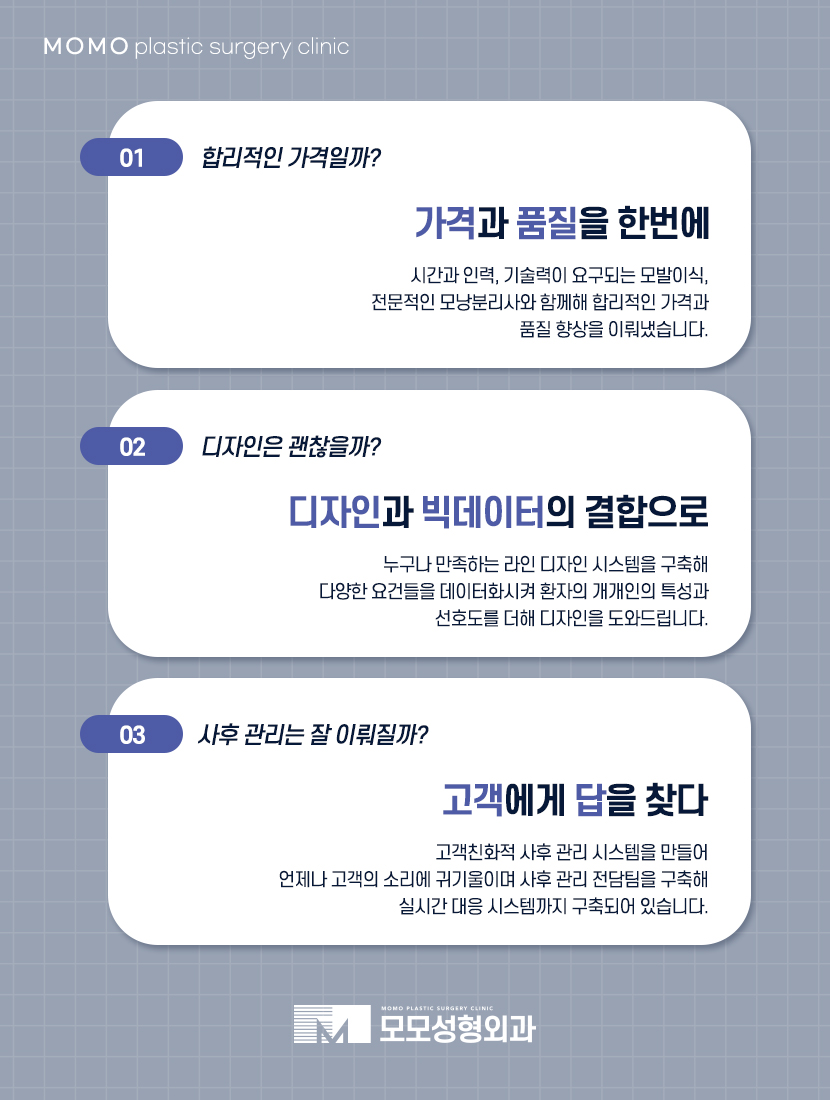
If you are struggling with frontal hair loss, it is important to move forward in a way that addresses the fundamental cause and strengthens the area. Therefore, it is judged to be important to visit a relevant clinic and carefully examine what factor is causing the symptoms at present. Only by understanding the current situation through a detailed analysis and systematically establishing a treatment direction based on that can you expect satisfactory results. If a procedure or transplant is performed without proper examination, it may lead to unnatural outcomes, so we recommend carefully reviewing the diagnosis first.
�a0
�a0
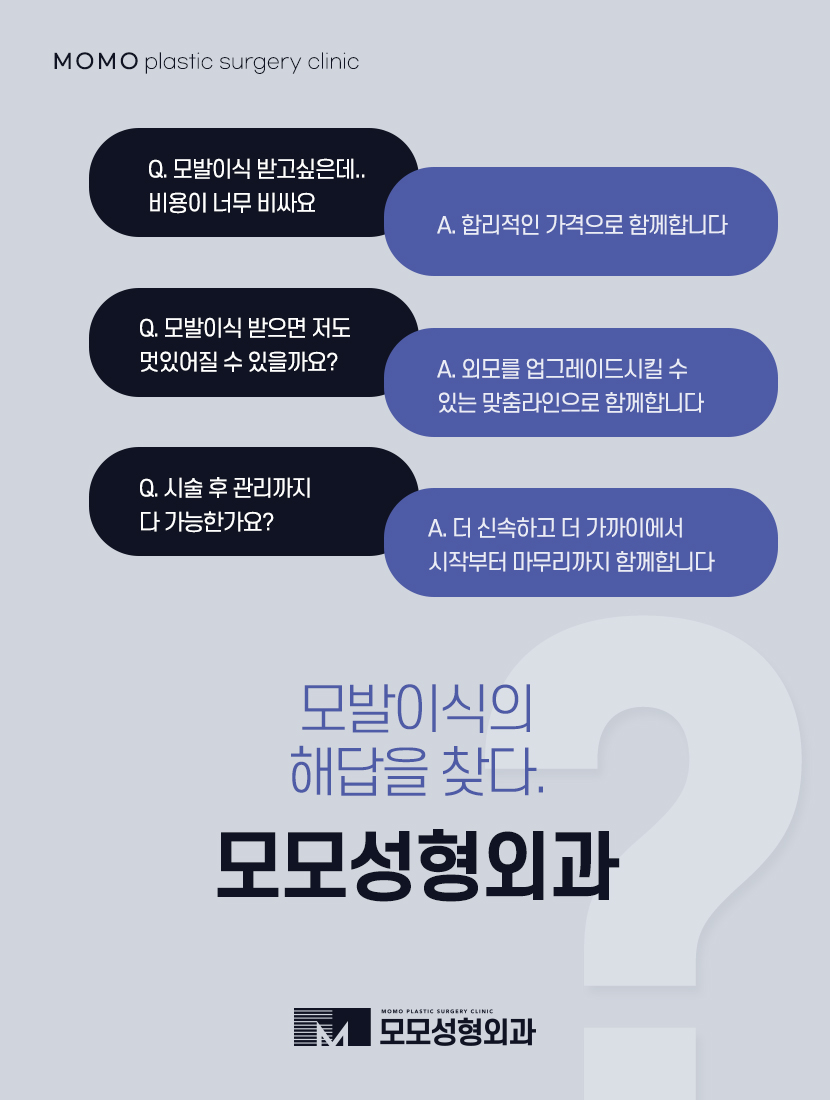
Therefore, when visiting a relevant clinic, it is good to look in advance at how much technical skill they have and how detailed their diagnosis can be, and you should also be sure to check the surgeon’s ability. This is because costs, energy, and recovery time can vary greatly depending on the circumstances, such as density and design, and whether the procedure is done with an incision or through a non-excision method.
�a0
�a0
To respond to frontal hair loss, you also need to carefully choose which treatment method to apply.
On average, the human scalp has about 100,000 hair follicles. Among them, the follicles on the sides and back of the head number about 25,000 and are less affected by shedding. Therefore, the process involves harvesting follicles from those areas and transplanting them into the empty areas.
�a0
�a0
At this time, the methods can be divided into non-incision and incision techniques. The incision method proceeds by removing a wide area and transplanting it, while the non-excision method uses a punch to harvest follicles unit by unit and implant them.
�a0
�a0
Both methods can be applied according to individual needs, but they also differ depending on the scalp and current condition. Therefore, they should be selected after considering various conditions, and the most suitable method for you should be chosen through sufficient consultation with the medical staff.
�a0

�a0
For those worried about frontal hair loss, the front area is close to the hairline, so they tend to expect natural-looking results. At this time, the important thing is personal line design, which means being able to create the most suitable hairline by considering your facial features and overall impression. Therefore, checking in advance whether the relevant clinic can also design with proportions in mind can be one way to improve the overall quality of the result.
�a0