As time passes and we get older,
our bodies go through various changes and, as everyone knows,
aging progresses. The areas where changes are most
noticeable are typically the skin, but hair
can also be included.
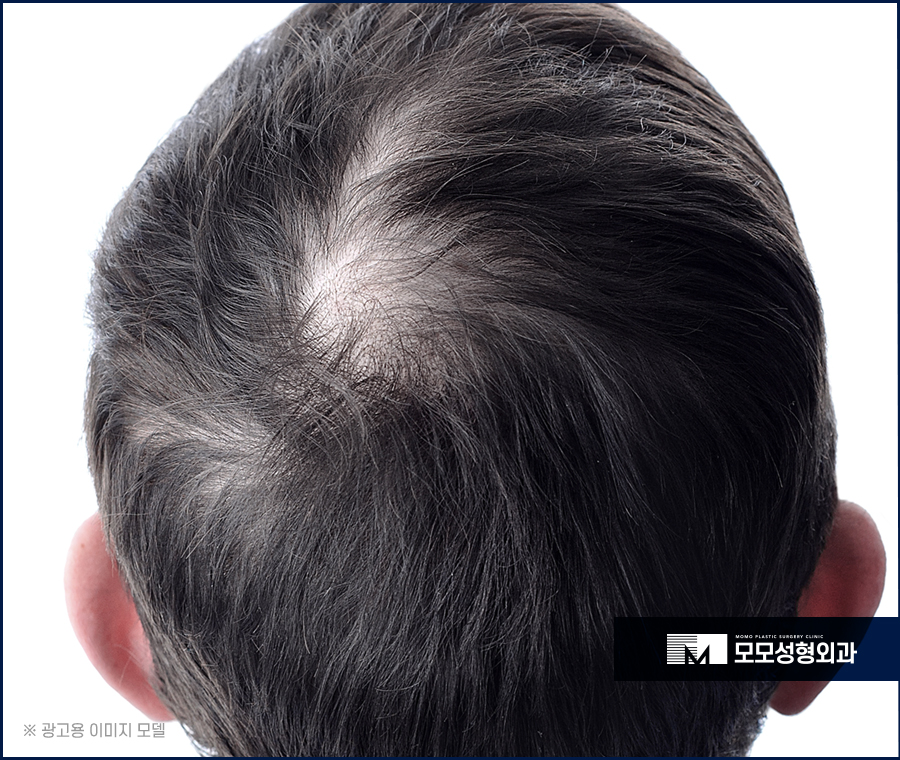
As the body gets older and aging occurs, the capillaries
in the scalp also tend to weaken. As a result, blood
circulation in the scalp gradually does not occur as
vigorously as before, making smooth supply more
difficult as well. This affects the hair roots,
causing them to lose strength and potentially leading to
thinning natural hair.
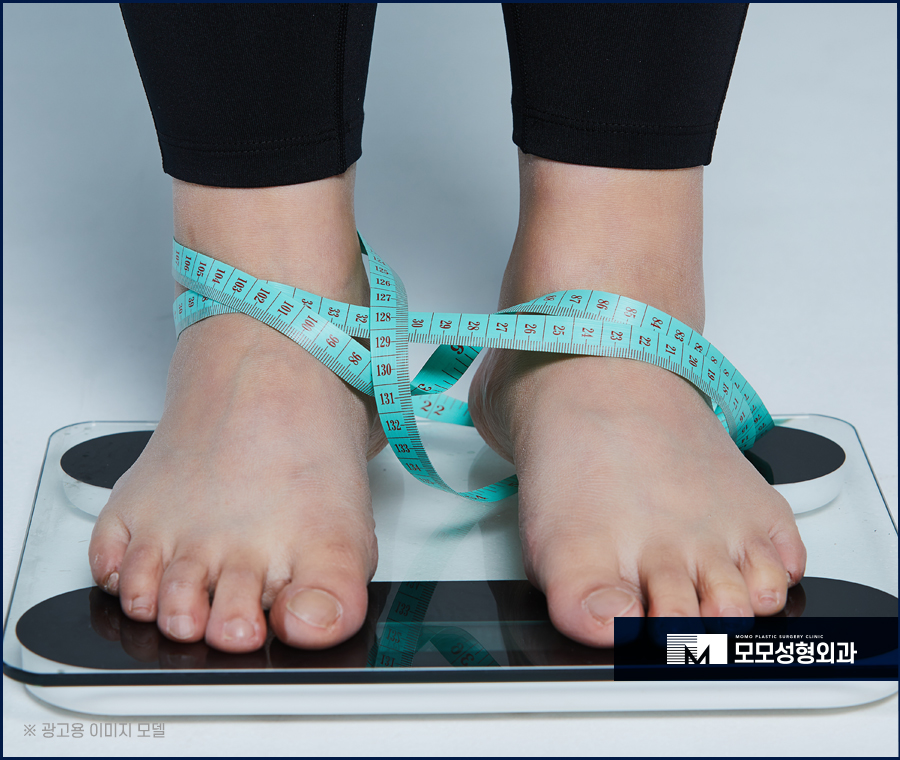
In addition, another cause of thinning hair is excessive
dieting. To lose weight, people combine exercise and
dietary control, but it is difficult to consume a
nutritionally rich diet, so balance is eventually broken.
As the amount of nutrients supplied decreases, this
affects the hair as well. If you diet excessively, it can
place even greater strain on the body, and this includes
men as well. Therefore, it is recommended not to follow
extreme diets, one-food diets, or fasting. If weight is
lost in an improper way, it can eventually lead to
a thinning of the hair.
This in turn reduces hair volume, eventually making it
difficult to style hair with fullness. Since we live in an
era where appearance matters and people express their
individuality through appearance in modern society,
thinning hair should not be taken lightly.
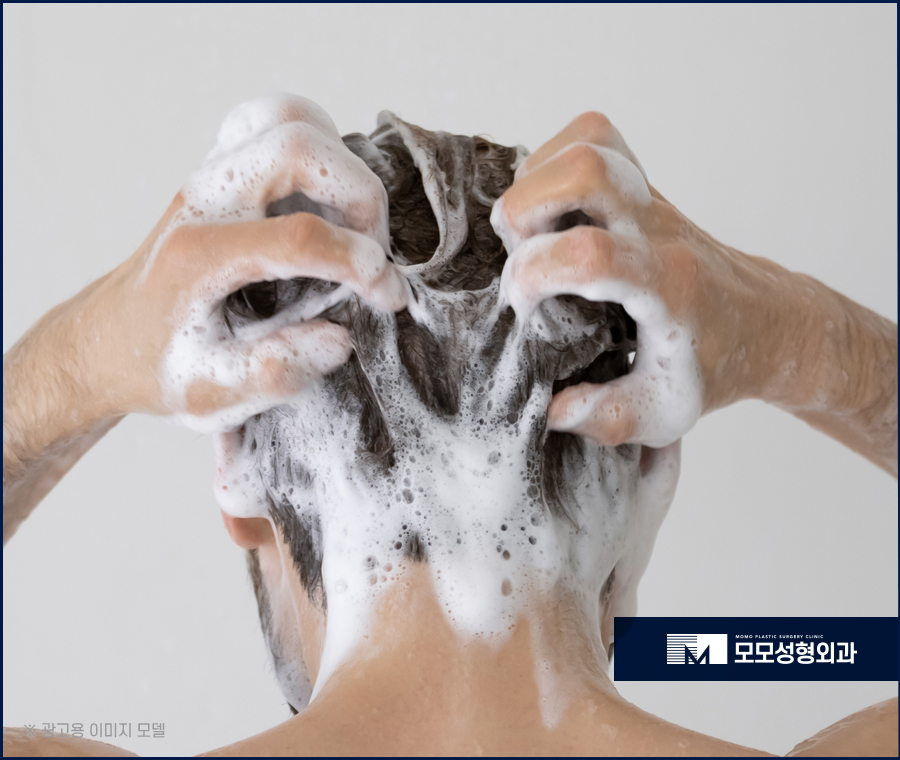
Because appearance is important, many people express
their beauty and style through hair styling that reflects
their own individuality. For that reason, they continue
to perm or dye their hair, but the chemicals used in
these processes can irritate the scalp and hair, which
can eventually cause thinning hair symptoms to appear.
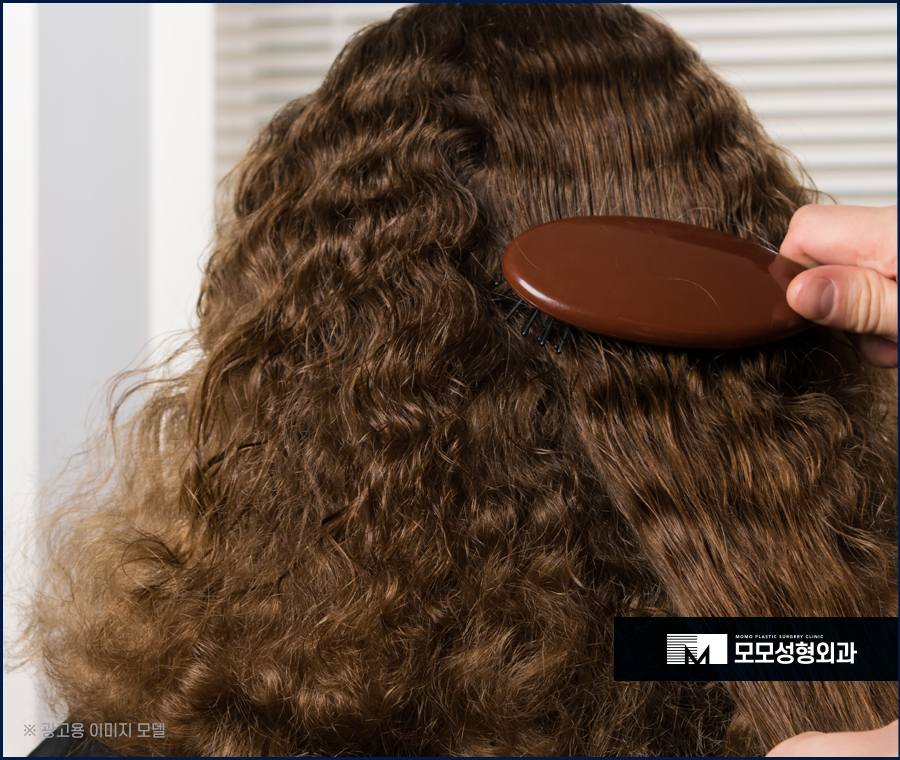
Therefore, when visiting a hair salon, it is best to
consider options that affect the hair as little as
possible, and it is recommended to observe the condition
of your natural hair and avoid excessive changes. It is
also advisable to provide sufficient nutrition.
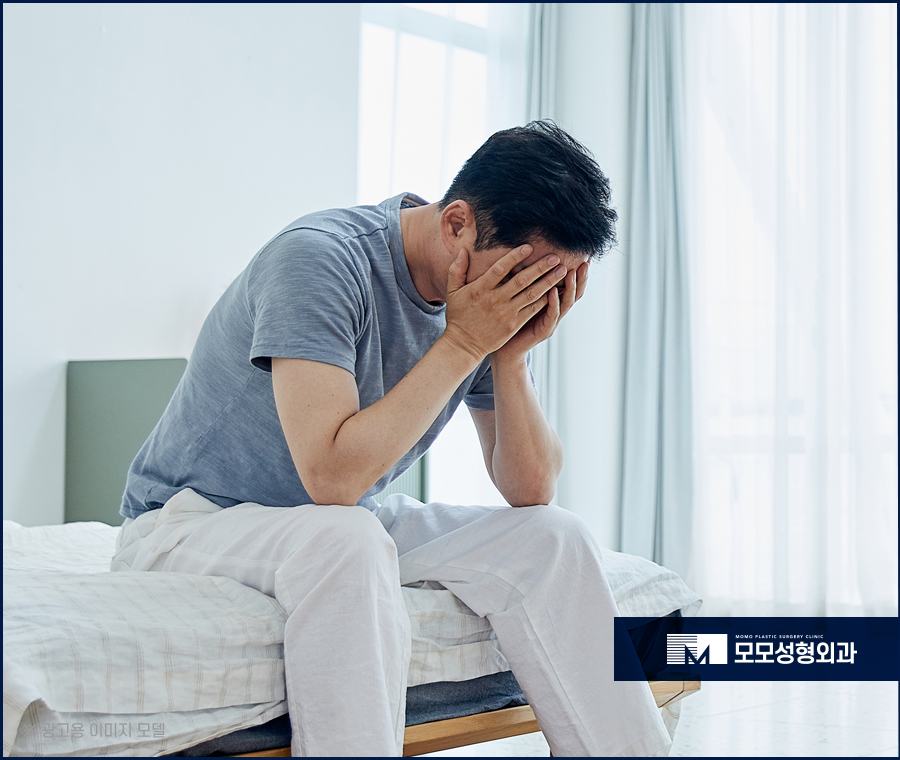
Another last cause of thinning hair is stress. It is an
area that needs to be managed, as it can be considered
one of the main factors causing natural hair to become
thin. When stress becomes severe, metabolism can slow
down and blood circulation may not occur properly, so it
can act as a major culprit in thinning natural hair.
This can lead to hair loss and eventually create a
situation that cannot be reversed.
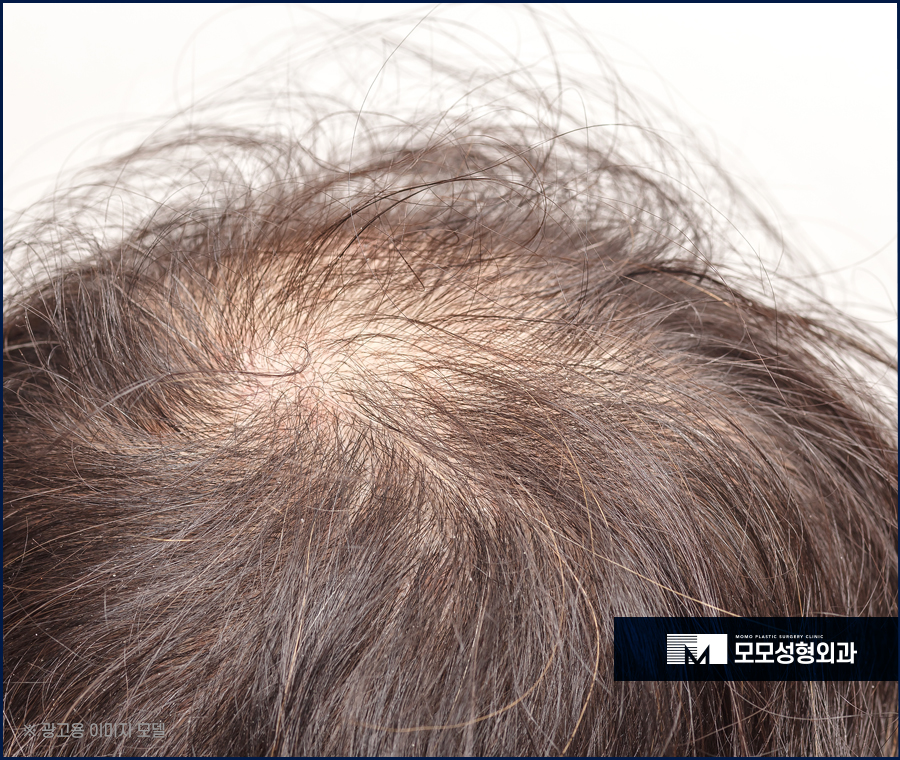
In the past, genetic tendencies were stronger, but these
days it is closely related to environmental factors as
well. Factors coming from outside, such as changes in
the amount of hormones secreted in our body, stress, and
others, affect hair health, and as a result, natural
hair is also stimulated.
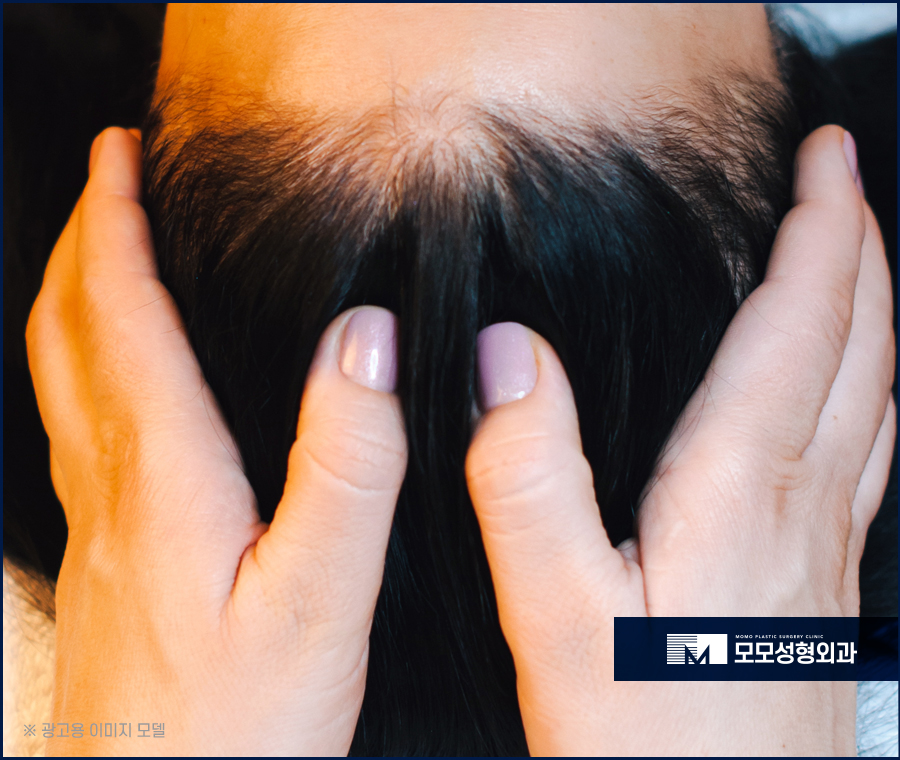
In the case of women, thinning hair can also appear when
oestrogen levels drop. As the growth rate of follicle
cells slows down, the thickness of the hair becomes
finer and the amount of hair decreases. Therefore, it is
best to improve excessive dieting, irregular lifestyle
habits, and accumulated fatigue.
In fact, if you leave thinning natural hair unattended,
it can lead to hair loss and eventually cause major
appearance-related problems. Therefore, you need to be
proactive in understanding the root cause and taking
action. In addition, using methods that have beneficial
effects can also be a good approach.

First, it is good to consume enough supplements and foods
that help hair growth, such as protein, omega-3, biotin,
and zinc. In addition, since scalp health also affects
the thickness of natural hair, it is good to continue
massaging the scalp and to keep it clean so that waste
materials do not accumulate.
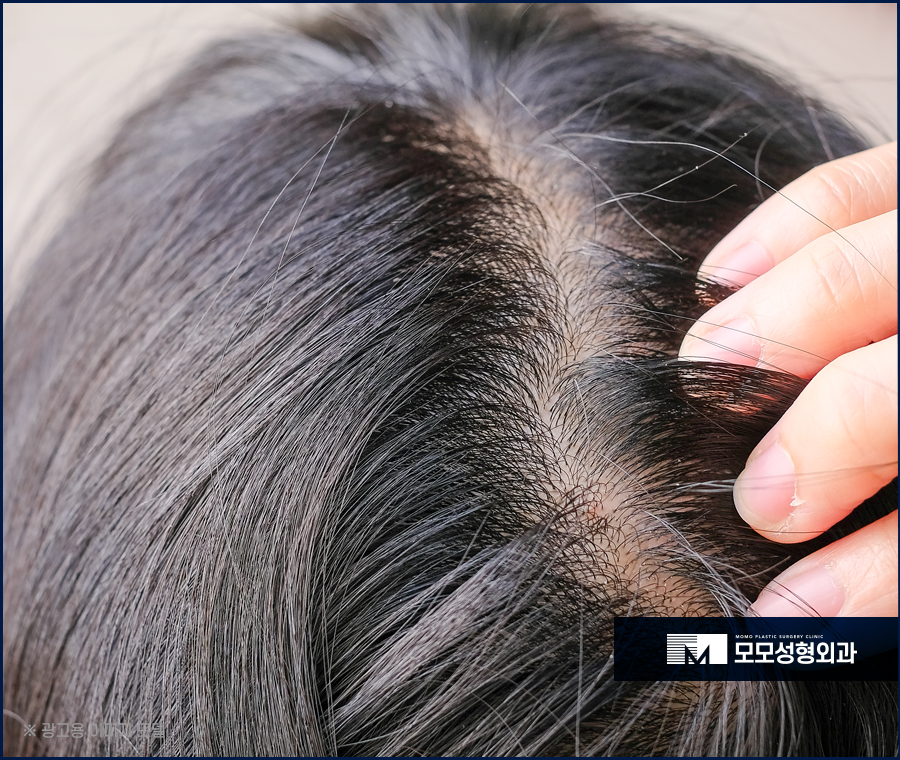
Also, if you maintain a hairstyle with a part, it is
better to change it in different ways. It is recommended
to drink enough water so that natural hair does not dry
out, and adjusting the indoor temperature and humidity
properly can also be beneficial, so please keep this in
mind and put it into practice.

So far, we have looked at the causes of thinning hair and
methods that can help make it thicker. This is not a
problem to take lightly, as it can potentially develop
into hair loss. Once hair falls out, it can later lead
to a serious level that is difficult to reverse, and it
can become hard to improve with simple measures. So if
you are worried about weak, limp natural hair, it is best
to take action proactively. If you want to identify the
cause more precisely and respond accordingly, visiting a
relevant institution can also be a good alternative.