The phenomenon of having an area that should naturally be covered by hair but is empty has now become a concern that anyone can experience, regardless of age. Due to various causes, including genetics, natural hair falls out, and the scalp becomes visibly exposed. Over time, the hair becomes thinner and hair growth no longer occurs, which can eventually lead to baldness.
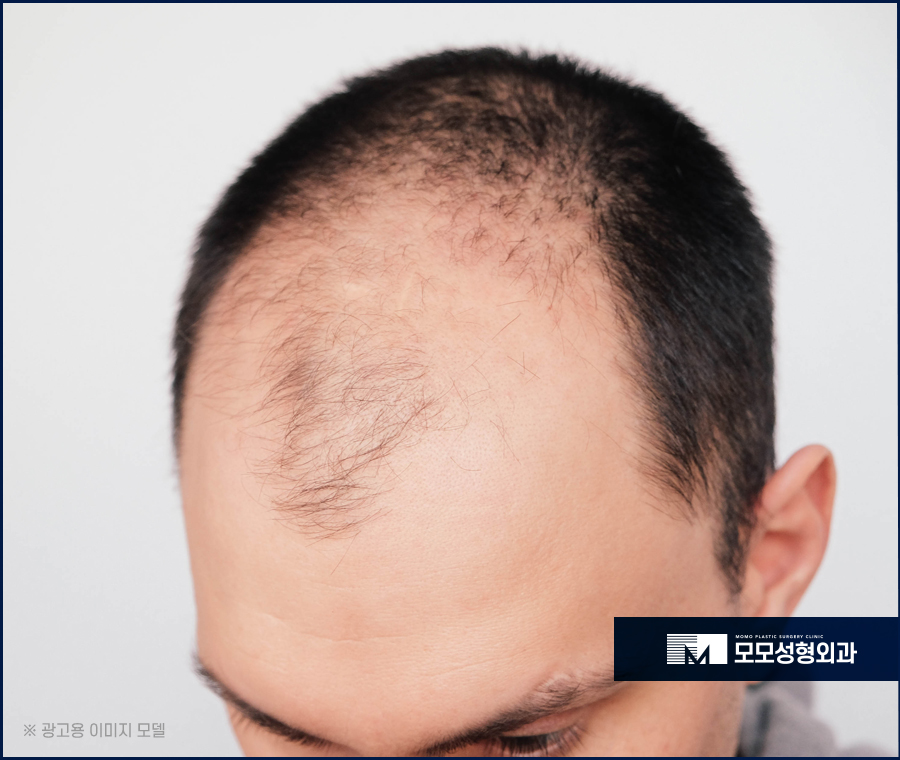
Although it is unrelated to physiological functions directly connected to life, it does not affect survival. However, in today’s world, where appearance matters, it becomes a major cosmetic issue, can cause problems in social life, and has a significant psychological impact. This can lower self-esteem and even damage quality of life.
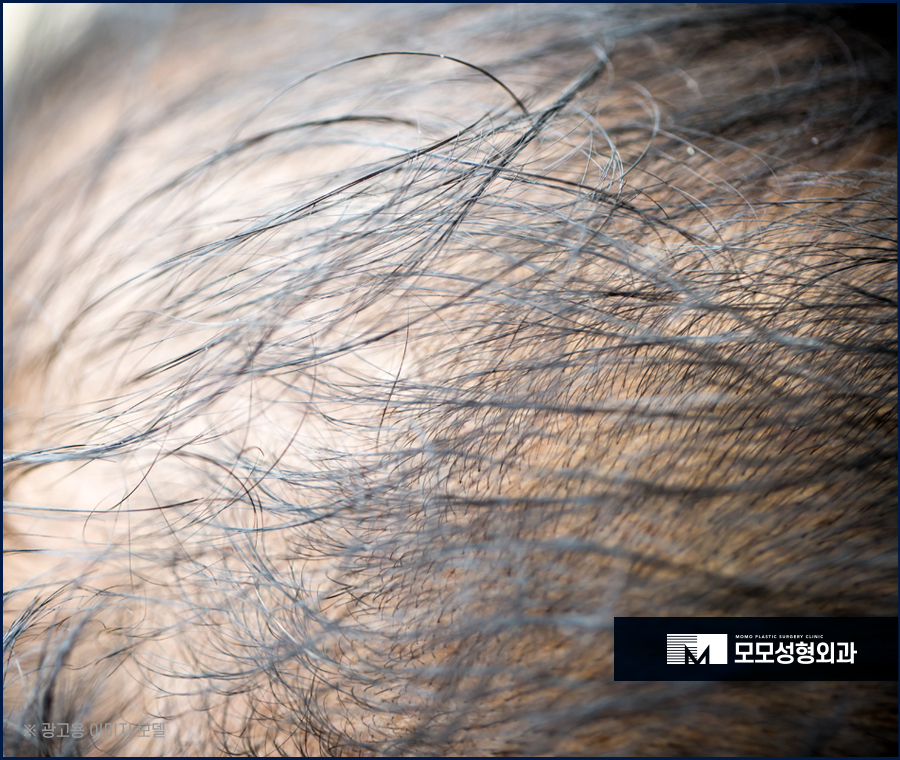
The normal number of hairs is about 100,000. Hair grows about 0.4 mm a day and about 1 cm a month, helping create a full hairstyle. As people get older, the number of follicles that continue to grow gradually decreases, which is why older people often have less hair. Normally, about 50 to 60 hairs fall out per day on average, but if more than 100 hairs are falling out, it may be time to suspect hair loss.

In general, hair is produced in a place called the hair follicle, and it periodically goes through active and resting phases. This may vary from person to person, but after shedding, it should grow again. However, if hair loss occurs, this process does not take place normally.
Factors that can influence it include congenital causes, stress, environmental factors, and more. For whatever reason, hair loss is something best avoided, and it is advisable for anyone to carefully check the current condition of their scalp and hair without exception.
If a problem does arise unavoidably, you may need to visit a strip hair transplant clinic and receive treatment that analyzes the cause and fills the empty areas. Empty areas can have a serious effect on appearance and can ultimately lead to various problems, so active improvement is considered advisable.
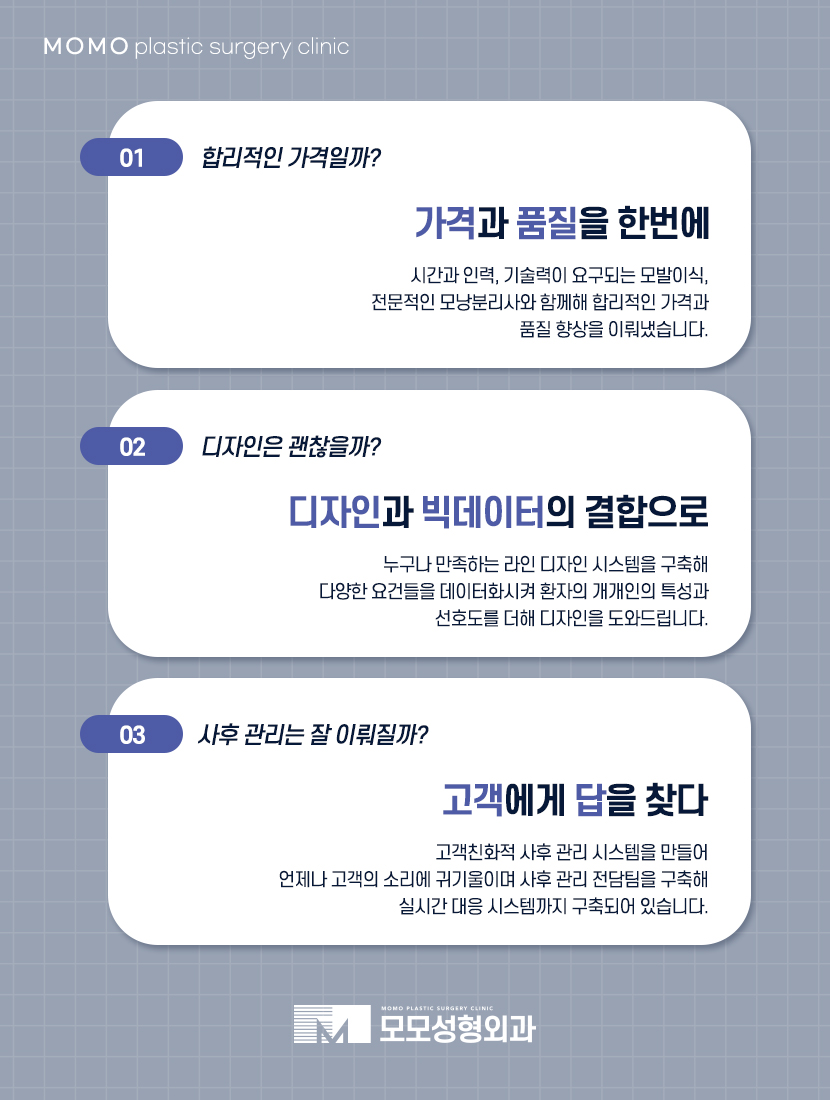
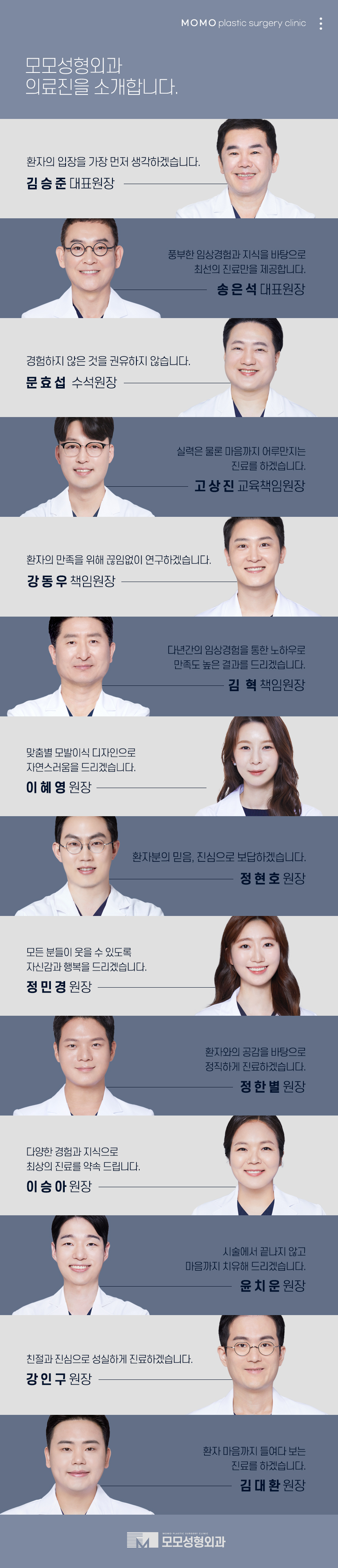
Recently, the number of people worried about hair loss has increased, and more people have been visiting strip hair transplant clinics. However, it is not easy to set a standard for which place to choose. You need to actively assess several points, such as whether the clinic has proper expertise, what system it operates under, whether it can perform delicate procedures to increase graft survival rates, and whether it provides thorough aftercare.
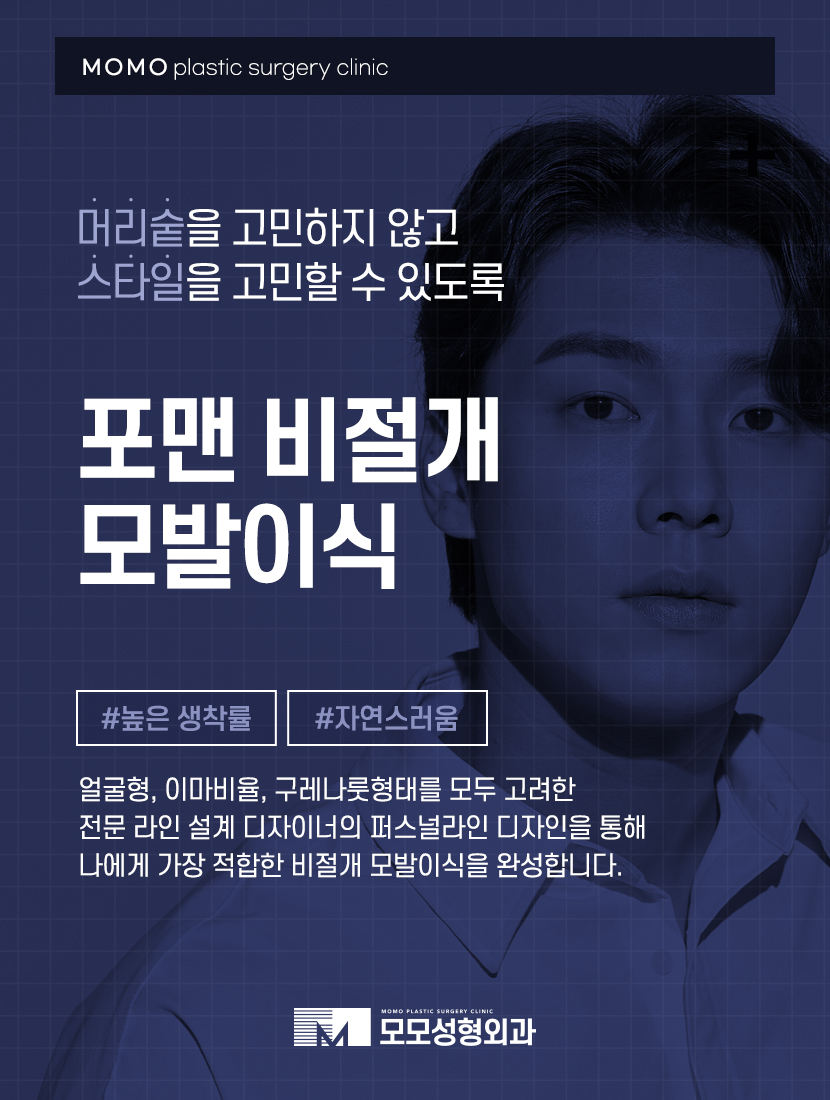
Recently, it is also evident that non-incision methods are being widely used. In fact, many people who look into strip hair transplant clinics end up switching to a non-incision method. While it is possible to choose on your own and set a treatment direction based on your needs, the most important thing is the current condition and the scope of the procedure. Therefore, it is better to decide which option is appropriate after diagnosing the condition with the responsible doctor at the relevant medical institution.

If the area that needs to be filled is wide, the density has dropped significantly, or the scalp condition is poor, visiting a strip hair transplant clinic may be appropriate. However, if you do not know your current situation and need a consultation first, a relevant medical institution that can also perform non-incision procedures may be suitable. Rather than setting a standard that one method is absolutely superior, it would be better for achieving a high level of satisfaction to establish a treatment plan based on the current situation and conditions.
In general, a strip-based approach may be appropriate for those who need a stable, high-volume procedure, those with sparse hair in the back of the head, or those whose natural hair loss is progressing quickly.
Perhaps for those looking into strip hair transplant clinics, concerns about scarring and pain are very significant. Therefore, you may want to consider the Single Lock method, which sutures down to the subcutaneous tissue, or the Double Lock method, which preserves the follicular cell area during suturing. These methods are thought to help reduce concerns about pain and scarring.
In fact, the part that people considering hair transplant surgery are most concerned about is whether they will ultimately be able to achieve a full-looking result. At this time, the most important factor is stable graft survival, so you should carefully examine whether the clinic is a strip hair transplant clinic capable of delicate procedures.
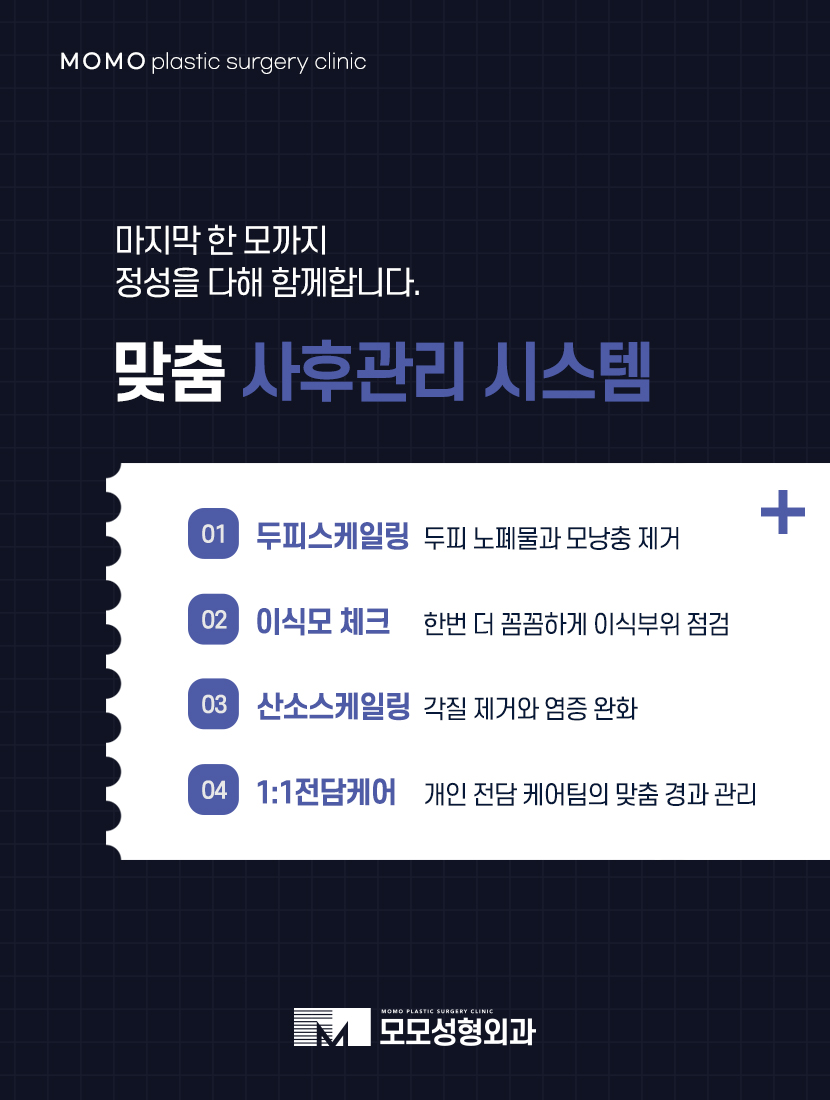
In addition, the outcome can also be affected by how care and aftercare are handled after the surgery, so you should also determine whether the clinic makes sincere efforts all the way through to ensure excellent results. Since the existence of such a program is important, please be sure to consider how the aftercare system is operated.
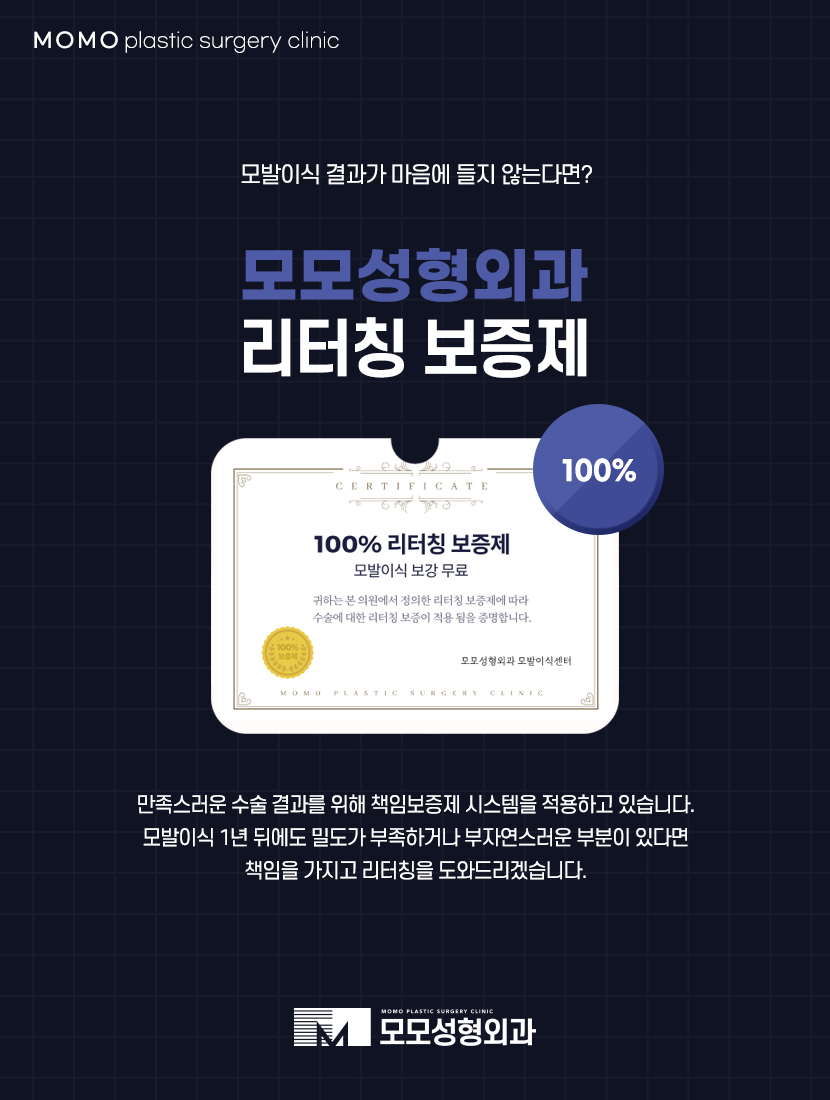
If the results afterward are not satisfying, checking whether retouching is provided to guide the outcome toward a better result will help create a more pleasing recovery.