
In the past, hair loss was often considered a condition that affected only middle-aged or older men.
But these days, it is a problem that can affect people of all ages and genders. As more people try to improve their appearance and style and develop themselves in a better direction, they also pay attention to scalp and hair health, so it is natural to worry when such a problem arises.
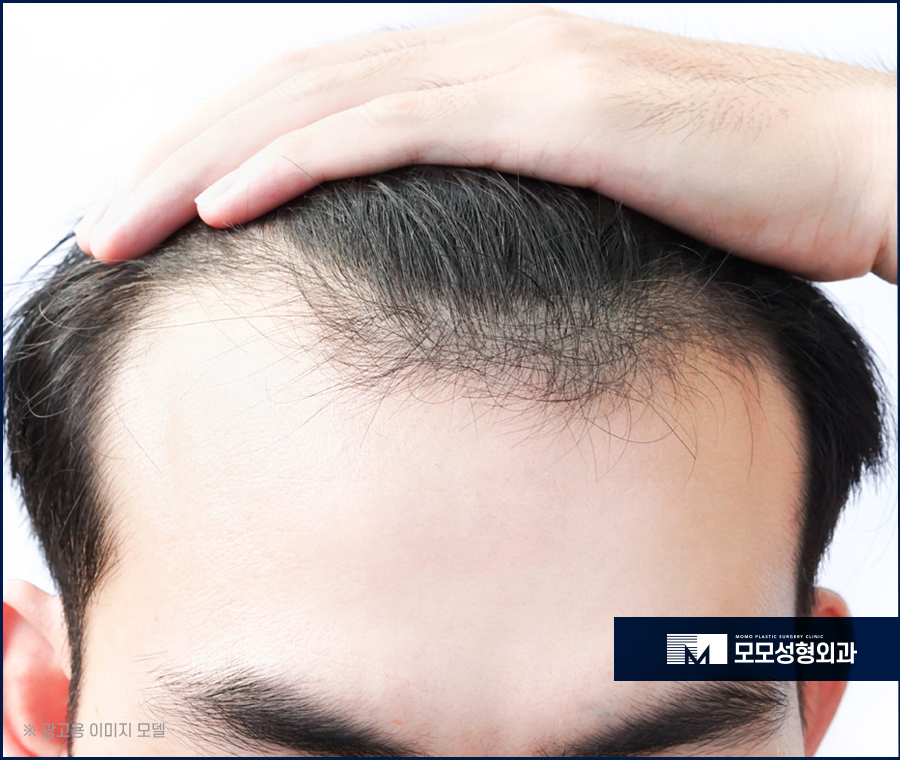
It can occur not only in middle-aged and older adults, but also in young people in their 20s and 30s, as well as teenagers. Women can also experience it. Among the various types, it is a common form, and many people look into an m-shaped hair loss clinic and visit in person to receive treatment.
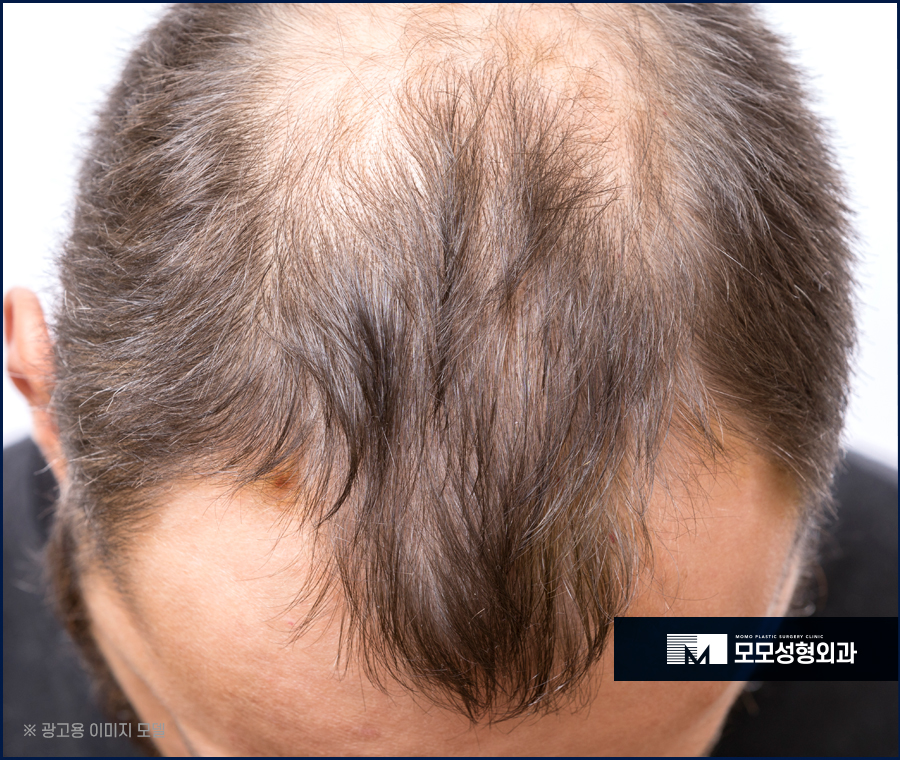
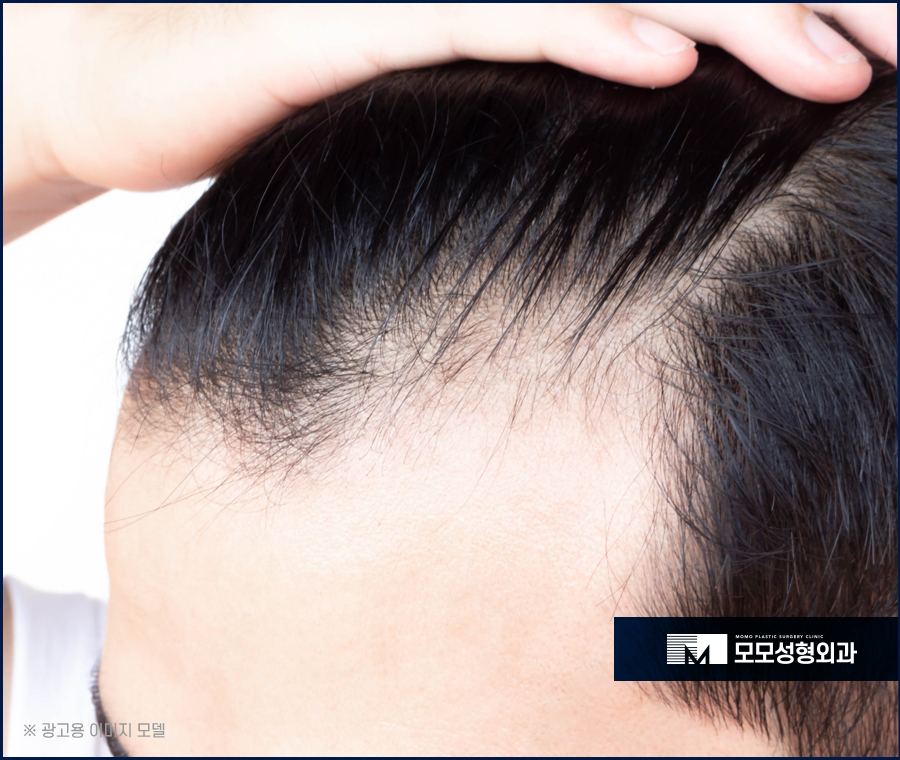
Hair shedding is generally a natural symptom that occurs normally. Usually, about 80 to 100 hairs fall out per day. However, if you can visibly see more hair falling than usual, or if the number of hairs lost after sleeping and waking up has increased compared with before, it may be a good idea to suspect a problem. If the thickness of the hair becomes thinner, it may also be necessary to visit an m-shaped hair loss clinic and get examined. In the early stage, the hair begins to fall from the ends of the forehead in a shape similar to an M, and gradually widens.
After that, the hairline gradually recedes backward and expands toward the crown. In particular, women often experience it along the part line or around the crown, and it can lead to a reduction in hair volume. In the end, this kind of problem can cause a drop in confidence, along with a lot of stress and complexes.
The causes of this condition include not only genetic factors, but also environmental issues, stress, fatigue, and irregular daily routines or eating habits. If it is caused by stress, habits, or environmental factors, recovery may be possible simply by correcting those aspects. However, if no significant improvement appears even with that approach, it can become a major concern.
So patients dealing with this issue often wear hats or wigs to cover it up, or hope for improvement by using functional shampoos and other products. If improvement does occur, that is fortunate, but there are many cases where the effect is limited or only temporary. For a fundamental solution, some people visit an m-shaped hair loss clinic and hope to improve through transplantation.
Although the conditions may all look similar, the types can differ. When performing transplantation, it is important to consider the design and the amount being carried out, and not just fill in the empty areas, but also think about overall harmony with the other natural hair.

Therefore, treatment should be carried out with a personalized line design that takes into account the face shape, the proportion of the forehead, and even the shape of the sideburns, so that the most suitable plan is chosen and a good result can be achieved. If you are looking for an m-shaped hair loss clinic, it may be a good idea to check these aspects.
The transplantation method can also be divided into incision and non-incision methods. They can be classified according to how the follicular units in the scalp are collected. The former method involves making an incision in part of the scalp to obtain tissue and transplant it. It is suitable in cases where the affected area is extensive and a large amount is needed. Patients looking into an m-shaped hair loss clinic often consider the non-incision method as well.
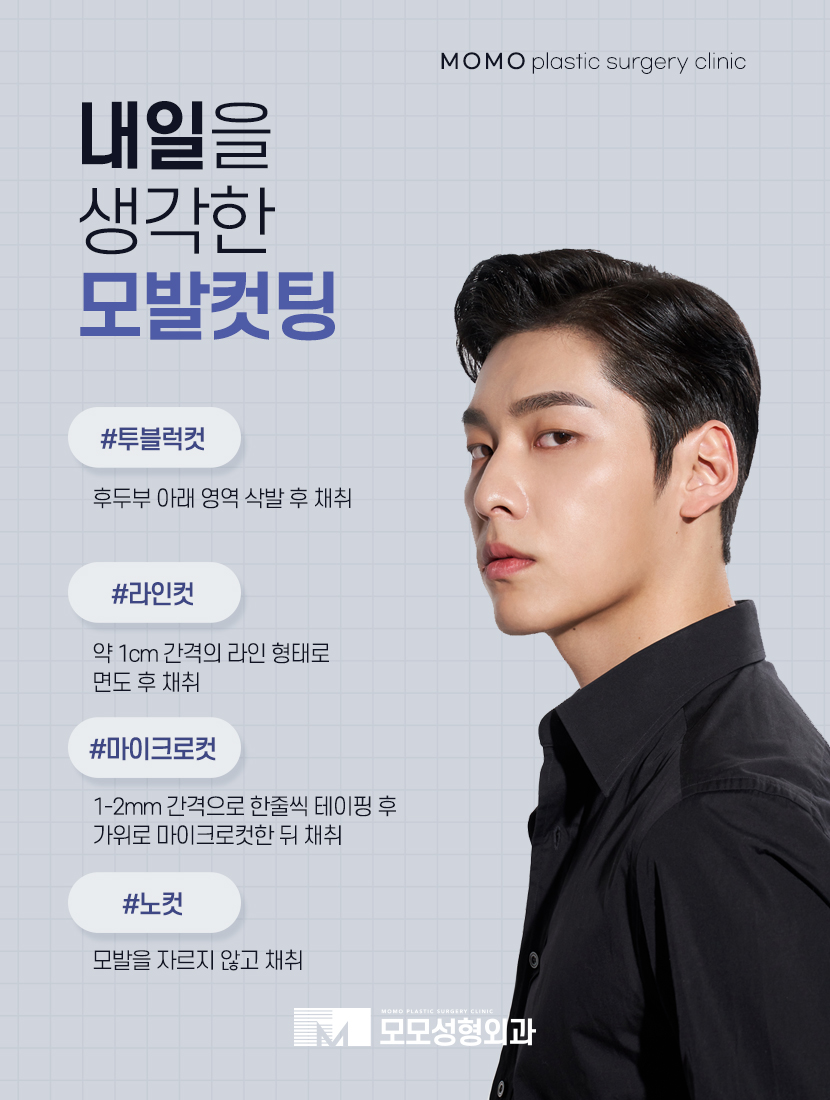
Because this method extracts follicular units one by one without cutting the skin, it can reduce concerns about scalp damage, bleeding, pain, and later side effects. The recovery period is also relatively short, so many people prefer it.

However, since the treatment itself takes a long time, and in some cases the incision method may be more suitable depending on the patient's condition, it can be important to check whether the clinic conducts a detailed diagnosis and analysis before visiting an m-shaped hair loss clinic, evaluates the situation from various angles, and establishes an appropriate treatment plan.
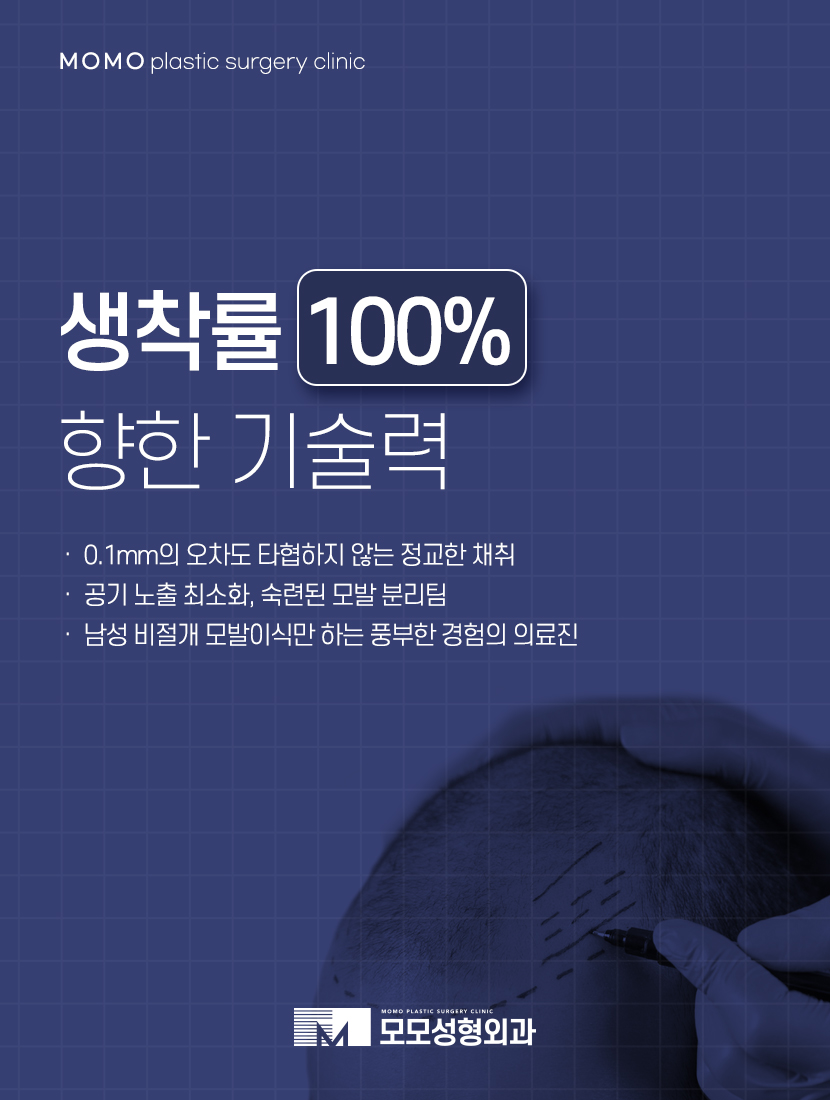
Just as each person's physical condition and characteristics differ, symptoms, types, and manifestations also vary. Therefore, rather than a standardized treatment method, customized treatment is needed to expect good results. Along with checking these aspects, you should also pay close attention to graft survival rate. This refers to the probability that the transplanted natural hair will grow naturally in the newly settled area. The higher it is, the fuller and denser the hair can be, so it is a key factor.
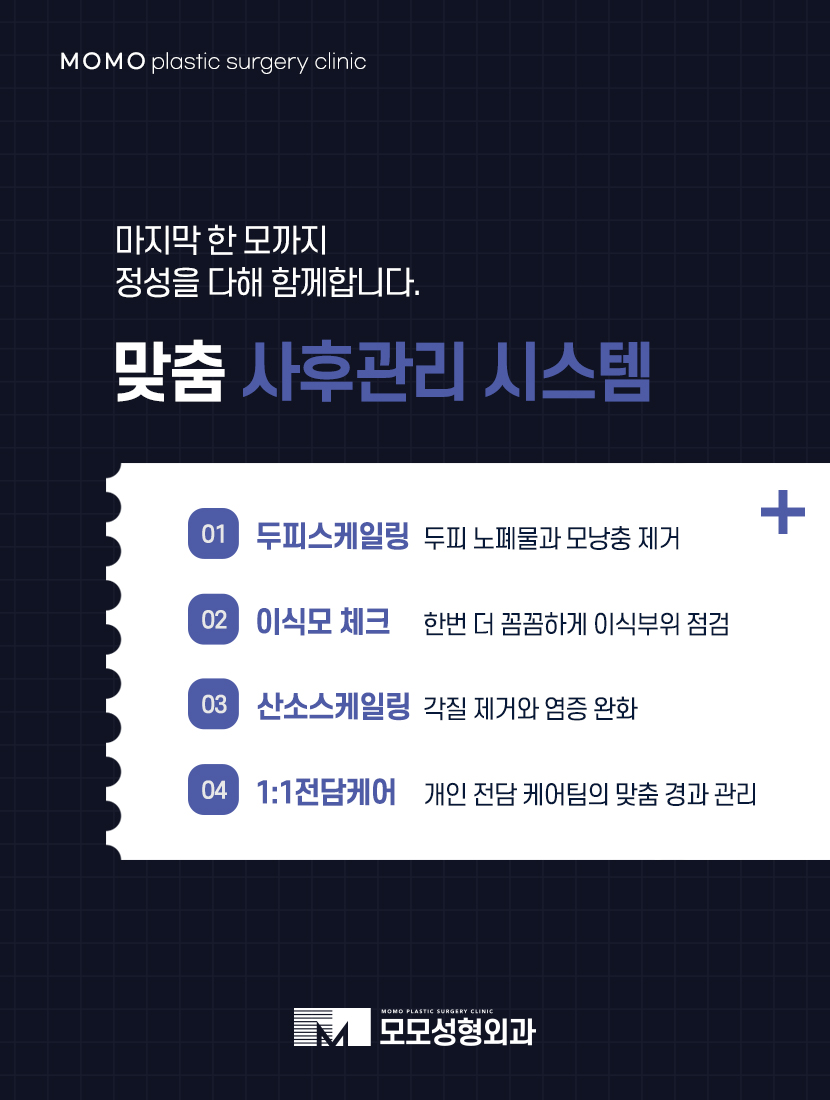
Since the transplanted tissue does not necessarily take root, the result can depend on the experience and skill of the doctor performing the procedure. For that reason, it may be better to work with a doctor who has extensive experience and strong capabilities. After treatment, thorough post-care is also essential, because only then can the desired result be achieved. By carefully examining each point and making a decision, you can obtain natural-looking hair. For a fundamental solution, I hope you will carefully choose a clinic or hospital based on the conditions explained above.