Every woman wants to create an image that is beautiful and aesthetically pleasing.
To make facial features look more defined,
various procedures may be used to change them,
but what determines the overall finish is probably the hairstyle.
As the saying goes, for men, it’s all about the hair,
hair has a huge impact on appearance, so if thinning
or sparse areas appear, the image is affected just as much.

If the crown area becomes visibly sparse, a wig
may be used, but if the hairline near the forehead recedes
and hair falls out, people often pull hair from the back
and bring it forward or use bangs to cover it.
Perhaps because of this, they end up stubbornly sticking only to styles that cover the forehead,
and may not be able to try a variety of hairstyles.
In an era that values individuality and personal taste,
this can become a major source of stress.

If the forehead line is naturally set back,
or if the upper part looks uneven due to hair loss,
various methods may be considered to reinforce and improve it.
Women in their younger years especially have even greater concerns.
In such cases, some people may try filling it in with tattooing,
but since that approach is more about concealment than solving the underlying cause,
hairline transplantation is often considered as a way to address the problem itself
through female hairline correction.
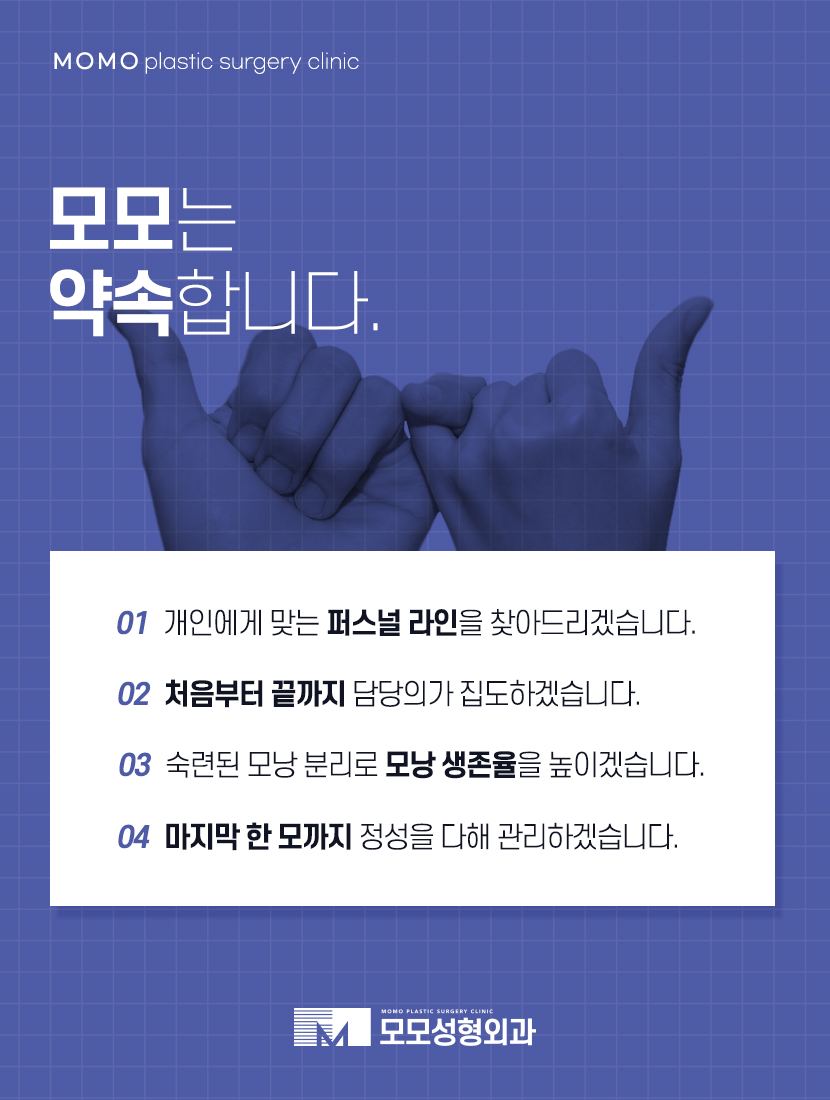
The transplantation procedure used for female hairline correction
is, quite literally, a method of filling in the empty areas.
It can be said to involve designing the shape to match the proportions
of the face and facial features, then filling in the gaps.
If natural hair loss has occurred due to acquired causes,
a follicle is implanted where the hair once was to encourage regrowth.
Because of this, a natural and dense change in the hairline
can be expected.

The treatment process involves collecting hair from the back of the head,
which is hidden by long hair, and transplanting it to the areas that need reinforcement,
completing a natural and attractive female hairline correction.
After designing the hairline while considering various factors,
including the face line, the procedure is performed to lower or narrow the forehead line,
creating a beautiful face shape and forehead width.
As a result, satisfaction is much higher than before.
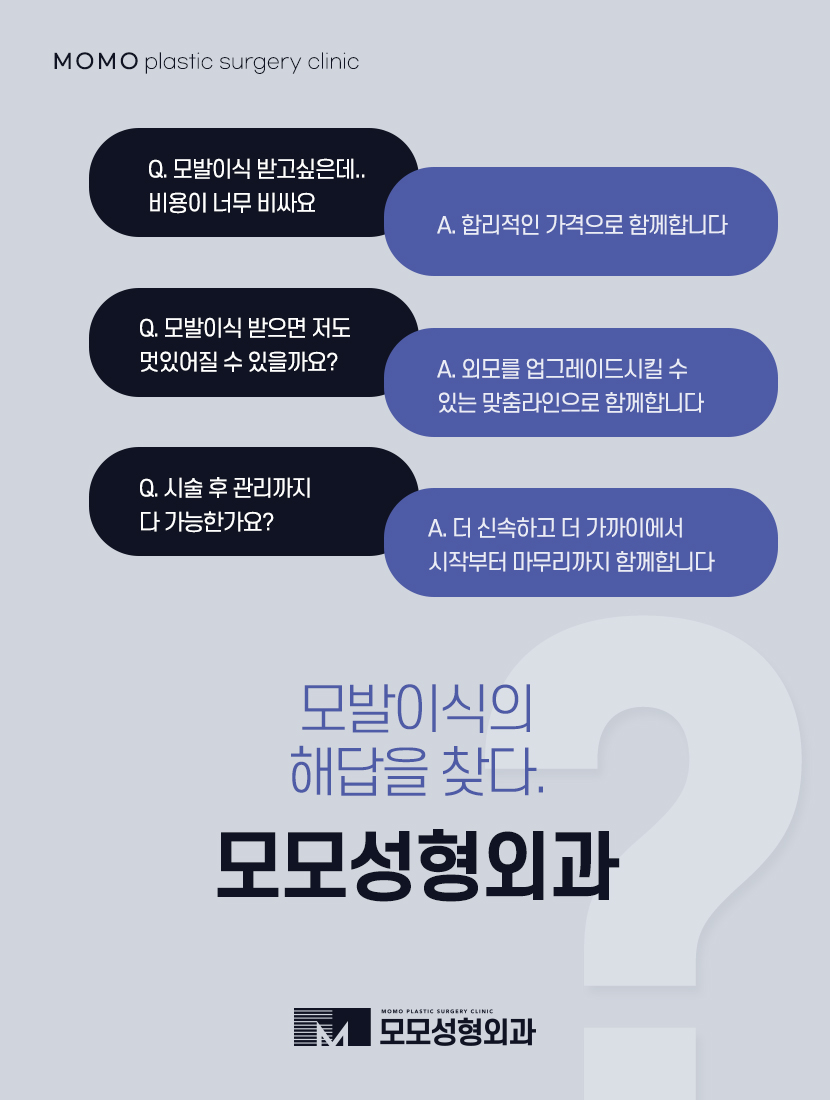
In addition, because the process involves collecting and transplanting one's own hair,
concerns about side effects are relatively low,
and natural results can also be expected.
For this reason, many men also undergo the procedure, which can help them achieve a more favorable impression.

As medical techniques have advanced significantly compared with the past,
more people have recently been applying this method,
and many have achieved successful outcomes.
However, because it requires a high level of skill,
it is better to visit a related institution with a technically strong system,
and it is also advisable to carefully check the capabilities of the medical staff.
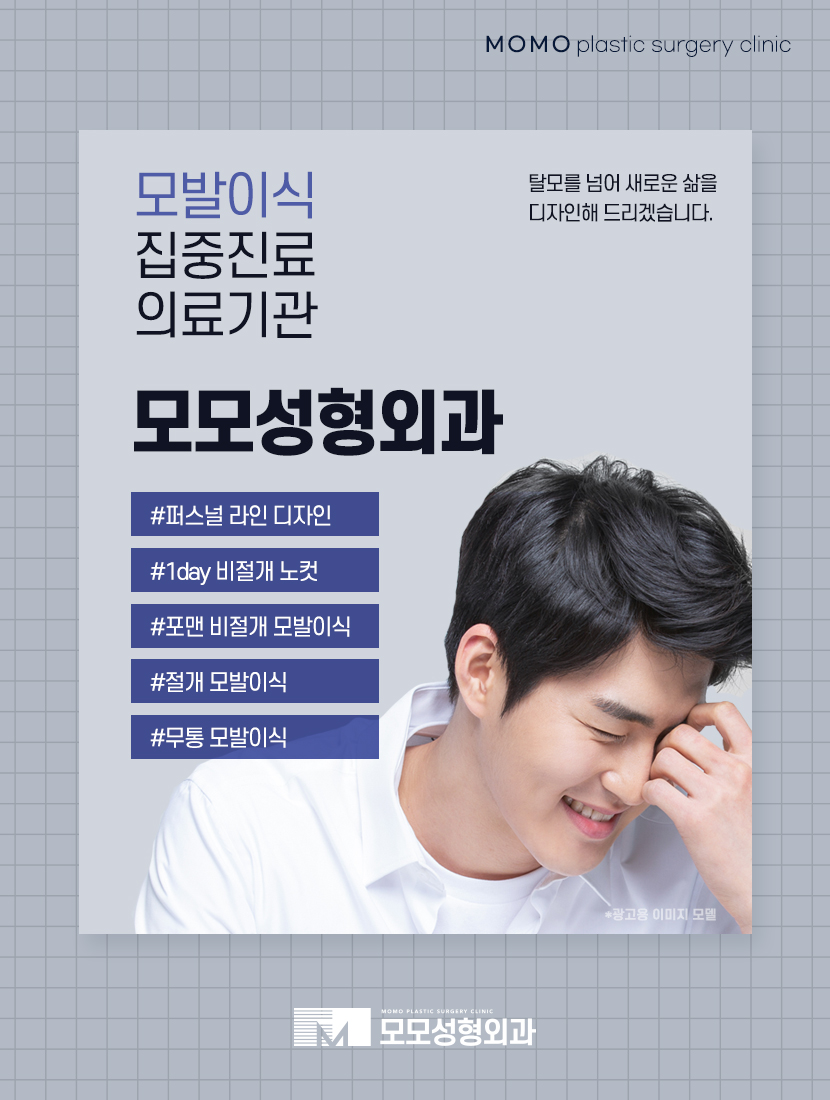
This is because density, naturalness, age group, and image
must all be considered.
There is an expected level each person considers and hopes for,
and to meet that level, it is best to check each detail carefully.
There are incision and non-incision methods for female hairline correction,
but if you want faster recovery and less pain,
the non-incision method may be appropriate.
Although the procedure itself may take longer than the incision method,
it can shorten recovery time, so even office workers and others
who do not have much spare time have recently been actively looking into it.
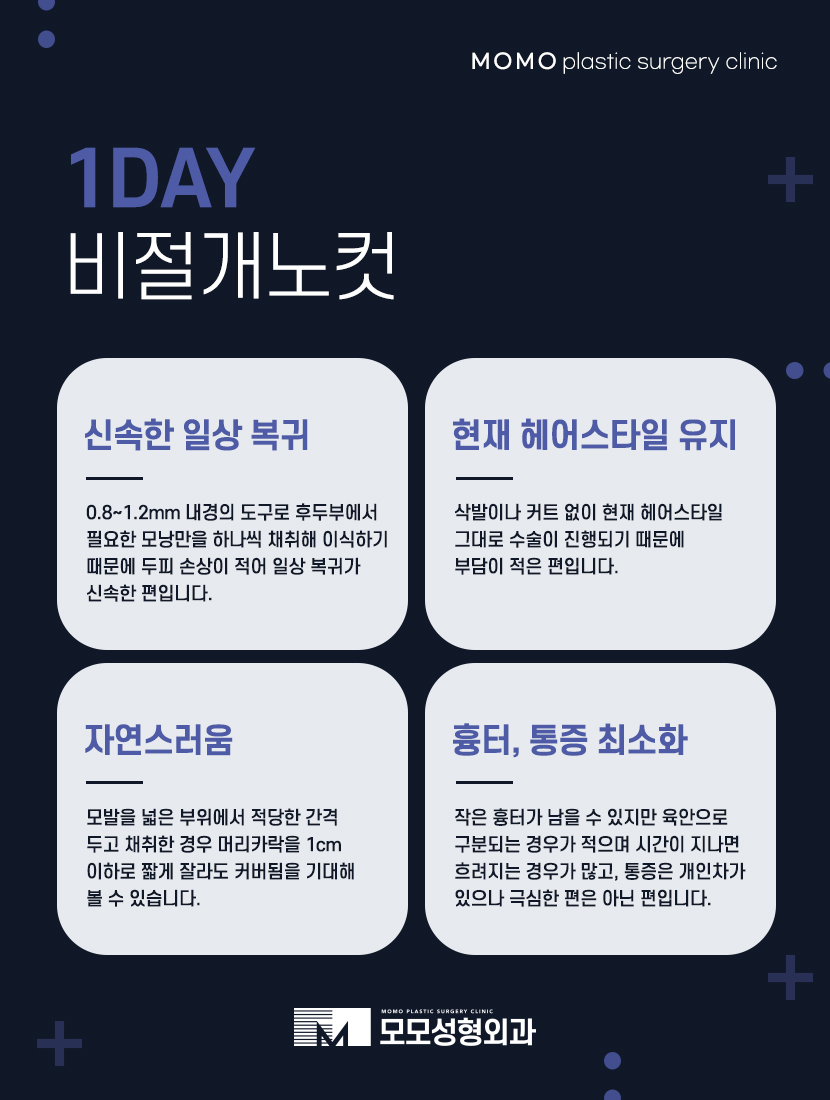
Recently, to consider the convenience of such people,
the one-day no-cut procedure has also appeared.
With this, you can expect changes more quickly.
If a hair cut feels burdensome, alternatives can also be arranged to fit the situation,
so if you need female hairline correction or are considering reinforcement,
it would be advisable to visit a related institution and receive a consultation first.
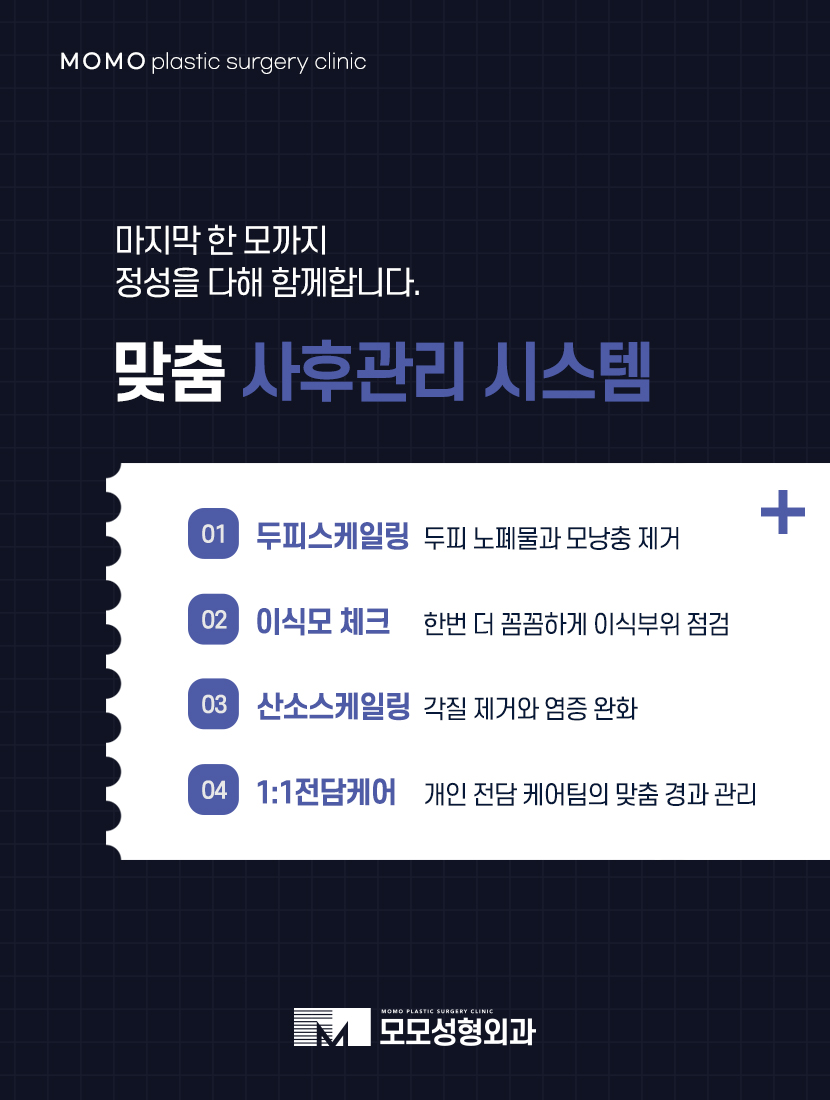
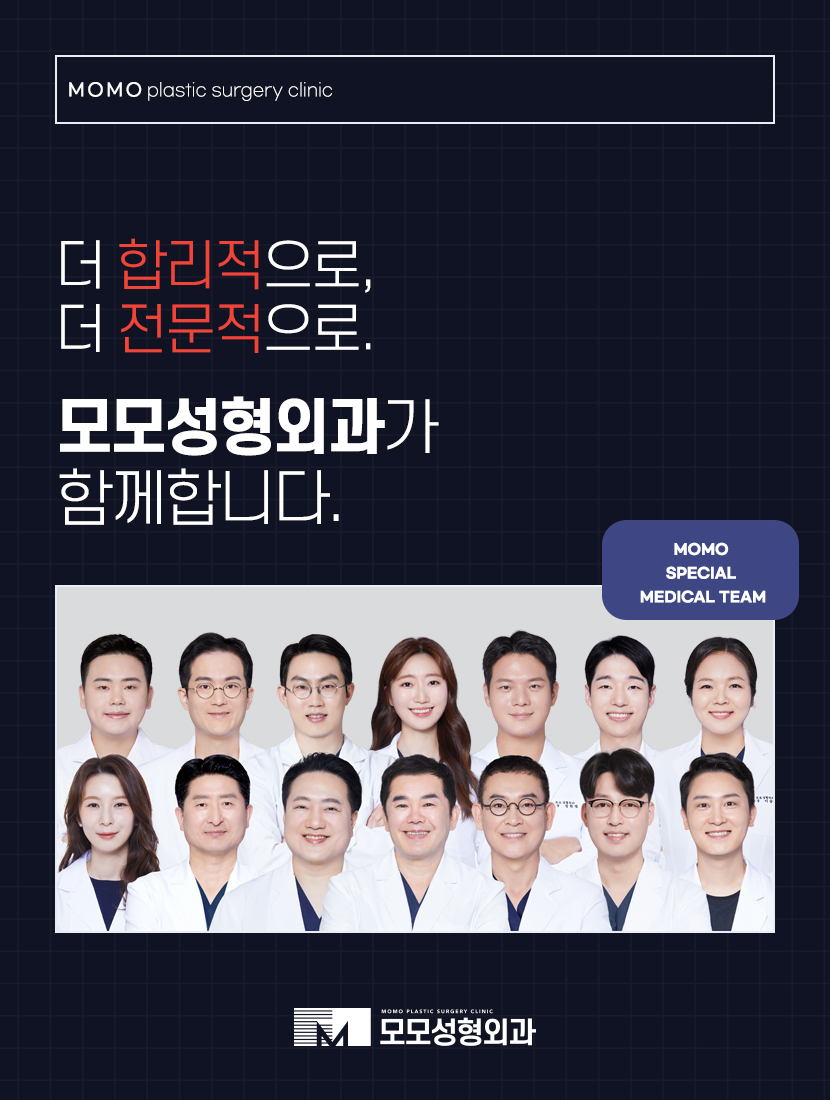
While checking whether the doctor’s skill and experience are sufficient,
and looking into the various treatment systems and available solutions,
since hair transplantation is a procedure where graft survival rate is important,
if you carefully confirm all the details, including what kind of care will be provided afterward,
your satisfaction with the outcome will increase accordingly.
Recently, spring yellow dust and fine dust have been penetrating the hair roots,
blocking scalp respiration and even causing inflammation,
which is interfering with the normal growth of natural hair.
At this time, the chance of hair loss also increases,
so rather than assuming that you are an exception,
we recommend taking an active preventive approach to care.
Every woman wants to have a pretty hairline.
If it is lacking or sparse, reinforcing it through female hairline correction
can help create a more complete appearance,
which may also improve quality of life and increase confidence.