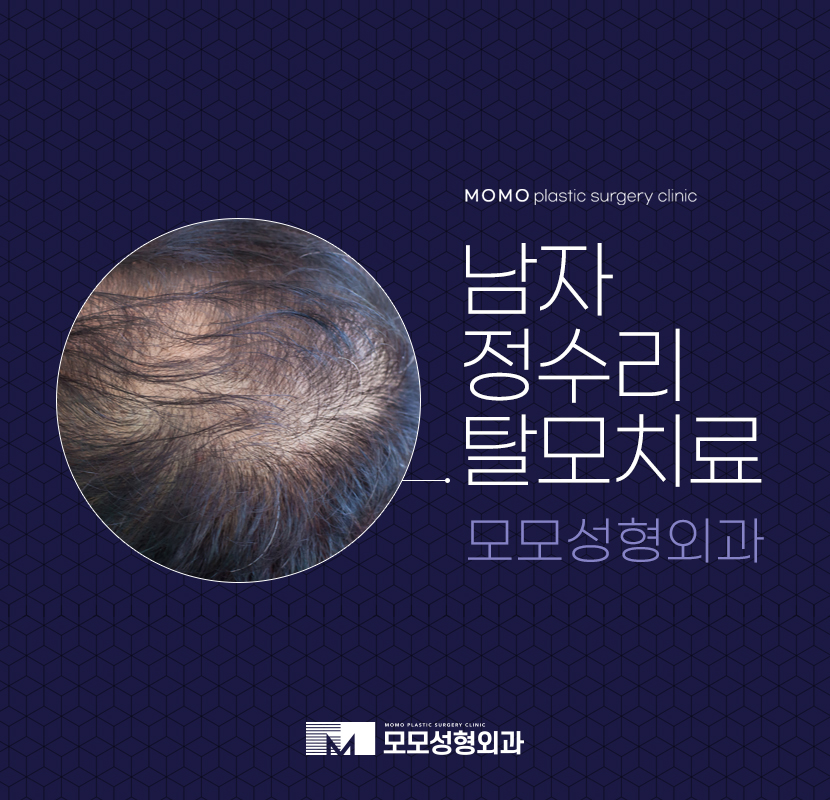
As the season shifts into spring, the temperature warms up and
at the same time, the air also becomes drier.
In situations where humidity drops, the moisture in the skin
is gradually taken away, causing the capillaries in the scalp to
contract. As a result, the amount of oxygen and nutrients supplied
decreases, weakening the strength of the hair. For those who
already have hair loss symptoms, the condition may worsen, and
even people without symptoms may suddenly experience hair
loss, so we recommend carefully checking the condition of your
natural hair.
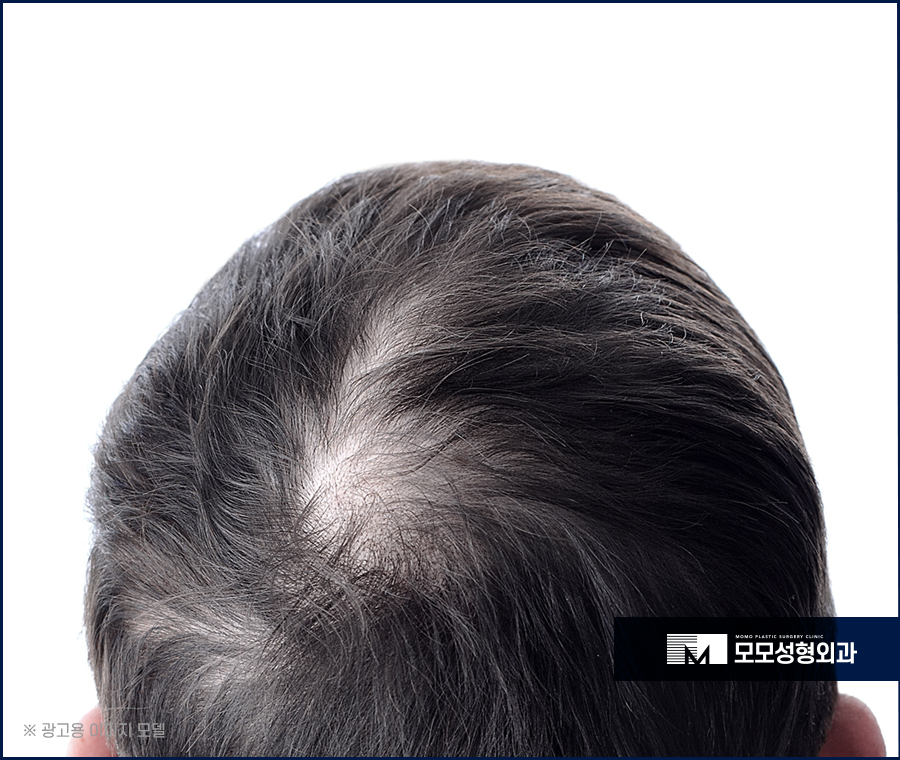
The problem of hair loss does not recover over time;
instead, it tends to spread gradually. If you do not take
proper action and leave it untreated, it can become difficult
to recover from. In the past, this condition was thought to
be the exclusive concern of middle-aged and older men, but
today it can be seen in younger age groups as well, regardless
of age.
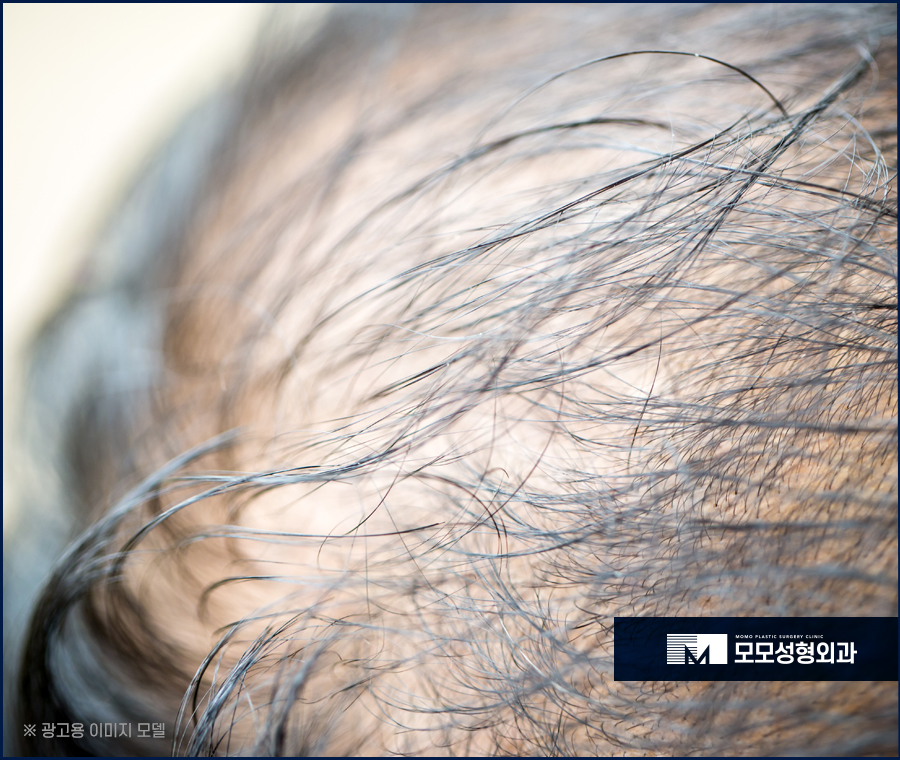
However, many younger patients know that something is wrong
but still leave it alone. Later, only after the symptoms become
more severe do they begin looking for ways to respond. If
improvement is difficult, it can lower confidence and create a
negative impression, eventually becoming a complex.
It may be better to take appropriate measures when it is first
detected, but applying unverified folk remedies can actually
worsen the symptoms of the condition. Therefore, it may be
better to receive an accurate diagnosis through a relevant
medical institution and proceed with medication or treatment.
In general, the condition can be classified by the area where
it appears, and today we will look at male crown hair loss
treatment among them.

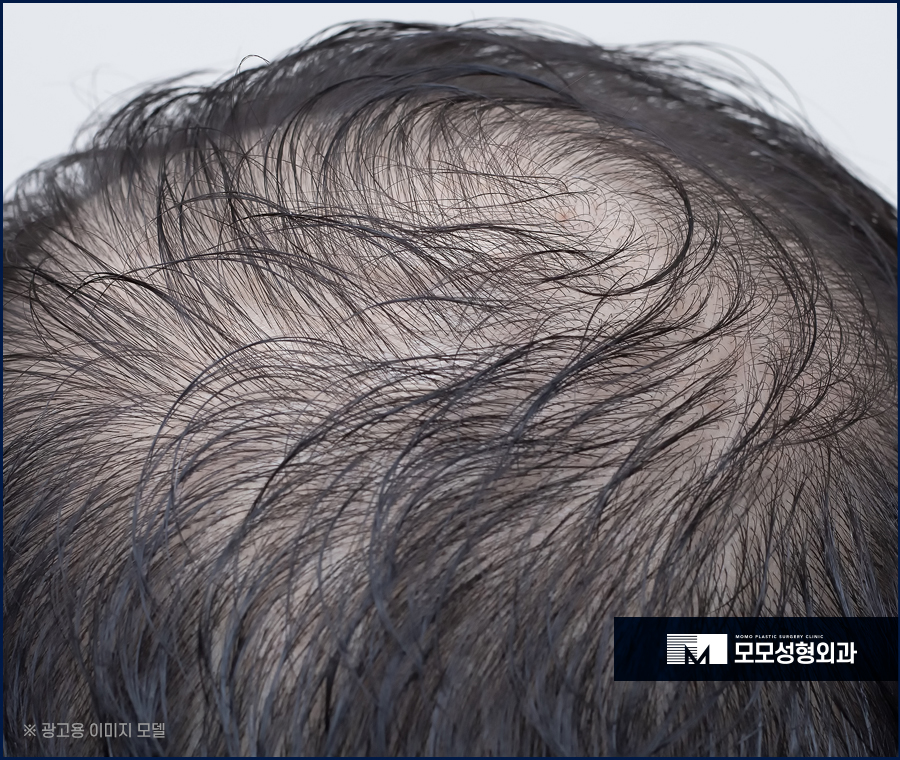
In men, hair tends to be more likely to fall out around the crown
and both sides of the forehead. To prevent symptoms and
maintain healthy hair, consistent care is of course important,
but it may also be helpful to identify the cause of the symptoms.
First, hereditary cases can occur because DHT, produced when the
male hormone testosterone combines with 5-alpha reductase,
affects the tissue. Since the areas where this enzyme is activated
are the front or center parts, symptoms can appear quickly.
As explained above, hereditary factors used to account for most
cases, but these days there are also many cases caused by acquired
factors. These include various causes such as irregular lifestyle
habits, severe stress, and accumulated fatigue. These factors can
disrupt the body's hormonal balance, and if hereditary tendencies
are also present, symptoms may become severe. Therefore, if you
visit a clinic and receive male crown hair loss treatment, it is
important to look for the cause and, if the reason is acquired,
make efforts to correct those issues as well for better results.
When undergoing male crown hair loss treatment, taking medication
can cause side effects depending on the patient, so rather than
judging on your own, it is important to proceed based on the
attending physician's definite diagnosis and opinion. Side effects
that occur through the appropriate use of medication suited to the
patient are generally said to have a probability of 0.2–3%, and it
is advisable to proceed with treatment through a relevant medical
institution.
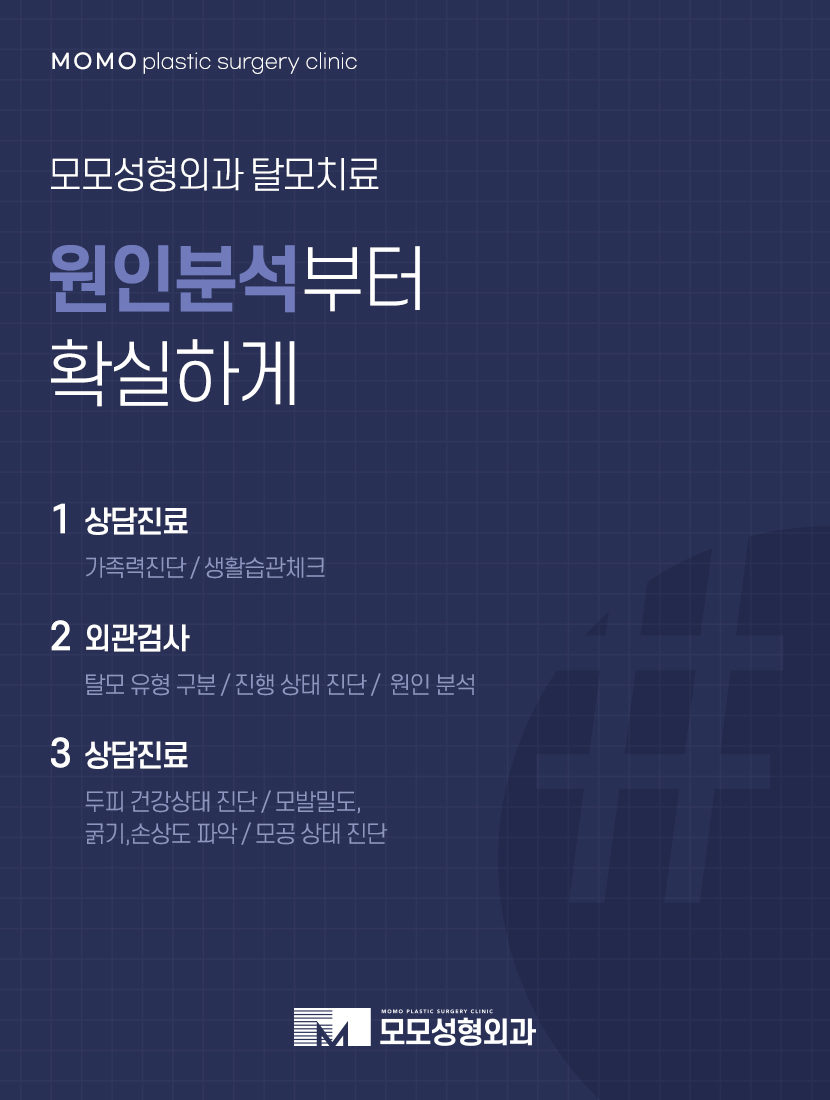
Because the method of male crown hair loss treatment can vary
depending on various factors such as the patient's current condition,
the cause, and the characteristics of the scalp, a detailed
examination based on the attending physician's thorough diagnosis
and consultation can be the starting point for planning a fundamental
solution.
These days, as more people prefer immediate results, many are
seeking a transplant-based method. Because it is performed by
using your own hair and implanting it in the desired area, it can
be a way to reduce concerns about side effects.
In the past, tissue was harvested using a method that involved
incising the scalp, but these days there is also a process of
obtaining follicles one by one and implanting them without excising
the skin. This has the advantage of causing less scarring and pain
and being less noticeable. Since each method has its own merits,
it may be best to decide in detail through consultation with the
attending physician.

Because there is a high possibility that follicles may be damaged
when harvesting tissue, this is a method that requires delicate
technical skill. If you are looking into clinics for male crown hair
loss treatment, I think it is important to choose one with an
experienced follicular unit extraction team and a doctor who has
extensive experience, know-how, and excellent skills based on many
cases, as this can be expected to lead to a high graft survival rate
and good prognosis. Procedures using better methods than before are
continuously emerging, and there are various ways to improve the
problem and create a stylish hairstyle. Rather than feeling stressed
by falling natural hair, if you find and carry out a method for recovery,
you can expect a high level of satisfaction.

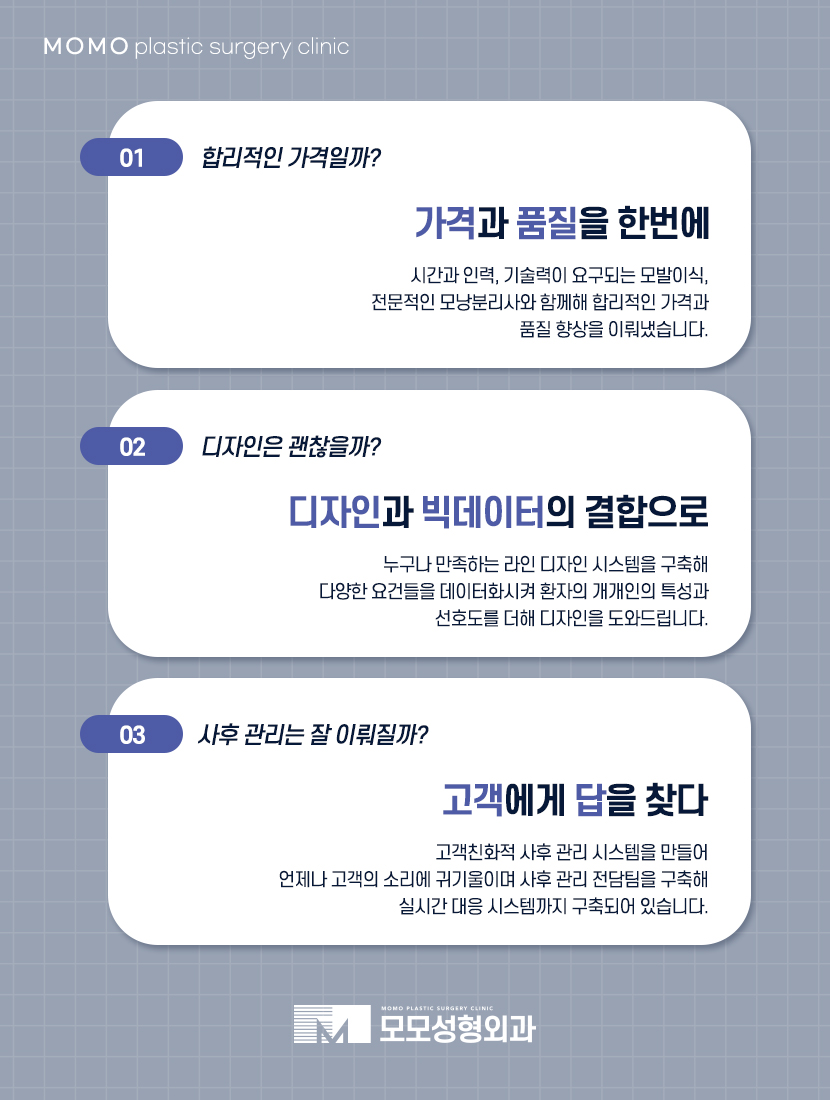
Another thing to check when trying to receive male crown hair loss
treatment is whether the institution operates a systematic aftercare
program. What determines the result is the graft survival rate, and
this can depend on how carefully the area was managed after the
procedure. Therefore, through such a program, it is important to keep
continuous attention and take appropriate measures so that no problems
arise in the transplanted area and the tissue can settle stably.
Also, if there are areas with insufficient density or unnatural-looking
areas after some time has passed, it is important to carefully look
for a relevant institution that guarantees retouching and fills in
those areas delicately.