These days are often called the era of 10 million people experiencing hair loss.
Now, one out of every five people in Korea
has symptoms. In the past,
it was mostly caused by heredity or hormones,
but now it appears due to a variety of
factors, so it can no longer be limited to
just one reason. It has become a symptom
that anyone should be concerned about and
stay alert to.
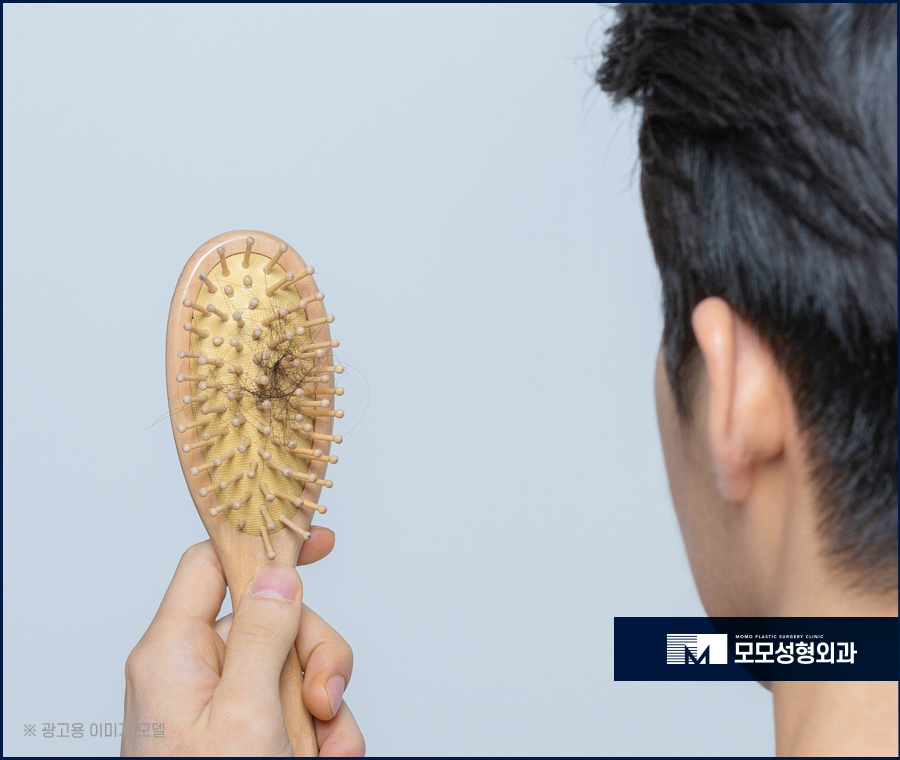
Moreover, during the spring season, when the weather
changes, strong winds and extremely dry conditions
can also expose people to hair loss, so you need
to pay attention. Weather with large temperature
differences disrupts the oil-and-moisture balance
of the scalp, which can trigger symptoms that were
not there before, as well as accelerate existing
symptoms.
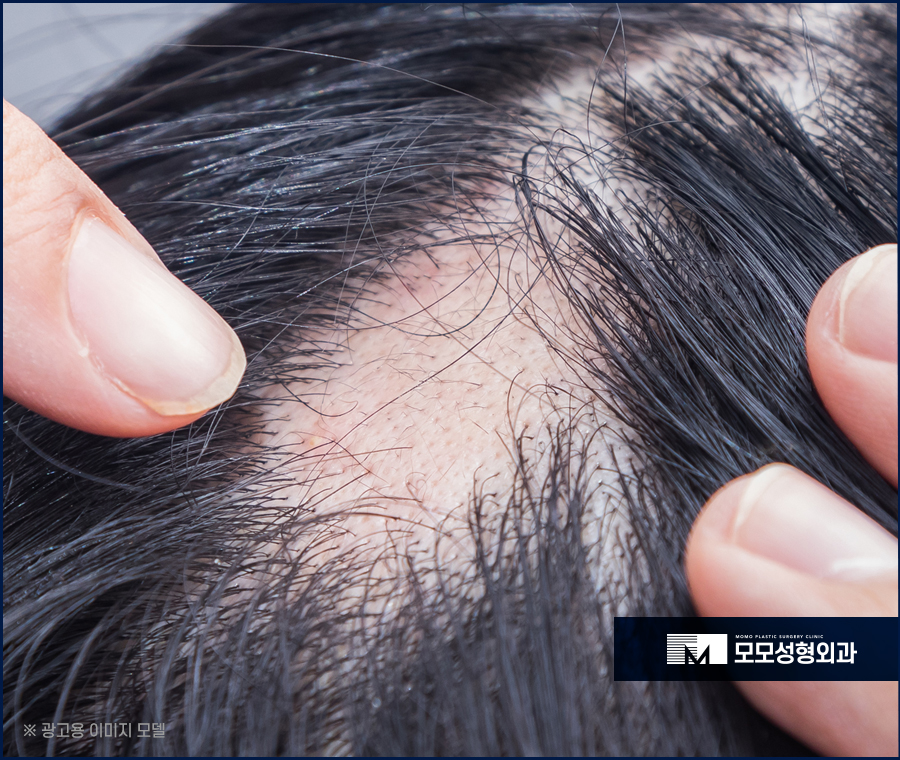
In addition, because the sky is clear and UV rays are
strong, the scalp as well as the skin can become
irritated, so this is also a situation that requires
greater caution. On top of that, these days, with
fine dust and yellow dust active, the health of natural
hair can easily worsen, so you need to pay even more
attention to care.
The heavy metals contained in yellow dust directly
stimulate and damage hair follicles, and as sebum and
yellow dust mix together, they threaten scalp health.
Because nutrient supply to natural hair is not smooth,
the phenomenon of hair falling out inevitably becomes
more severe.
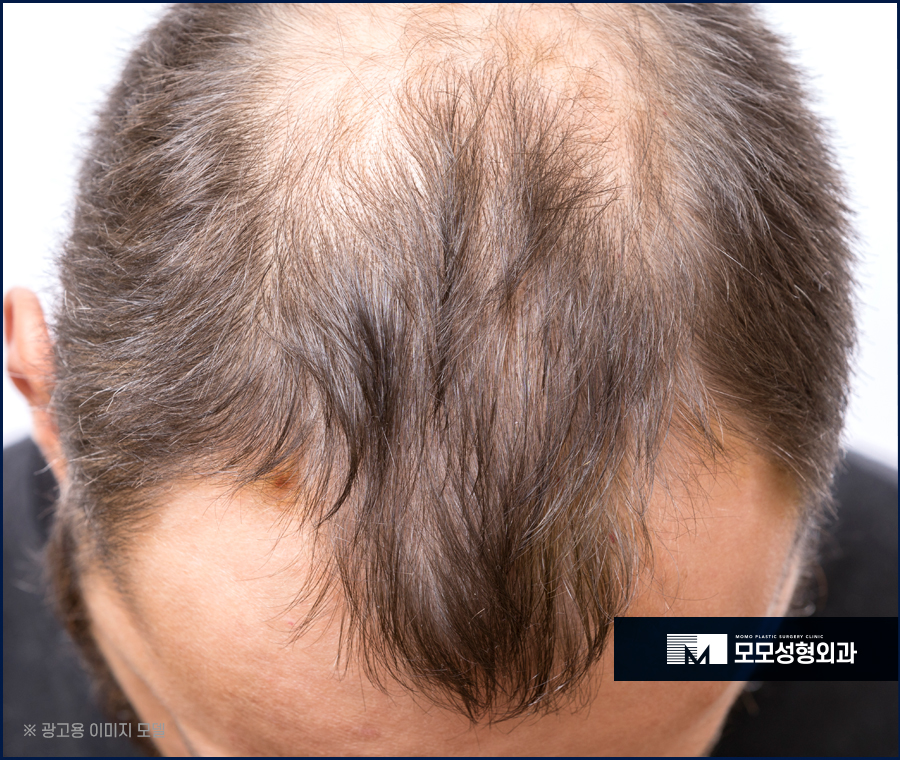
Perhaps for that reason, people who already had hair
loss symptoms are feeling even more worried these days.
Hair is falling out more than usual, and in the end, they
put aside conservative approaches such as medication
treatment and begin considering recommendations for
hair transplant clinics while looking into various related
institutions.
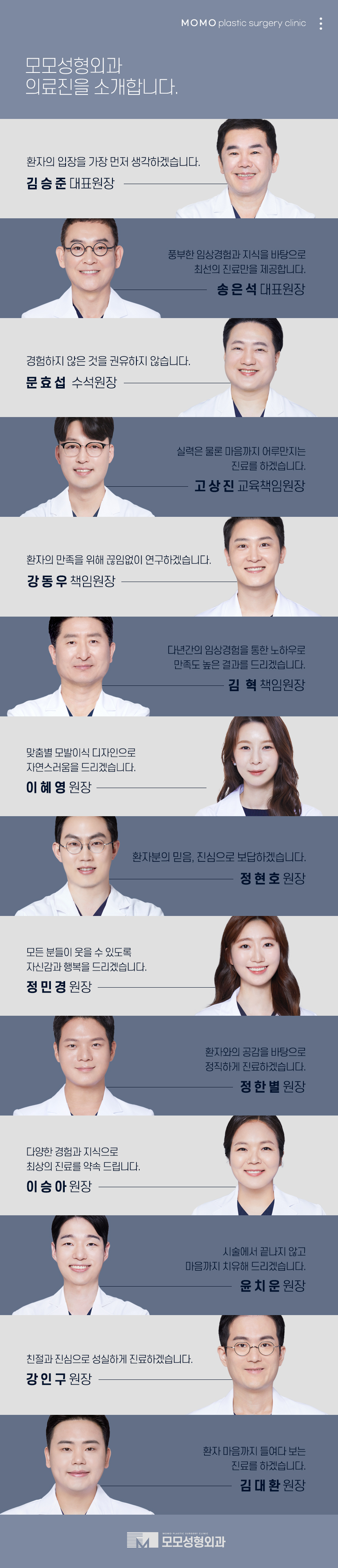
If it is a temporary case caused by sudden stress or
environmental influences, people may try to encourage
improvement through folk remedies or medication-based
approaches. However, if the condition has already
progressed for quite some time and falls into a more
severe stage, they eventually look into recommendations
for hair transplant clinics to solve the fundamental
problem.
They may also use wigs or hair fibers, but these are only
ways to hide the issue and cannot be a decisive solution
to the problem. So, considering the cause and severity,
it is wise to receive a diagnosis and then appropriate
treatment accordingly.
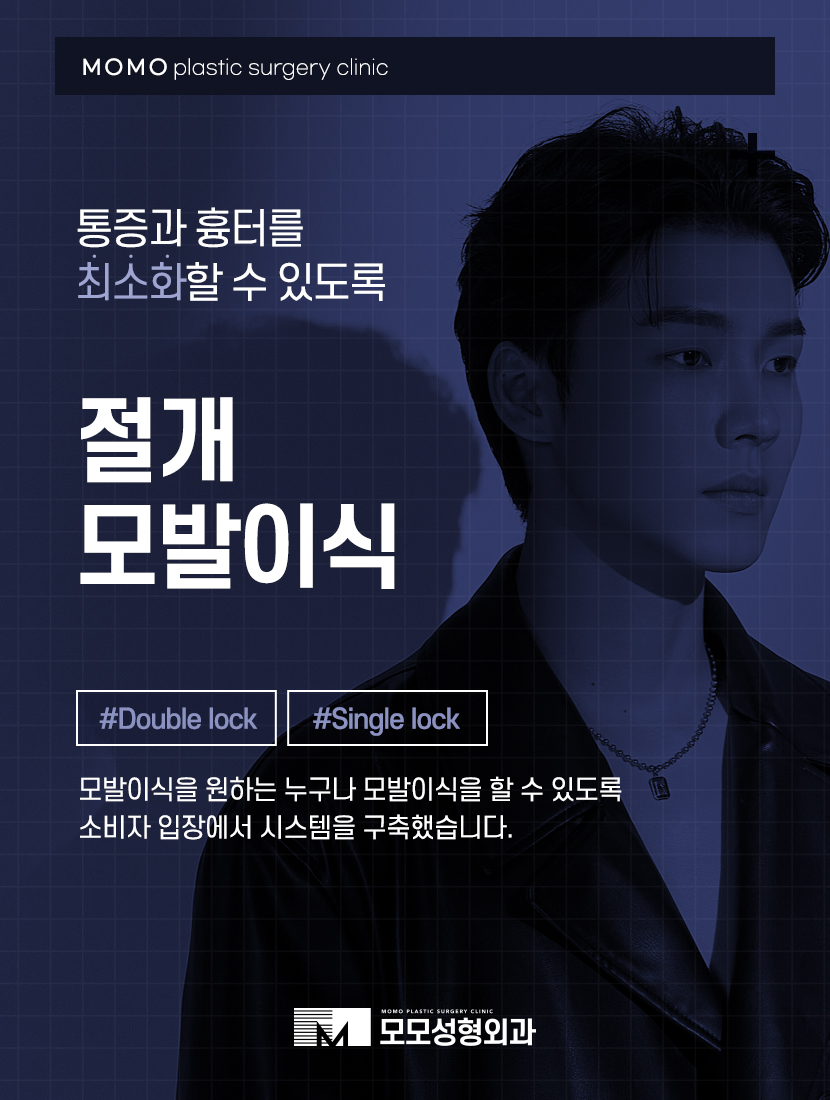
Some people dismiss it as a temporary problem and do
not make active efforts to improve it. But hair loss can
worsen rapidly if the golden time is missed, and it is
difficult to easily return to the original condition, so it
would be wise to pay close attention in daily life and
respond as early as possible.
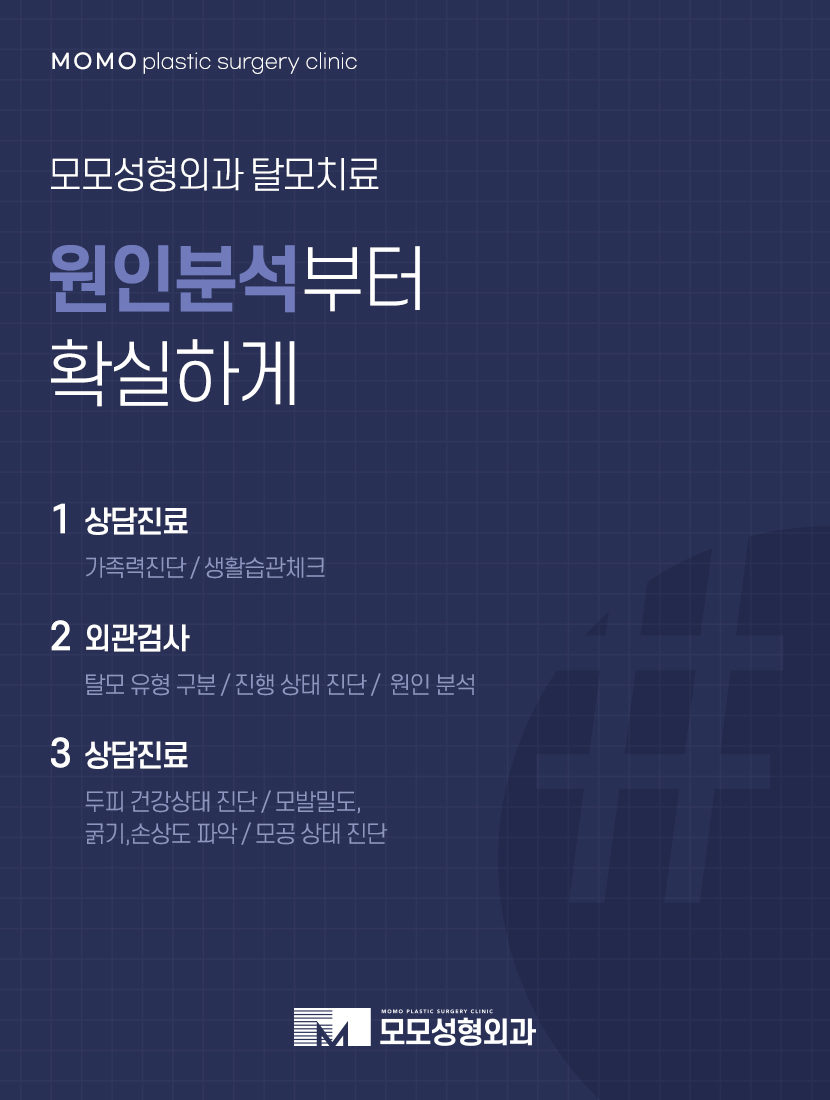
If the condition is already extremely severe or is judged
to be difficult to improve with a simple treatment, one
can consider a procedure that takes one’s own natural
hair and redistributes it to fill the empty areas.
This is called a hair transplant, and it is a surgery that
has been receiving attention recently.
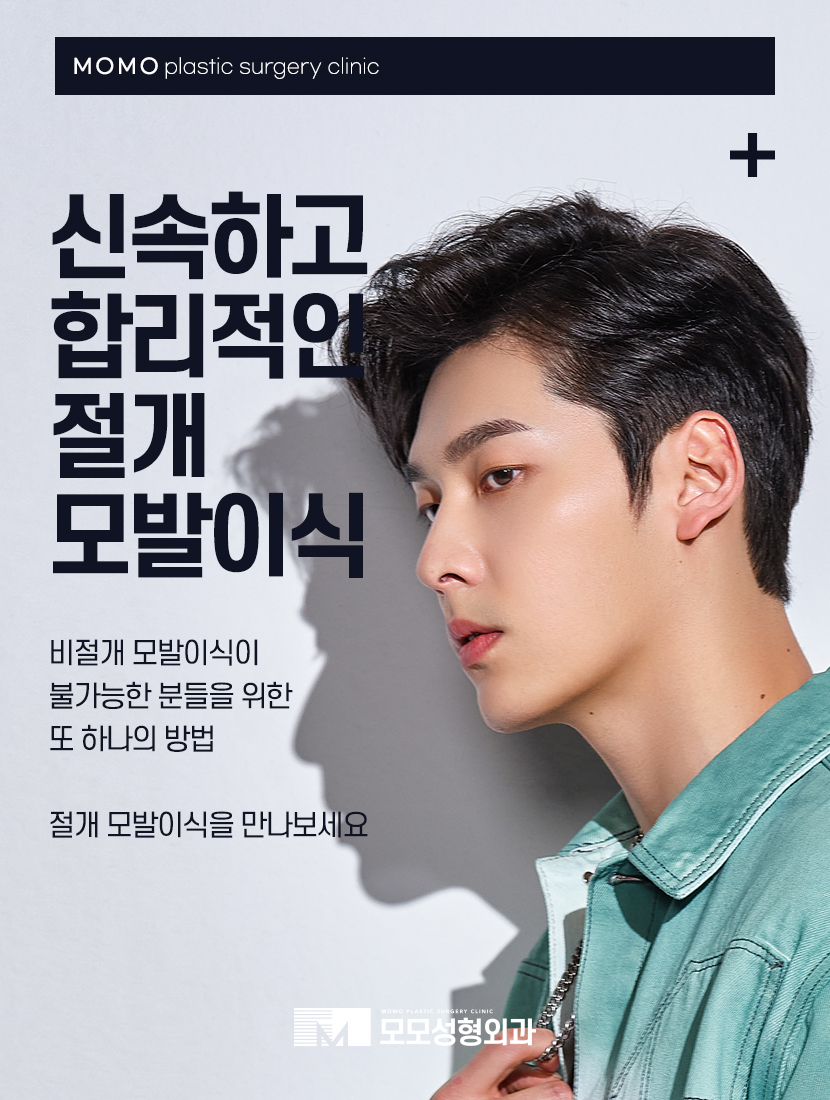
For those who feel that treatment alone can no longer
bring improvement, or who wish to understand the cause
properly and respond to it, it is possible to induce a
fuller head of hair using either the strip method or the
non-shaven method.
In the strip method, the scalp itself from the back of the
head is incised to obtain follicular units, and these are
then implanted into the areas where hair loss has
occurred.
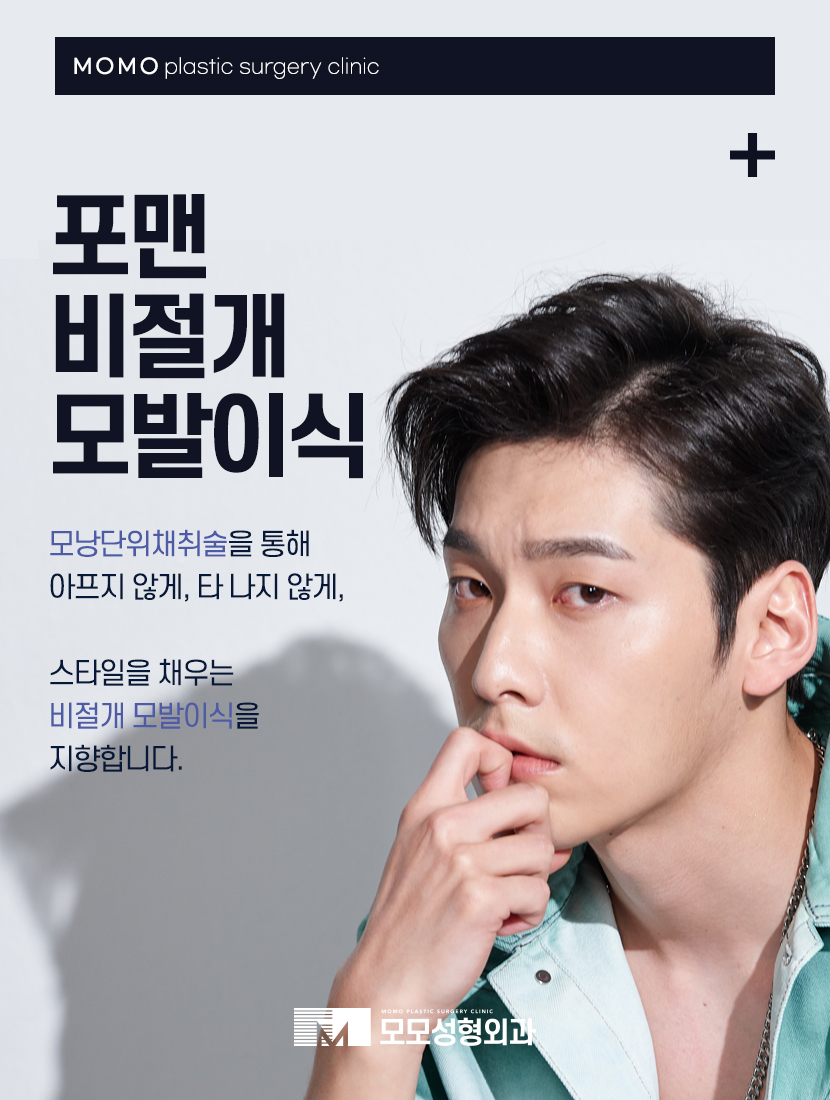
This method is usually applied to those who need a
broader area treated or a large-volume transplant.
Because it is relatively easy to obtain a large amount,
and the cost burden is relatively lower, it is often
preferred. However, since it involves an incision, you
should keep in mind that there is a burden related to
scarring and bleeding, and the recovery period and pain
must also be considered.
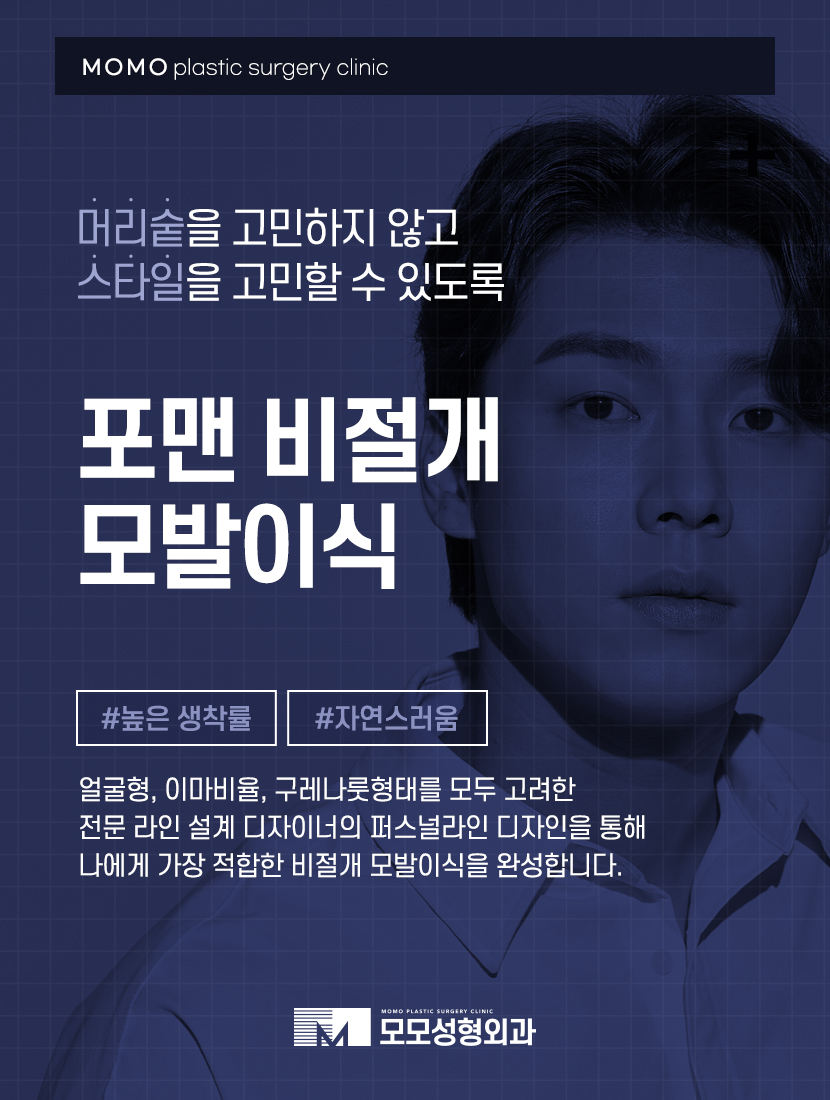
Perhaps for that reason, people recently looking for
recommendations for hair transplant clinics tend to show
a high level of interest in the non-shaven method.
Because healthy follicular units are harvested one by one,
the scalp is not incised, which significantly reduces the
burden of bleeding and pain. Recovery is also faster,
allowing a quick return to daily life, but it is important to
note that the procedure itself takes a long time.
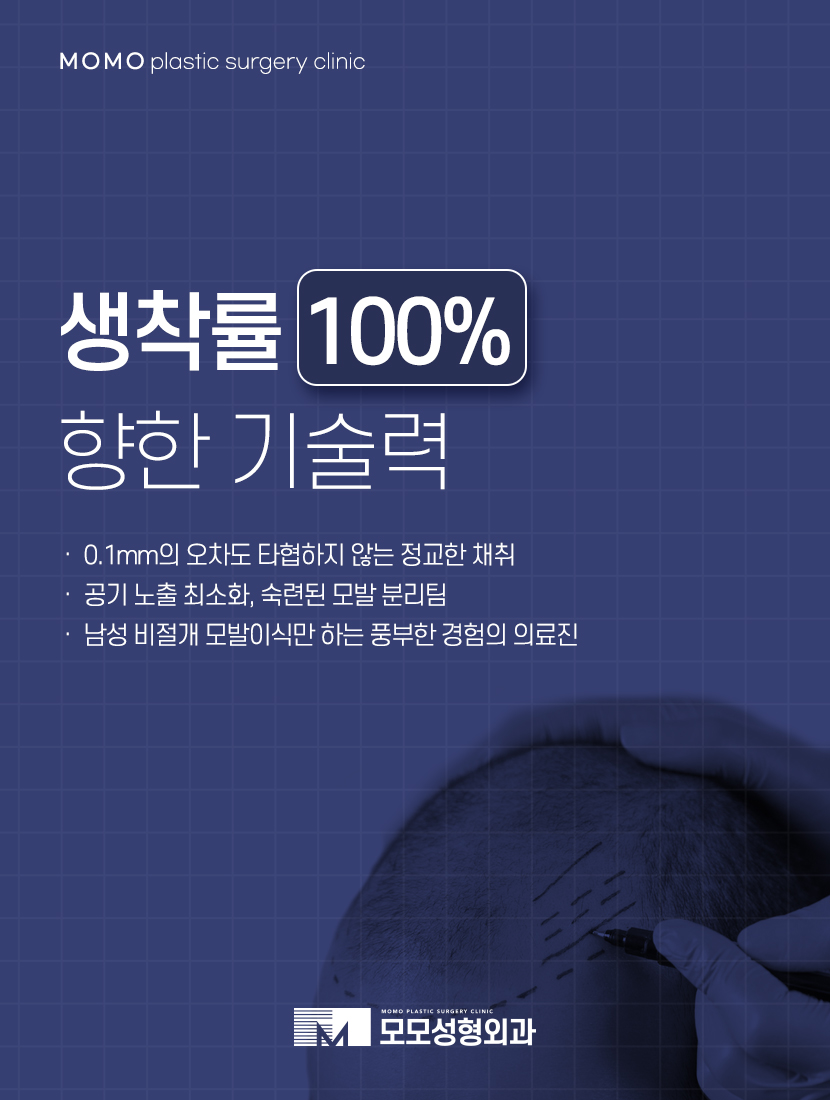
In fact, this is just a difference in approach, and the
most important thing to look at is the graft survival rate.
With the strip method, since the scalp is harvested, it can
be fine, but with the non-shaven method, cell damage can
occur during the process of obtaining follicular units, and
this directly affects satisfaction with the outcome. So if
you want a recommendation for a hair transplant clinic,
it is important to check whether the clinic has a follicular
unit separation specialist on site.
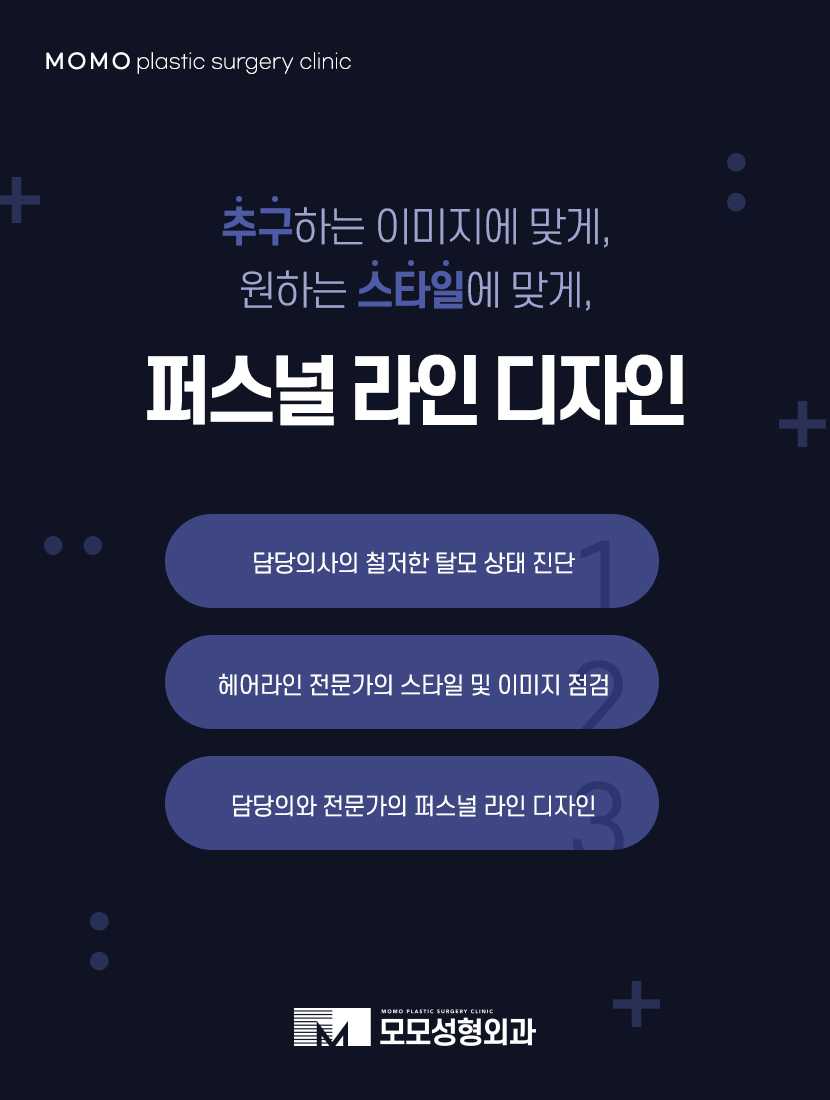
Only when the time follicles are exposed to air is reduced
and they are implanted quickly can healthy follicles be
moved, and the graft survival rate rises. Therefore, it is
advisable to carefully look into whether a follicular unit
separation specialist with excellent technical skill is on
site, as well as their ability and experience.
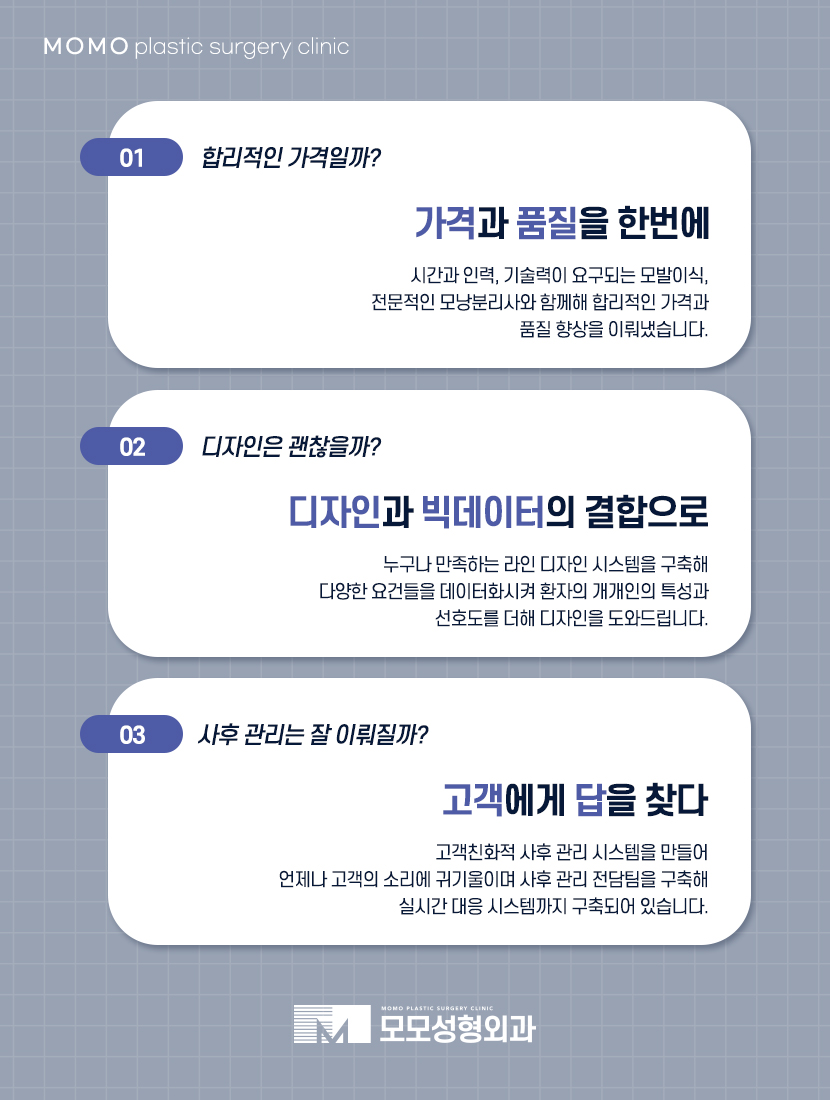
The fact that more and more people are looking for and
receiving recommendations for hair transplant clinics
also means that the number of people worrying about the
problem has increased. To prevent the problem that has
already appeared from becoming more serious, and to
reinforce it quickly so that you no longer feel stress about
your hairstyle, please make a careful choice.
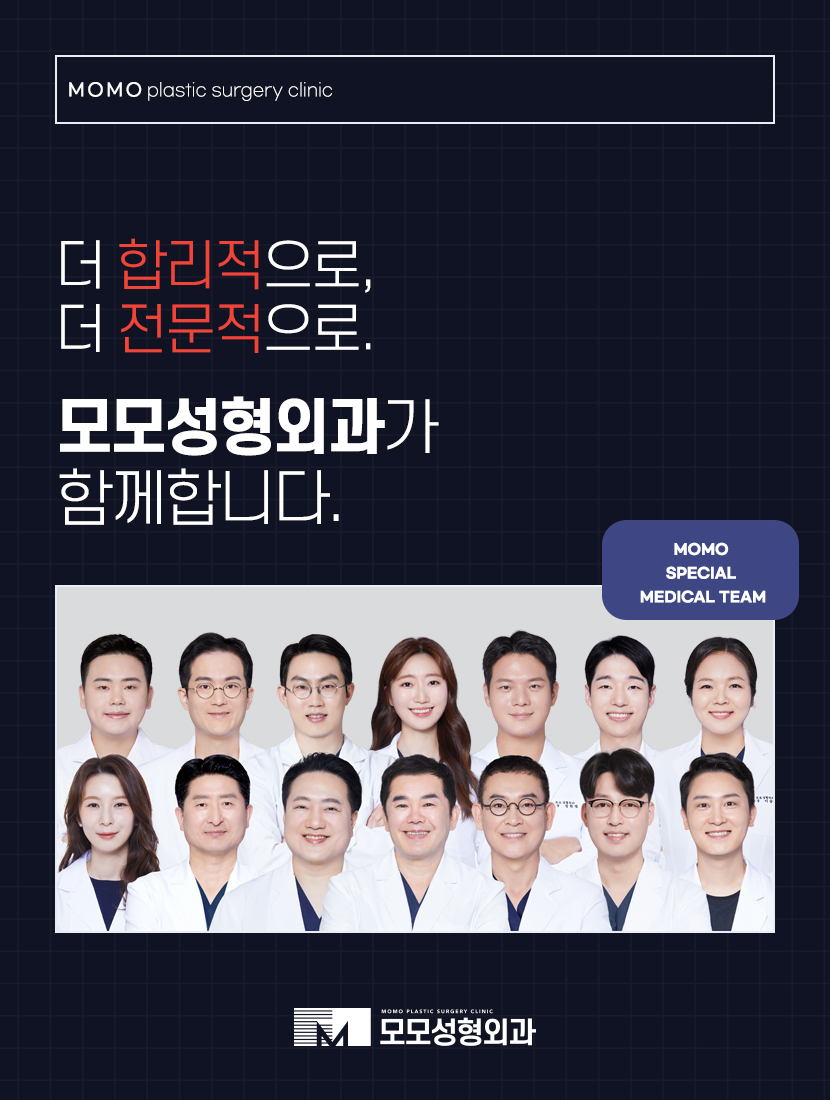
Hair loss is now a problem that can no longer be ignored.
If left untreated, it can lead to serious outcomes, so we
recommend staying alert. If you are already experiencing
symptoms, we hope you will respond quickly at a place
recommended for hair transplant clinics and be reborn
with a stylish appearance.