Due to various factors such as environmental influences and genetic predisposition, the phenomenon of natural hair falling out has become very common among many different people.
In the past, it was generally considered a problem that occurred only among men who had reached middle age, but now, as more people in their 20s are also looking into forehead hair transplantation to improve hair loss, it is clear that there is no longer an age limit.
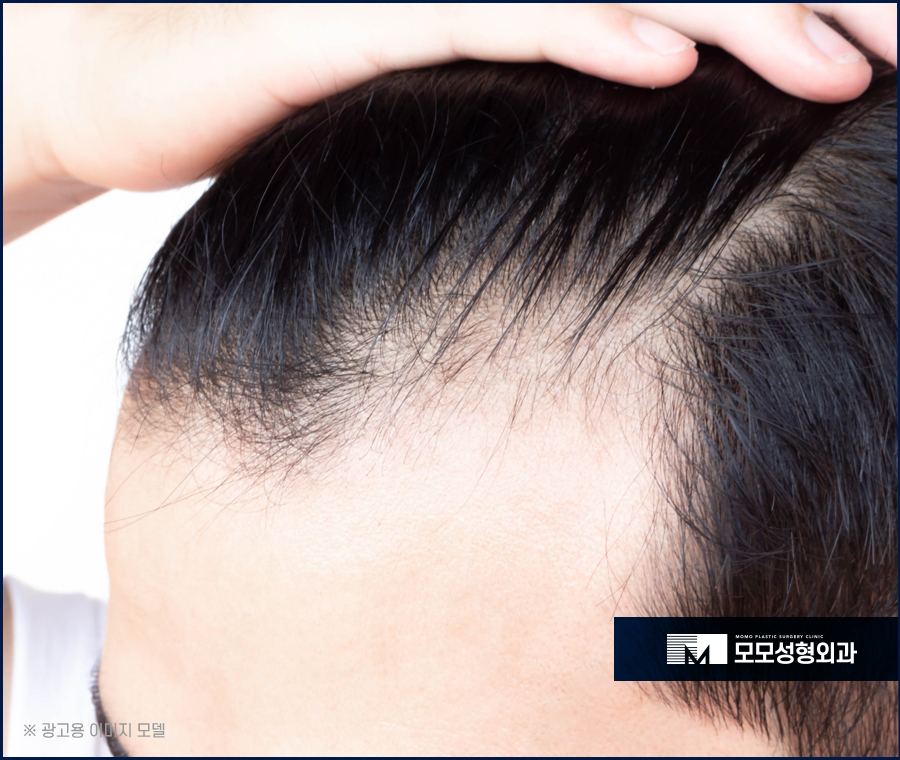
As more people have this problem and want to improve it, treatment methods have been studied for a long time and can be said to have become much more diverse than before. The range of options has expanded, from medication to injection procedures and even methods of applying treatment drugs such as minoxidil.
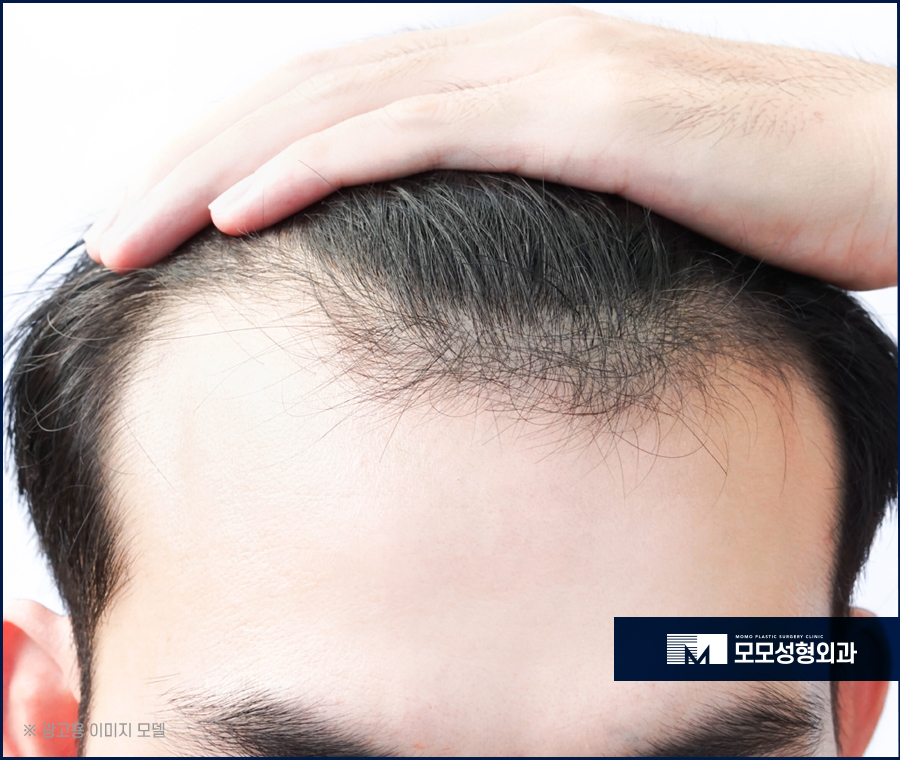
However, since there is still no method that allows people to fully feel a perfect treatment effect, most people end up looking for the most effective option available. Perhaps that is why the number of forehead hair transplantation procedures seems to have increased greatly.
The process of filling in and reinforcing sparse areas makes a person’s appearance look more neat and appealing, and because this also affects social aspects, it is something that cannot be overlooked.
In the past, people with severe cases, where the scalp was clearly visible, were mainly treated with hair counts of 3,000 strands or more, but recently, more people have been undergoing the procedure for cosmetic purposes to perfect their appearance.
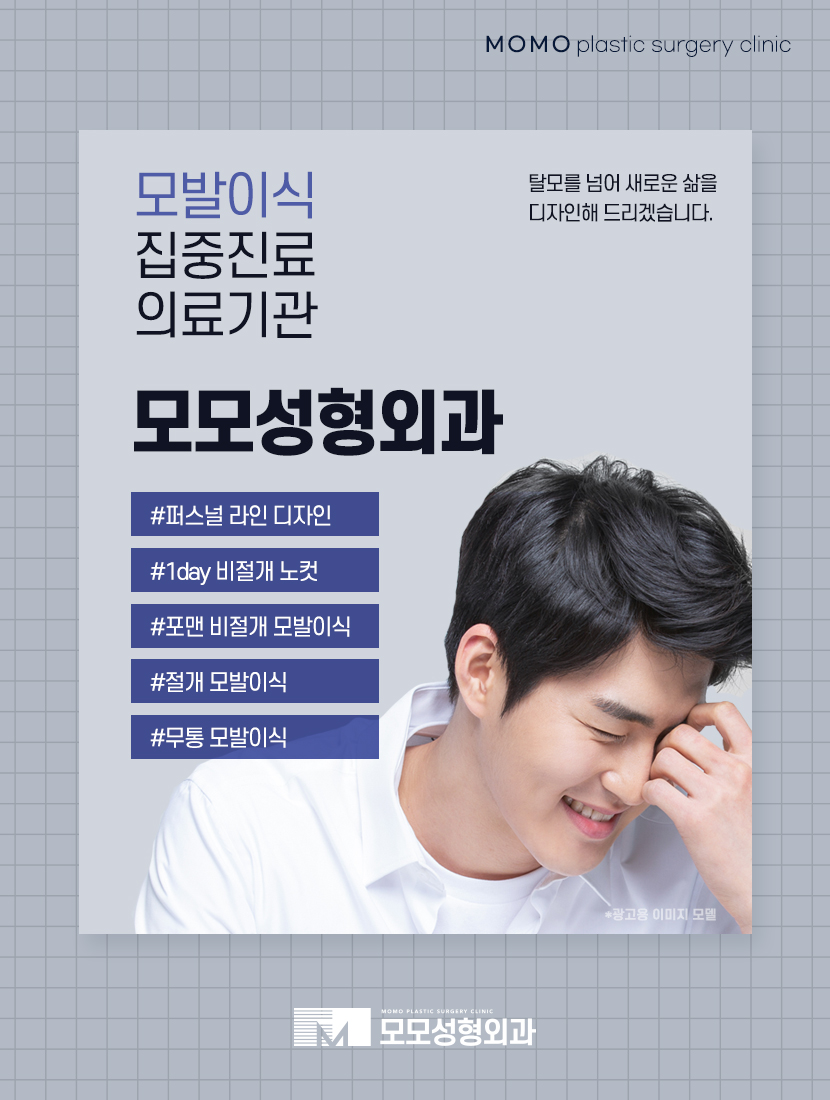
It is not only for severe patients, but also for refining the hairline for reinforcement. In fact, the area around the forehead line has a major impact on appearance, which in turn leads to aesthetic effects. So if the area is irregular or has become sparse, demand has increased for correction and refinement.
Because the main focus is not on simply filling in 부족한 부분, but on an aesthetic upgrade, the emphasis naturally shifts more toward naturalness and harmony with the overall appearance rather than density and fullness. Only after fully analyzing and considering the facial features, overall mood, and proportions can the most suitable and successful hairline be completed.
This can be seen as being significantly different from the simple direction of just filling in the area. That is why a personal line design must be combined, and I think it is a very important part of forehead hair transplantation.
Forehead hair transplantation can also be considered in the early stages of hair loss, when the hairline is gradually receding, or even for those who have an M-shaped pattern with deep recession on both sides. Even if a wide area does not need to be reinforced, lightly filling it in can lead to a change in the overall image. This can go beyond simply making the impression look better, and may satisfy psychological confidence, have a significant external impact, and even change quality of life.
As appearance becomes more important, the significance of the hairline is also receiving attention, and this trend is expected to continue in the future. Therefore, if you are in a situation where reinforcement is needed, or if you determine that improvement is necessary, it may be a good choice to look into a related clinic and undergo forehead hair transplantation.
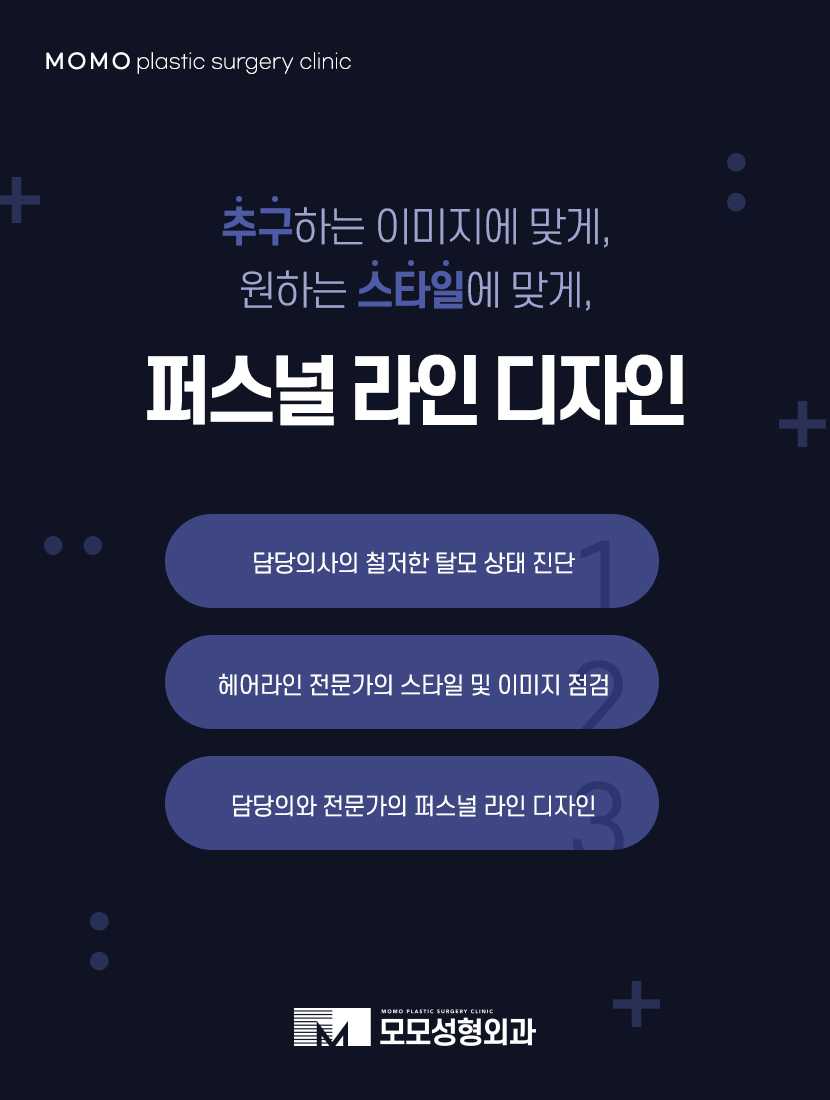
Since this is an aesthetic-focused procedure, it is recommended that you visit a related clinic where a doctor is available who can design the hairline while considering each individual’s facial shape, characteristics, and personal preferences. Everyone has different face lines, such as round, long, or angular shapes, and their facial features also differ, so the design must be carefully focused on in order to achieve the most satisfying result.
The front view, as well as proportions, atmosphere, and even the side view, should be considered. It is important to find the most ideal look by examining the distance between the eyebrows and sideburns and applying data gathered from various cases so that you can move toward the direction that provides the highest level of satisfaction.
If you are not careful, the advantages may not be brought out and the disadvantages may stand out, leading to lower satisfaction or even regret.
Therefore, if the line is set and the procedure is performed based on sufficient consultation and diagnosis, I believe it will be possible to create a result that matches the desired feel.
If you want this kind of delicate adjustment, the skill and know-how of the doctor are important, and because the related consultations, systems, and systematic treatment are also important, if you are considering the procedure, it is good to keep in mind that you should go through in-depth consultation to create a highly satisfying result.
In addition, people considering forehead hair transplantation may have many questions about the treatment method. In fact, if the purpose is reinforcement, it is often done with a small amount of around 1,000 strands rather than in large quantities, so a non-excisional method is considered even more appropriate. This is a procedure in which healthy follicular cells that are not affected by hair loss are individually obtained from the back of the head, transplanted to the areas that need to be filled, and then allowed to take root. Because no scalp incision is made, it allows for a more natural-looking coverage around the back of the head, and you can expect a quicker return to daily life.
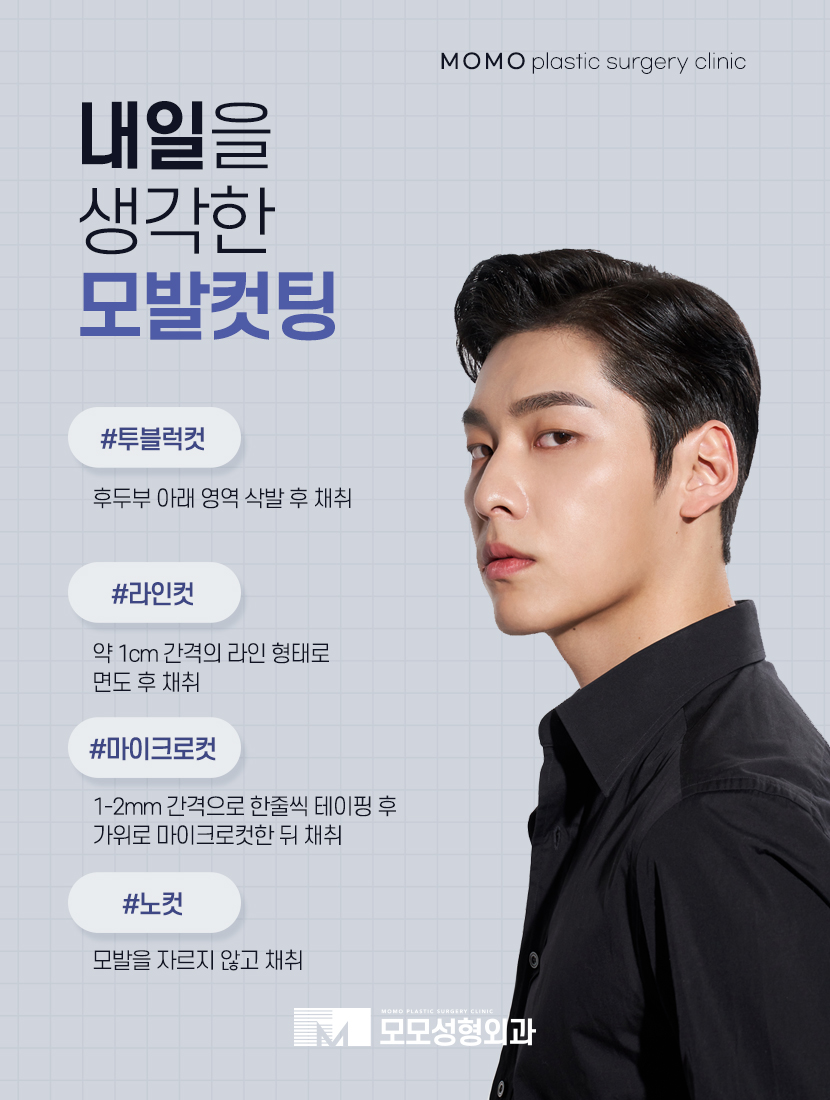
Because only the necessary follicles are harvested and transplanted appropriately, there are even methods that can be done in one day. Since selective harvesting is performed using a punch, damage to the scalp can be reduced, which is also beneficial for any marks that may remain afterward. This can be suitable even for those who do not have much time to spare.
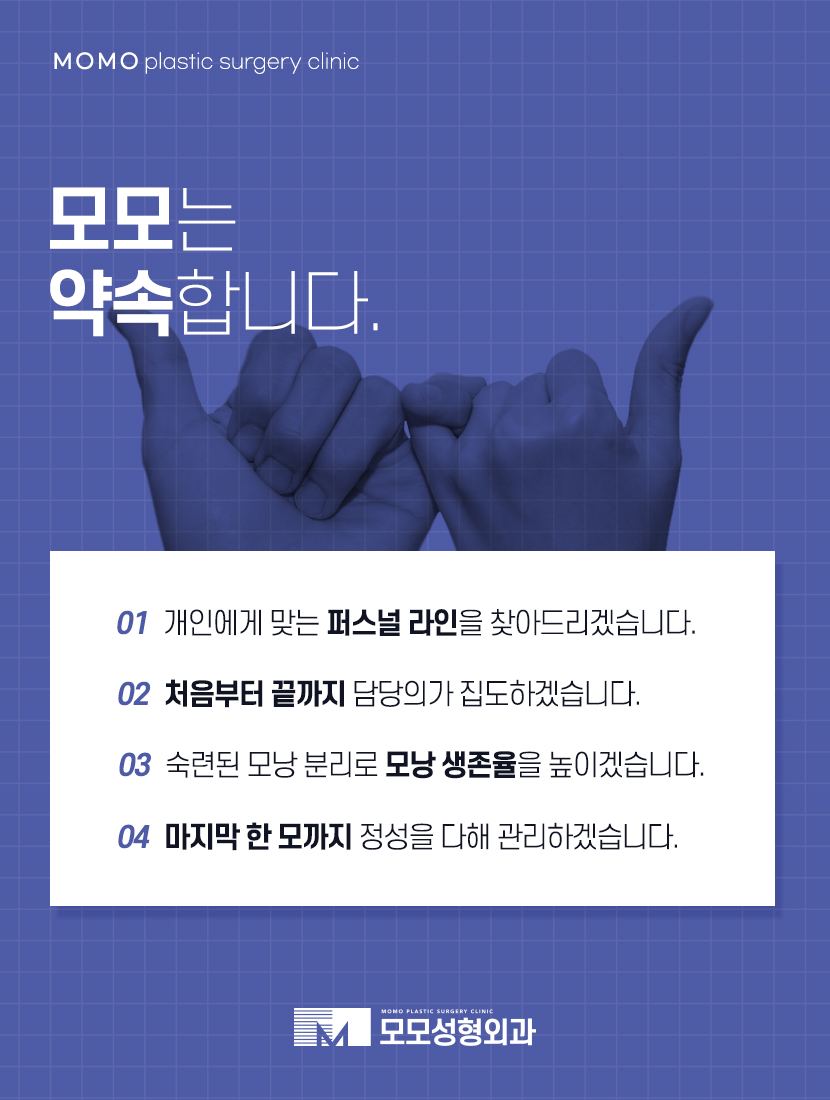
Through various methods, forehead hair transplantation can be performed with the expectation that a satisfying afterward appearance will be achieved. Therefore, if you want reinforcement or think that the hairline needs to be refined, it may be worth considering.