Hair loss, the condition in which hair falls out, was mainly perceived as
something that affects middle-aged and older men.
However, today, due to a variety of reasons such as genetic factors and
external causes, the age groups struggling with natural hair loss have
significantly lowered, and it is also occurring in women.
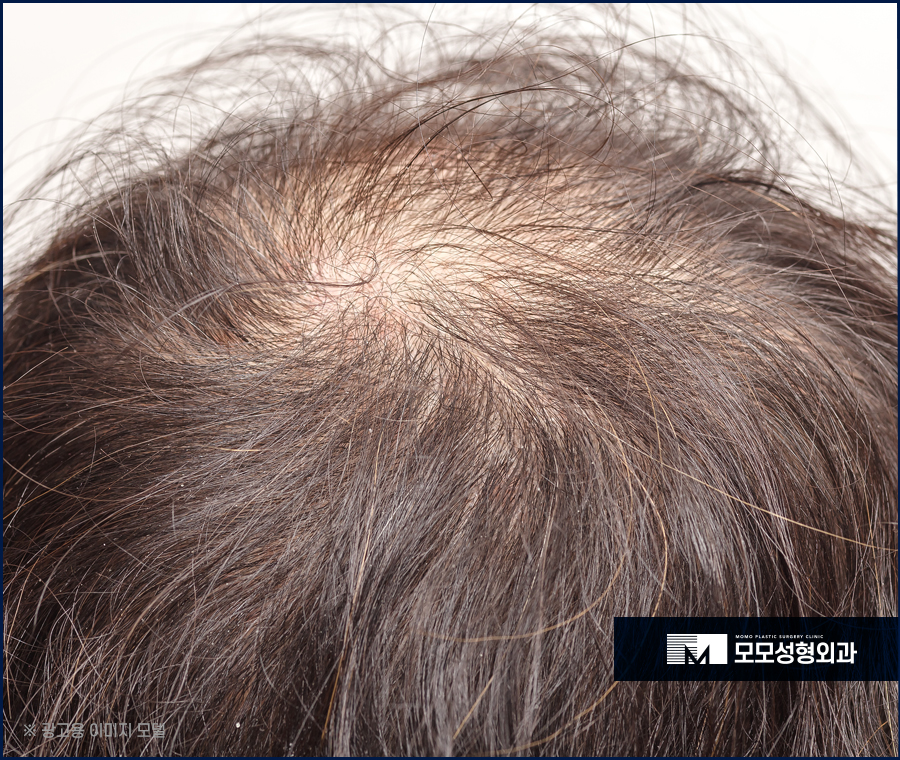
In particular, many people can visually confirm that the hairline at the
forehead, the crown, or the overall amount of hair has noticeably decreased.
This can make the face appear larger overall and may make a person look older
than their actual age, which can become a source of stress or a complex.
It can also have negative effects in social life, such as feeling anxious
psychologically and experiencing lowered self-esteem.
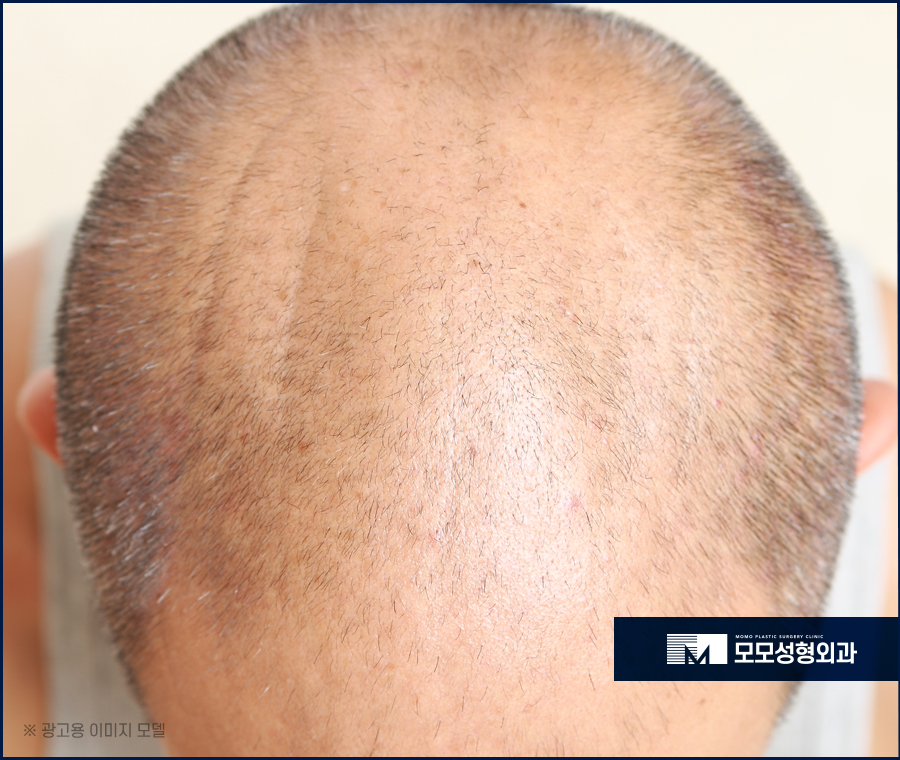
Hair loss symptoms are related to life and do not directly harm health, but
in today’s era, where appearance is emphasized, not only the importance of
balanced facial features but also abundant hair can be said to be an
important factor that influences first impressions. That is why people of all
ages actively try various methods to protect the amount of hair they have.

They search for information here and there, apply folk remedies, or try to
cover it with wigs or hair fibers. However, such measures may have limits in
addressing the root cause and can also remain only temporary fixes.
If the degree of hair loss is mild, progression can be slowed to some extent
through non-surgical treatment at a medical institution, taking nutritional
supplements, or using medication-based methods, but once symptoms have already
begun, improvement may be difficult with these methods.

That is why a surgical approach is considered, in which hair is transplanted
from the healthy natural hair in the back of the head to the empty area.
Through reinforcement, recovery to a fuller appearance is induced, and if the
hair transplant graft survival rate is also excellent, a satisfying result can
be achieved.

There are various reasons why symptoms occur. They can arise congenitally,
or be caused by sudden hormonal changes, excessive sebum production, or
demodex mites. They can also occur due to stress or accumulated overwork,
and in some cases, large amounts of hair suddenly fall out because of poor
lifestyle habits.
If the symptoms have already started, changes can be expected through surgery.
Public perception of solving problems through surgery has changed a lot from
the past, and because medical technology has advanced significantly, it has
also become a method sought by many people.
There are two major surgical methods: non-incisional and incisional. Because
the procedures are opposite, their advantages, disadvantages, and features can
be compared very clearly. Non-incisional surgery involves individually
extracting follicles one by one with a punch blade and transplanting them
without making an incision. It takes a relatively long time, and as a result,
the cost tends to be higher. However, since there is no suturing process, pain
is less even after the anesthesia wears off, and the scar is also minimal,
which is why it is preferred.

On the other hand, incisional surgery involves making an incision in the back
of the head. Because a large amount can be harvested at once, the procedure
time is relatively shorter and the price is also lower. However, when the
anesthesia begins to wear off after incisional surgery, significant pain may
occur.
As such, there are two methods, and because the approaches differ, they do not
apply equally to everyone. Instead, they should be selected according to each
person’s current condition while also considering the hair transplant graft
survival rate.

If you have considered the procedure’s process and results and made a decision,
choosing the relevant medical institution is important. Not all institutions
implement the same method or design in the same way, so it is best to make a
decision through communication with the medical staff.
In particular, the hair transplant graft survival rate, which is the process by
which transplanted hair settles in place, accounts for a large portion of how
successful the procedure is. Rather than focusing simply on low cost or
planting as many grafts as possible, it is important to set standards across
various aspects, check whether they are met, and compare several medical
institutions. Only then do I think it will be possible to maintain satisfying
results for a long time without side effects.
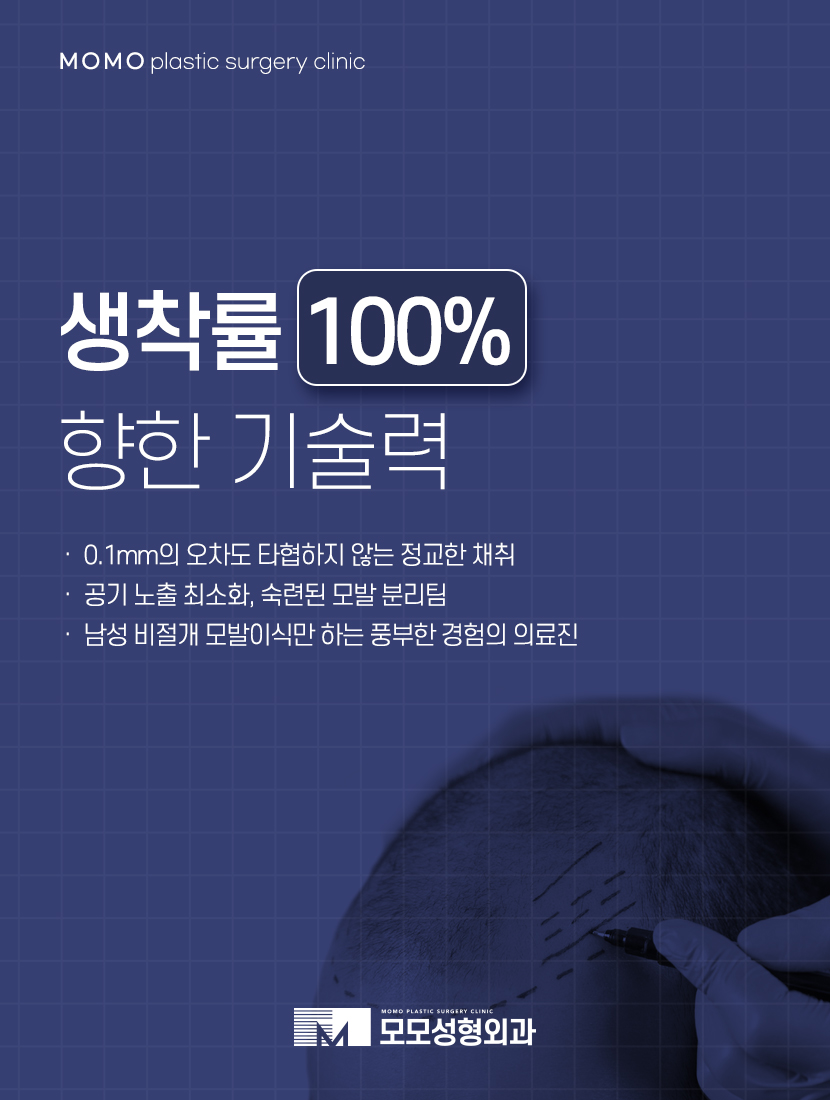
To achieve a high hair transplant graft survival rate, the method of
extracting follicles and transplanting them into the empty areas is also
important. A high-magnification loupe and microscope should be used, and all
procedures should be inspected to minimize damage to the follicles.
The reason for using a high-magnification microscope is that it allows the
practitioner to check whether the follicles have been damaged and select only
healthy ones, enabling the transplanted natural hair to settle with a better
chance of success.

In addition, because the degree of symptoms, the condition of the hair in the
back of the head, its thickness, and the elasticity of the scalp vary from
person to person, it is important to accurately assess the current condition
and establish an appropriate plan. Although the surgeon’s procedure is
important, post-procedure care should not be neglected. If the precautions are
not properly followed, the hair transplant graft survival rate may drop
significantly, or the expected result may not appear, which can reduce
satisfaction.
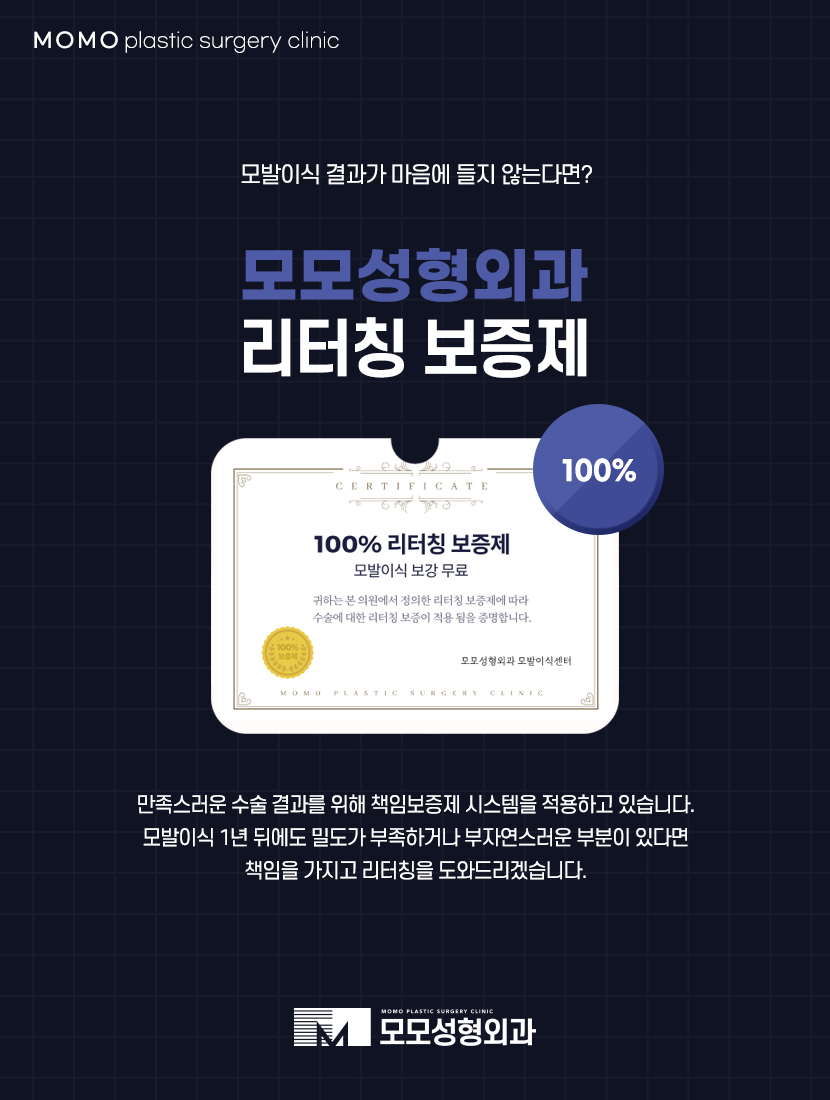
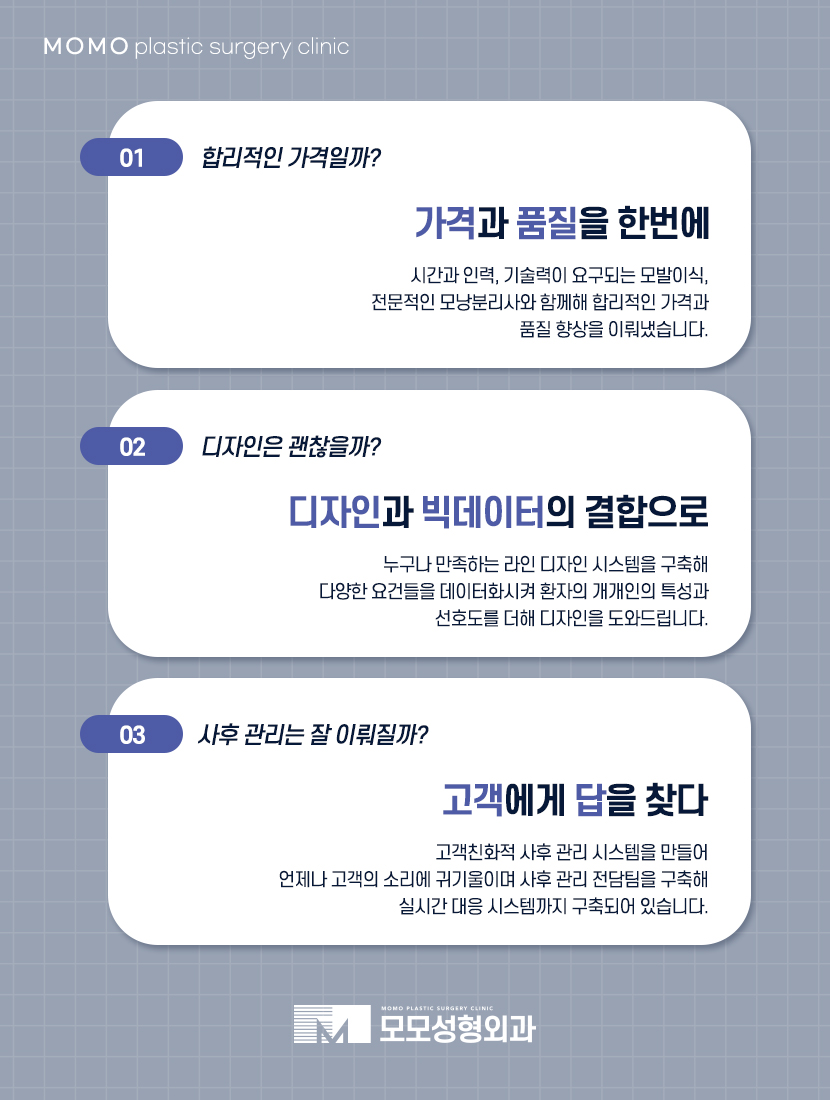
As mentioned earlier, success or failure of the result depends on the hair
transplant graft survival rate and whether the final design suits the person.
Rather than considering cost alone, it is recommended to choose an institution
with a well-organized aftercare program and receive support there.