In the past, hair loss mainly appeared among middle-aged and older adults,
but now it has spread to young adults and even women,
becoming a major concern for many people.
In fact, not only do various statistics show this,
but it is also commonly seen in real life,
and cases among younger age groups have become frequent.
Accordingly, the number of people looking into non-incisional hair transplant clinics to address it also seems to be steadily increasing.
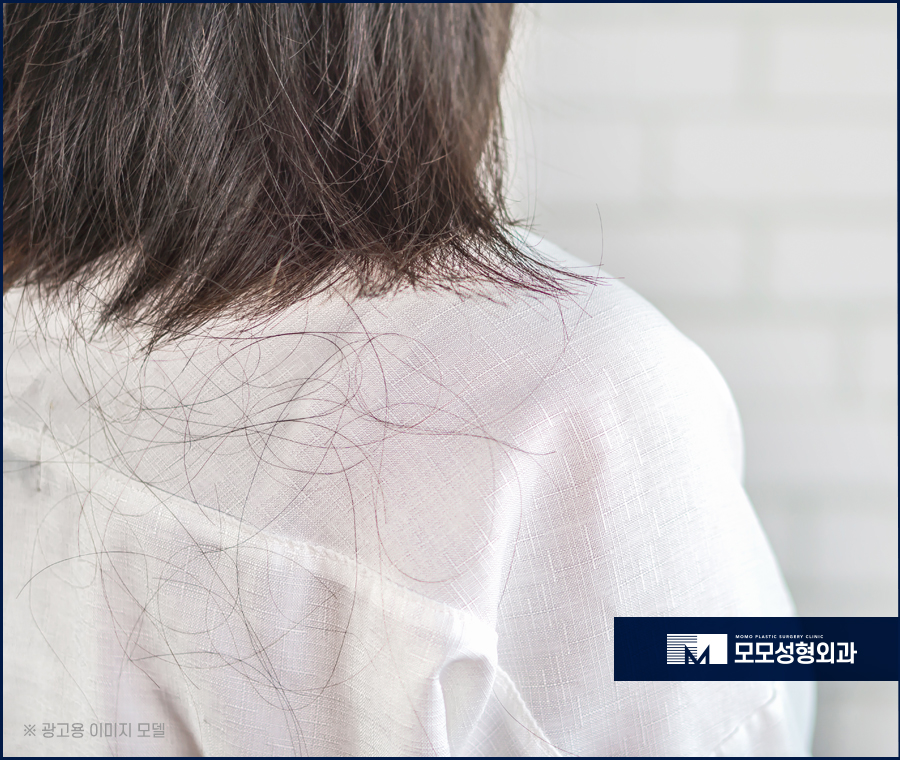
Stress from work, social conflict,
and problems arising from relationships are among the many causes,
and stress-related hair loss has a very high rate of occurrence.
When you are not emotionally stable and symptoms such as hair loss appear,
it can create even more severe conflict,
lower self-esteem,
and inevitably have a more negative emotional impact.
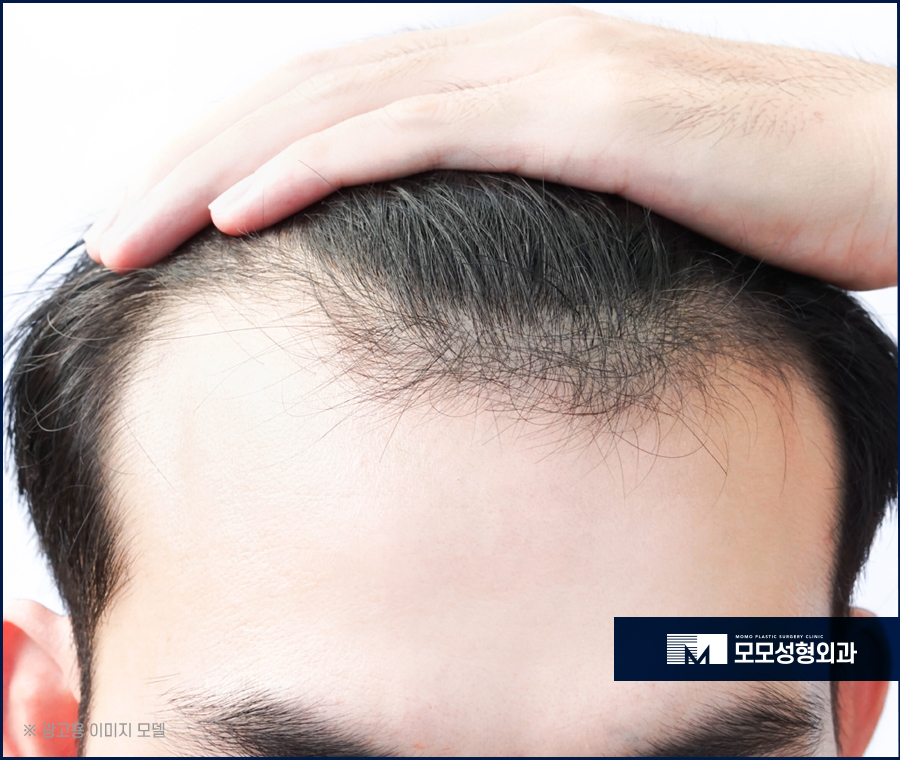
Therefore, if symptoms appear unintentionally,
it is advisable to take an active approach to improving them.
Some people may sit back and think that it will get better on its own,
but in fact, this leads to making the condition more serious,
so it is better to respond as quickly as possible
and make an effort not to face a more severe situation.
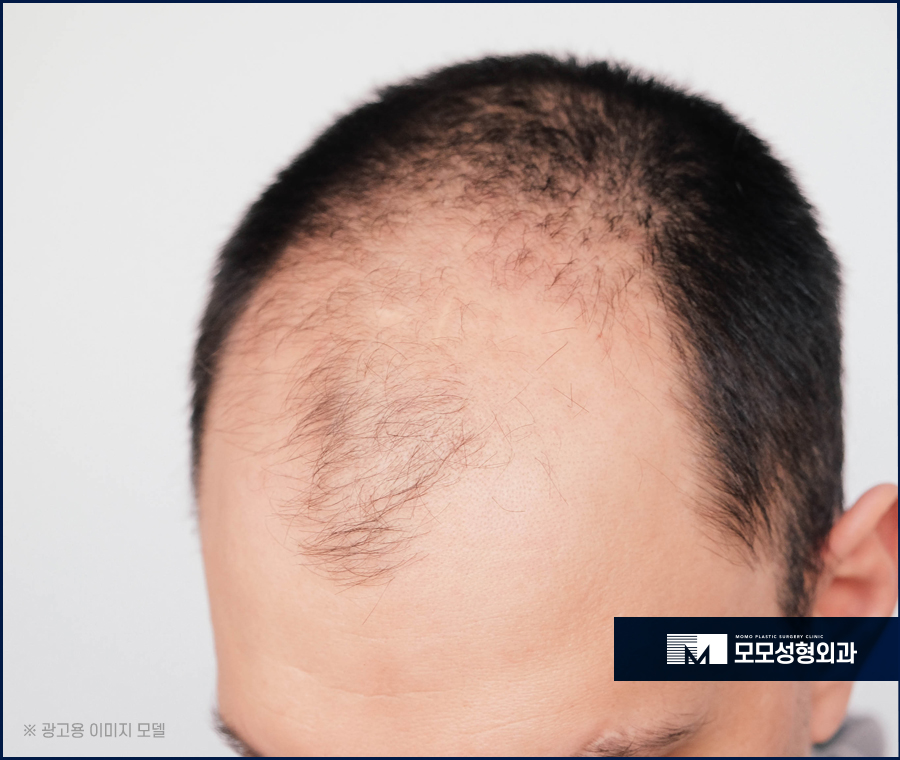
People may try shampoos that help with various types of hair loss,
consume foods that are rich in protein,
and take related medications.
Most people begin improvement through indirect methods,
but in fact, if they are not in the early stage,
it is difficult to experience a clearly improved result,
so they eventually shift toward looking into non-incisional hair transplant clinics.
Compared with the past, the procedure of moving and transplanting hair has become much more widespread,
but there are still people who do not know exactly how it works.
It is broadly divided into an incisional method and a non-incisional method,
as a way of redistributing one’s own hair to fill areas where terminal hair has fallen out and left gaps,
where natural hair should normally exist.
The former is a method that uses a donor strip and has long been the main procedure used,
but recently there has been a trend toward preferring methods with relatively less pain
and a lower concern about scars or traces later on.
For that reason, the number of people looking for non-incisional hair transplant clinics has also increased.
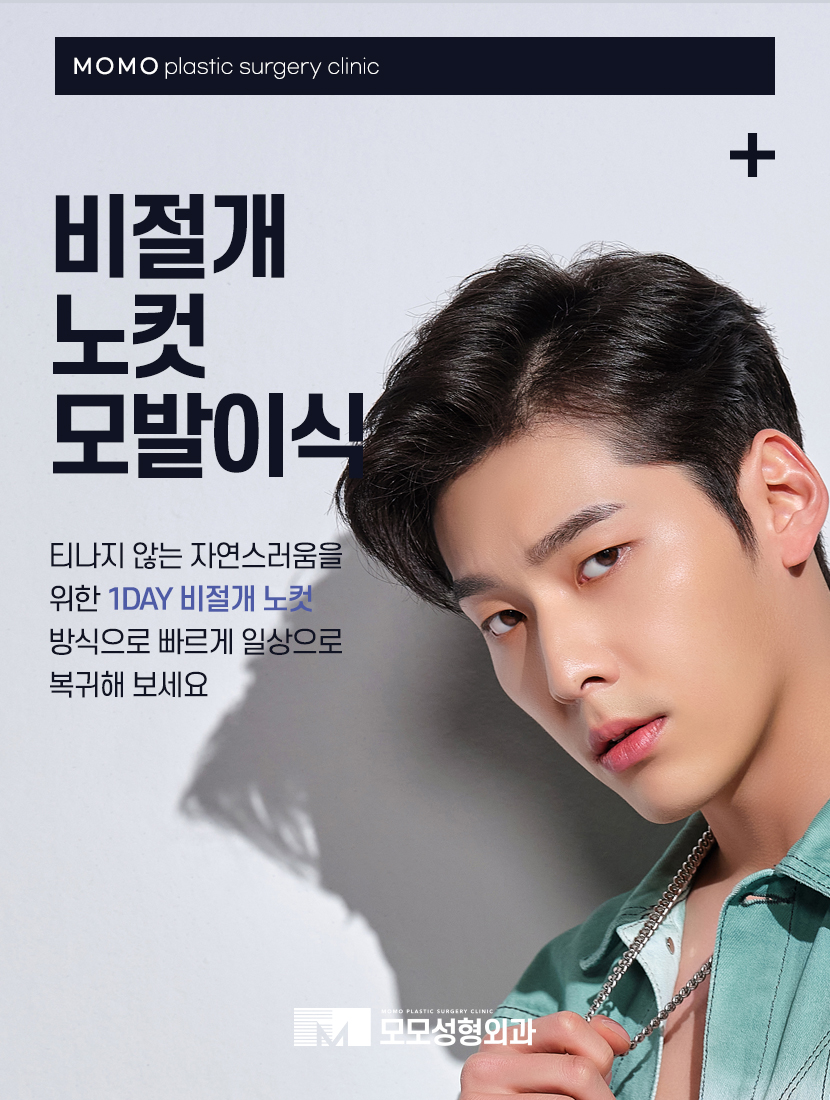
Because no incision is made, there is no bleeding,
and no separate recovery period is required afterward,
which can greatly shorten the time needed to return to daily life.
In fact, the procedure can be done without shaving the head,
and it involves obtaining natural hair from the occipital area,
that is, the back of the head, where hair is relatively less affected by hair loss,
using specialized equipment.
A large amount of hair can also be obtained,
so anyone can try it.
However, the key point to consider here is how thoroughly the condition is diagnosed,
how the design is tailored accordingly,
and whether the grafts are placed carefully.
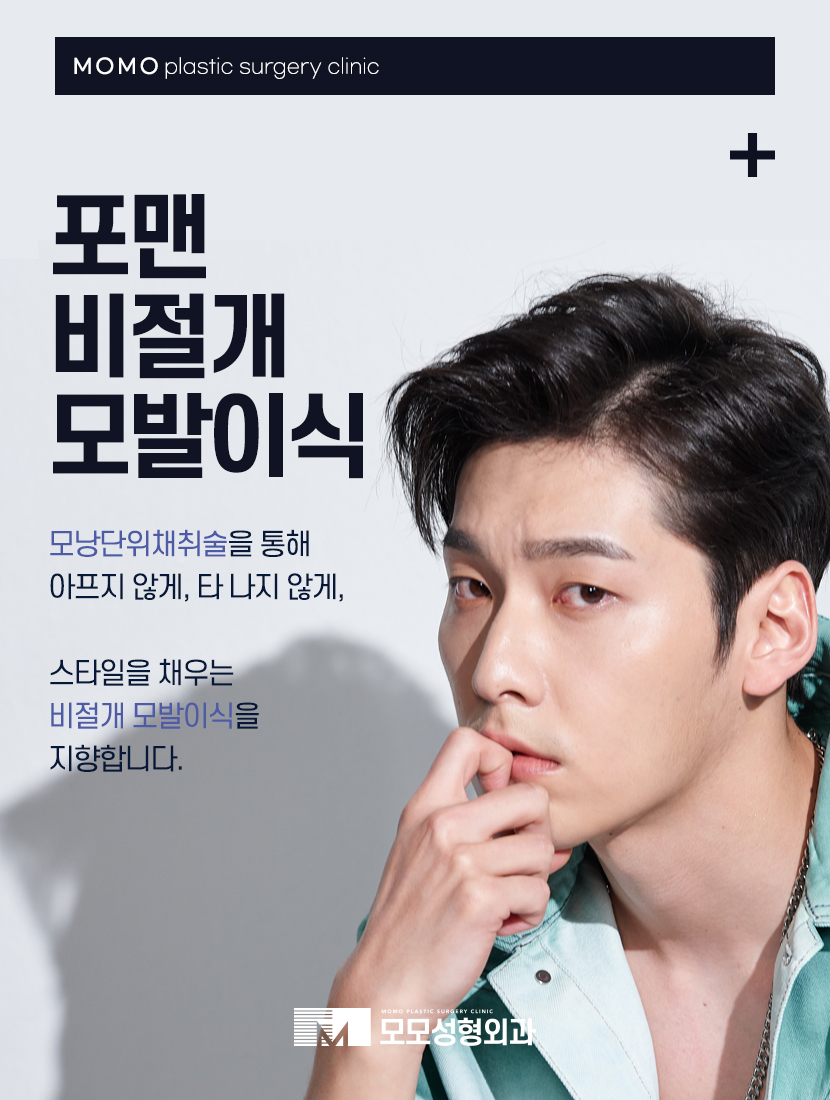
Hairstyle has a very large impact on appearance,
so even after the procedure is completed, a natural look must be created.
To do that, the surgeon’s skill is important,
and the diagnostic results are inevitably very important
in properly establishing the direction of the treatment.
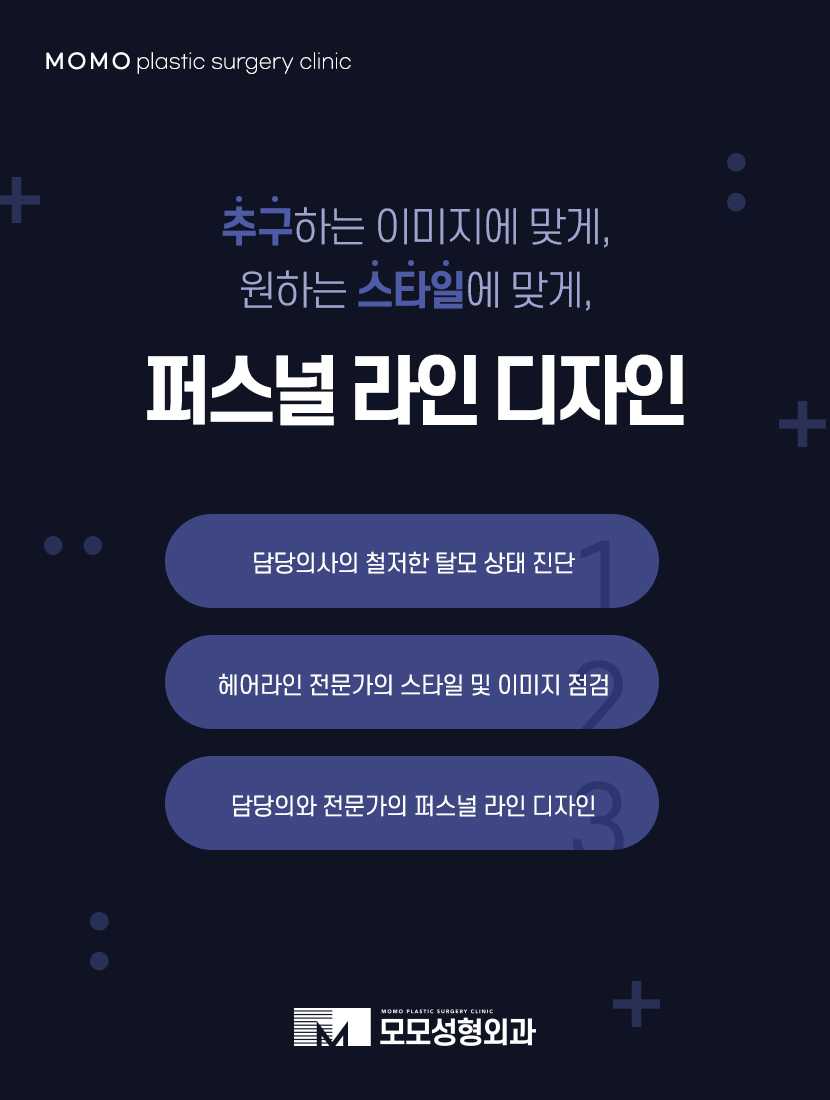
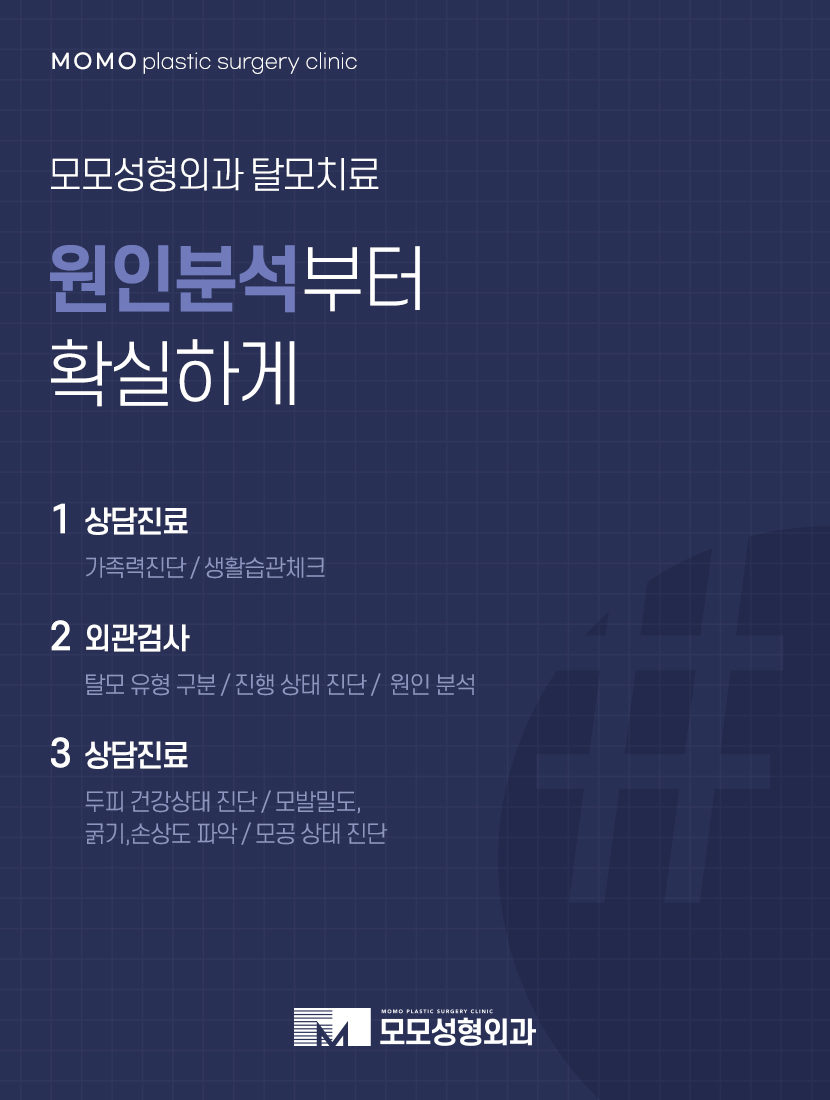
That is why, before the procedure, it is necessary to deeply analyze and review
what caused the natural hair to fall out,
what direction, density, and hairline design would be best,
and then establish a systematic treatment plan before the main procedure is carried out.
This not only has a major impact on the final aesthetic result,
but also greatly affects the survival rate of the grafts.
People looking for a non-incisional hair transplant clinic often share the same goal:
to fill in and improve hair density.
Therefore, even though the desired outcome is to achieve a full appearance,
there is always a risk that the transplanted hair may fall out again.
To achieve a high survival rate later,
careful treatment must be carried out from the beginning.
Since this is directly proportional to satisfaction,
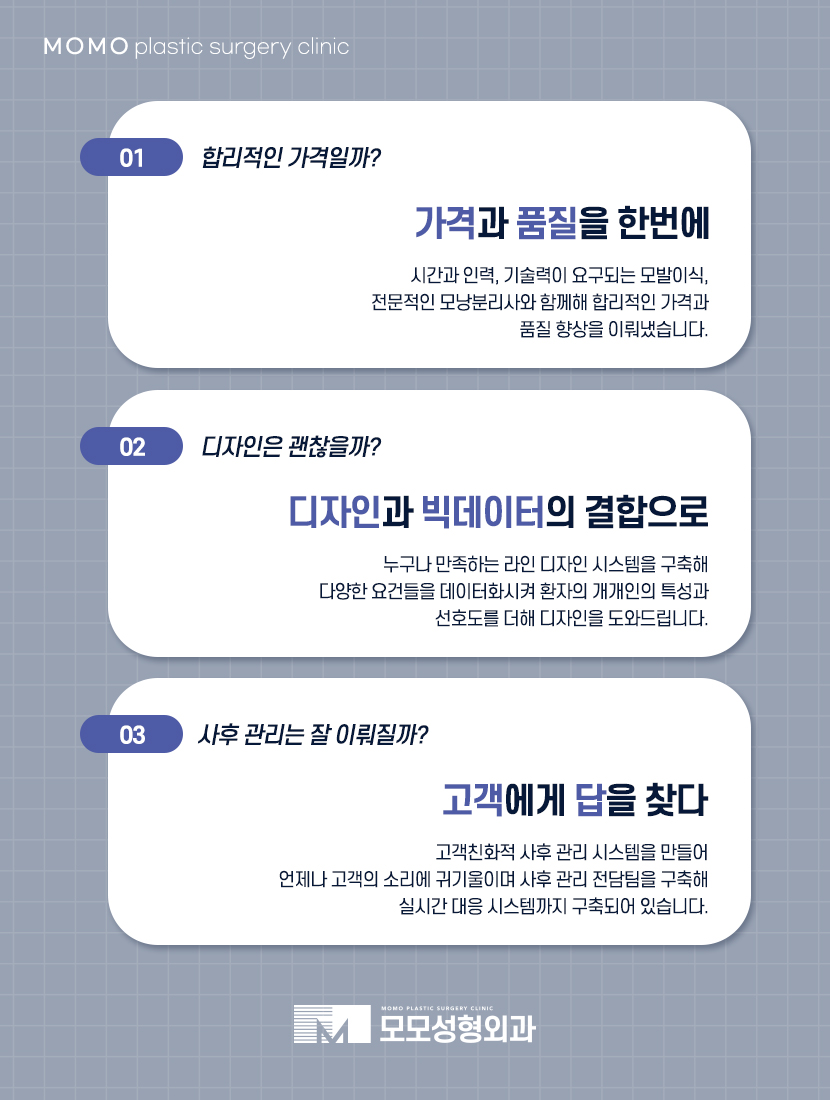
when looking for a related clinic, it is important to check what kind of system they have,
and whether the physician in charge has sufficient skill, experience, and know-how.
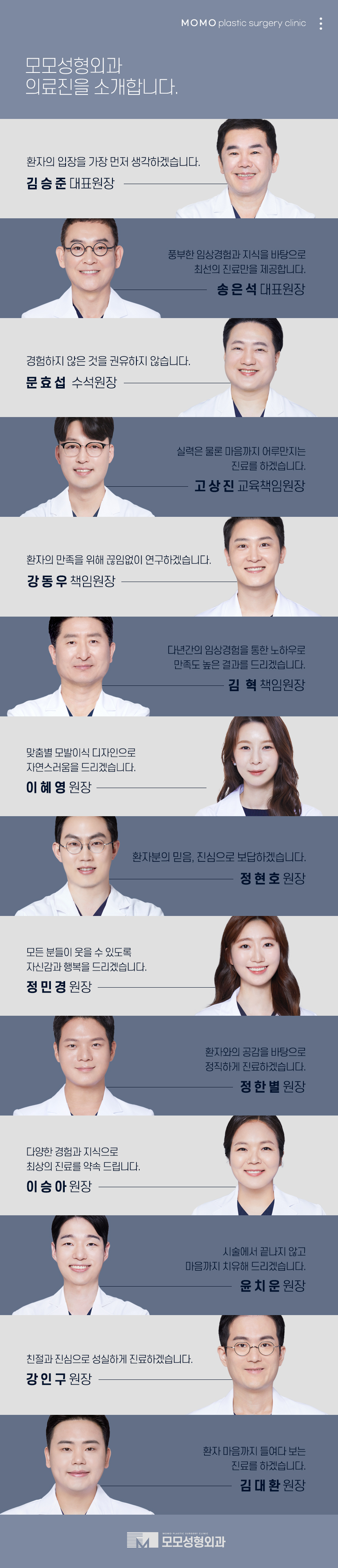
If the surgeon is highly skilled, concerns about side effects can also be reduced.
It is not simply about performing the procedure;
it must also be carried out in a way that looks natural,
and the depth at which the follicles are implanted must be carefully managed.
If they are placed too shallowly,
a side effect of swollen pores may appear,
and if they are placed too deeply,
the scalp may appear sunken,
and the possibility of folliculitis must also be considered.
For this reason, it is advisable to work with a medical team that has multiple clinical cases.
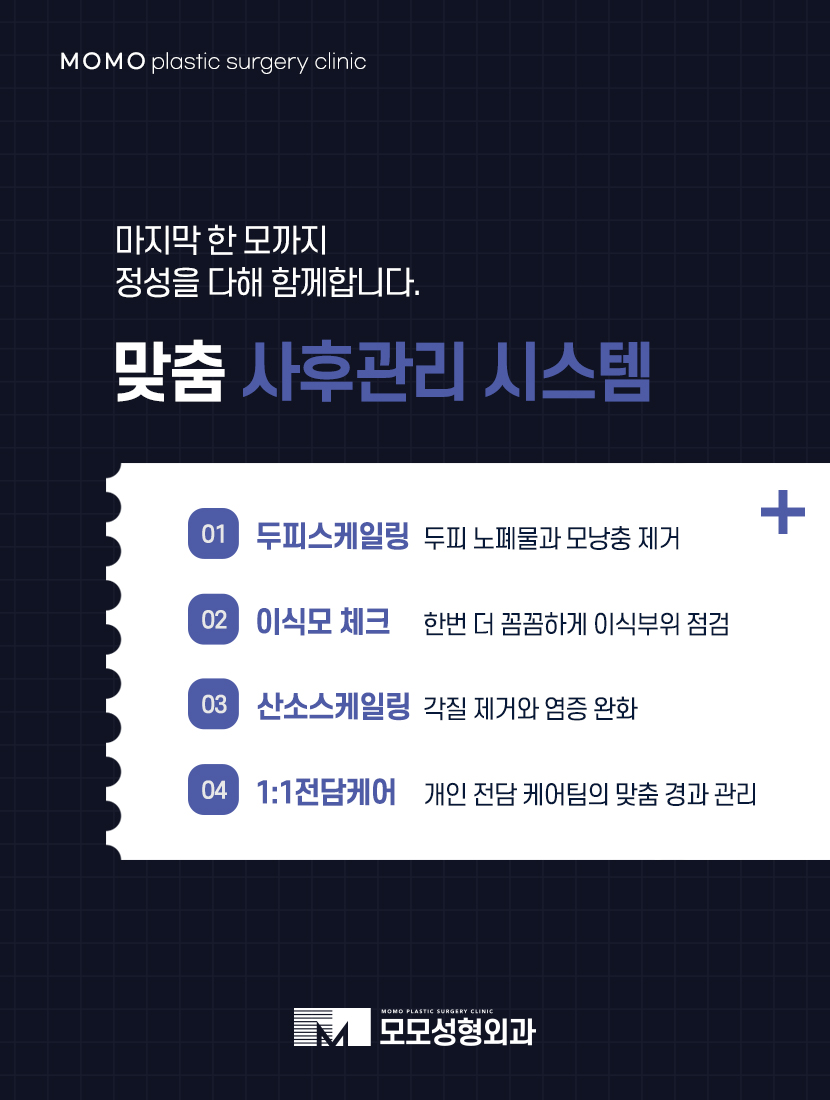
In addition, it is important not to overlook a careful review of the aftercare system.
It is not enough to simply transplant the natural hair and end there;
aftercare must be carried out without problems in order to increase the survival rate and reduce side effects.
You must thoroughly understand and follow the instructions given by the non-incisional hair transplant clinic,
and implement care methods appropriate to each stage so that the transplanted follicular cells can settle properly and go on to produce hair.
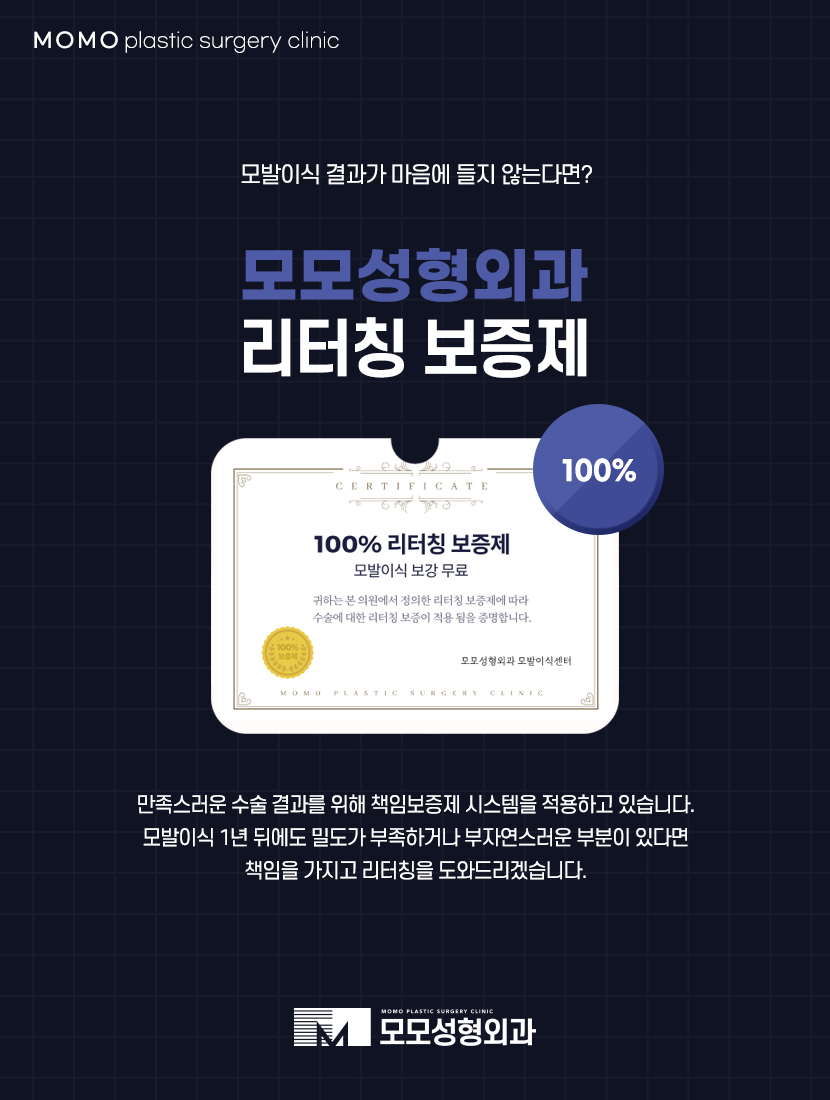
This may seem like a simple procedure,
but in fact, it requires a great deal of effort.
That is why, to avoid failure,
it is important to fully understand the points that must be followed and checked
to ensure a satisfying result from a single procedure.
If you find a non-incisional hair transplant clinic and receive a smooth procedure,
and if the outcome is highly satisfactory,
you may be able to move away from the worries caused by hair loss
and experience an improved quality of life.
Therefore, through careful checks,
please choose a related clinic and regain your confident self-assurance and stylish appearance.