Even if you check the weather forecast these days, you can see there is a lot of talk about fine dust
and yellow dust. These substances can cause problems by blocking the hair follicles on the scalp,
and they may also lead to hair loss symptoms that did not exist before. For those who are already
experiencing symptoms, the condition may worsen. As hair falls out, the number of hairs decreases,
which can ultimately have a negative effect on appearance. For that reason, it is important to pay
attention to care regardless of the season or date, and it is important to make efforts to prevent
natural hair from falling out due to disease.
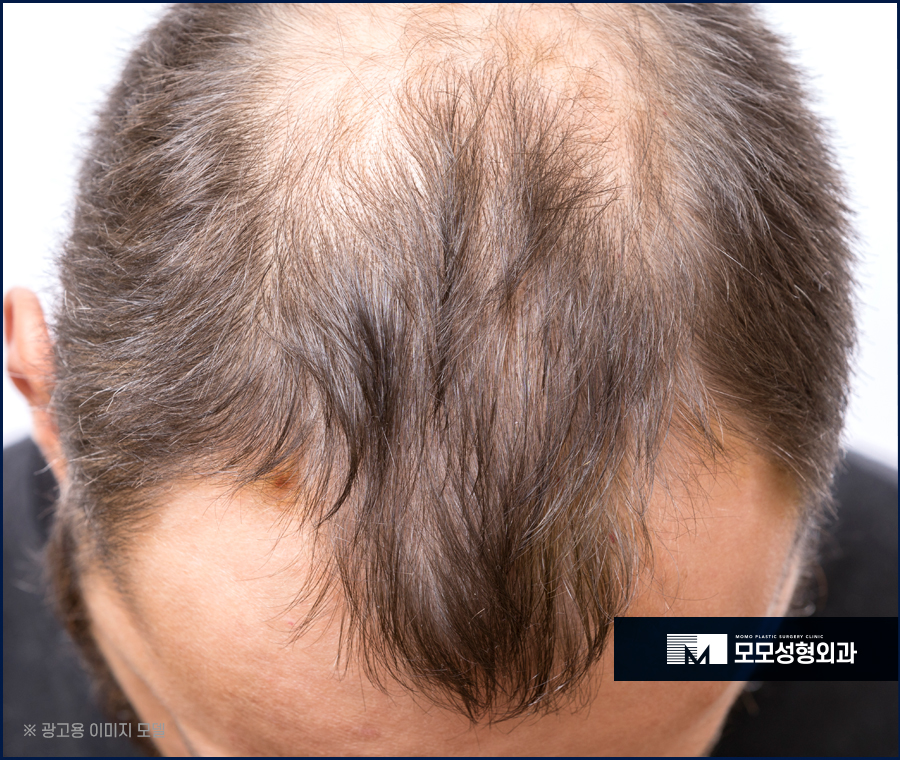
Usually, losing about 50 to 70 hairs a day can be considered normal. However, if the number of
hairs that fall out—such as the hair found on the floor after washing your hair and drying it with a
hair dryer, or the hair on your pillow when you wake up—exceeds 100, it may be worth suspecting
hair loss symptoms. In that case, it is also important to respond through a related medical facility,
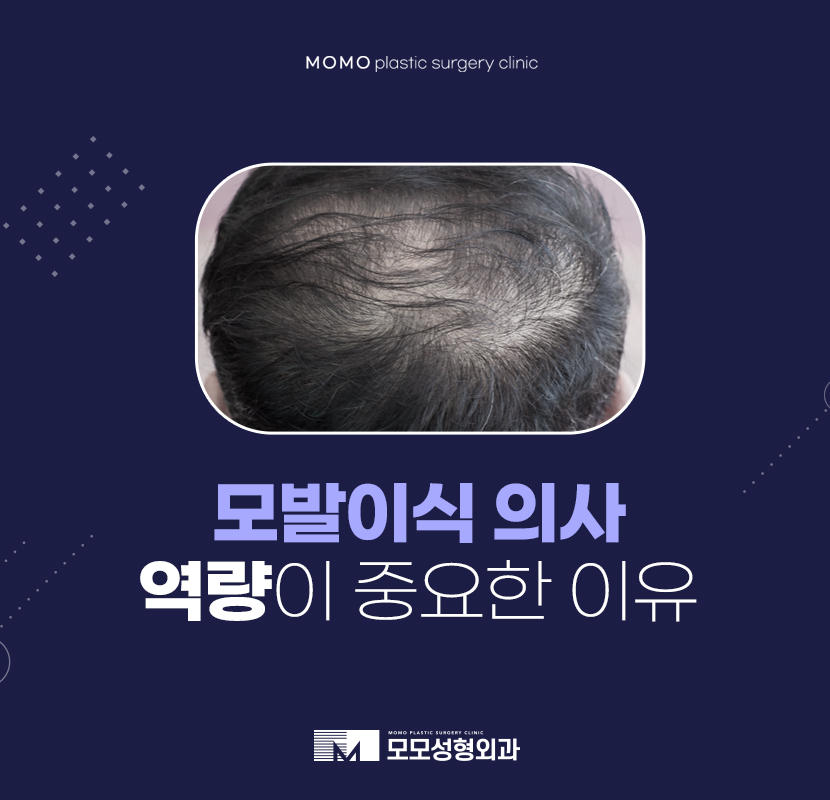
and it is important to look into various factors, including the skill of the hair transplant doctor.
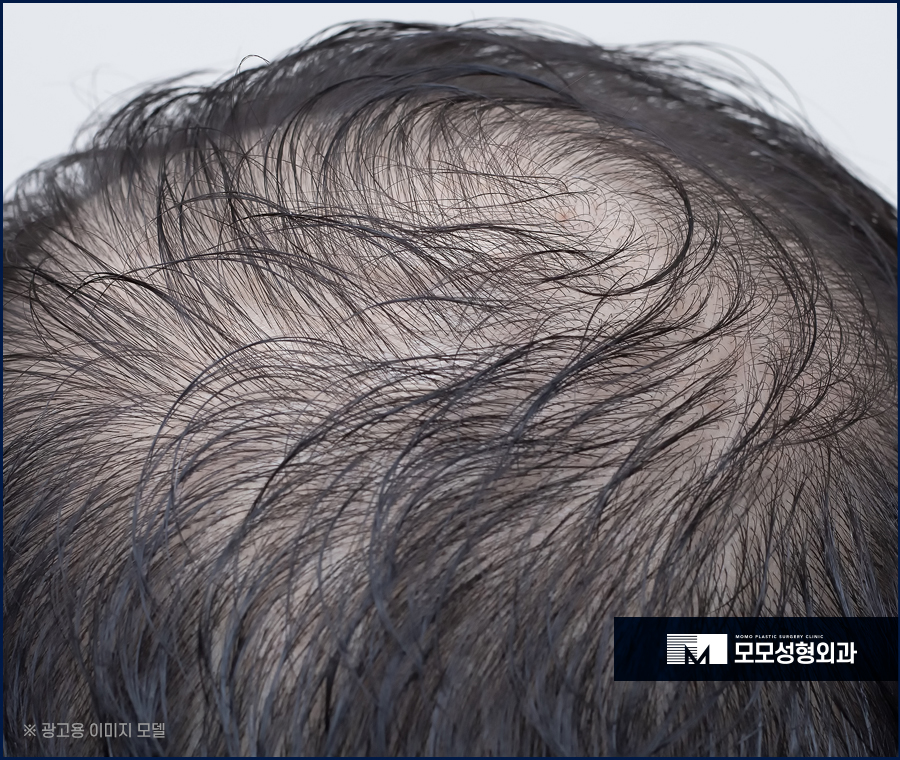
The causes of these symptoms can appear due to external environmental factors, but genetic
reasons also account for a large proportion. The male hormone substance called androgen can also
be important. In addition, it can occur for various reasons such as the patient’s scalp condition,
inflammation, disease, medications being taken, or childbirth, but one common cause is stress.

When severe stress and excessive fatigue continue, blood vessels constrict, and if the scalp also
becomes tense, the supply of nutrients becomes difficult, which can lead to hair falling out. It can
also occur due to smoking and drinking, so caution is important.
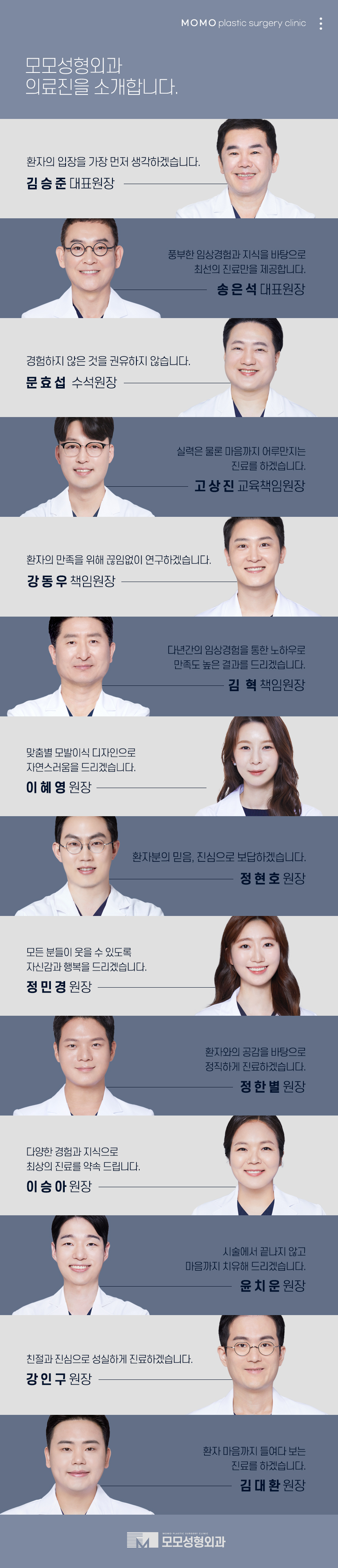
If you notice symptoms that are different from before, or if they have already appeared, it is
important to receive appropriate treatment. They do not naturally recover over time; instead, they
may spread to other areas and gradually worsen.
It may be good if the patient can identify the cause of the symptoms and take appropriate action,
but because it is not easy for people to make a diagnosis, getting help through a related medical
institution can also be a good option. If the condition has already progressed to a stage where it is
hard to resolve with oral medication alone, it may be better to undergo the process of transplanting
natural hair through a hair transplant doctor.
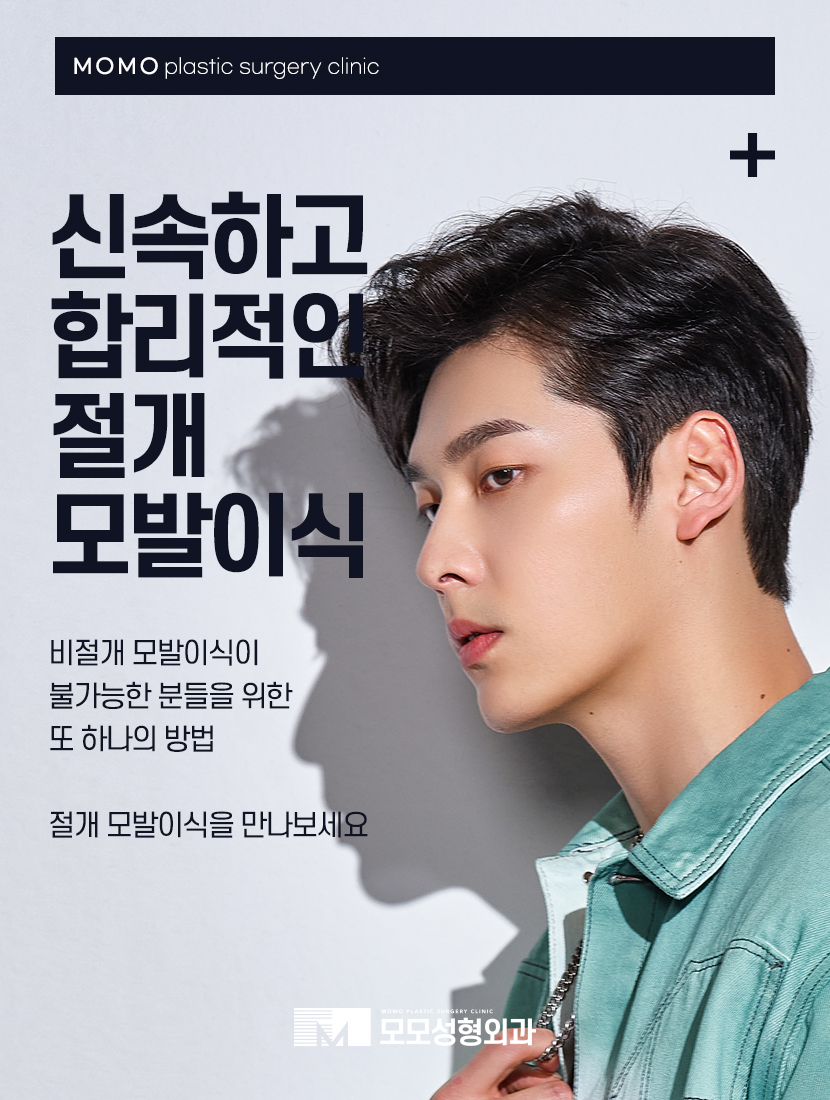
After local or sedation anesthesia is administered in advance, the hair is collected from the back of
the head, which is free from the effects of the symptoms, and transplanted. In general, this can be
divided into incision and non-incision methods.
First, the former method is a process of transplanting after making an incision in the scalp. It may
cause scars and pain, but it takes less treatment time and has the advantage of being suitable when
a large amount is transplanted. The latter method is a process of selecting healthy follicles and
transplanting them one by one. It may take longer, but the burden on the body is smaller, so it has
the advantage of faster recovery.
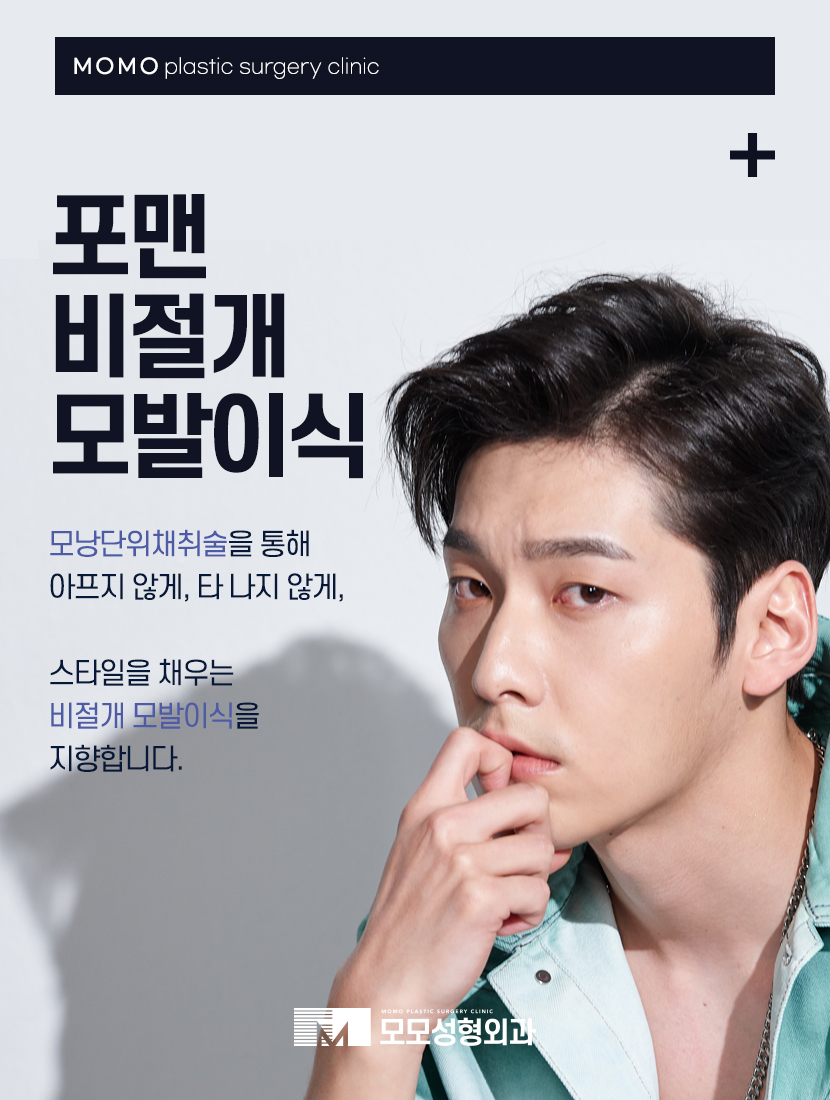
Although scars or pain may occur through the incision procedure, the burden is reduced through
single-lock and double-lock suturing methods. In non-incision procedures, it is possible to naturally
cover the area through cutting so that it does not stand out in daily life. For those who are short on
time, there are also procedures performed in one day, so we recommend consulting and being
examined in detail by a hair transplant doctor to find the appropriate method.

One of the two methods is selected and performed, and the hair transplant doctor proceeds while
considering the scalp and the patient’s condition. Since the goal is ultimately to restore full hair,
rather than deciding on the treatment process in advance, it may be better to visit a related medical
institution, learn about the suitable method, and then make a decision.
Because the procedure must be carried out by filling in areas that are lacking, the patient’s condition,
cause, procedure method, desired style, and other factors should be examined before establishing a
plan for the direction of the technique.
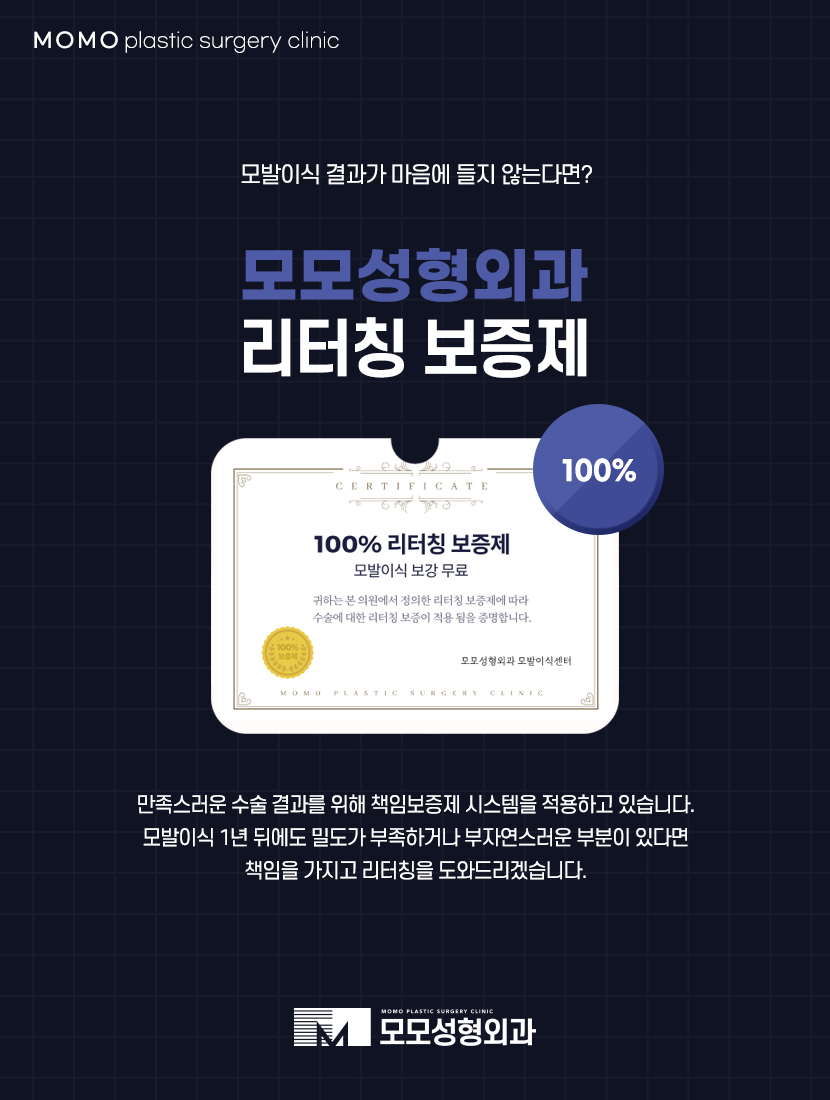
Ultimately, this is something that can vary depending on the hair transplant doctor’s skill, so it is one
of the factors that should be carefully checked before visiting a clinic. Confirming whether they have
rich experience and know-how through various clinical cases and excellent technical ability is not only
necessary for achieving high satisfaction, but can also help increase graft survival and reduce side
effects. That is why we say skill is important for these reasons.
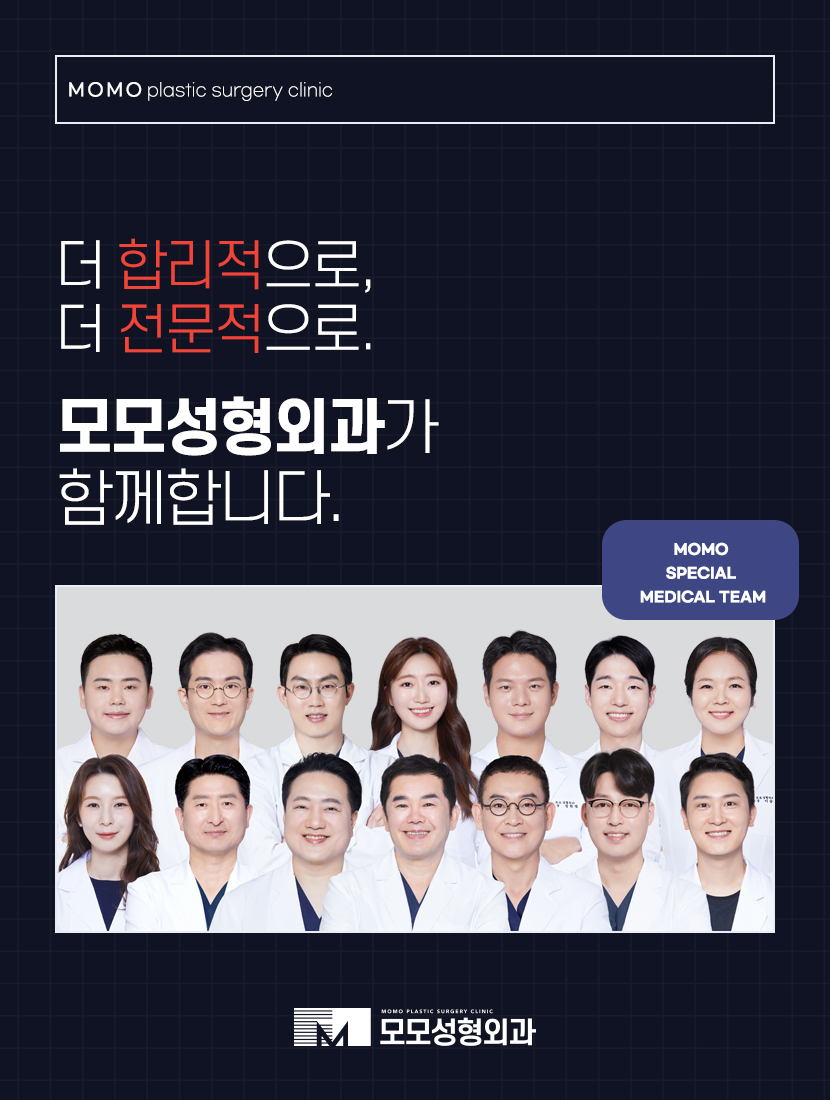
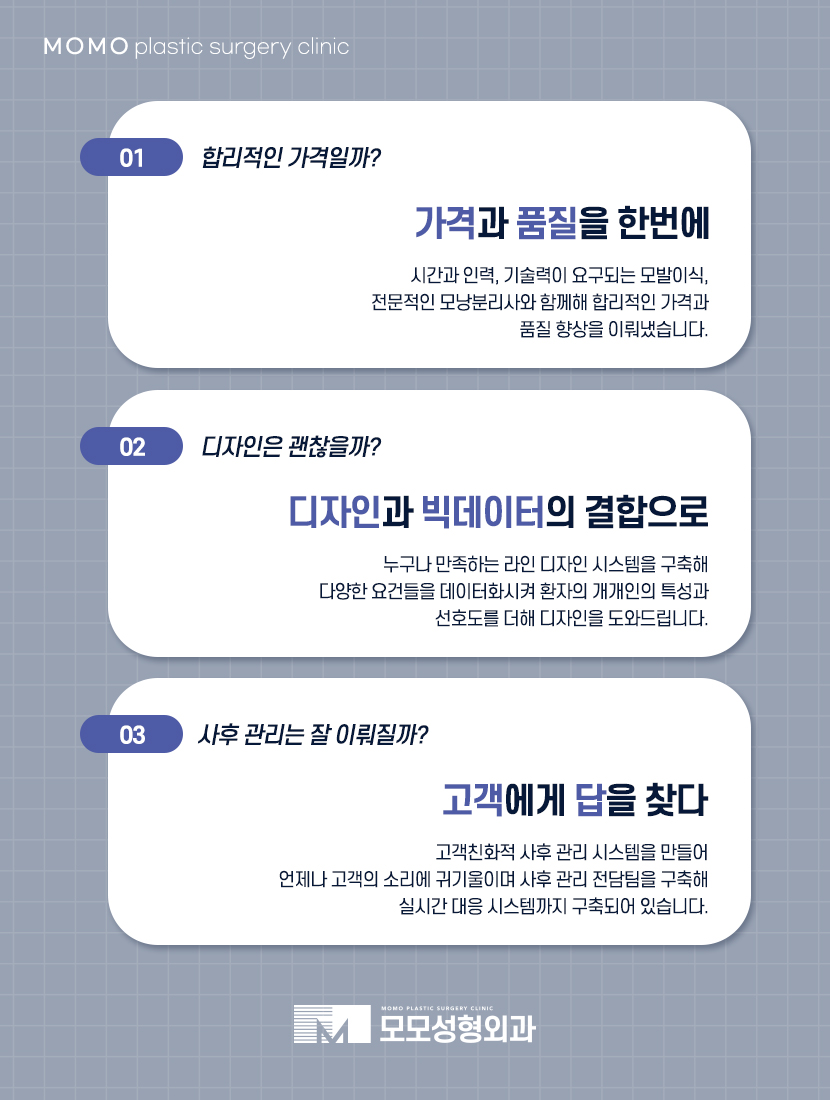
In addition, you should avoid focusing only on very low prices. Rather than looking into only one
method, it is also good to carefully check collaboration among hair transplant doctors, treatment
methods, and the procedure process. However, because the results can vary depending on aftercare,
you should also look into whether a guarantee program is in operation. Only then can you expect a
good prognosis and also achieve the style you had in mind.