Hair loss is, in fact, a unique male hair loss pattern,
and many people are concerned about it.
In general, genetic factors are the main cause,
and in some cases, health issues, habits, stress,
and other various reasons can also have an effect.
Most cases are usually due to family history,
but recently it has not been limited to that reason,
so it has been appearing in many people regardless
of gender.
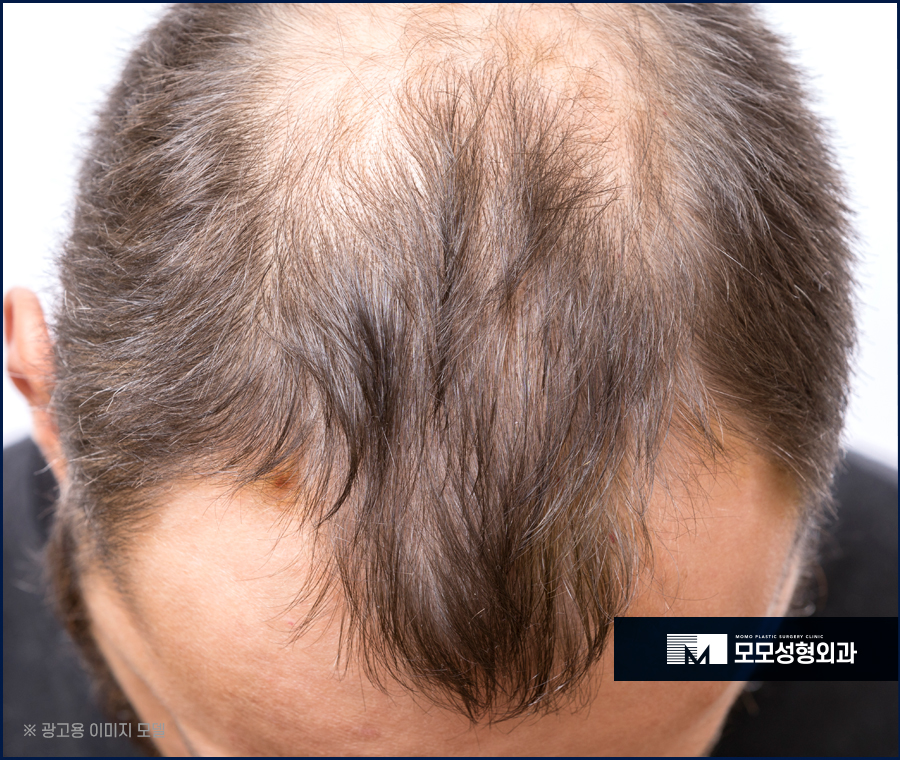
As hormones change and the balance of various nutrients
is disrupted, terminal hair begins to fall out due to
different causes such as heredity. Among these, it is
common for the hairline to recede backward. This happens
as male hormones become activated and change into a
substance called DHT, which stands for dihydrotestosterone.
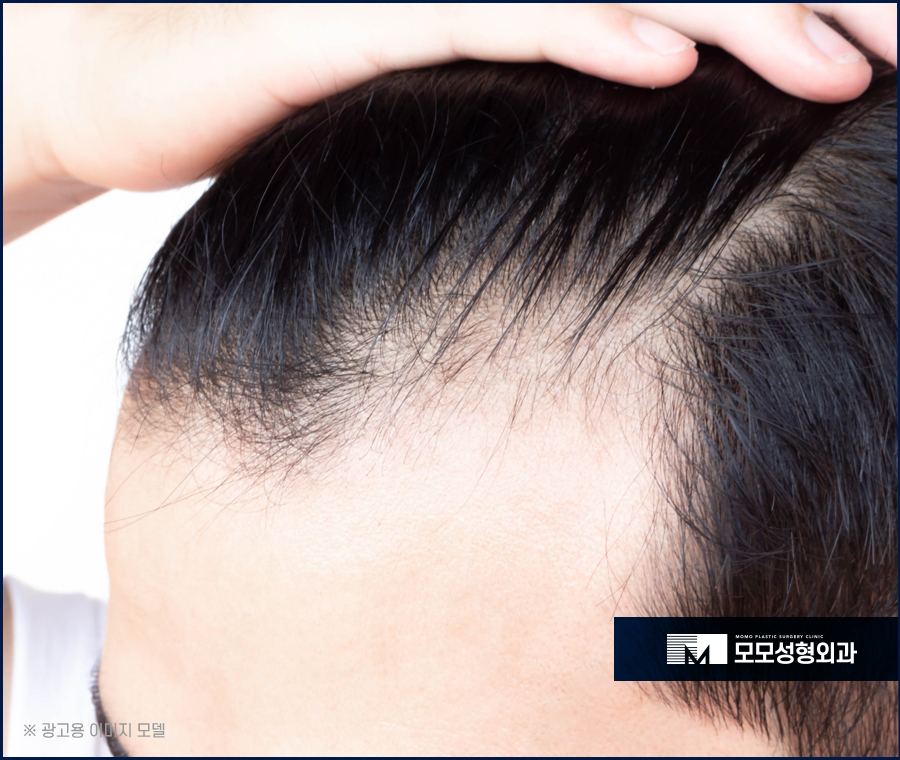
This not only causes the follicles to shrink,
but also makes terminal hair thinner, which has an
effect of causing it to detach from the follicles.
In fact, male hormones are an important factor that
cannot be done without, but when they are secreted
too much or when DHT accumulates, it can eventually
lead to the problem of natural hair falling out.

In addition, natural hair loss can also occur due to
poor eating habits. Even if you frequently eat greasy
and刺激적인 food, excessive sebum is secreted on the scalp
and accumulates, causing inflammation, which in turn
leads to hair loss. Depending on the shape, cause, and
treatment method, the recovery process will differ.
Among these, the most common case is a receding
hairline, which is why many people seem to visit an
M-shaped hair loss clinic.
This refers to a symptom in which the area that is
closest to the face recedes backward, creating a
boundary that looks like the letter M. This is often
due to dihydrotestosterone, and it is also the most
common type among men in our country.
If it is in the early stage, treatment may involve using
a medication such as minoxidil to suppress DHT
production, applying it about twice a day, and in some
cases, taking medication containing ingredients such as
finasteride.
The approach varies depending on the case, and in fact,
these treatments differ based on the current symptoms.
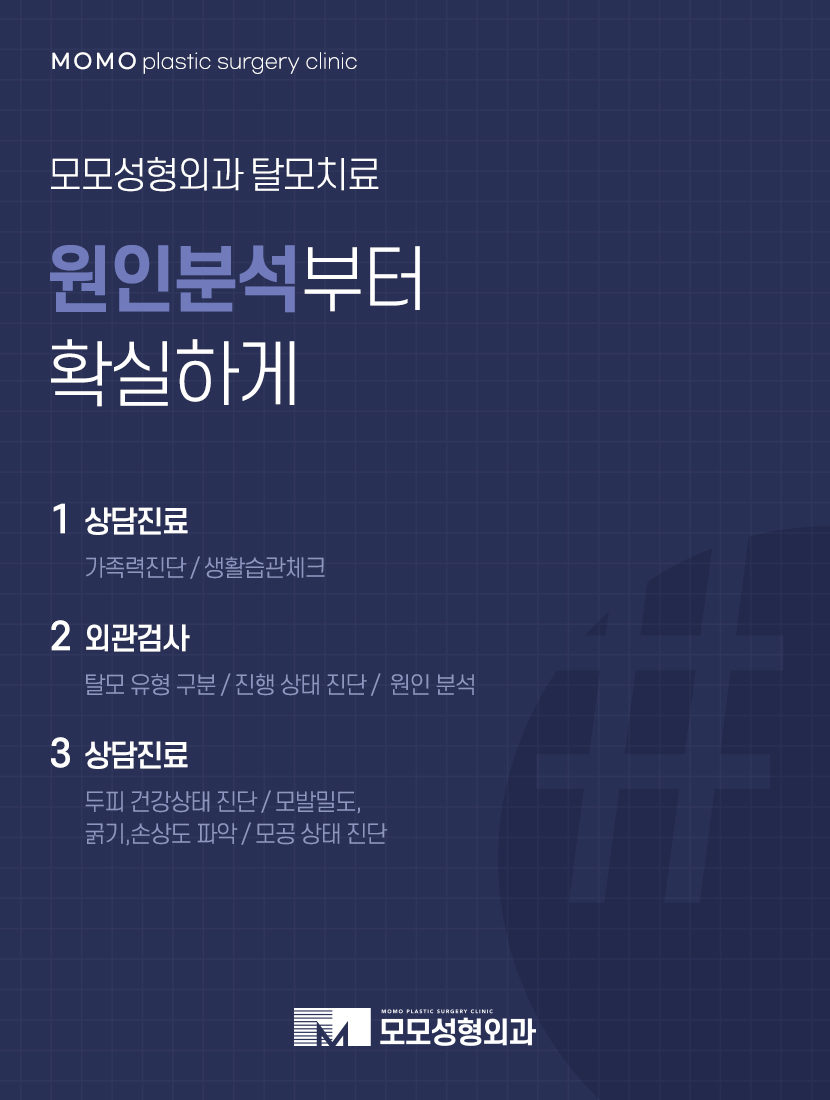
To determine this clearly, it is best to visit an
M-shaped hair loss clinic. Since earlier treatment is
better, if you feel that more hair than usual is falling
out or notice that the terminal hair near the hairline is
getting thinner, it is advisable to visit the relevant
clinic without delay.
Because the hair gradually becomes thinner and falls out,
the reason the sides appear deeply receded is not that
there is no natural hair there, but that the strands have
become so thin that they look like fine fuzz and appear
empty. Since there is currently no method that can
completely stop this, prompt treatment is important, and
if you hope for recovery, you should consider options
such as hair transplantation through an M-shaped hair
loss clinic.
After visiting an M-shaped hair loss clinic, it may be a
good idea to first have a consultation about which
direction would be best to take. It is important to
understand the cause of the symptoms and find the most
effective recovery plan so that an excellent result can
be achieved.

If treatment with medication is difficult, you may
consider surgery to transplant hair from the back of the
head and redistribute it to the empty areas. This type
of procedure is called hair transplantation and is often
considered one of the most prominent methods for
addressing the condition.
A detailed assessment is performed by carefully
considering various factors such as the thickness,
color, direction, density, and texture of the terminal
hair, and then the actual implantation is carried out.
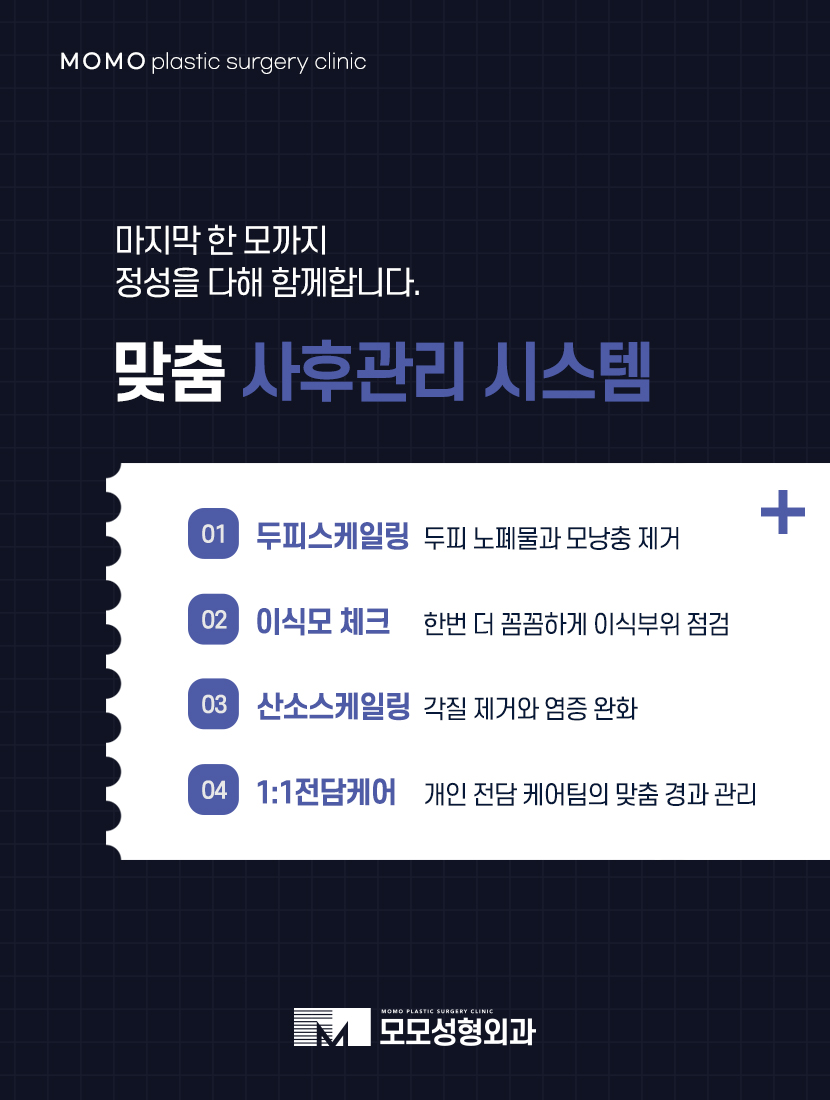
At this time, a non-incisional method is preferred over
a method that involves excision. It can promote faster
recovery, cause less physical irritation, and reduce
bleeding, which is why many people seek it out. In fact,
it can also be chosen according to individual needs, but
the most appropriate process is to decide, together with
the medical staff at the M-shaped hair loss clinic, which
procedure is best for the current condition.
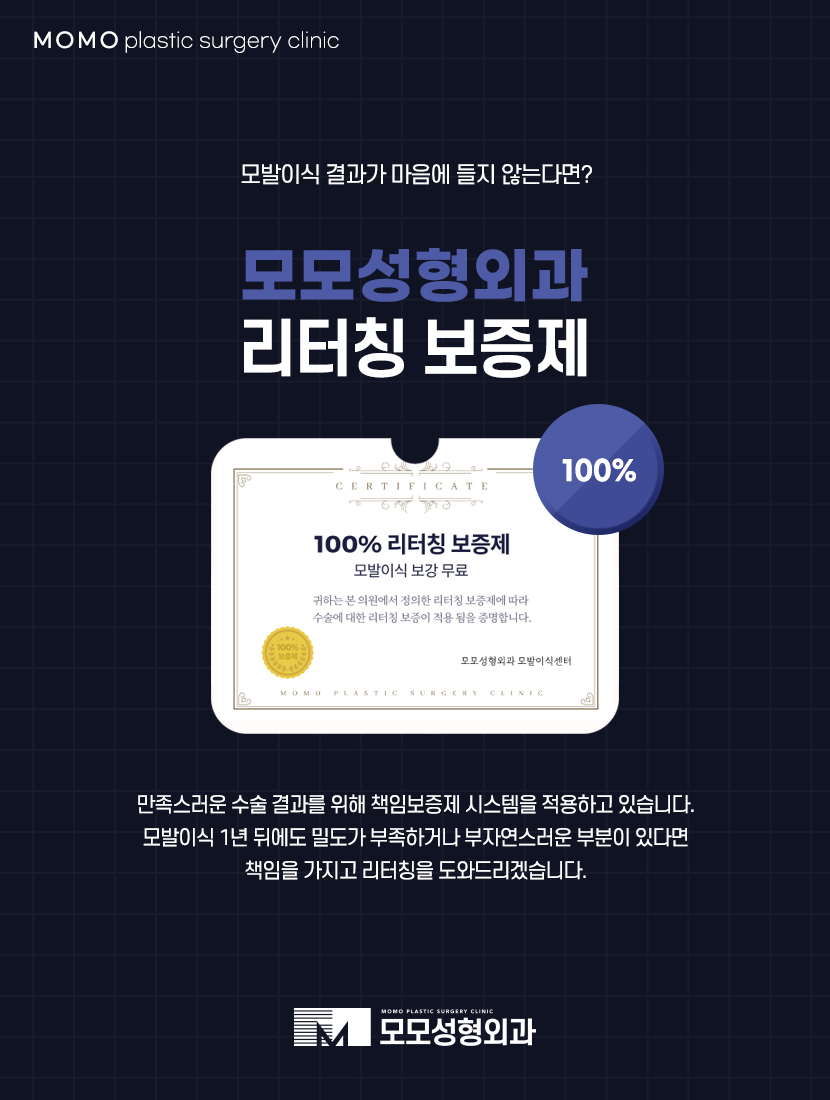
What matters is finding an efficient method for recovery
when a large amount of natural hair is needed.
This becomes a key success factor, and the subsequent
survival rate can also vary greatly, so it is necessary
to achieve a satisfying prognosis based on delicate
diagnosis and the information obtained in advance.
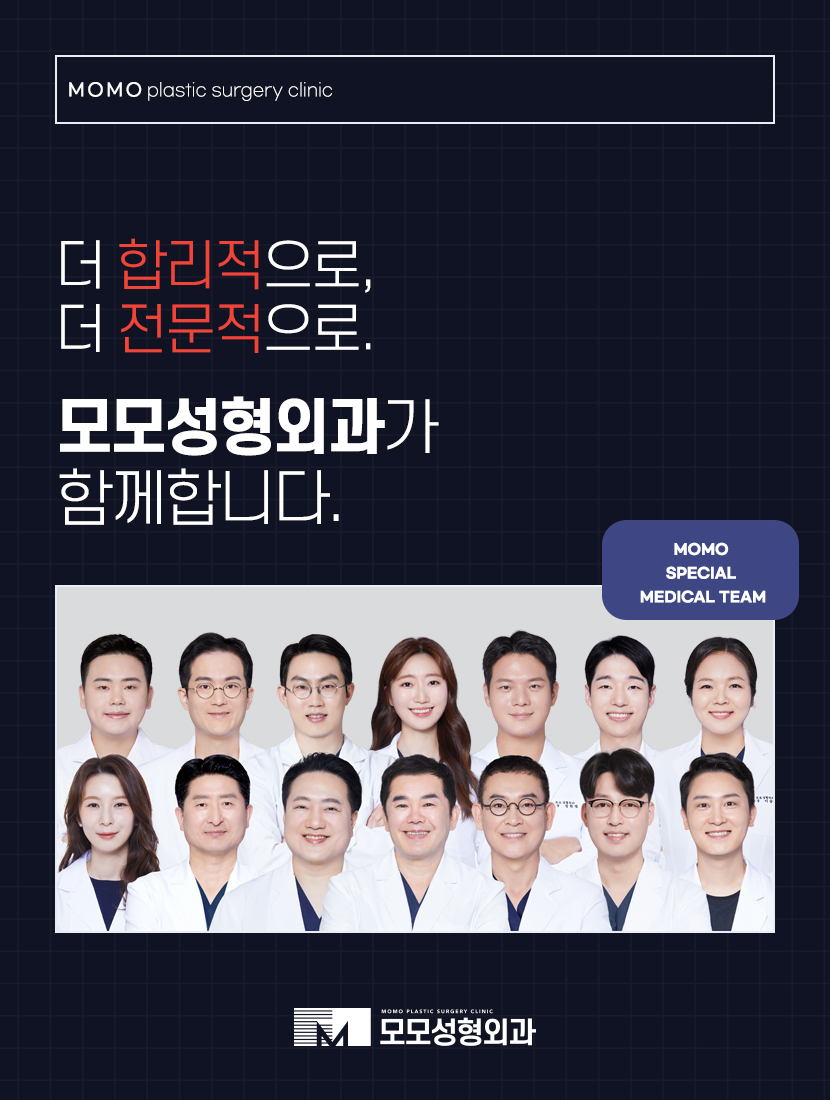
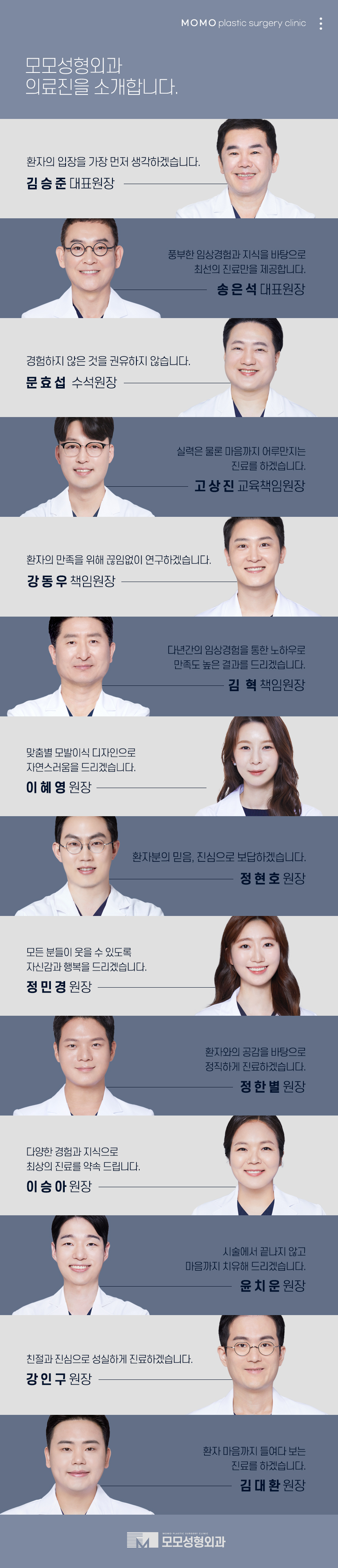
That is why it is better to visit an M-shaped hair loss
clinic that can provide delicate support from the
diagnosis stage. At this time, you should also check
whether they can design a suitable hairline and what kind
of management program will be used to support recovery
afterward. These are essential considerations for solving
the concern and welcoming a better outcome later, and
they can greatly help improve satisfaction.