Cases of concern caused by natural hair loss in the central part of the head are now occurring regardless of age or gender. This condition should be treated in a way that is tailored to each patient’s symptoms, but there are many cases where symptoms become even worse because the wrong method was applied. If your hair volume seems noticeably reduced compared with before, or if symptoms appear widely around the crown centered on the part line, it is best to quickly look into measures for 20s crown hair loss and receive appropriate treatment.
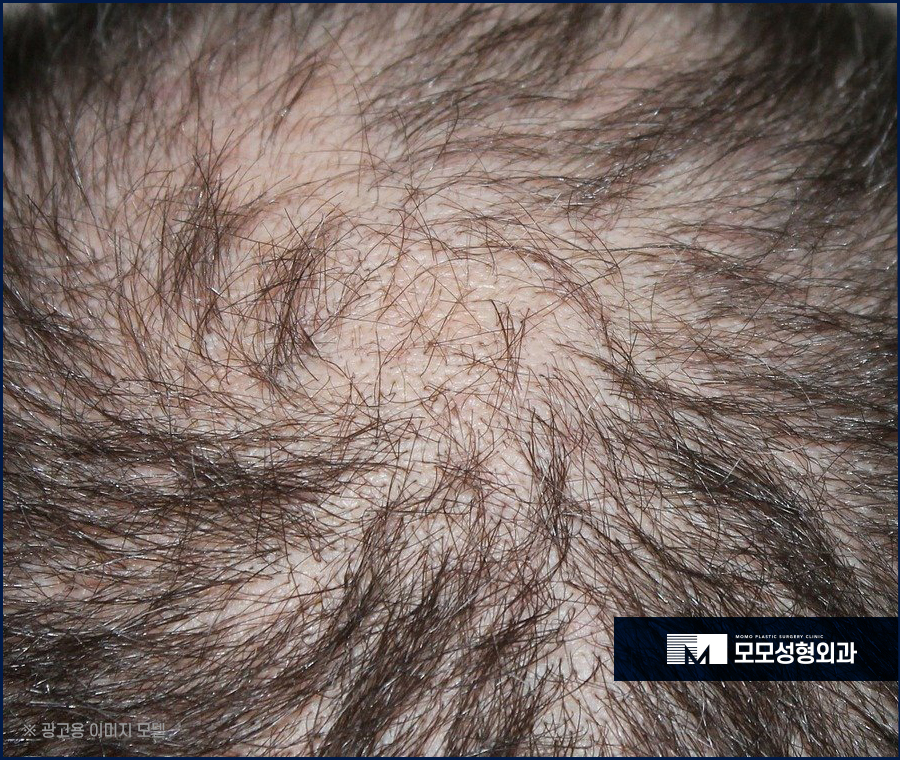
Because they are young, many people leave it alone, thinking that even if natural hair loss occurs, it will naturally recover over time. However, it can gradually spread to other areas and worsen even more, so you should get examined as soon as possible. Normally, hair loss and similar symptoms may be thought of as something that happens to men, but nowadays women can also experience hair loss.
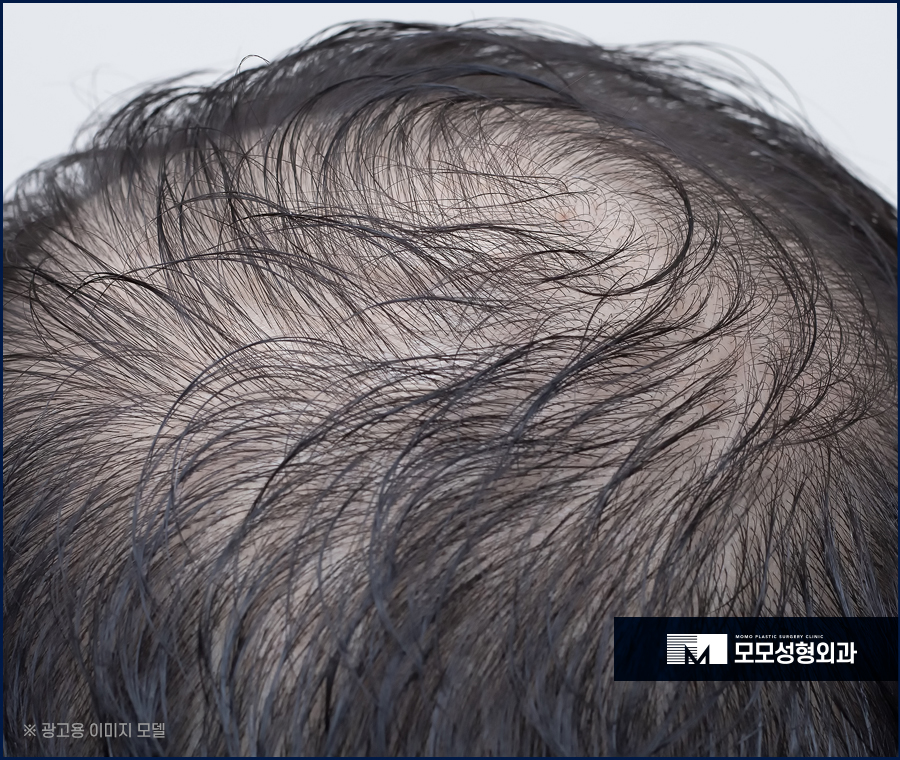
Both men and women experience gradual hair loss, but unlike male-pattern hair loss, it does not show a fixed pattern and is characterized by overall natural hair shedding. If the hair becomes thinner over time and the part line becomes less dense, you should suspect the early signs of 20s crown hair loss. For women, not only does the number of hairs decrease, but the thickness also becomes thinner, which can gradually widen the spaces between hairs and even lead to the scalp becoming visible.
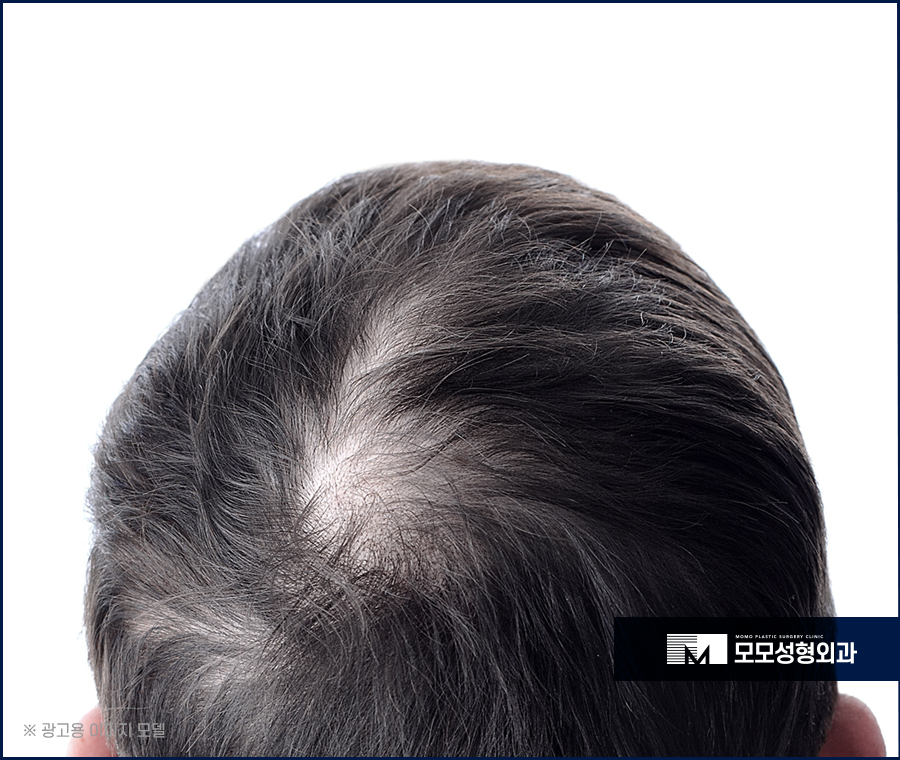
These symptoms can lead to many changes from just one hairstyle for young people, who are sensitive about their appearance and put a lot of effort into maintaining their image, so extra caution is needed.
Therefore, if you think you have symptoms, rather than expecting recovery through folk remedies or functional products on your own, you should visit a related medical facility and receive treatment and care suited to the level of 20s crown hair loss to expect better results.
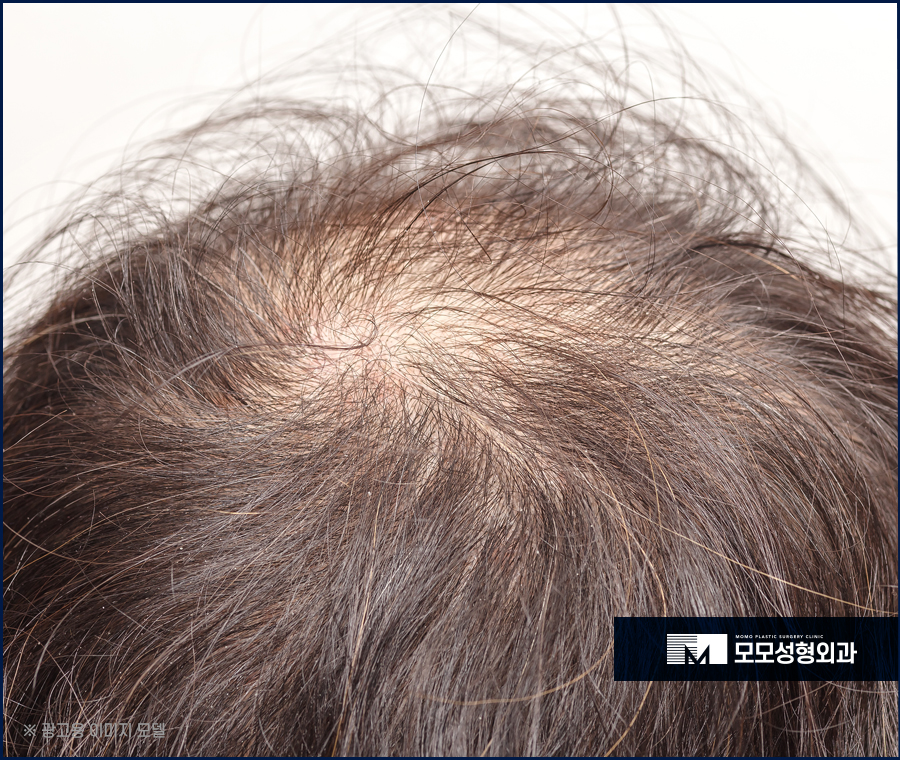
This condition is generally known to occur mainly in men in middle age and older and is often recognized as a problem caused by family history. However, these days there are many cases where the condition develops for acquired reasons rather than congenital ones. It can also occur when nutrients are lacking in the body due to dieting or picky eating habits. In addition, eating mostly greasy or irritating foods, irregular sleep habits, stress, and smoking can also affect natural hair.
These days it often appears in people in their 30s, but 20s crown hair loss also occurs frequently. If you suspect it, you should immediately visit a clinic or hospital for detailed examination, consultation, and appropriate measures. In particular, this issue is very difficult to detect early, and many cases are noticed by other people. If something feels different from before, you can simply test yourself through self-diagnosis methods. If it seems to apply to you, you should immediately visit a related medical facility and receive proper treatment.
If there are family members with thin hair or baldness, if you have more and thicker body hair than average, if your scalp does not feel soft but rather hard when touched, or if the area feels tight and pulled, if your scalp feels itchy and sensitive, if your head itches often and you have dandruff, if the thickness of your hair has recently become thinner and seems weaker, if a lot of hair falls out when washing your hair, if pimple-like bumps often appear on the scalp, and if more than half of the cases such as greasy hair and odor apply to you, these are early symptoms. It may also be good to look into the procedure for 20s crown hair loss.
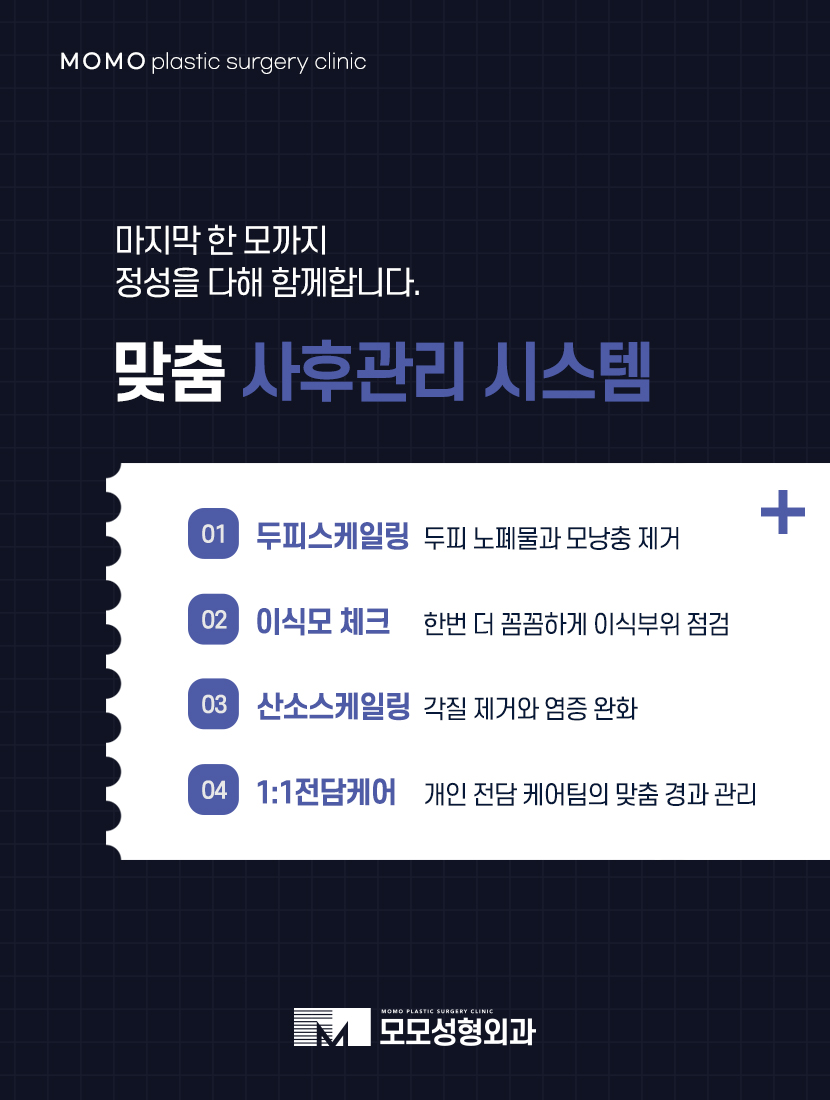
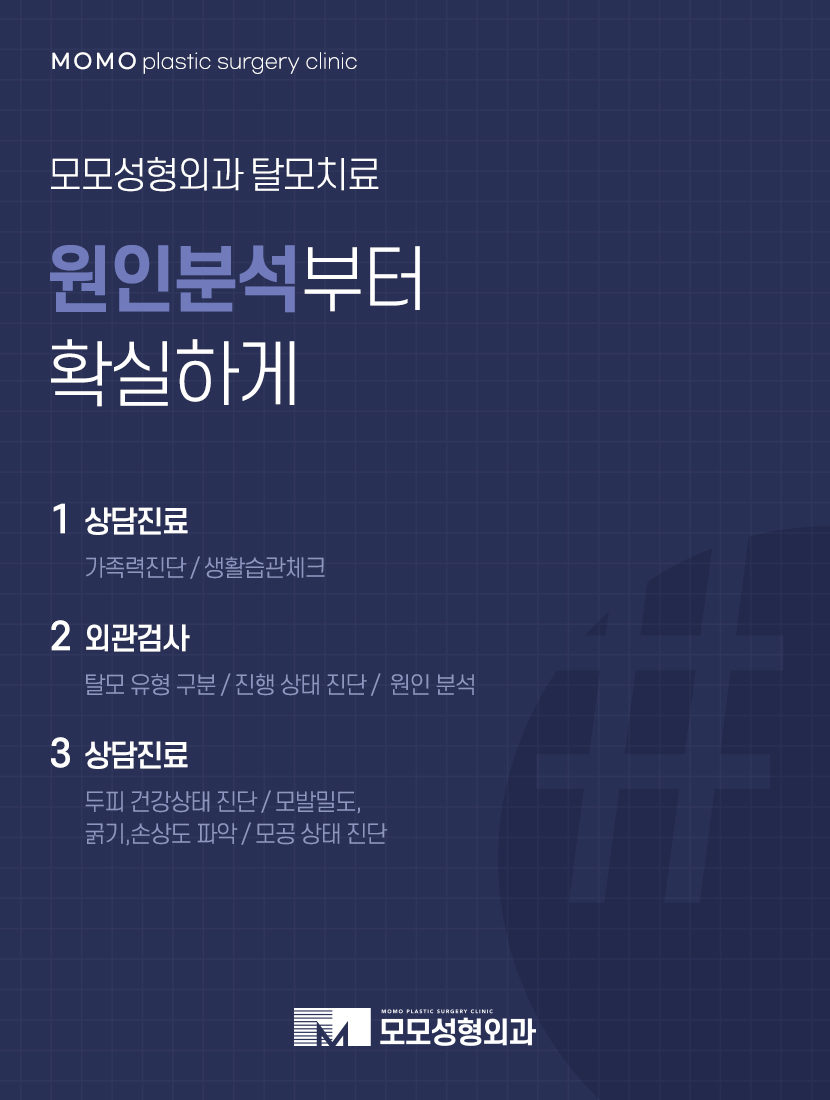
After visiting a clinic or hospital, counseling and examination for 20s crown hair loss are first conducted. After inspecting the patient’s appearance and performing a detailed check, it is first determined whether hair transplantation would be good, or whether treatment is possible through other methods without transplantation. Then a procedure suited to the symptoms is carried out. If the symptoms are at a level that can be improved through programs using equipment such as a scalp diagnostic device, O2 scaling, or an LED healing machine, or through medication, treatment may be possible without needing a transplant.
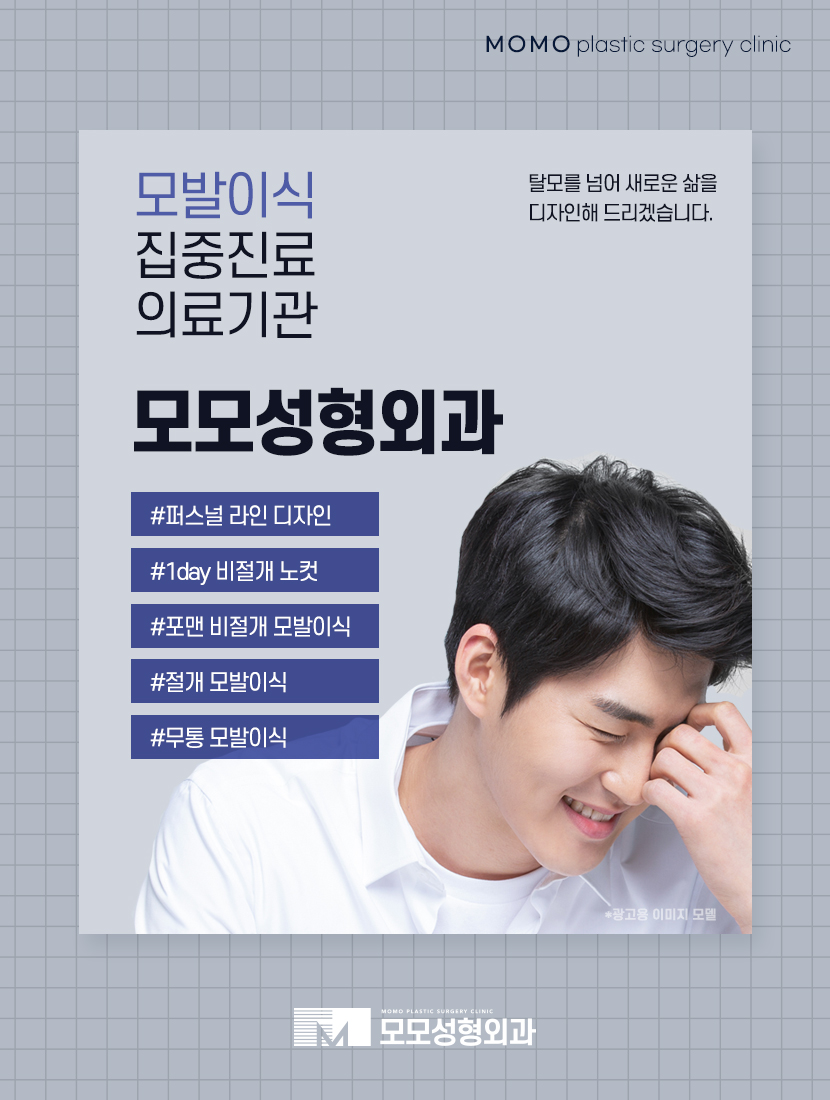
However, if the symptoms have progressed to a stage where recovery through ordinary methods is difficult, a transplant-based approach can be considered. There are methods using incision and non-incision techniques, and if you are worried about body hair transplantation or the pain that may occur during the procedure, there is also painless hair transplantation.
This can vary depending on the patient’s condition, characteristics, and level, so rather than worrying alone about which method to use for improvement, please note that when this condition appears, you should immediately visit a related medical facility for confirmation and receive appropriate treatment so that you can regain a natural hairstyle as before.