In the past, when people talked about natural hair loss, it was often seen as a condition that only affected men.
But these days, it seems that just as many women as men are worrying about this kind of symptom, and compared with before, the number of women concerned about it has increased.
It also used to occur mainly in people in their 40s and 50s, when aging generally begins, but recently it has also started commonly in people in their 20s and 30s, which shows that the age of onset is becoming younger.
�a0
�a0
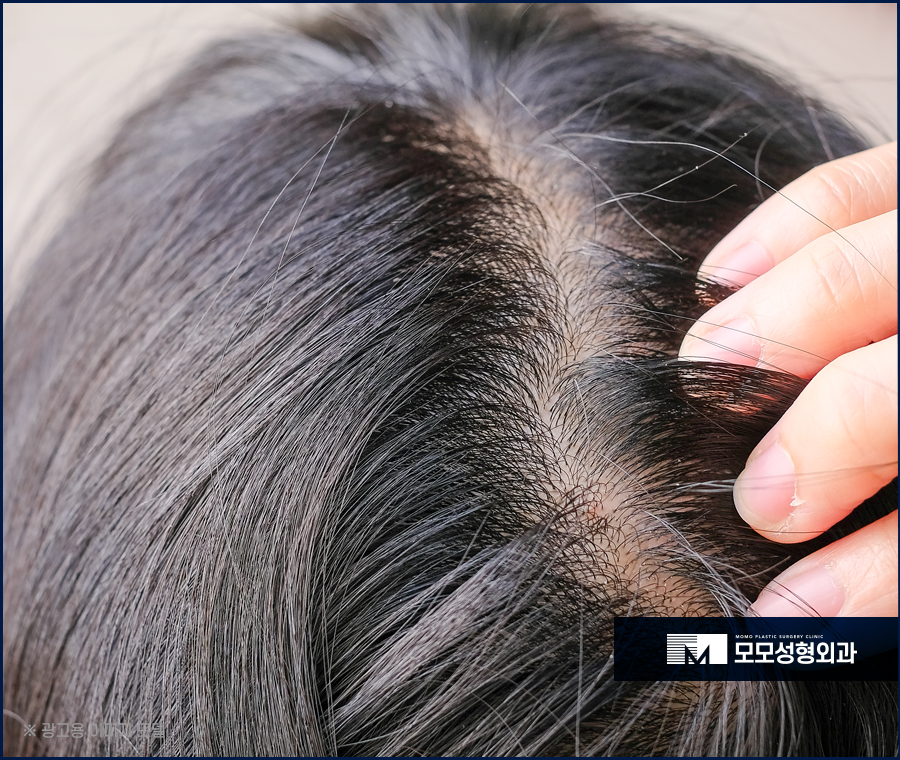
In women, the affected area can also vary. Depending on where the natural hair loss occurs, it may be divided into female part-line hair loss, crown loss, and frontal hairline loss. Because women are generally more sensitive to appearance than men, the desire to restore and improve it seems to be stronger as well.
�a0
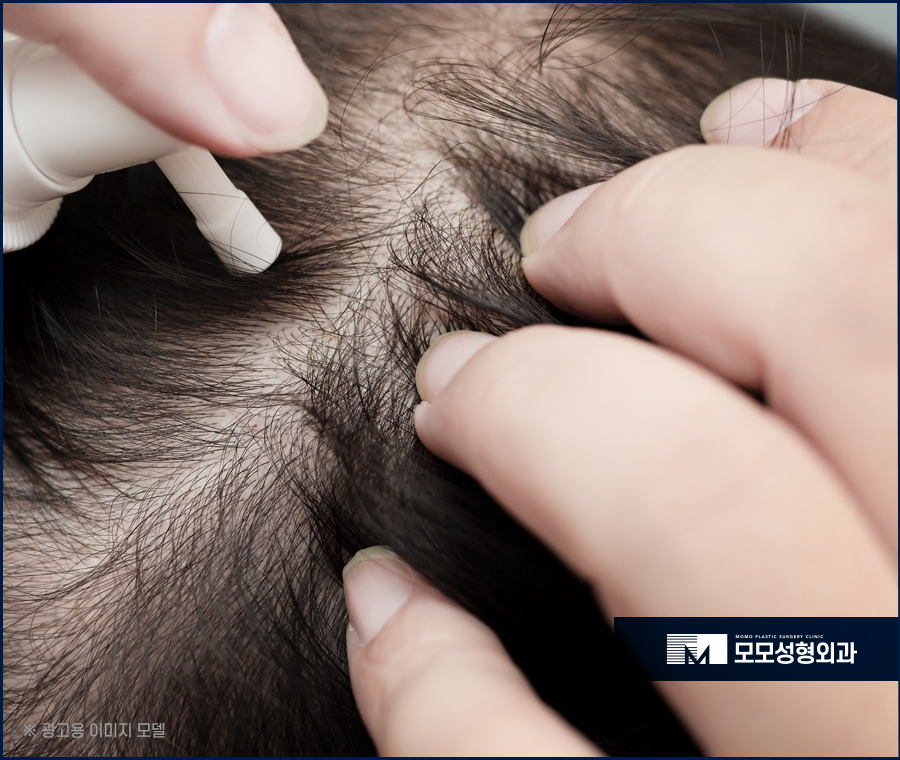
In addition, female part-line hair loss progresses gradually while keeping the hairline intact, unlike male pattern hair loss, so it often takes quite a long time for people to notice it themselves. Today, let’s look at the causes and reasons for this condition, as well as whether there are treatment methods that can help recovery.
�a0
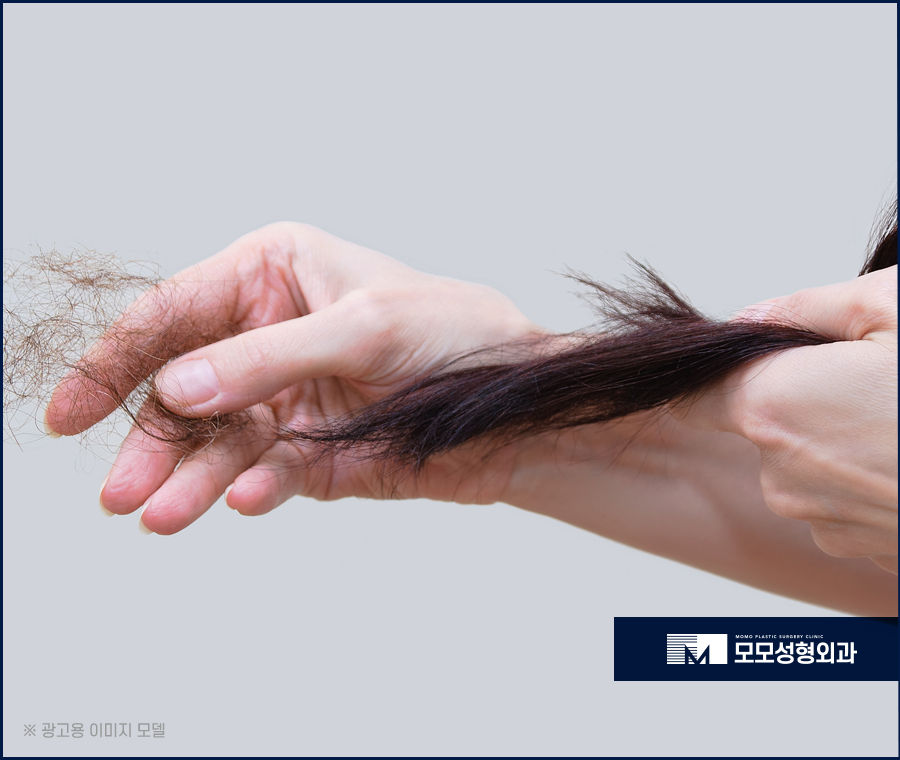
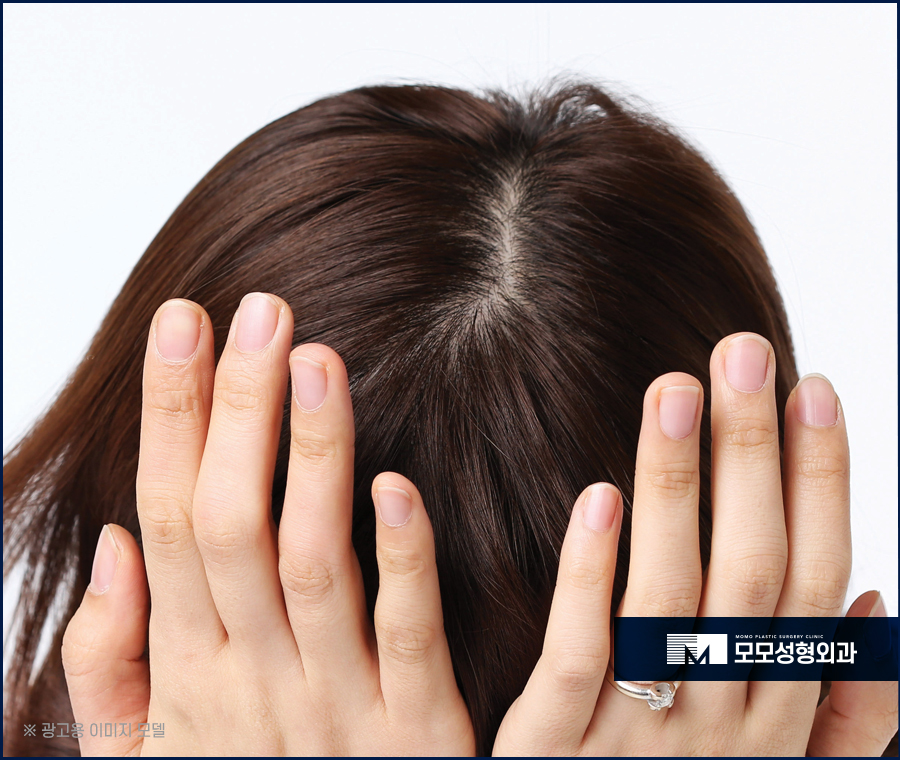
The main causes of female part-line hair loss can be divided into several types. Family history and heredity can have an effect, and stress, which everyone living in a highly advanced society experiences, can interfere with blood circulation and block the supply of nutrients to the hair. Irregular eating habits and environmental factors can also act as causes of the symptoms.
�a0
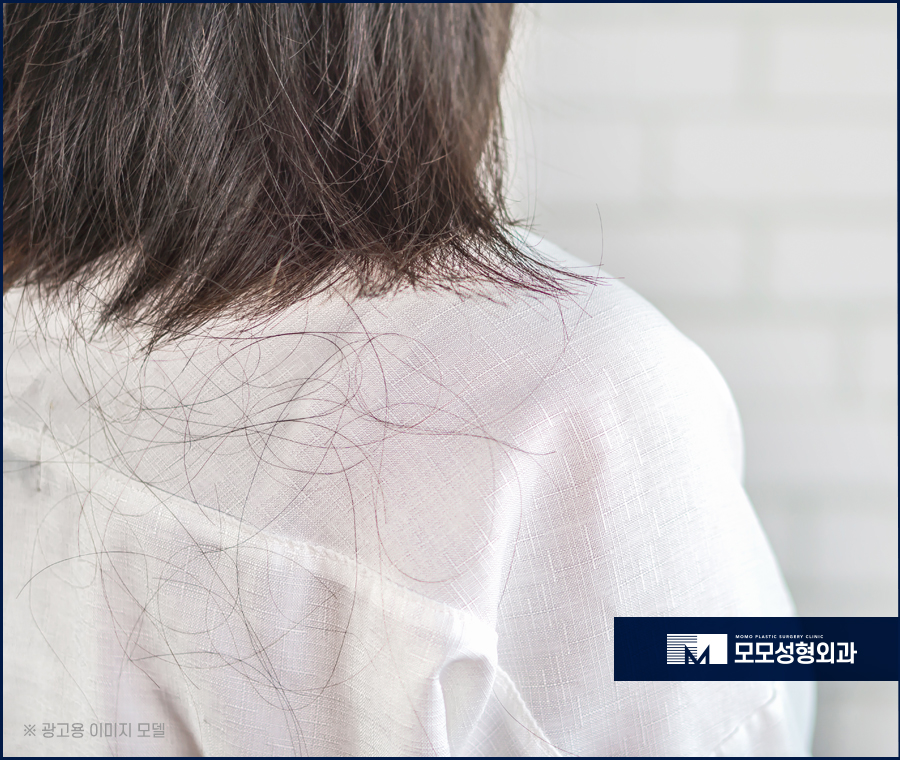
In particular, crown hair loss and female part-line hair loss can also be caused by conditions such as thyroid disease, and the condition can develop when sensitivity to male hormones is inherited. There are also many other triggers, such as pregnancy and childbirth, extreme dieting, excessive drinking and smoking, side effects caused by medication, frequent hair and beauty procedures, and hormone imbalances during menopause and the menopausal transition.
�a0
Our hair not only plays an important role in maintaining body temperature, but also has an aesthetic role that determines a person’s first impression. Thick, healthy hair can be perceived as attractive by others, but sparse and thin hair may make it difficult to give a positive impression, which can significantly lower confidence. To avoid going through this vicious cycle, people may wear easy-to-obtain wigs or sometimes pull a hat down low to hide the symptoms, but doing so can prevent heat from being properly released from the scalp and may actually worsen the condition.
�a0
Some people also use a product commonly known as hair fibers to fill in thin, empty-looking areas, but if sweat appears on the hair or scalp, it can cause inflammation and have a negative effect, so caution is needed. To prevent female part-line hair loss from progressing further, it may also help to periodically change the part direction that has been kept for a long time, roughly every 5 months to 1 year. If the part is kept on only one side, the surrounding natural hair and scalp are directly exposed to various pollutants and ultraviolet rays, making them more likely to weaken. Also, if you continuously comb in only one direction and repeated stimulation occurs as gravity acts on the hair, the hair roots around that area can become damaged.
�a0
In addition, for people who habitually tie their hair tightly after making a fixed part, strong stimulation is continuously applied to the scalp, and the hair roots gradually weaken naturally, which can lead to traction alopecia, where the hair falls out. Since new hair may not grow back in damaged and weakened areas, stimulation should be minimized. Above all, unlike male pattern hair loss, this often occurs due to stress or various habits, so please keep in mind that it is good to frequently check your hairline or crown area yourself and develop habits that can help prevent it in advance.
It is also advisable to maintain a diet that regularly includes a balanced range of essential nutrients, improve irregular lifestyle habits, and provide continuous, consistent care with treatments appropriate to the symptoms and affected areas of hair loss, including hair transplantation. In particular, among younger patients, there are some who seek hair transplantation in order to prevent further progression.

�a0
To briefly explain the procedure, it is widely known as a method of collecting follicles from the back of the head, which is relatively less affected by natural hair loss, and transplanting them into the empty area. It is also one of the increasingly favored options among the various treatment methods to prevent the condition from worsening any further. Because it can reinforce deficient areas and help restore a natural fullness, it is in fact a preferred choice for many people, including celebrities.
However, whatever method is chosen, it is advisable to properly understand your current condition and select the treatment method that suits you, so that female part-line hair loss does not worsen and can be managed carefully.