Among the visible, outward parts of our body, it is impossible not to pay attention to appearance. Among them, hairstyling and the overall condition of the hair are also important areas to care about. Some people are born with a naturally beautiful and stylish forehead and hairline, while others are not.
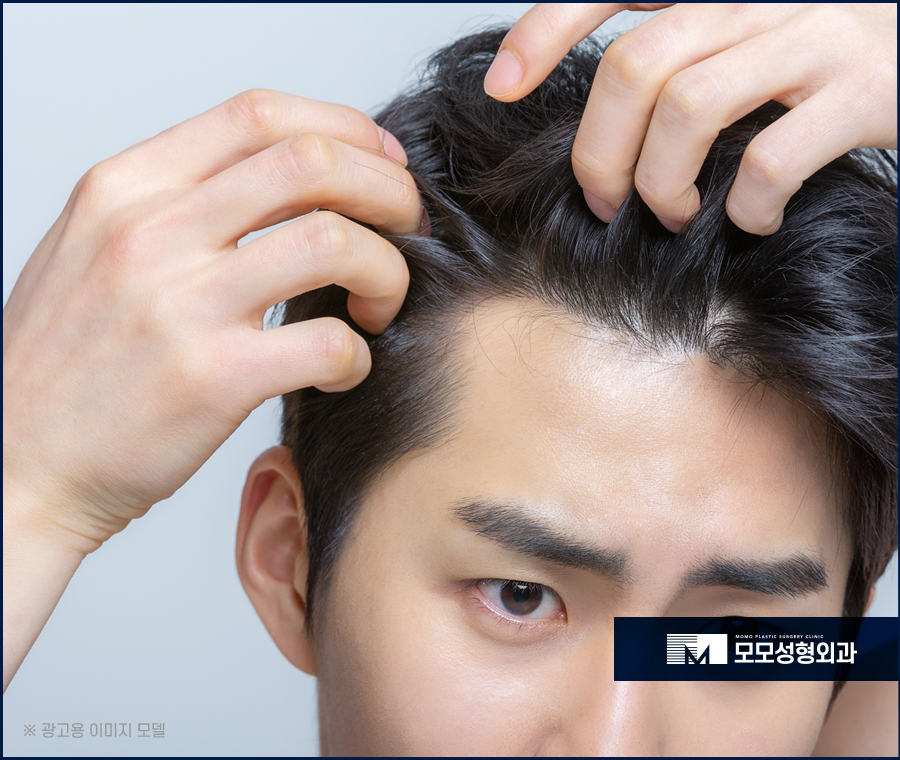
If the front hairline is asymmetrical and not well balanced, or if there are signs of hair loss in certain areas, the line that meets the face is immediately visible to the naked eye. This can lower confidence and cause stress. In particular, during seasons when temperatures rise, wearing the hair long to cover the line can cause skin troubles on the forehead or, rather, create a stuffy impression.
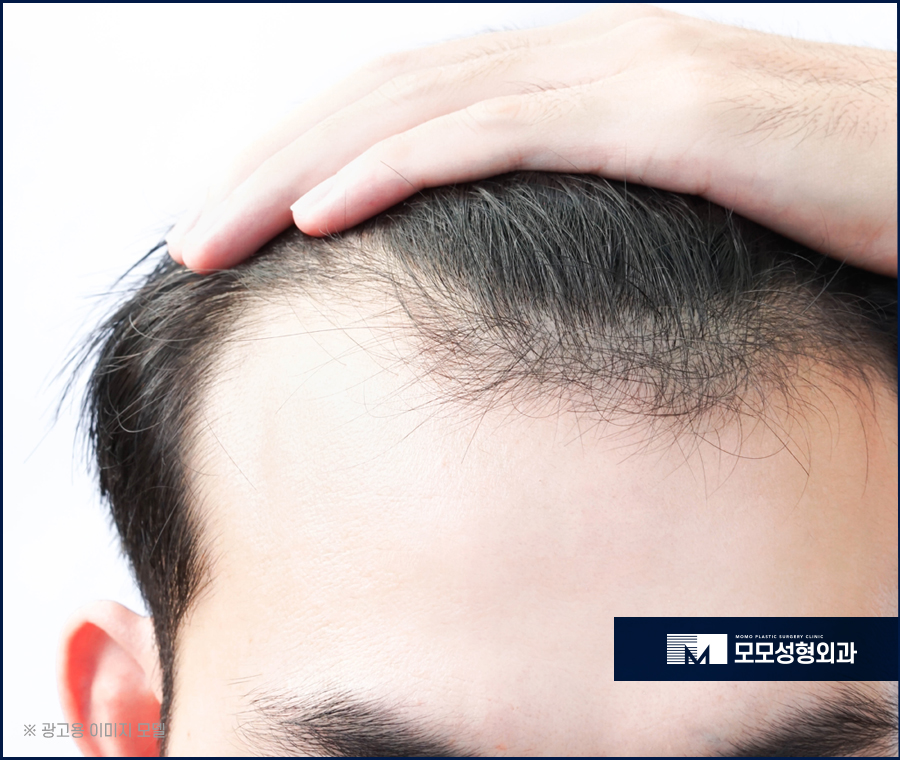
Even when someone has hair loss symptoms or does not like their naturally shaped hairline, some people choose fringe hair transplant these days to create a natural yet fresh change. This procedure is also chosen as a solution for visible concerns such as an existing forehead line or partial hair loss in the front area, regardless of gender or age.
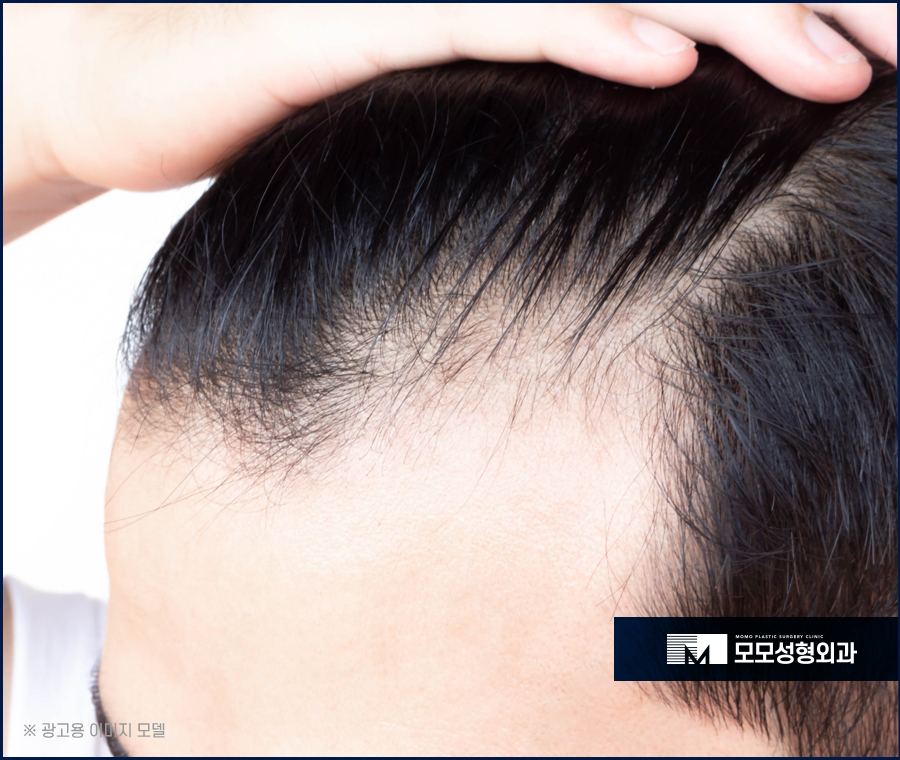
To list the reasons why men and women choose fringe hair transplant: hereditary causes due to family history, health issues, irregular lifestyle habits, excessive stress, and other factors that lead to the loss of natural hair, resulting in a receding forehead line or M-shaped hair loss caused by hair thinning naturally on both sides, are the main causes.
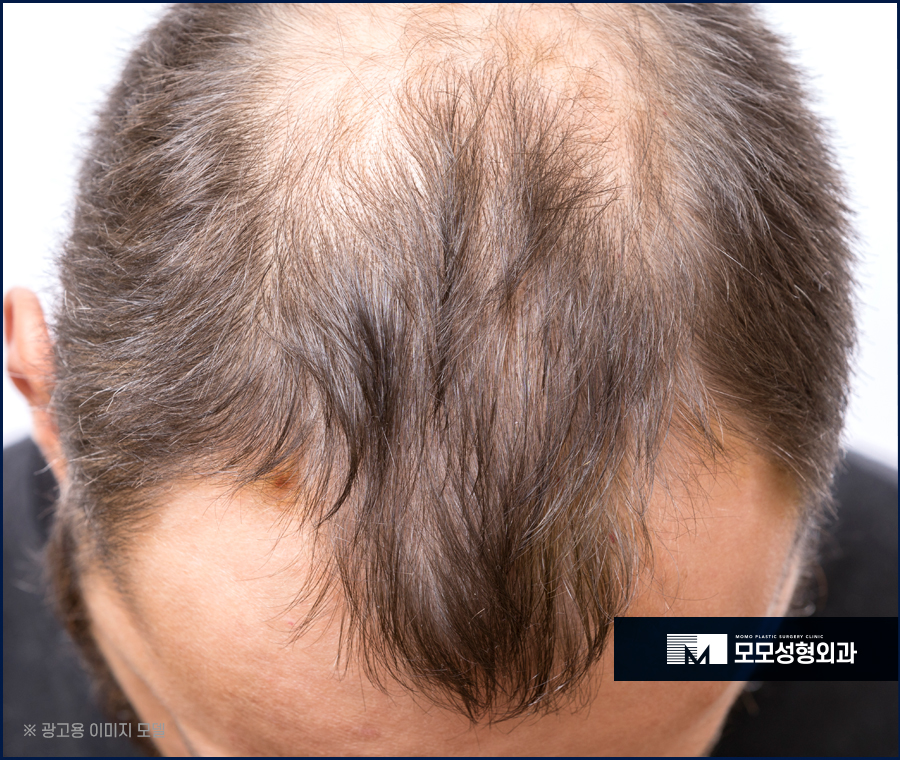
Sometimes, even when there are no symptoms, people may choose it for cosmetic purposes if their hairline has not naturally been evenly established from birth. If you are in a situation where fringe hair transplant needs to be performed for these various reasons, there are several factors to consider. Because the area where the procedure is performed is highly visible, maintaining a natural result is more important than in other areas.
When people think of the procedure of transplanting natural hair, it may simply seem like filling in areas where hair is missing, but that is not the case. These days, it is considered part of aesthetic treatment and is performed with a design tailored to each individual, with a focus on beauty and delicacy, which is why many people undergo it for cosmetic purposes. It is not limited to treating only the front area; it can also more delicately target the overall line, the temples, the protruding side areas, and the sideburn area.
Because correction can be carried out all the way to the end of the line in this way, a more natural result can be expected. If it is performed while only looking at one angle, it may seem satisfactory, but from another angle it can feel awkward and unnatural. Therefore, it is important to check whether the appropriate angle is maintained all the way to the end of the hairline.
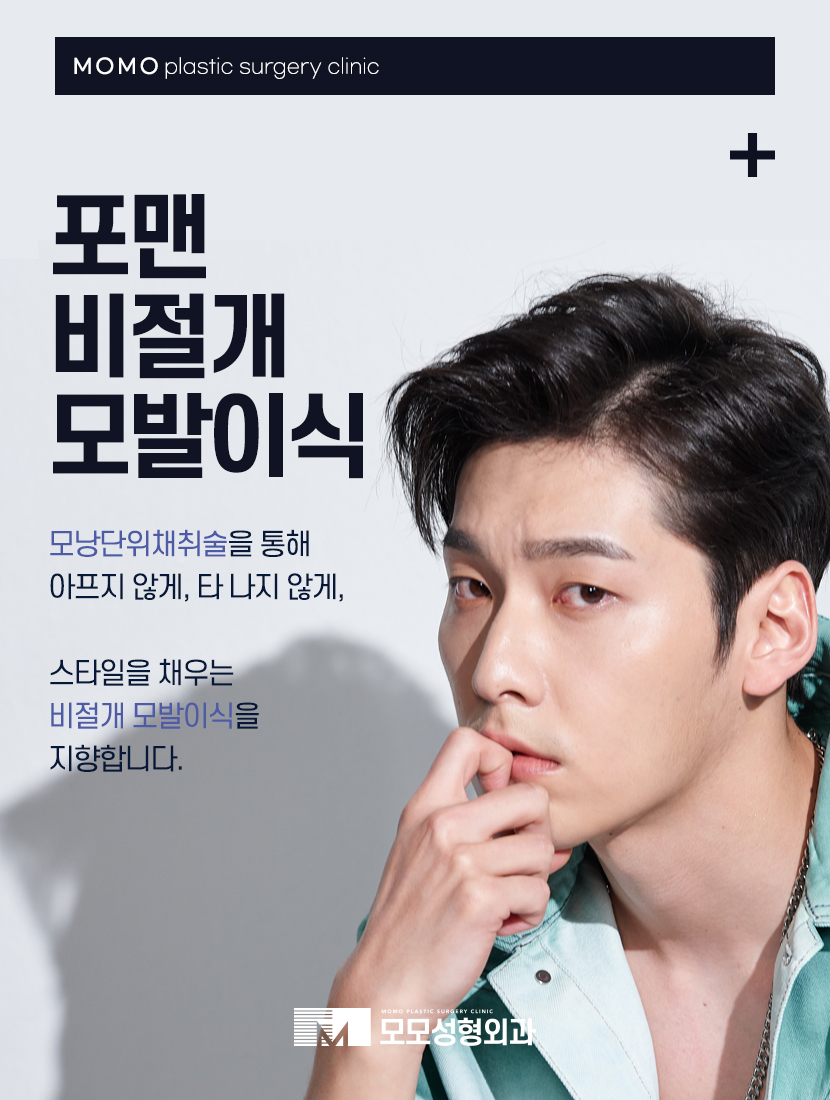
In particular, fringe hair transplant varies greatly from person to person, so it must be performed according to each individual's characteristics through professional consultation. Hair transplant procedures are broadly divided into two types: incision and non-incision. To explain the latter first, this method involves collecting follicles from the side or back of the head and transplanting them to the hair loss area.
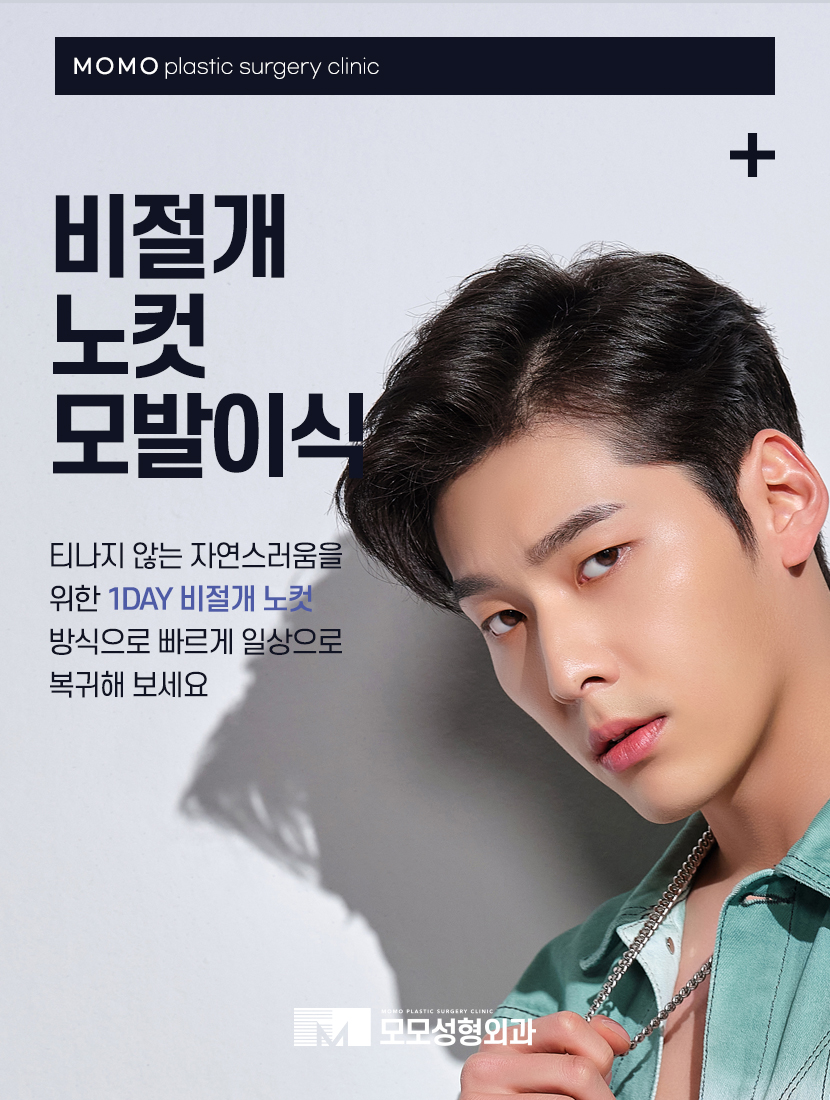
It is also a procedure that is not done by cutting or incising a specific area and suturing it, but rather is performed manually using a tool called a punch. In addition, because healthy and strong follicles are selected and harvested one by one, the pain is relatively mild, and it has the advantage of not interfering with daily life.
In the case of fringe hair transplant, there are many cases where a large volume is not necessary, so it is often performed using a non-incision method. Also, although you may think that natural hair is simply transplanted one by one, what is actually transplanted is the follicle, which is the basic unit. Since this is an essential part for hair growth and nutrient absorption inside the scalp, the number of natural hairs that can grow from each follicle can vary slightly.

One follicle may produce one hair, while another may produce several. Using follicles with different characteristics and thicknesses, such as single-hair, double-hair, and triple-hair follicles, the hairs are distributed according to thickness from the front to the middle areas. This creates a gradient effect and helps produce a natural look.
As mentioned earlier, fringe hair transplant is a procedure in which naturalness must take priority above all else. Therefore, through professional and in-depth consultation, you should create confident and dignified beauty by choosing the proper method that best matches your hairline’s features and characteristics, which is why satisfaction tends to be higher. If you are considering the procedure, please keep this in mind.