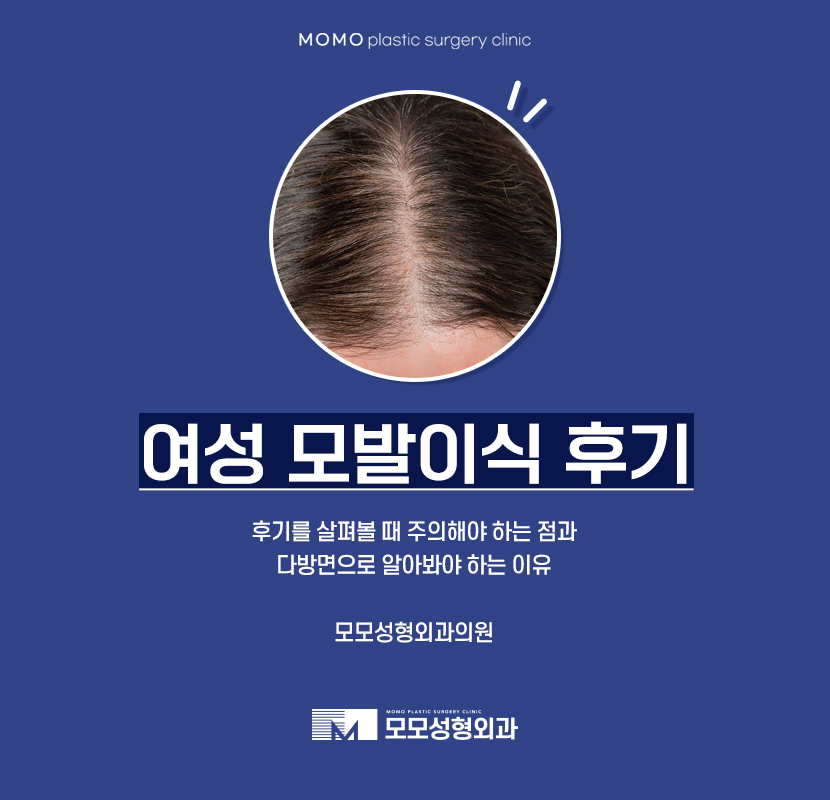
When you unconsciously and naturally sweep your hair back,
and you notice that, unlike before, your hair seems
somehow sparse and lacking, you may
start worrying and wondering whether you might
be experiencing hair loss. Once you notice the loss
of natural hair, you will begin looking into various
options, such as treatments or therapies that help
with hair growth, and in severe cases, even surgery,
while searching for a variety of possible solutions.
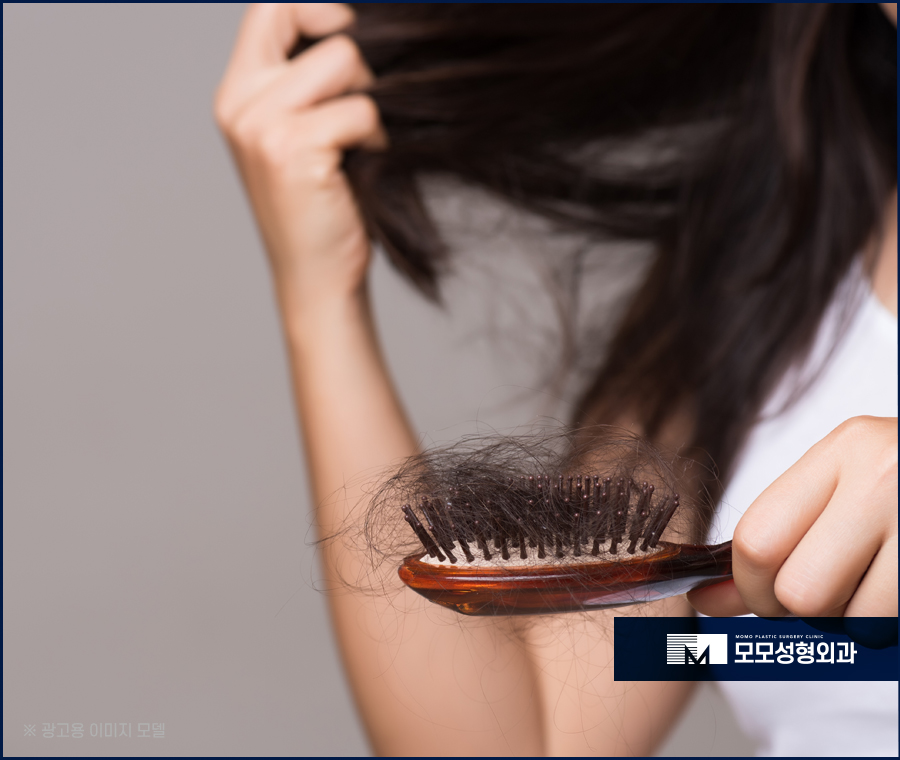
These days, it is said that many women have such
concerns, no less than men. In the past, this pattern
mostly occurred in middle-aged and older men in their
40s and 50s, but due to the advancement of modern
society and its ripple effects, it is now frequently seen
among women in their 20s and 30s as well. Perhaps
because of this, interest in hair loss is higher than ever,
and the number of people looking for various ways to
improve it has also increased greatly.
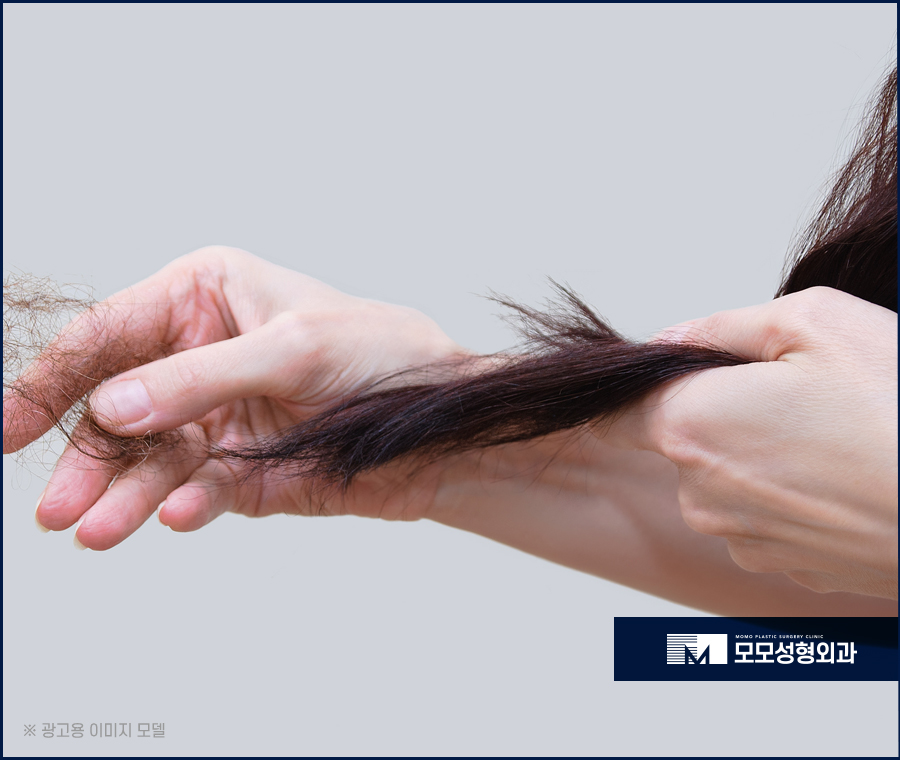
Perhaps that is why so many people are looking into
female hair transplant reviews. You need to keep in
mind the factors to consider and move forward so that
a successful outcome can be achieved.

First of all, understanding why natural hair falls out,
and the fundamental reasons and types behind it, can
also be very helpful. Female-pattern hair loss can be
related to stress and emotional burnout, various thyroid
diseases and other thyroid problems, changes in digestive
function caused by poor eating habits or extreme dieting,
and gynecological issues such as childbirth, menopause,
and uterine or ovarian disorders. If abnormalities in the
ovaries and adrenal function occur, hormone balance can
be disrupted, metabolic regulation becomes difficult, and
nutritional disorders may be triggered. When the body is
in an imbalanced state, these kinds of hair loss symptoms
can appear.
Also, unlike in men, it does not manifest as androgenetic
hair loss due to genetic influence. Except for special cases,
it can be said to occur not from innate congenital causes,
but from acquired and environmental factors, as mentioned
above. That said, family history is not completely irrelevant;
however, if hereditary hair loss does develop, it progresses
gradually over time, and compared with before, a much
larger amount of hair falls out, while at the same time the
hair becomes less elastic and thinner.
Because it has a major impact on appearance, many people
look for various folk remedies and also end up searching
for female hair transplant reviews in hopes of a quick recovery.
Rather than simply wanting to fill in the hair density,
it is advisable to analyze the underlying cause and establish
a treatment direction accordingly.
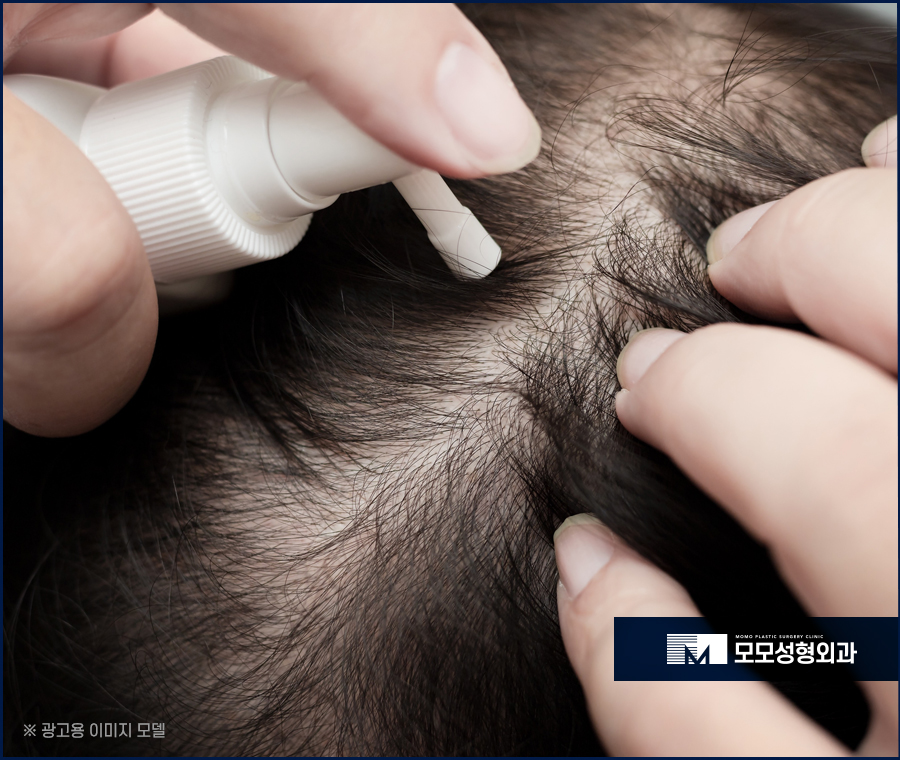
The types of hair loss in women include the crown area,
the hairline and M-shaped front hairline, as well as
circular patterns, and seborrheic dermatitis also falls
into this category. Once hair loss begins due to these
causes and symptoms and some time has passed, you
will likely look for various ways to improve it. The main
methods that can be used for correction include topical
external treatments applied to the scalp, oral medications,
and transplant procedures that can be performed on the
area of concern.
These days, many people choose the procedure not only
for the purpose of improving the phenomenon of hair loss,
but also for aesthetic enhancement, which seems to have
increased the number of people searching for and looking
through female hair transplant reviews. Of course, closely
examining a variety of cases can be helpful, but before that,
it is important to keep in mind the points that should be
considered.
If the female hair transplant review is related to the
hairline, you should check whether it was designed as a
multidimensional plan that integrates not only the front
of your face but also the left, right, top, and bottom.
You should also see whether the design took into account
the curvature of the line from the forehead to the temple
sideburn area. In addition, you should consider whether
the procedure was carried out with a natural design that
reflects the direction of the natural hair and the character
and qualities of the baby hairs.

Also, when checking female hair transplant reviews, the
part about non-incisional and incisional procedures will
likely be divided as well. In the case of a non-incisional
procedure, it literally means collecting your own hair
follicles and transplanting them without removing the
scalp. Since there is less major stimulation involved,
it can be concealed more naturally, but to return to daily
life more quickly, it may help to check whether the cut
was made in a way that suits the individual's current
condition.
In the case of an incisional procedure, it may be worth
considering when the area affected by hair loss is large.
However, because it is a method that leaves a scar, it is
also important to consider whether a surgical method was
chosen that minimizes scarring. Still, when reviewing
female hair transplant reviews, the most important factor
above all is whether the practitioner performing the
procedure has highly skilled experience and know-how,
as well as how much extensive clinical experience they
have. You should also check whether they separate the
follicles accurately and quickly in order to increase and
preserve the survival rate, and whether they provide
customized care based on the prognosis after the transplant
procedure, continuing to care for the patient after surgery
with thorough follow-up management.

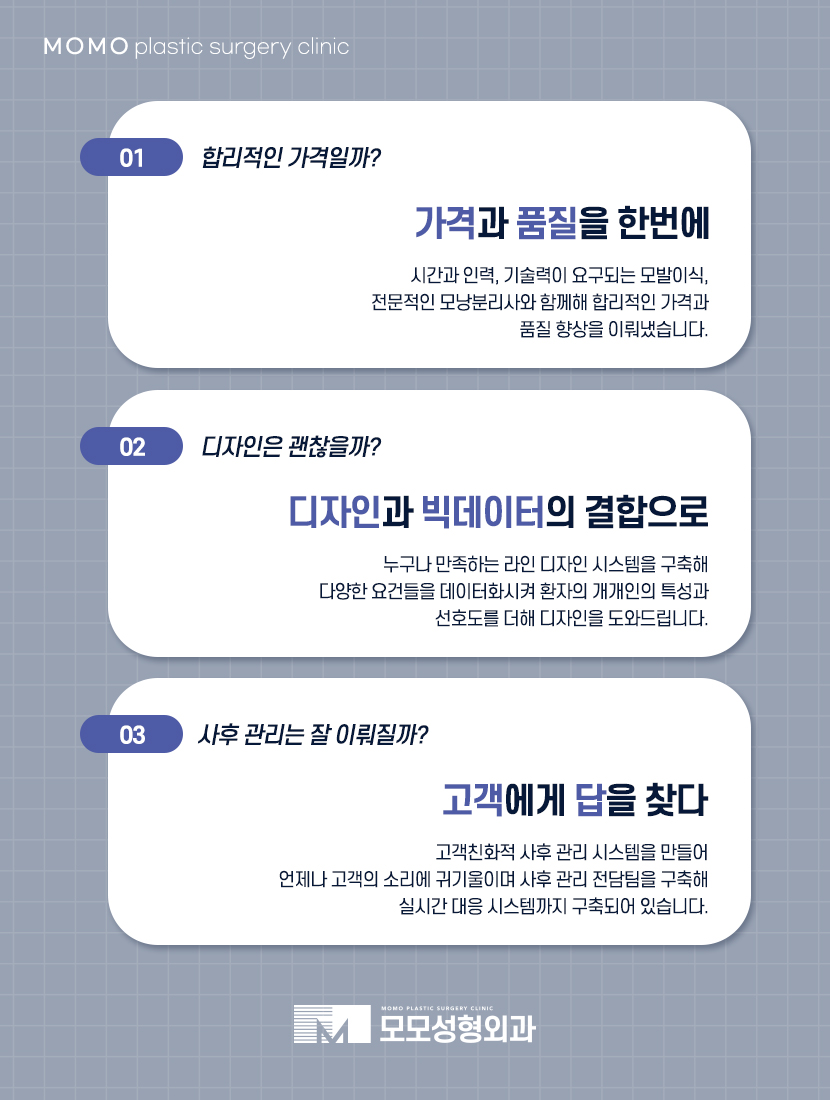
In addition, focusing only on female hair transplant reviews
and making a hasty decision based on a wrong and premature
judgment is by no means the right approach. Hair loss issues
differ in their characteristics for each individual, so it is
absolutely not an area where you should make an unprofessional
self-diagnosis and decide based merely on a few cases. Based
on the precautions mentioned earlier, it is very important to
visit a relevant medical institution and receive an accurate and
appropriate diagnosis from the medical staff, along with a
careful and detailed consultation to determine the direction
that best suits you. It is advisable to make a prudent decision
through that consultation.