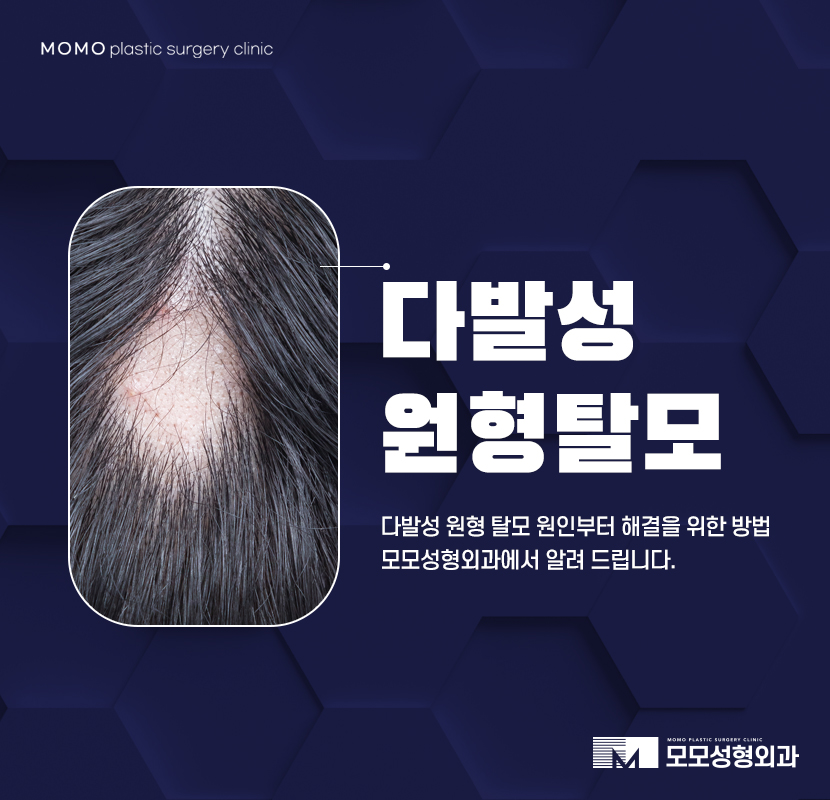
Regardless of age or gender, the hair shedding phenomenon that many
people experience seems to have reached a very
serious level. Once this kind of problem begins,
it can make people feel unable to carry themselves
confidently in daily life or social situations,
and it can also lead to severe stress and even
depression at times. When the problem appears,
everyone tries to respond in order to make up for it,
but because the forms and types vary widely,
the methods for improvement also differ, so choosing
the right direction can itself become a major concern.
�

�
Among natural hair loss types, the condition in which
hair falls out in a round shape has increased over time,
with the number of patients rising from about 214,228 in 2017
to about 243,609 in 2021. In particular,
the patient ratio in the 30s to 40s age group is
around 43.2%, and in the 20s it is 19.5%,
showing that many people dealing with this concern are relatively young.
Many people may be wondering why so many people are suffering from this condition these days,
and what the causes of the disease are and what methods are available for addressing it.
The causes are very diverse, so it is necessary to take a broad view when examining them.
�
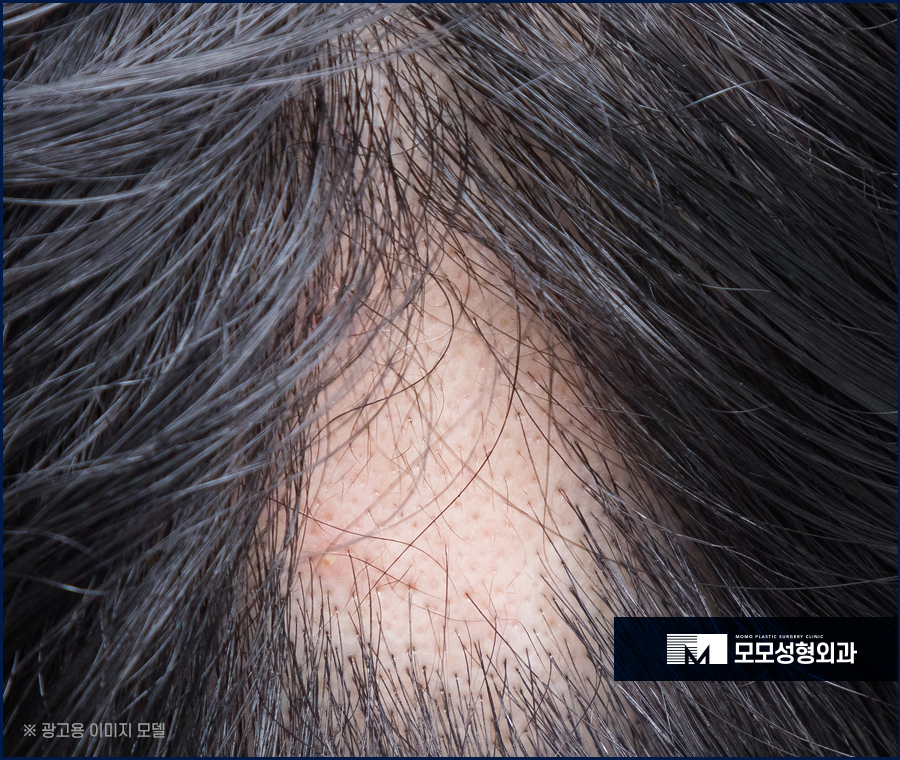
The types in which natural hair falls out in a round shape are broadly divided into five categories: single, multiple, multiple fusion type (serpentine), total scalp, and systemic, etc. All types are probably a major concern, but among them, many people are especially worried about multiple alopecia areata. Looking at the characteristics first, hair suddenly falls out in round patches, sometimes it falls out across the overall area, the scalp becomes itchy and the hair breaks. In addition, the scalp tissue becomes weak and lacking in strength, appears shiny or reddish, and the amount of white hair increases in a down-like form. It also occurs in areas of the body that have hair, such as the eyebrows, eyelashes, pubic hair, or body hair. The affected areas can be multiple, and when it appears, the size is small and the shape is a distinct round form, leaving the hair-bearing area looking empty.
�
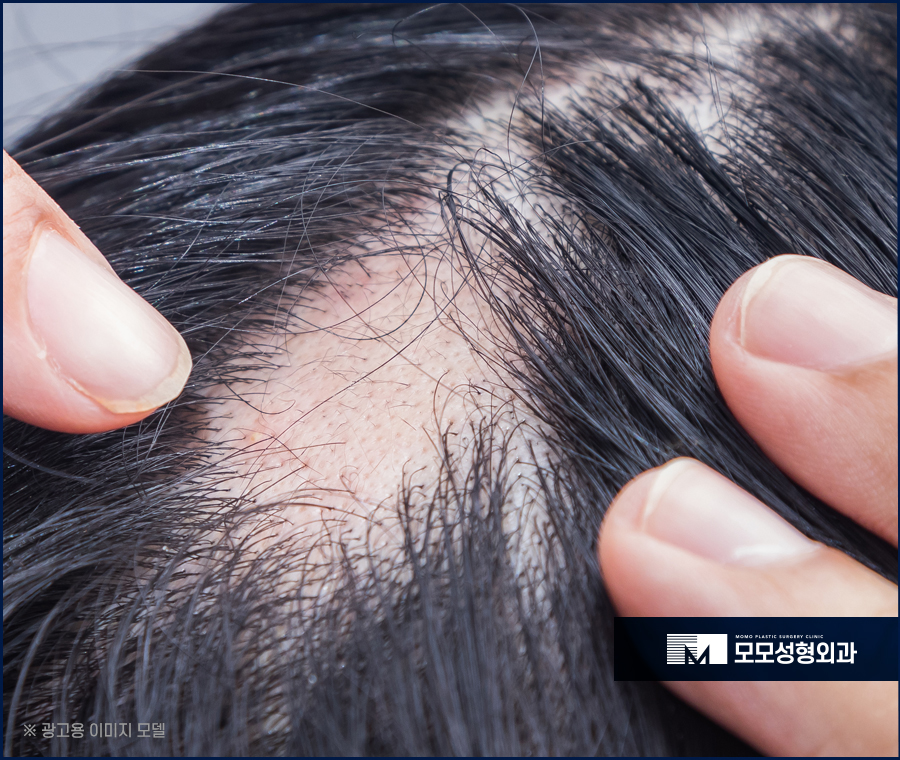
The symptom in which hair is scattered across the head and hair falls out intermittently, resembling a net-like pattern, is commonly referred to as multiple alopecia areata. The causes of its occurrence have not yet been clearly identified, and it often develops even in healthy people who do not have any accompanying disease. At present, it is also suspected to be related to the immune system. It is inferred that the main cause may be weakened body immunity or abnormalities in function that lead the body to attack hair.
�
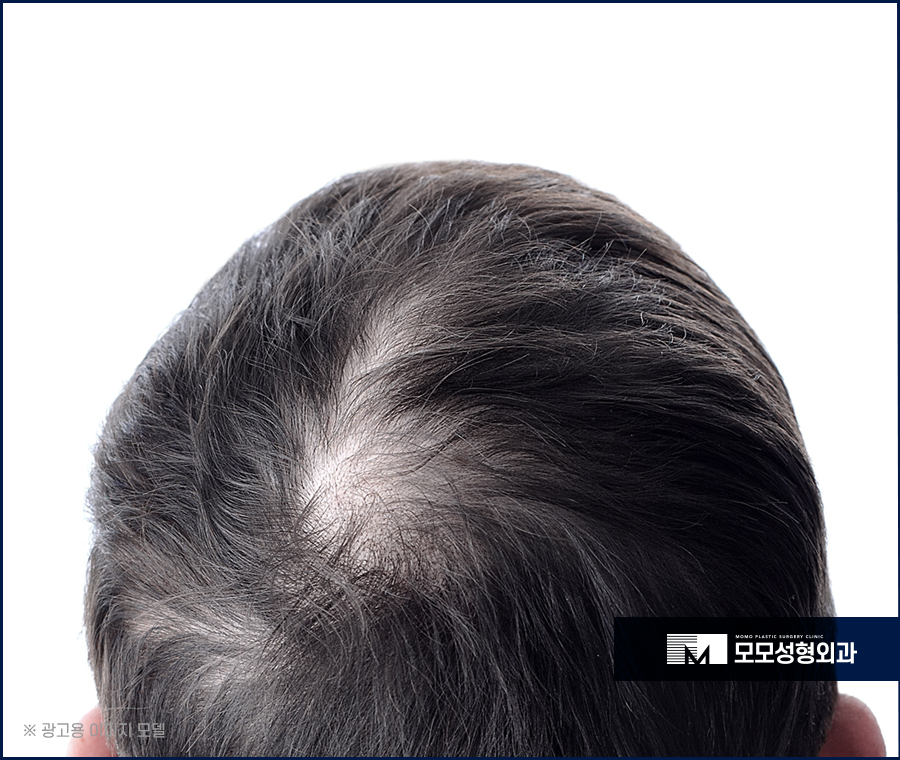
In particular, the most likely explanation is that it develops due to problems in the immune system. As abnormalities arise in the defensive ability of cells distributed around the hair follicle, the body mistakenly recognizes natural hair as an external invader and instead attacks it, causing inflammation. In the end, the natural hair falls out, which leads to multiple alopecia areata.

�
In addition, autoimmune diseases that increase the likelihood of round-pattern natural hair loss include atopic dermatitis, thyroiditis, pernicious anemia, vitiligo, and rheumatoid arthritis. Other contributing factors can include genetic factors, excessive stress, abnormal hormonal reactions, and nutritional disorders caused by extreme dieting.
Once multiple alopecia areata develops, natural recovery may be difficult, and even after treatment there is a high possibility that it may recur. Therefore, even if the initially affected area looks narrow and the number of empty follicles is extremely small, it can spread and expand over time or extend to other areas, so prompt measures may be necessary.
�
If empty follicles are left untreated for a long period of time, the scalp environment becomes imbalanced, and as stability declines, health and immunity weaken. At the same time, reduced follicle function, slower hair growth, and a noticeable decrease in hair production may also occur. It is important to keep in mind that this can lead to even more severe forms of hair loss. Therefore, when multiple alopecia areata occurs, it is important to begin treatment and care within 6 months of the time it appears.
If treatment begins in the early stages of onset, the likelihood of improvement may increase, but if it starts after 6 months, the success rate inevitably becomes relatively lower.

�
The way to prevent and address multiple alopecia areata is to resolve the root cause so that the weakened immune function and strength can be restored, while also paying attention to corrective measures and improving the environment that causes stress. Chronic stress is called the source of all diseases because it can lead to all kinds of illnesses. To relieve this stress in a positive way, it is helpful to get enough rest in daily life and maintain regular sleep hours. Managing stress through enjoyable hobbies of your choice or moderate-intensity exercise can also be beneficial.
For a healthy scalp, it is best to refrain as much as possible from excessive dyeing, perms, and other demanding hairstyling that may cause irritation, and when washing your hair, it is good to cleanse it thoroughly and cleanly so that no residue from products remains.
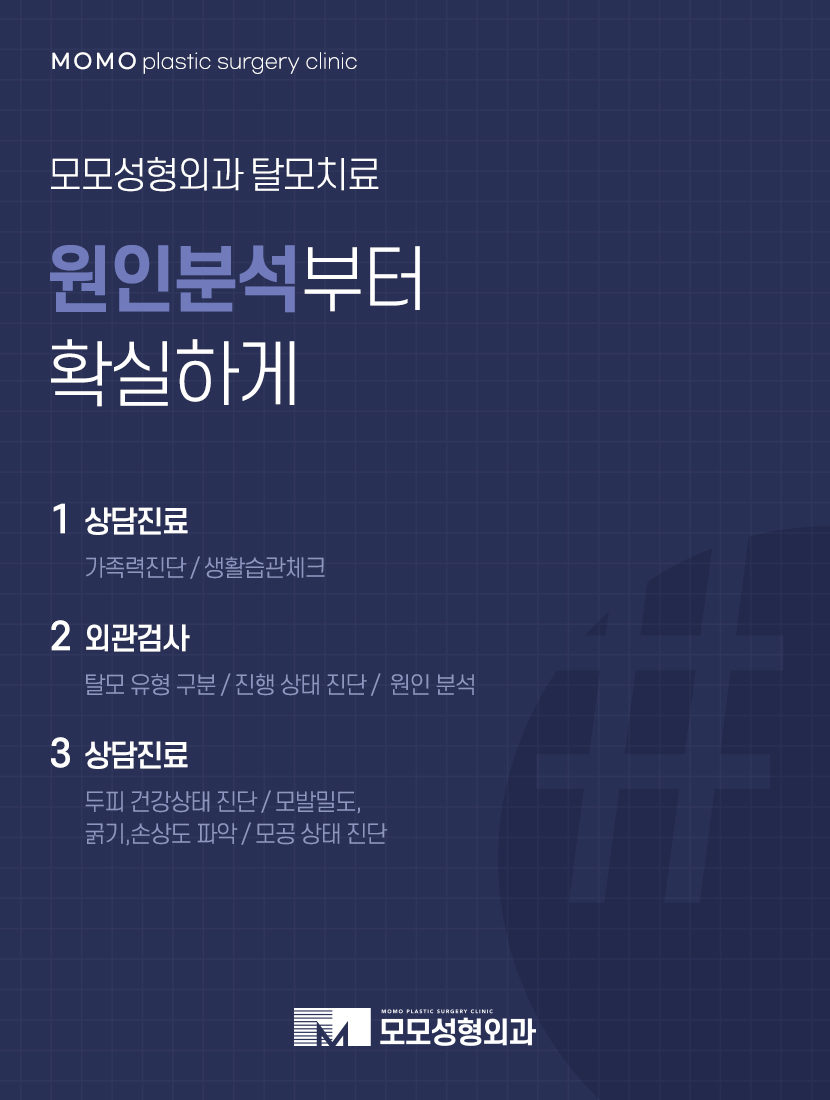
In addition, getting enough essential nutrients and maintaining proper eating habits can be very helpful. Above all, the key point to keep in mind is that when this condition occurs, rather than leaving the problem unattended, you should visit a relevant institution, receive an accurate diagnosis from the doctor in charge, and begin the appropriate care and treatment so that the situation does not become more serious and can be improved.