According to statistics released by the Health Insurance Review and Assessment Service,
about 230,000 people have received treatment
for hair loss caused by the shedding of natural hair.
They say the number has been steadily increasing
year after year.
Among those who are dealing with this concern,
the largest proportion is male pattern,
androgenetic alopecia, commonly called baldness.
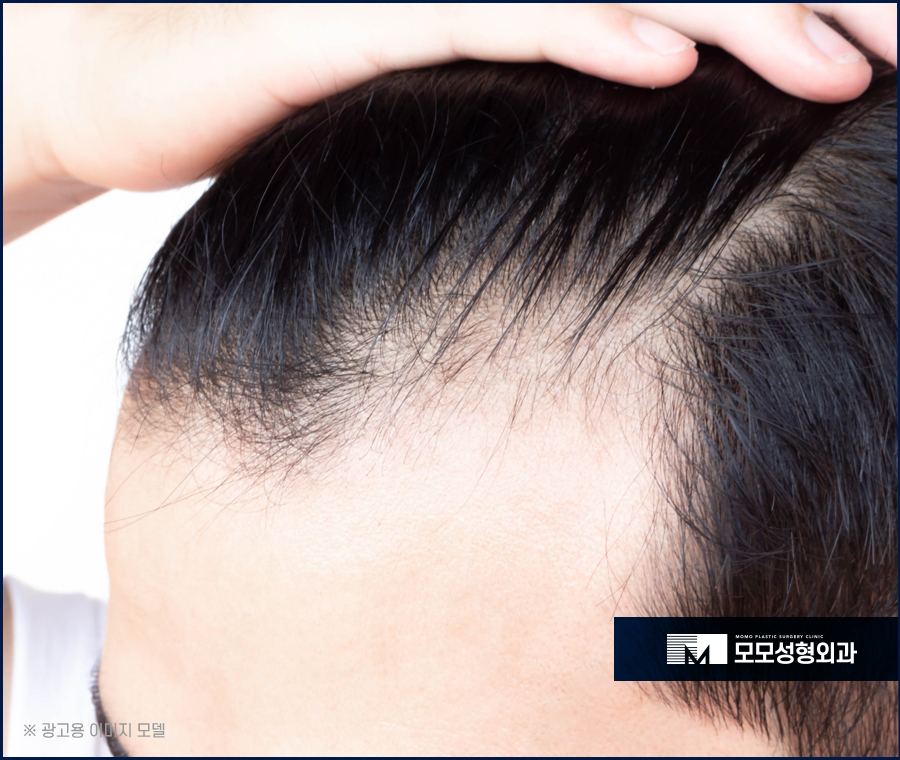
Among these symptoms, male M-shaped hair loss,
where the hairline recedes into an alphabet M shape,
is such a common concern that it would not be an exaggeration
to say that about 80% of patients with male-pattern
natural hair loss experience it. In addition, if these symptoms
begin at a young age, the progression can be much faster,
so once you realize there is a problem, you need to take prompt action.
Male M-shaped hair loss is also a representative symptom
of shedding, and it can appear due to hereditary factors
from family history or hormones. The influence of the male hormone
androgen is said to be large. One of these, testosterone,
binds with the 5-alpha reductase enzyme and is converted into DHT
(dihydrotestosterone), which causes it. In particular, the scalp
at the front of the head has higher DHT and 5-alpha reductase activity
than the back of the head, so hair loss along the front hairline
is more likely to occur.
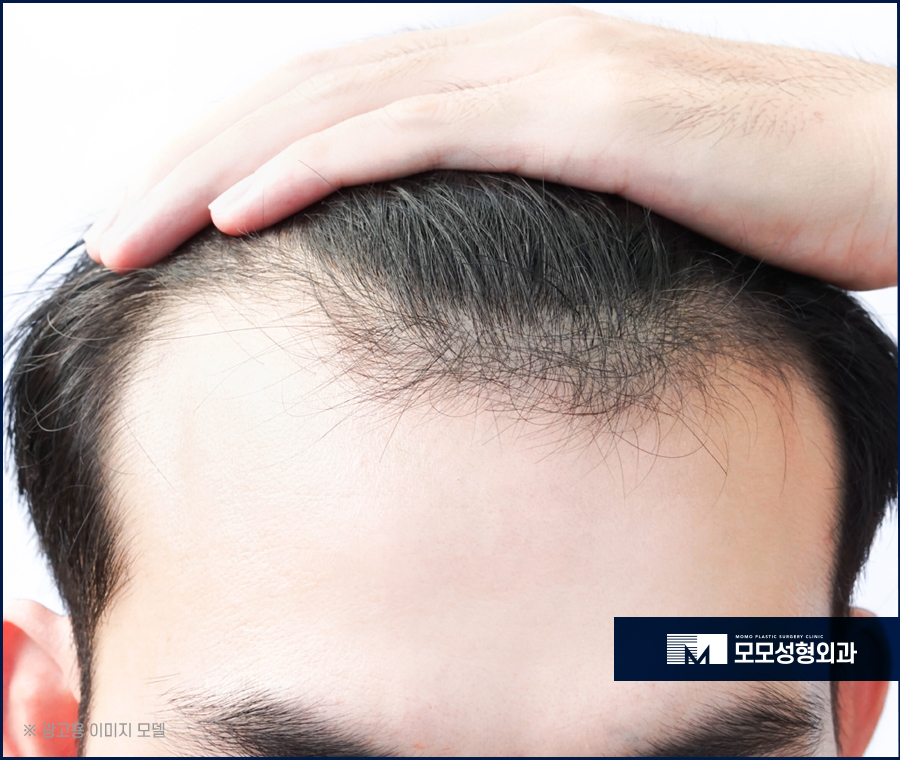
In addition, male M-shaped hair loss is not something that
occurs temporarily; rather, it develops gradually in stages
from the moment you fail to notice it. If the hair near the front
becomes progressively shorter and finer, and the hairline seems
to be moving backward, it can be considered to have already
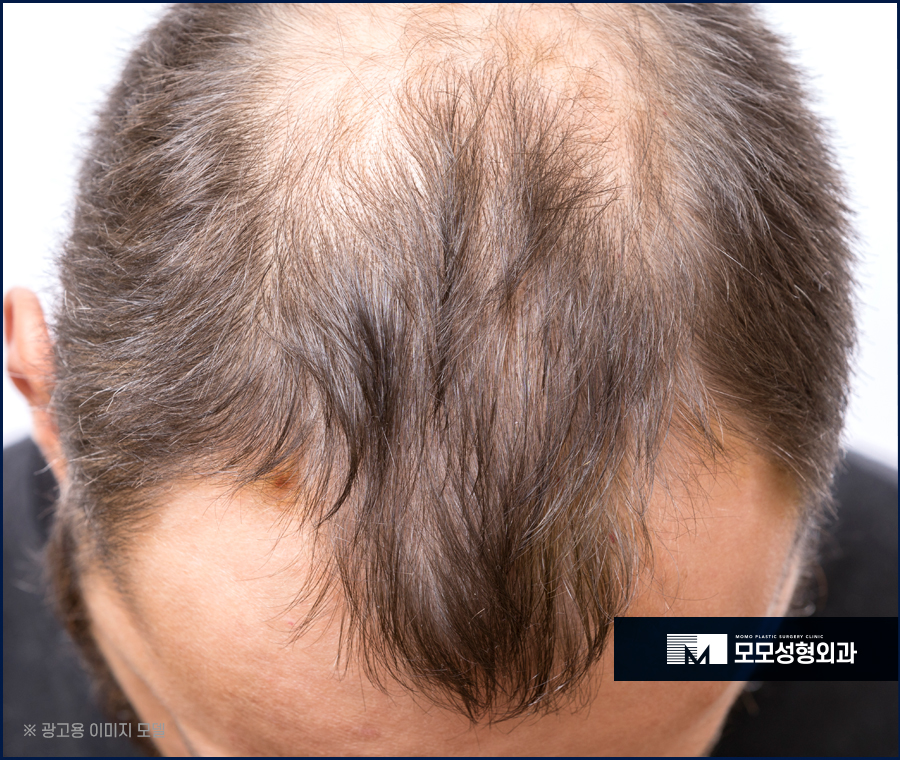
progressed quite a bit. If you leave it unattended for a long time,
the shedding of terminal hair can spread further and progress
to the crown in an O-shaped pattern. Since this problem is a progressive
condition that continues once it begins, the earlier you start treatment,
the more room there is for improvement, which can be very helpful.
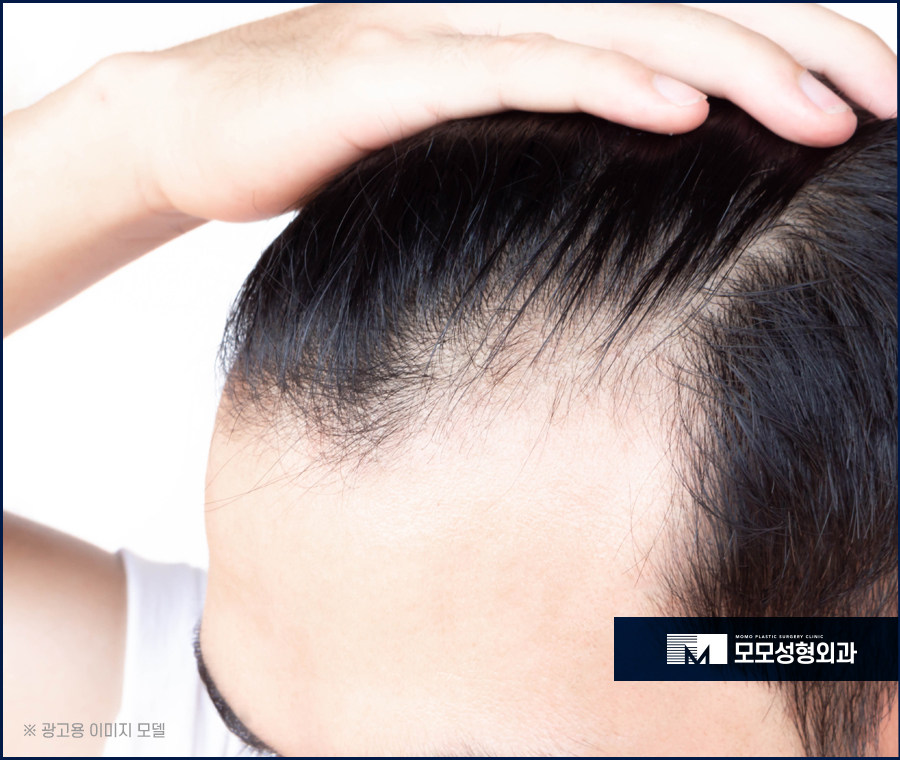
Sometimes, when you face symptoms that are clearly visible
even to the naked eye, you may look for ways to hide or cover them.
With the belief that they may improve, you might take medication
or use topical external treatments, try styling to cover the area,
or use specialized shampoos and other methods.
However, there may be times when, despite spending a lot of time and effort,
you feel that dramatic results are out of reach. Those who have repeatedly
experienced such situations will also begin to consider hair transplantation.
Hair transplantation is a procedure that relocates your own healthy follicles
that you already have into empty areas. In particular, if the type is male
M-shaped hair loss, it is important to make sufficient efforts such as carefully
researching the relevant institution so that you can create the right style while
combining the transplant procedure with the personal care you have been doing.
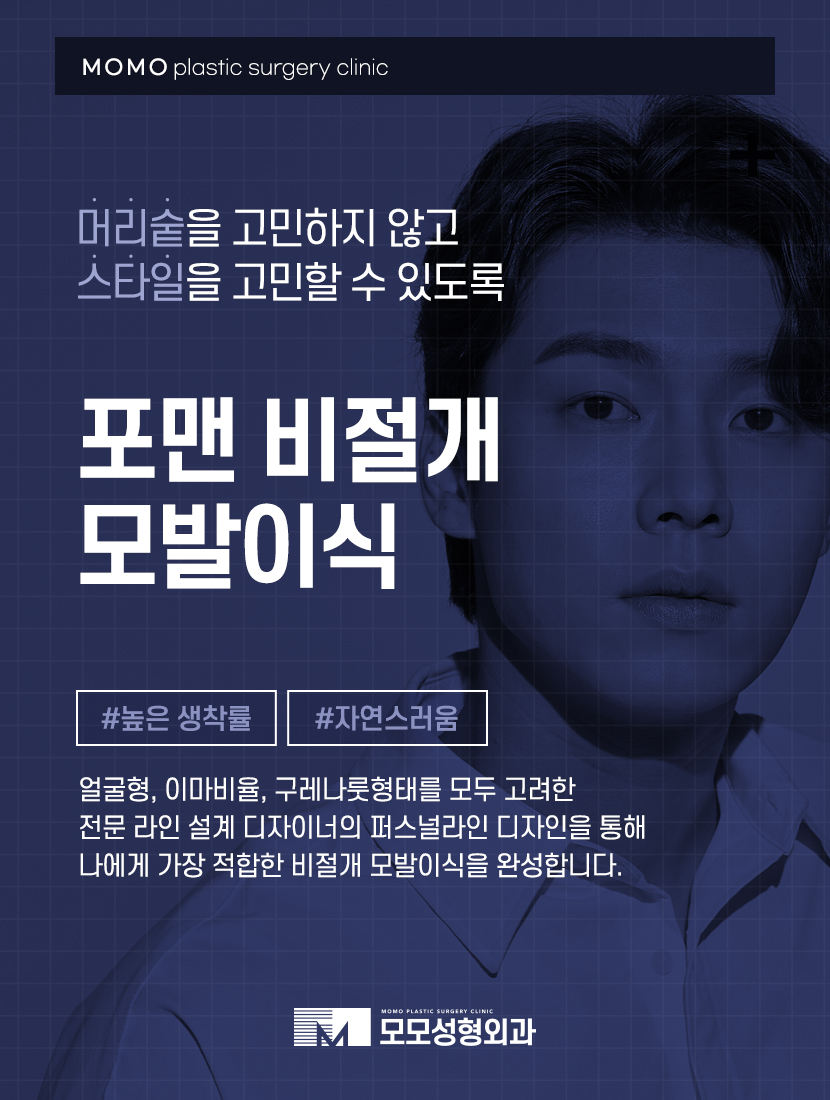
This is because the area where natural hair has been lost is the hairline,
and since each person’s shape is different, the importance of design consultation
becomes even greater. The hairline is not only what determines the overall mood
and impression of the face, but also something you have to live with for the rest
of your life, so it cannot be treated lightly.
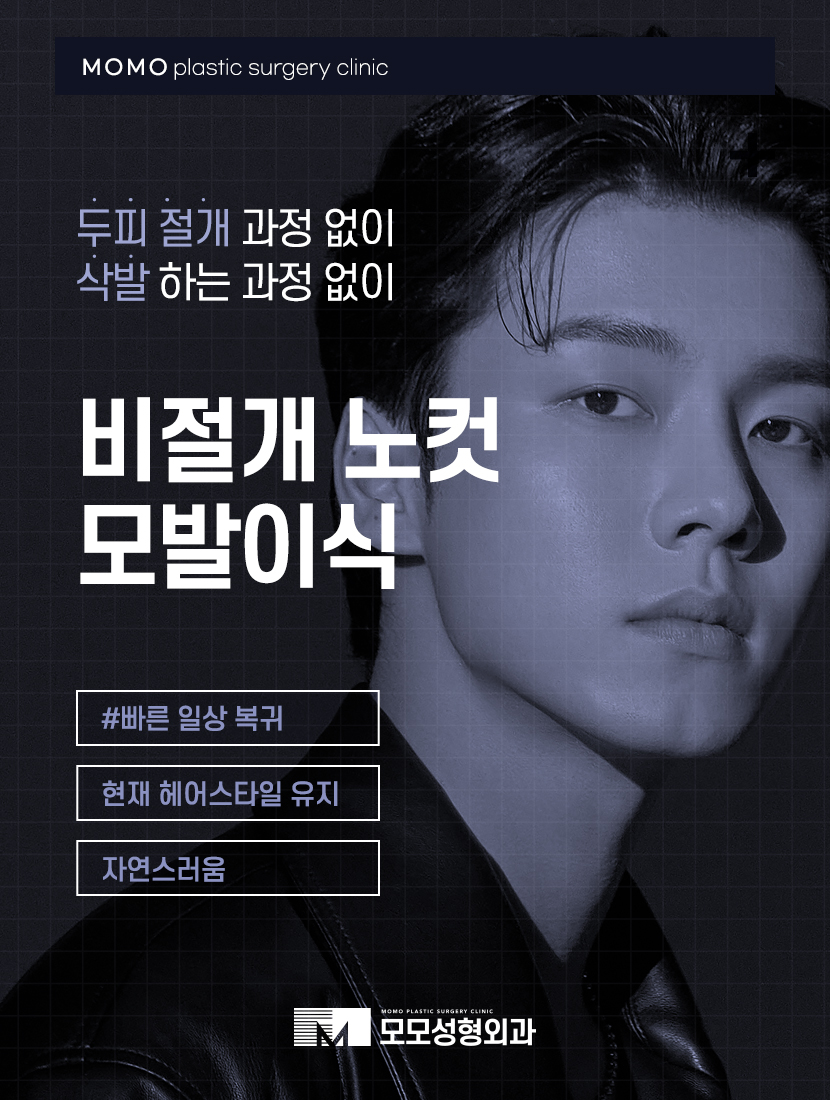
So if you are considering whether to proceed with a natural hair transplant,
rather than sticking only to the design you want, it is important to design a line
that can harmonize well with the overall image from an objective perspective and
that is sustainable, so that it can satisfy you in many ways.

Therefore, through consultation and diagnosis with medical staff who have excellent
expertise and technical skill, it is essential to find a design direction that suits
each individual. By maintaining a natural and dense density that also takes the overall
face shape into account, and by implanting arrangements with different thicknesses for
each area, a design that can blend with the original hairline can be a solution to
improving the concerns caused by male M-shaped hair loss.
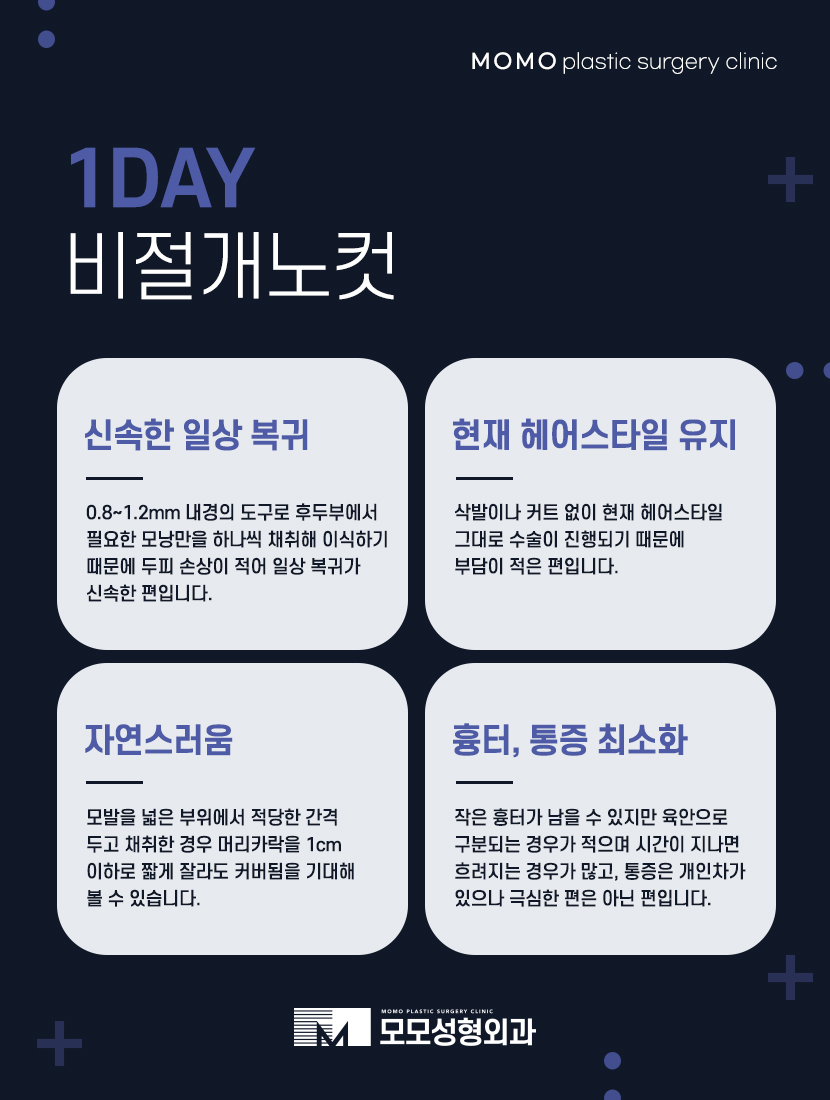
In addition, the direction and angle of implantation, which are carried out for an
unembellished hair texture, should also be examined carefully. When discussing the design,
after 충분히 thinking about which factors you consider most important, it can be wise to
have a detailed consultation with the medical staff, then review and decide how it will
be carried out in a systematic way.
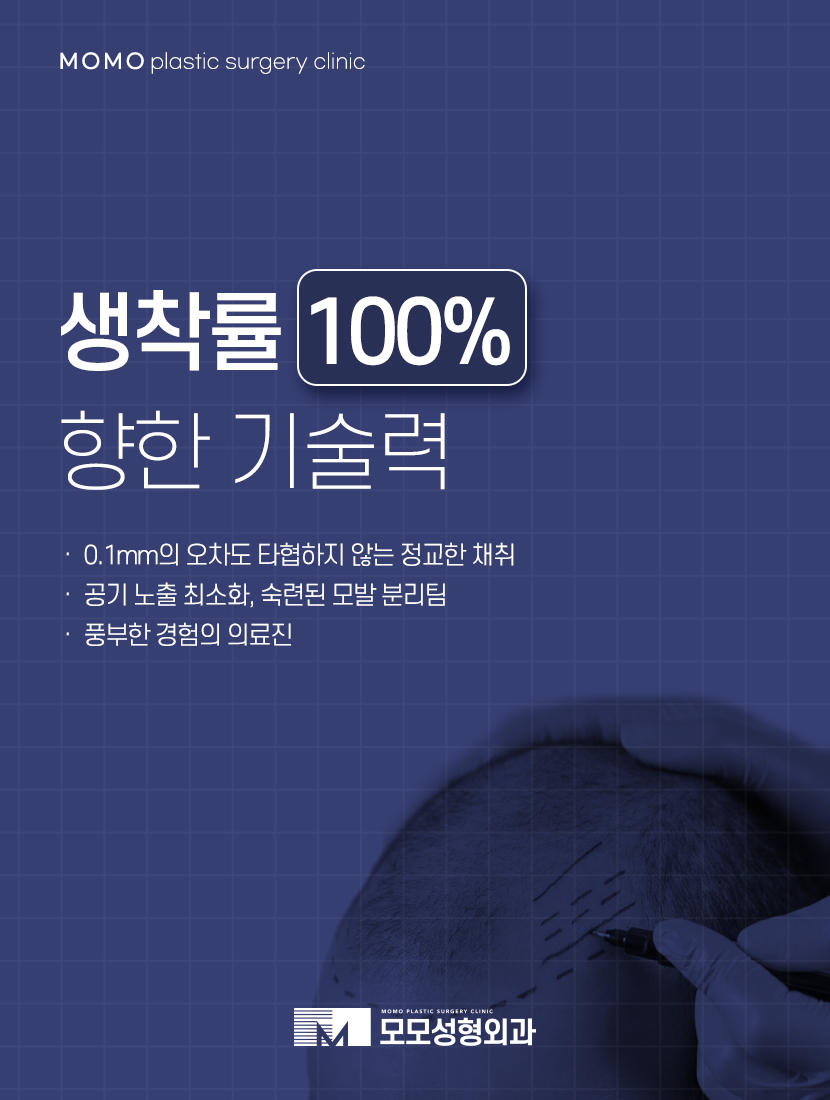
If the transplant procedure has been carried out after considering it from multiple angles,
you need to pay attention to aftercare so that the survival rate of the implanted hair can
be increased. Since not only the procedure itself but also the time needed for the follicles
to settle over a long period afterward is important, you need to continue care while
observing it periodically. Also, you should always keep in mind and follow the care methods
and precautions provided by the relevant institution.
If you are experiencing unspeakable pain and stress due to male M-shaped hair loss,
you may want to consider the series of processes mentioned above at least once. When you have
made countless efforts to improve but failed to produce satisfactory results, it is also
important to find a place that has clinical experience and know-how in various cases and that
carefully and attentively handles pre- and post-procedure management. It is important not to
forget that moving past the past and increasing satisfaction for a confident, positive image
can also make a difference.