The transplantation of natural hair can be divided into the strip or non-shaven method,
and it is a procedure in which healthy natural hair located at the back of the head is collected
and transplanted into the areas each patient wants. Compared with other surgical operations,
it is considered to carry less risk, but since it is still a surgery, a fair amount of concern
naturally follows before making a final decision. Among those who are preparing to undergo a
hair transplantation procedure due to hair loss, many feel afraid simply because the procedure
is performed directly on the head. Even if the instruments are very fine, pain from hair
transplantation that can occur when extraction is repeated thousands of times is unavoidable,
so before treatment, some people choose sedation anesthesia and proceed with the procedure.
The non-shaven method, which collects grafts by follicular unit, has less pain from hair
transplantation compared with the traditional method that proceeds by excising the scalp,
because it does not involve cutting the skin and instead extracts and redistributes the follicles
one by one. However, if the procedure covers a wide area or if you are especially sensitive to
pain, fear may come first before you begin. These days, the procedure is often carried out using
a sleep-based method that minimizes this kind of pain, so many people feel as if the procedure
is already over once they wake up from a short nap.

Rather than general anesthesia, which may involve some risk, the procedure is performed using an
automated medical device that has completed FDA/KFDA certification and can also be used on
pregnant women. A mild dose of nitrous oxide (N20) gas is used to induce a light sleep-like
state before the procedure is carried out. Because it is not a systemic or narcotic drug,
you remain in a shallow sleep state while still being able to breathe on your own. However, in
order to prioritize patient safety, temperature, heart rate, blood pressure, pulse, and blood
oxygen saturation are continuously monitored during the procedure. It may also be a good idea to
check whether a system is in place that can safely confirm the results.
Some people worry in advance about what to do if the anesthesia wears off during surgery. Since the
attending physician keeps checking the current condition continuously, this situation does not
usually occur. Even if it does, additional anesthesia can be administered to minimize hair
transplantation pain. The duration of application may vary depending on the amount of grafts and
whether the method is strip or non-shaven, and the recovery time is very short at 1 to 3 minutes,
allowing a quick return to daily life even immediately after the procedure.
However, on the day of treatment, not only the anesthesia but also hair transplantation pain may
occur after it wears off, so it is recommended that you do not drive home alone or force yourself
to carry on with daily activities after the procedure. Since the recovery time and level of pain
can differ depending on each person's health condition, rather than setting a specific and exact
standard, it is advisable to rest comfortably and wait for recovery for about a week after the
procedure.
Hair transplantation pain after the procedure is not severe enough to be unbearable, but because
you have undergone a treatment, discomfort or mild pain may continue due to the resulting
stimulation. At times like this, rather than simply enduring it, taking the painkillers prescribed
by the surgeon appropriately can help with a faster recovery. In addition, applying cold
compresses to relieve pain and swelling can constrict blood vessels, reduce swelling, and also
ease pain, so it is recommended that you apply cold compresses from time to time for about 48
hours.
Hair transplantation pain naturally fades over time, so there is no need to worry excessively or
feel burdened. However, if severe pain continues or symptoms such as numbness, neuralgia,
bleeding, infection, facial swelling, or folliculitis appear, you should promptly receive treatment
and care at a clinic or hospital.
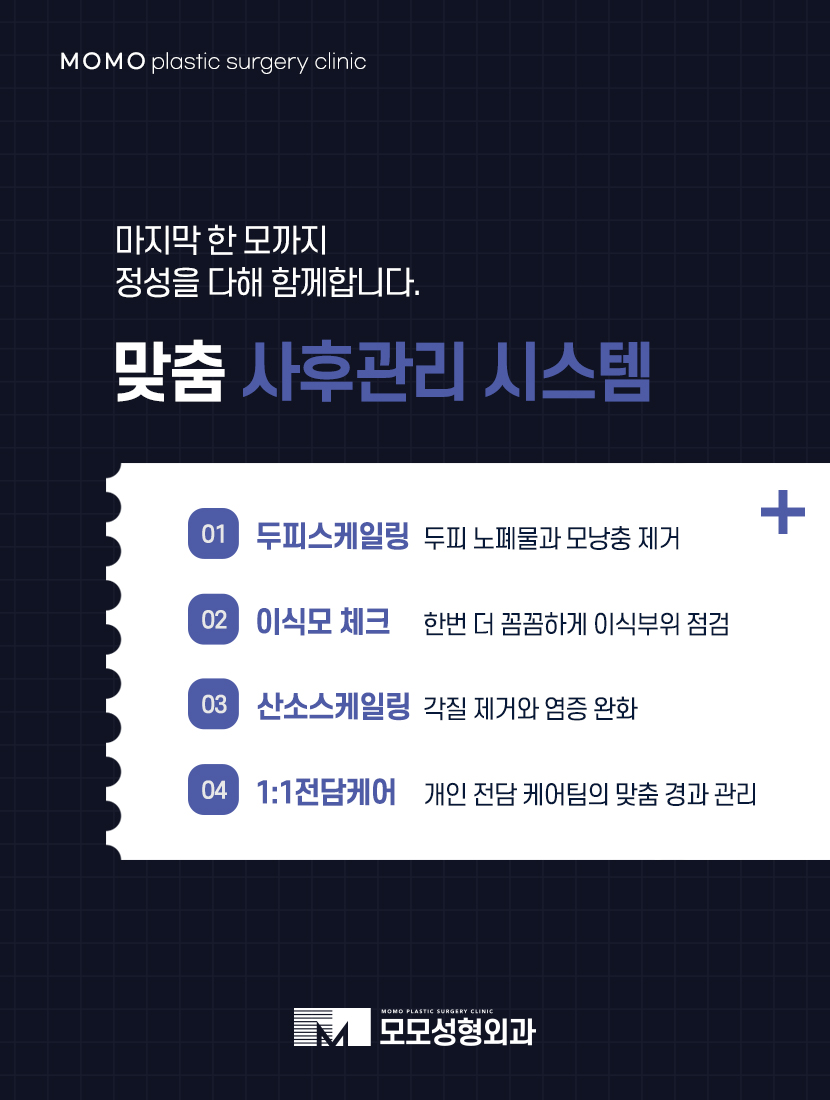
Severe folliculitis and epidermal cysts that develop after treatment can affect the survival rate
later on if not treated properly, so it may be important to care for yourself while also visiting
a clinic or hospital regularly for follow-up care.
The procedure obviously requires technical skill, but postoperative care can have a significant
impact on the outcome. Even if the surgery itself went well and you are satisfied with it, you
still need to carefully check the precautions and follow-up care afterward. Before sedation
anesthesia, you must observe an 8-hour fast. Also, even if you chose the sleep-based option, if
you suddenly become unable to proceed because of later plans before the procedure, or if you do
not want to continue because of discomfort, you can choose local anesthesia, which allows you to
remain conscious while preventing hair transplantation pain only in the targeted area. If you have
additional questions, it is recommended that you visit the relevant institution in person and have
a detailed one-on-one consultation.