Today, the issue of hair loss has gone beyond simply affecting appearance.
It now has a major impact on the psychological side as well, and has become a very important factor that can change a person’s self-esteem, so rather than being seen as just a symptom, it is often regarded as a condition that requires treatment. In the past, it was mostly dismissed as a problem experienced only by middle-aged and older men, but recently it has been occurring frequently among young men as well as women, which is why the seriousness of hair loss is increasingly coming to the fore.
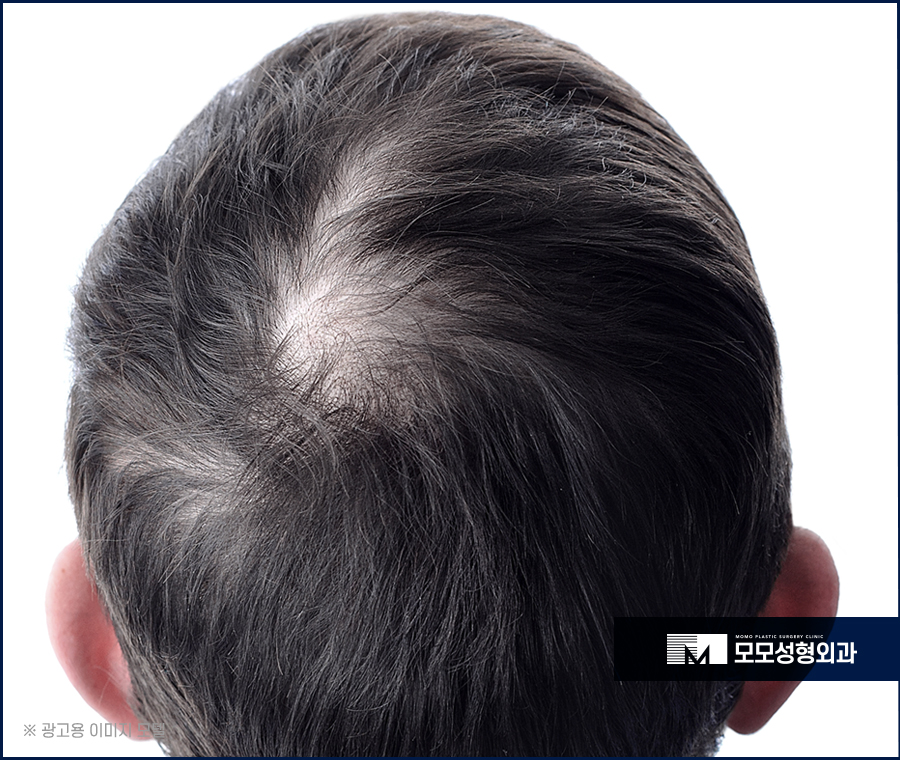
Although various solutions for improvement have emerged, a method that can completely cure it has not yet appeared. However, as its seriousness has become more prominent, various methods for restoration have also emerged, and among them, the most spotlighted option is hair transplantation.
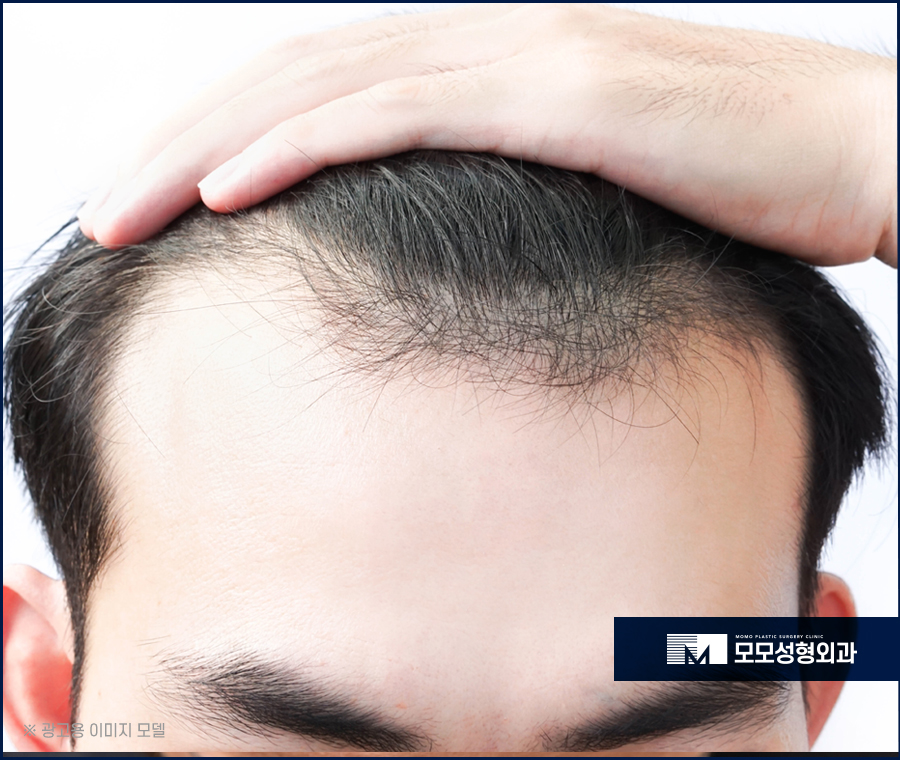
Even if you actively use shampoos, medications, and scalp massage that are said to help hair growth, it is hard to clearly see a before-and-after difference. In the end, many people turn their attention to a procedure that moves and implants healthy hair follicles. The fact that the age range of those voicing concerns continues to expand also means that the number of people needing the procedure is increasing.

Rather than neglecting the problem and hoping it will naturally improve, it is wise to take active measures in response. Since stress continues to build up and improvement is unlikely to happen on its own, interest in procedures that harvest follicles one by one and redistribute them is also increasing accordingly.
Because it is a follicular unit extraction procedure, incisions are not used, so bleeding and irritation are relatively minimal, and you can expect fewer visible scars. This also means a quicker return to daily life. Since the process involves selecting healthy follicle cells one by one and implanting them into empty areas, recovery time is naturally shortened and pain is also relatively less. However, the time required for the procedure itself may be a little longer.
Most people undergo this procedure to achieve a fuller appearance, but if the survival rate of the transplanted grafts does not increase, satisfaction will naturally decline, and revision hair transplant surgery may soon become a consideration. If the initial procedure itself boasts a high graft survival rate, there may be no need to repeat it, but if satisfaction with the outcome is lacking or if the transplanted natural hair that should be maintained permanently falls out, there may be the burden of having to do it again.
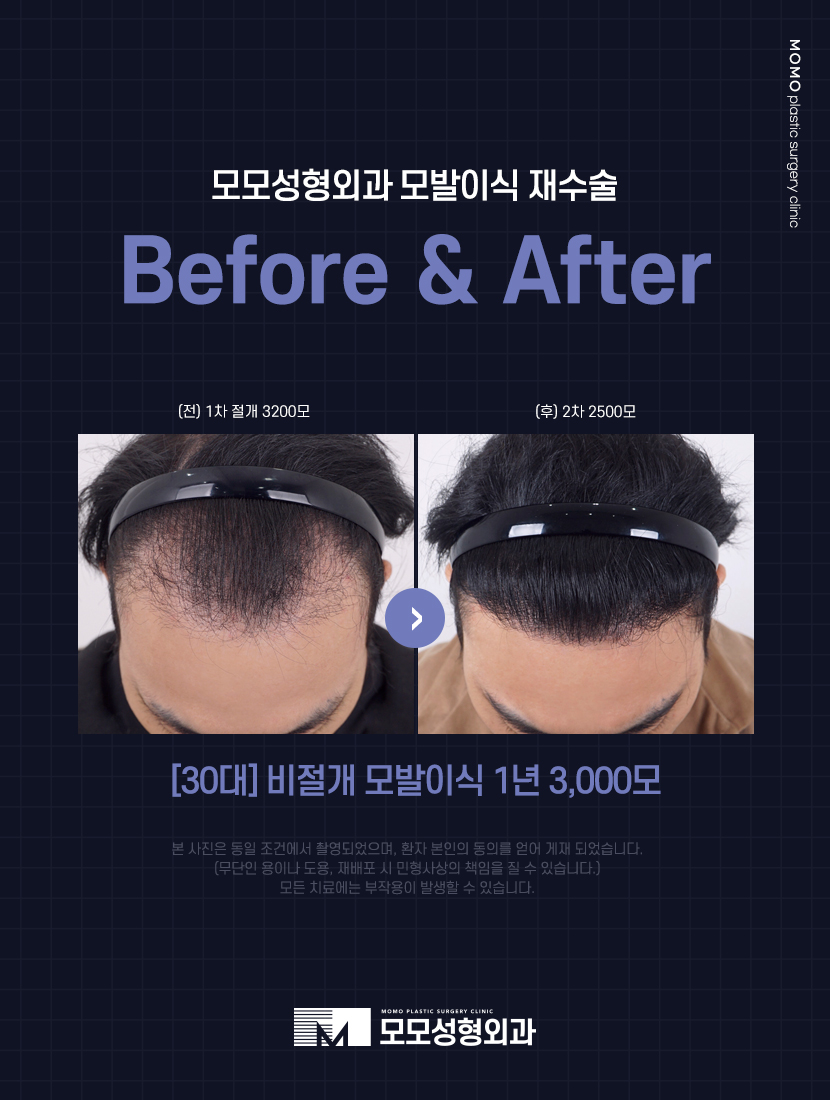
It should be carried out carefully from the start, but if the doctor’s skill is lacking or aftercare is insufficient, situations like this can occur, and in the end, revision hair transplant surgery must be considered. Therefore, from the beginning, it is essential to check for precise diagnosis and analysis tailored to each individual, as well as a systematic procedural plan. If the first attempt ends in failure, frustration and depression can come along with it. However, rather than staying stuck in those feelings, it is better to look for the relevant medical institution again.

Revision hair transplant surgery is more difficult and more complicated than the first procedure, so there are many more points that need to be checked. Because of the nature of the procedure, you should wait calmly for about a year after the operation. If satisfaction is still low after that, the timing for repeating the procedure should be determined after closely identifying the donor area and the areas that need reinforcement.
The reason you need to wait until the results are fully visible is that the scalp needs time to recover, and because there is a risk of damaging the surrounding follicles that need to be harvested and redistributed. Only when every factor is checked in detail can a high graft survival rate be expected even in revision hair transplant surgery.

Most people considering revision hair transplant surgery will likely be doing so because they were unsatisfied with the first attempt and did not like the result. In such cases, the reason for repeating the procedure must be examined carefully, and during consultation, the parts that need adjustment and reinforcement should definitely be checked. After that, the procedure should be carried out based on a systematic treatment plan. Only then can you move further away from the possibility of failure once again.

Therefore, when visiting a relevant medical institution for revision hair transplant surgery, it is important to look into not only the doctor’s ability, but also their skill, know-how, and experience, and to determine whether they can provide treatment that is truly suited to you. In addition, it is important to identify whether there were factors on your own part that led to the failure, so that you do not make the same mistake twice and can compensate for what was lacking, helping prevent another disappointing outcome from being repeated.