Hair loss is said to cause enormous psychological damage to those affected, since there is still no known way to completely cure it, to the point that it is even called an incurable disease. Because the outward change is so significant, it becomes visibly obvious, and some people reportedly experience inconvenience in communication and social life with others, or lose their self-esteem completely due to depression.
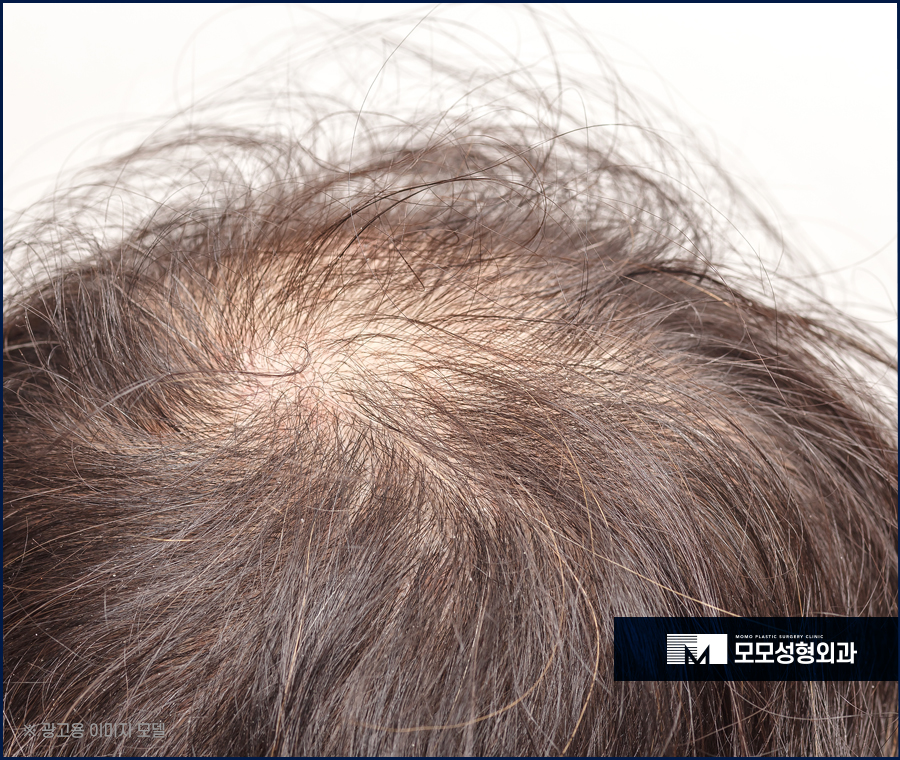
Because the symptom of losing hair progressively accelerates over time, it may be important to seek treatment quickly. To improve the current situation, finding the most suitable institution for you and receiving an accurate diagnosis could be a priority, but if the results after treatment are unsatisfactory, if density has decreased due to insufficient care, or if you want to improve the design, hair transplant retouching may be considered.
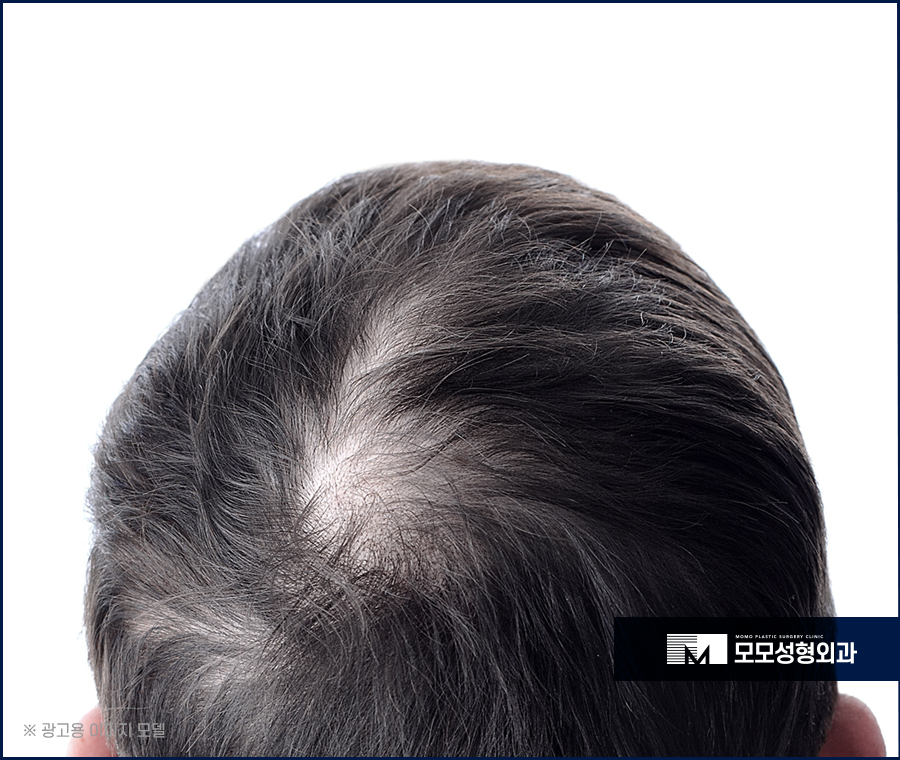
If you decide on a hair transplant because natural hair has fallen out and the scalp is visibly exposed, the process must be systematically structured, from the collection and preservation of healthy follicles to safe and swift transfer and redistribution.
In general, graft survival rate plays a major role in judging whether the result is successful, so a place equipped with post-operative care after surgery and a responsible system such as hair transplant retouching may be necessary.
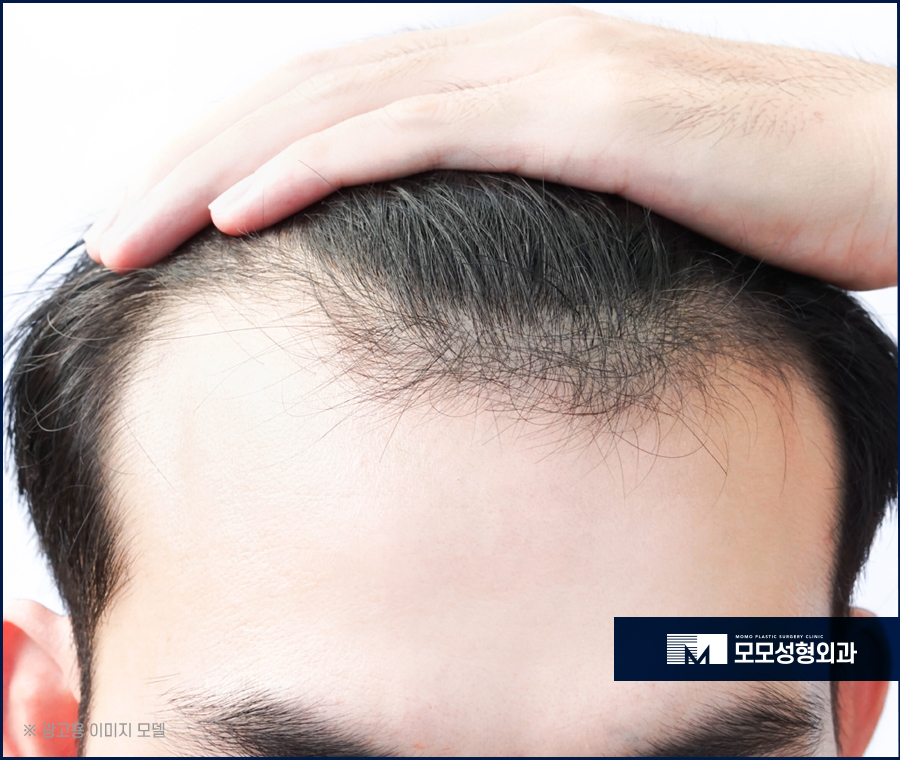
Symptoms may vary depending on the patient’s scalp condition and the treatment method, but immediately after treatment, the scalp is in the follicle engraftment period and can be said to be at its most vulnerable.
In particular, this period is the stage in which the wounds formed in the treated area are healing, so if the follicles do not engraft properly, the transplanted natural hair will not grow, which can greatly affect the final outcome, and follicles harvested from the occipital area, which is considered a healthy permanent donor area, may be wasted.
Since the number of natural hairs that grow from a single follicle over a lifetime is fixed, the amount that can be harvested is limited, so surgery cannot be performed endlessly.
An engraftment rate of 85% means the number of transplanted natural hairs is compared with the number that have successfully engrafted after surgery. If, for example, 1,000 hairs are transplanted, about 850 are considered to have successfully engrafted, and if the result shows that more than 90% have taken root, that could be considered a sufficiently good outcome.
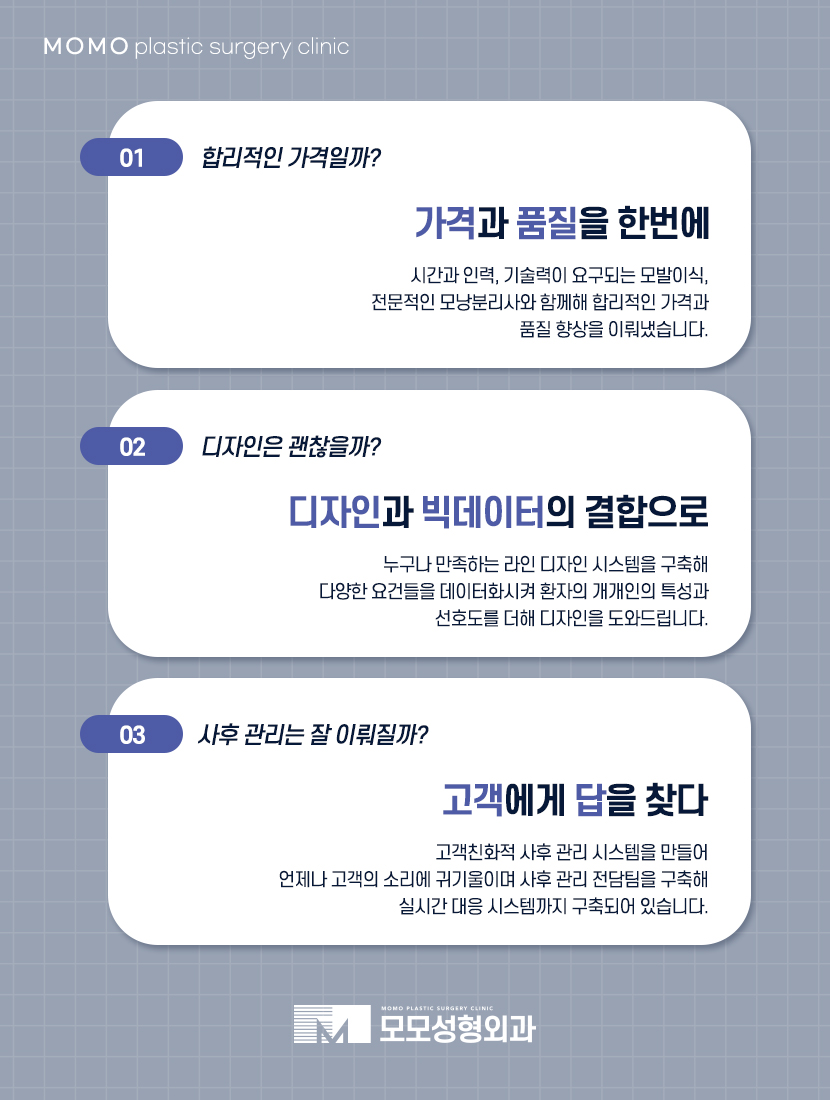
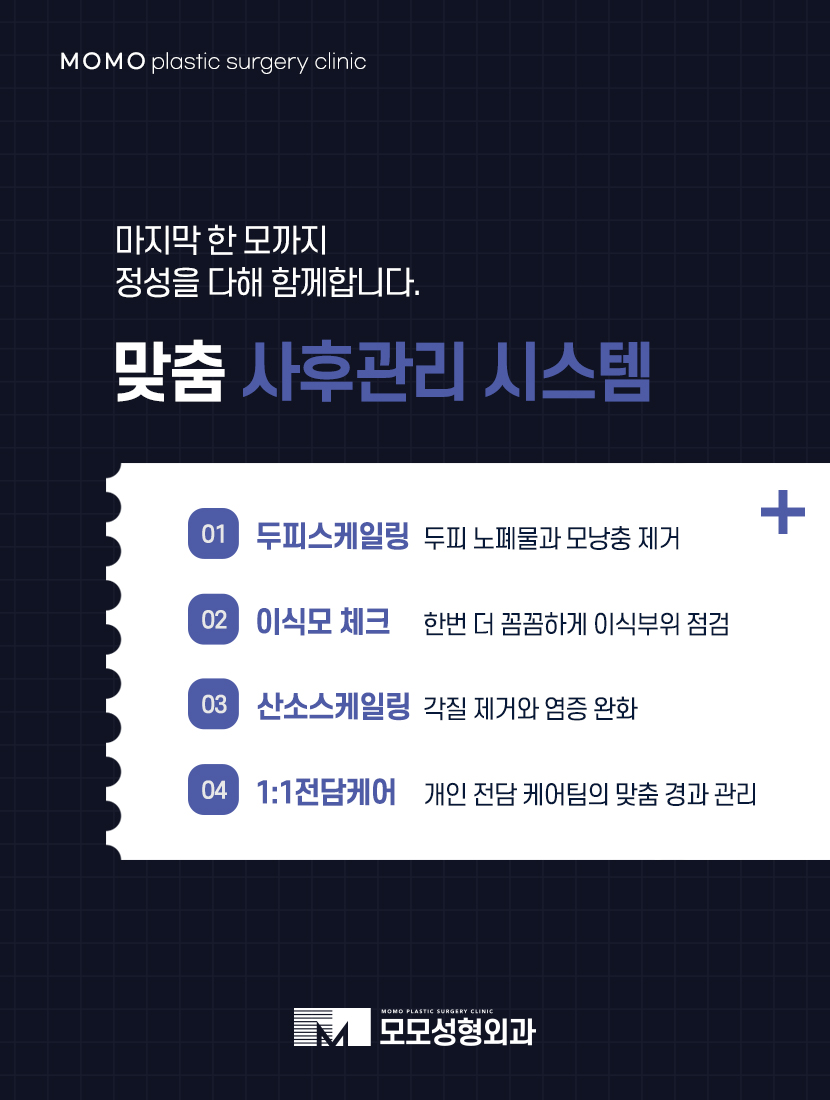
To create a result that looks as full and natural as expected, you should receive intensive care while regularly checking your progress for about one year after the procedure, monitoring pain, inflammation, and other issues.
In particular, through the post-operative care program provided by the relevant institution, it is advisable to manage the area carefully while recognizing that these efforts have a major impact on achieving satisfactory results, by receiving treatment that helps the transplanted natural hair grow and carrying out self-care at home with a home-care kit.
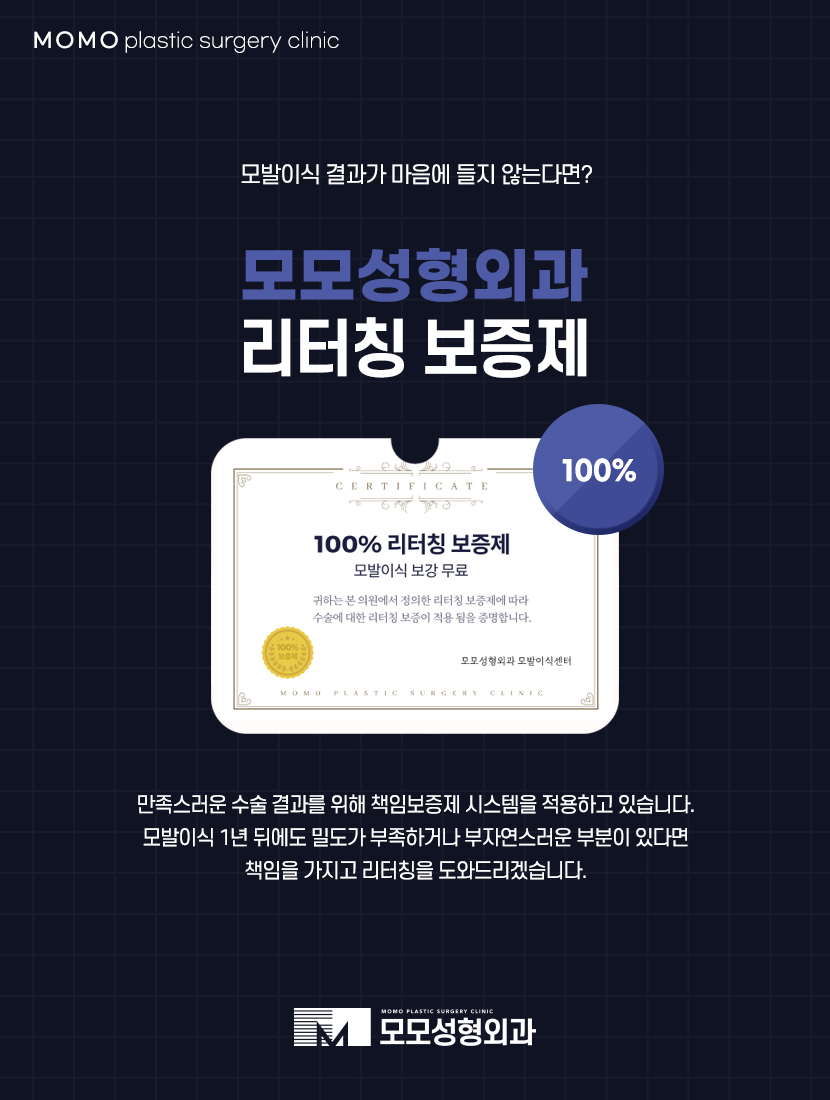
Even if you have continued steady care after surgery, if the final result falls short of expectations after checking the treated area, or if the density is disappointing, additional measures may be needed under the medical team’s judgment, and hair transplant retouching to supplement density may be possible.
Of course, it would be best to achieve the most satisfying postoperative outcome with a single procedure, but if unavoidable circumstances arise for each individual, applying a guarantee system may be a good alternative to increase satisfaction.
In the case of hair transplant retouching, since new follicles are harvested and implanted between existing hair and the transplanted natural hair, care must be taken to prevent follicles from colliding within the scalp.
If follicles come into contact with each other, rather than increasing density, shedding can occur, and a phenomenon of concurrent shedding may happen together with the implanted hairs.
Also, because harvesting is not possible using the same method as the first procedure, this treatment can be considered a highly difficult surgery.
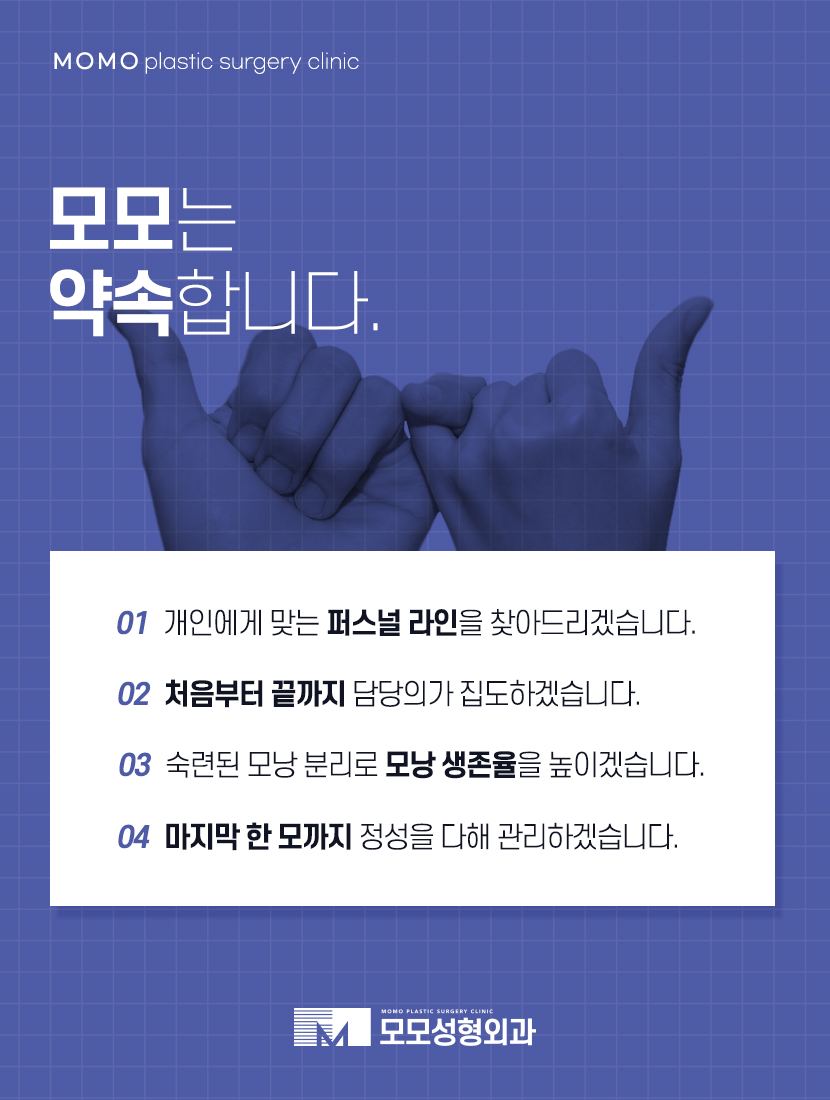
In some cases, repeat treatment itself may be difficult depending on the scalp condition and density, so before proceeding with hair transplant retouching, we recommend fully exploring possible directions for improvement with the surgeon performing the procedure and then moving forward.
This is a very important point and should be judged only after sufficient analysis.
In addition, to avoid a situation where repeat treatment does not happen, it is advisable to refrain as much as possible for about two weeks, which corresponds to the engraftment period, from risky activities that may have harmful effects, such as strenuous movement like exercise, smoking, and drinking.
We recommend receiving a detailed consultation about post-care after hair transplant retouching and then undergoing intensive management.