Among people living in modern society these days,
regardless of age, many become deeply discouraged
because of appearance-related concerns caused by the
loss of natural hair, and in severe cases, some even
complain of depression or social avoidance.
This phenomenon can be triggered by various factors.
A representative cause is stress arising from study or work,
and other reasons include genetics from family history,
air pollution, and environmental pollution. As a result,
more and more people are facing this condition and
worrying about it.
Recently, the proportion of younger people suffering from
these symptoms has increased quite a bit. In particular,
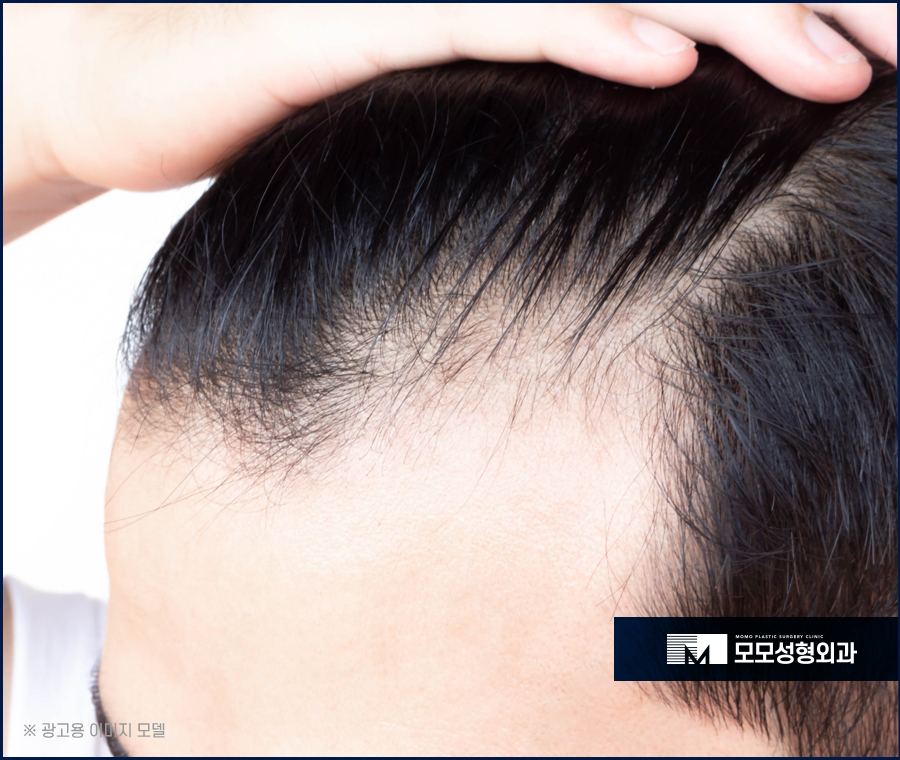
a large number of people experience male M-shaped hair
loss, and if this type of natural hair loss appears, they
will struggle to find a solution.
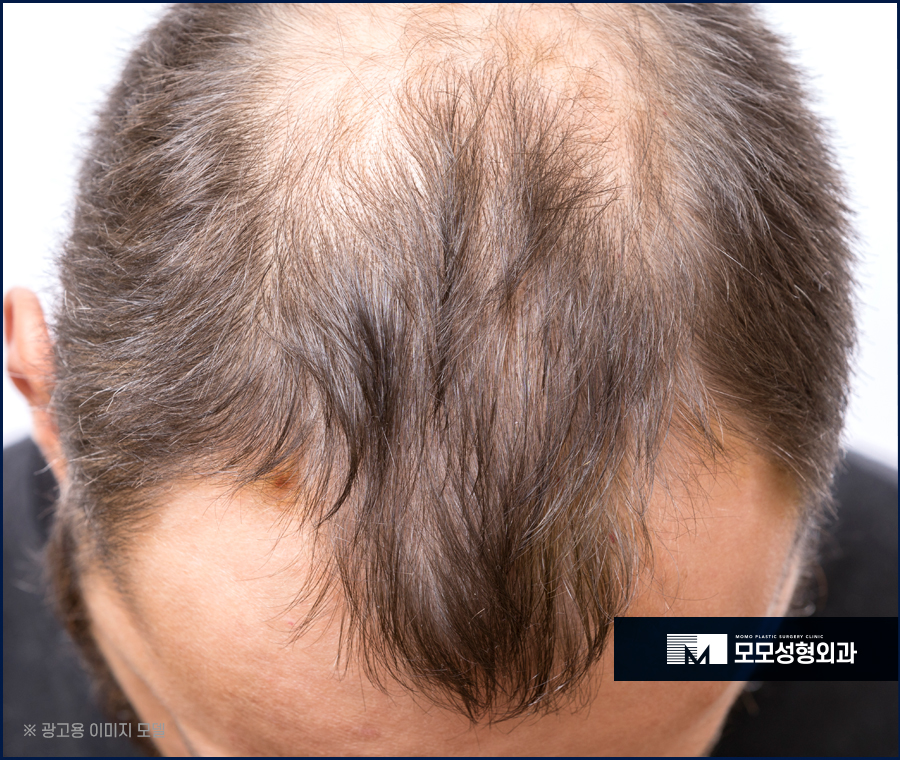
That is because this condition affects an area that is
visible from the front to others. If the natural hair in this
area falls out, it can make a person look older than their
actual age and continuously undermine confidence in
their appearance, so it can have a significant impact on
daily life and social activities.

In addition to the points mentioned above, many people
may wonder why male M-shaped hair loss occurs, what
symptoms it has, and whether there are ways to improve it.
Even people with normal hair who do not have these
symptoms can lose dozens of strands a day depending on
the hair's lifespan, so it is difficult to suspect it hastily.
However, if the amount of hair lost consistently stays at
around 50 to 100 strands, genetic hair loss may be worth
considering.
A simple way to check whether this is the type of problem
is to see whether the forehead and temples are gradually
receding and whether the surrounding hair density is
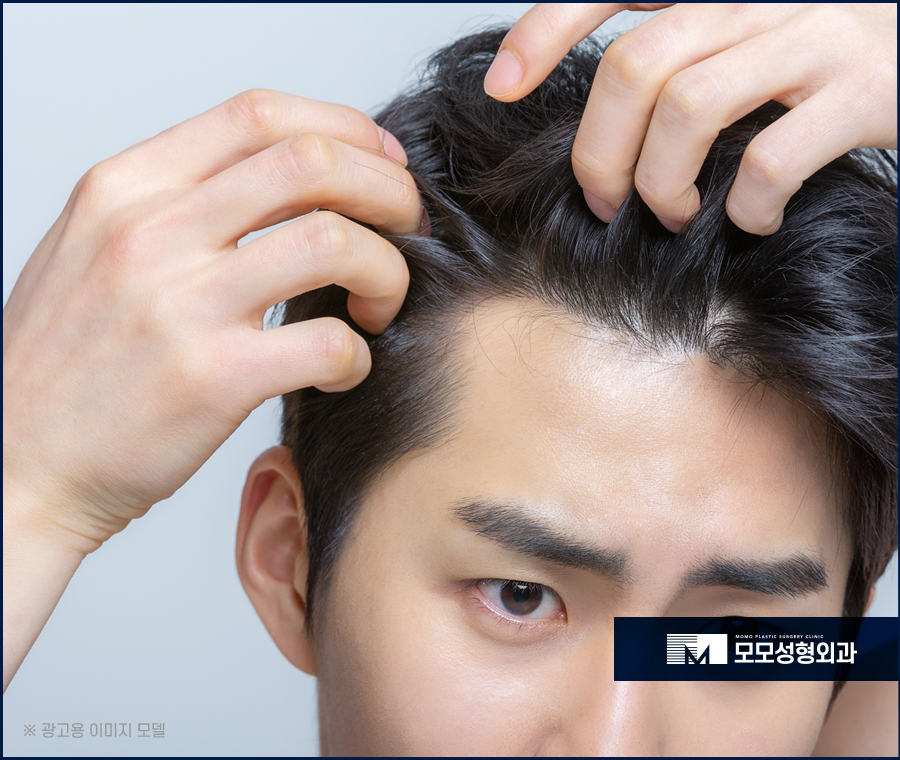
decreasing. If you push your bangs back and the hairline
forms an M shape rather than a straight line, and the hair
distributed along the border is not dense but sparse and
thinning out, there is reason to suspect it. If it is visible to
the naked eye, it can be said to be a point where urgent
treatment is needed.
In this way, even ordinary people who are not experts can
identify certain signs of natural hair loss. In addition to the
points above, if you grasp a handful of hair and pull with
slight force and five or more strands come out, if you check
for a white, translucent substance at the root, if the scalp
becomes generally oilier and pimples appear, or if the hair
feels thinner and weaker than before, it would not be an
exaggeration to say that concerning male M-shaped hair
loss has already begun.
 Male M-shaped hair loss, why does it happen?
In addition to the genetic reasons mentioned earlier, it is
also said to be triggered by male hormones. Testosterone,
one of the male hormones androgens, combines with 5-alpha
reductase to convert into DHT, which causes it. In addition,
the scalp in the frontal area is known to be more active
than the occipital area, making it more likely to occur in the
forehead. There are also acquired causes in addition to
these congenital ones, and these are reportedly increasing
as well.
Irregular lifestyle patterns and habits, excessive smoking
and drinking, and poor sleep quality can also adversely
affect hair loss.

To improve this problem, people will work hard on home
care on their own and look into and refer to various methods
that may be helpful.
However, if despite spending time and effort they do not
get dramatic results, they are faced with a deeper sense of
frustration and see themselves filled with concern.
When this happens, it is no longer about self-care, and
people begin to think about visiting a related medical
institution to consider treatment or surgery appropriate for
their current condition.
Treatments that can help prevent further progression
include widely known oral medications, topical agents
applied to the area of concern, and surgery that implants
follicles collected from the back of the head.

Treatment will begin using the appropriate method based on
the symptoms and condition each person currently has.
Among the various methods, the treatment that receives the
most positive response is transplantation. This is because
the collected follicles are implanted back into the area of
concern, making it a way to regain one's own scalp in a
more complete form. However, the burden of having to
undergo surgery may also arise, but because the procedure
can become a turning point that feels like the start of a new
life, if you are considering it, it is also necessary to carefully
review the dedicated institution and choose to proceed
promptly.
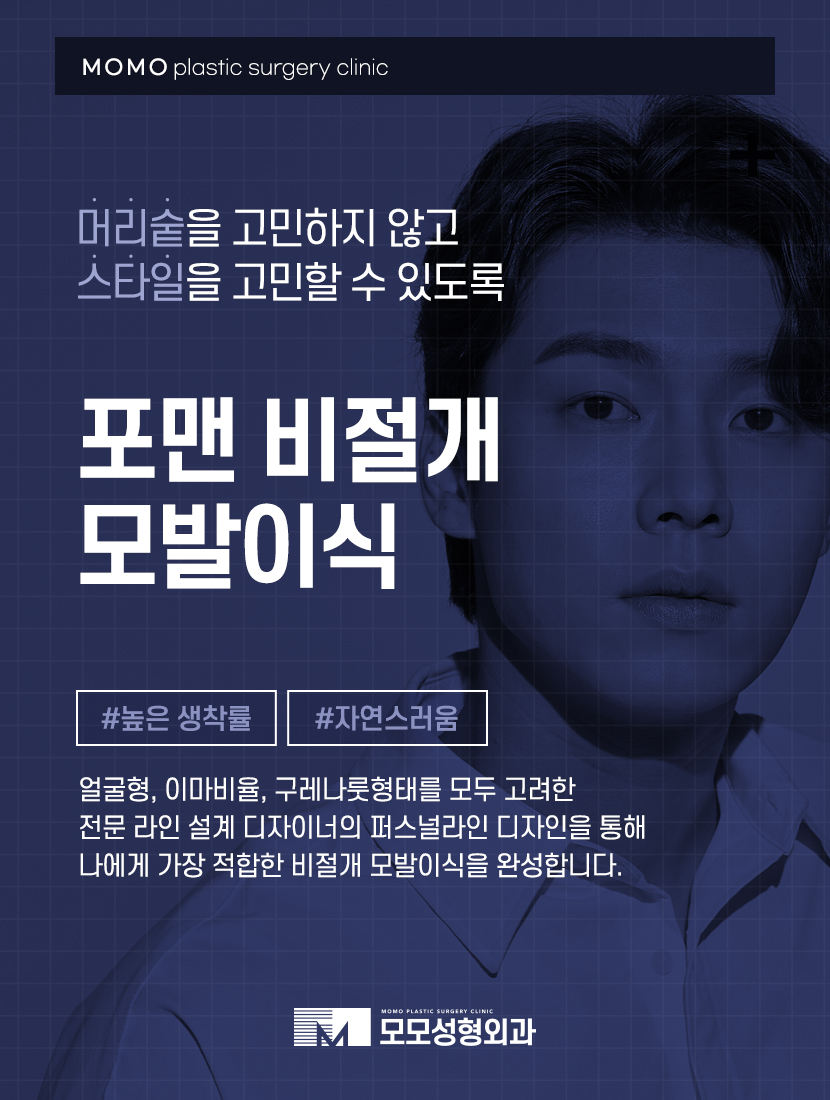
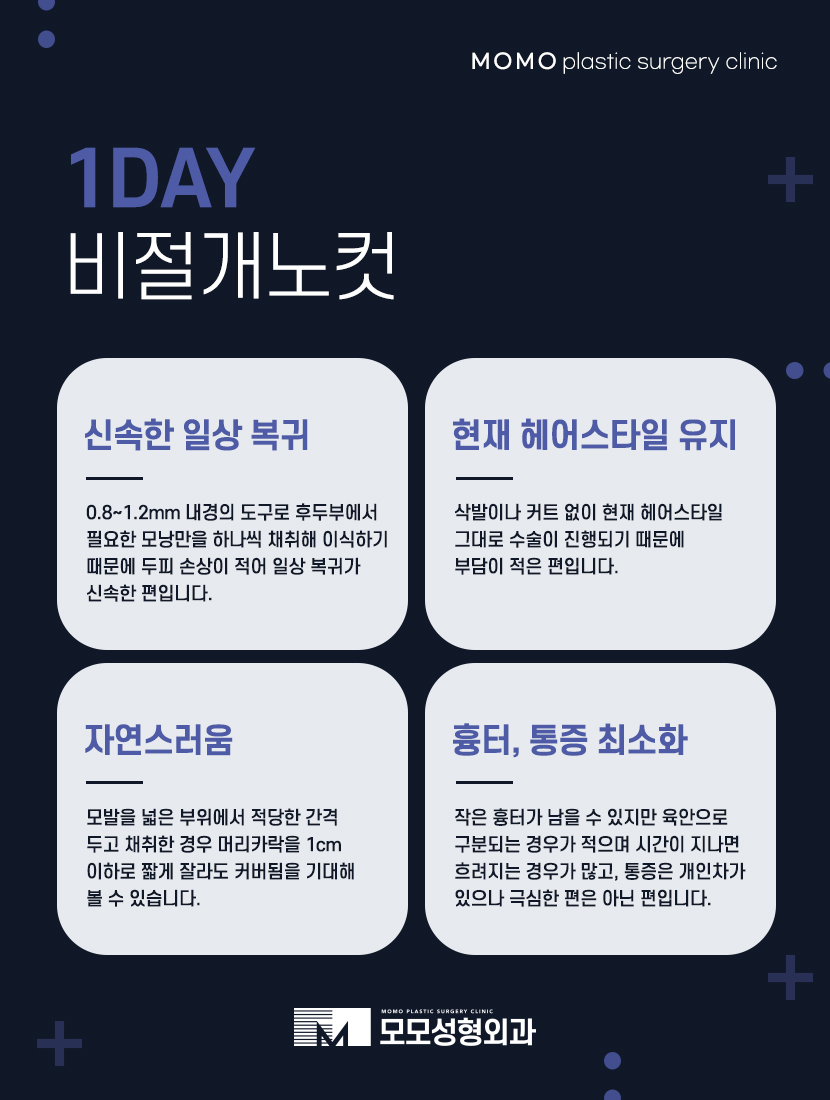
There are broadly two types of transplantation for male
M-shaped hair loss: incision and non-incision. Because each
person's symptoms and affected area are different, and the
characteristics of each person's natural hair are also
different, the procedure can vary depending on the method
selected for each individual.

And to improve this condition using such methods, choosing
the right medical institution is more important than
anything else. It is necessary to determine whether the
medical staff have a high level of skill and many years of
clinical experience, and whether they have abundant know-
how derived from that experience. In particular, because the
hair loss area is visible from the front, careful diagnosis and
treatment are needed to see whether the procedure is
designed to look natural rather than artificial, and then full
treatment should begin.

It is also important to judge whether the institution provides
careful, individualized management tailored to each patient
before and after treatment. If natural hair loss symptoms are
left unattended, they may worsen, causing the area that was
once relatively small to grow larger over time and the
remaining healthy natural hair to deteriorate. So rather than
worrying alone any longer, I hope you visit a relevant
institution, find the appropriate treatment for male M-
shaped hair loss, and reach the moment when you can
regain the confident self you had lost.