There was a period when people could not freely enjoy outdoor activities
or travel as much as they wanted for quite a long time,
but now that the COVID-19 alert level has been lowered
and major quarantine measures have also been eased,
more people are making plans for outings and trips
to various places both in Korea and abroad.
When you finally get to go outside, you may also feel like
transforming yourself, so you naturally start paying attention
to grooming your outward appearance. You may try different
makeup methods you have consistently used, change your
fashion style, and take on various challenges while putting
in the effort. You may also try changing your hair color or
getting treatments such as perms to create a more varied look.
However, if your hair is not thick and full, but instead weak
and lacking vitality, even getting a simple haircut may become
something you hesitate over and think twice about.
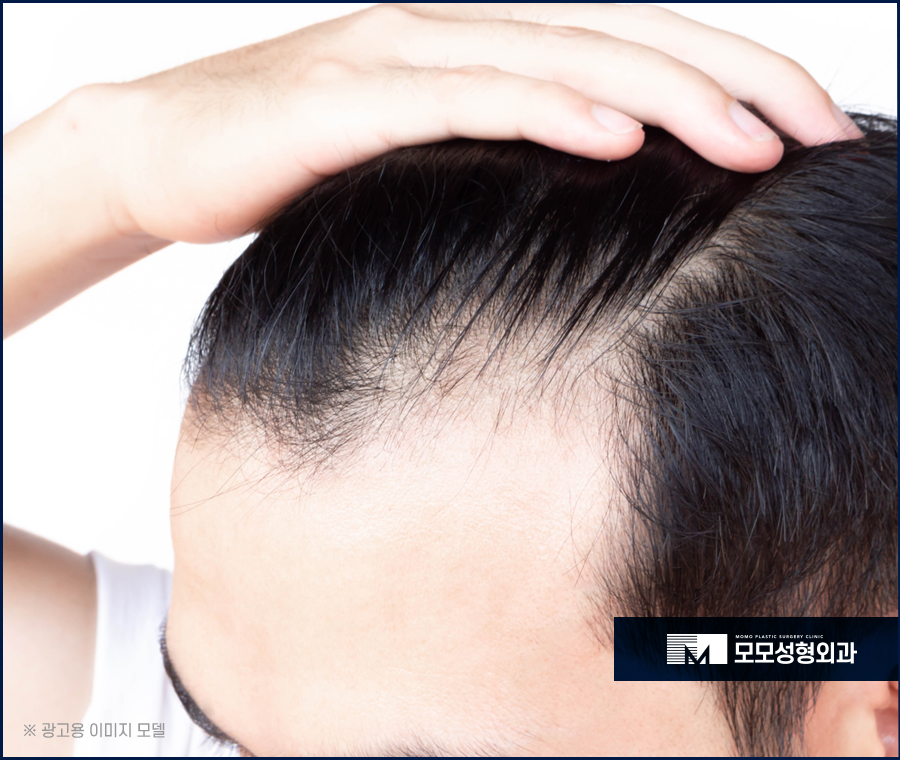
If you have these symptoms, or if the condition has already
progressed quite a bit, you may visit a pharmacy to buy and
take related oral medications in an effort to slow it down,
and at times you may purchase and use dedicated shampoos or
products that are said to help. You may put in a great deal
of time and effort trying all kinds of measures, but while
these methods may help prevent hair loss, they can be difficult
to address the fundamental cause when natural hair is already
falling out and disappearing.
And if these symptoms have moved beyond the early stage and
are becoming more severe, it is important to respond actively
and receive prompt treatment. These days, the number of people
with this condition seems to be continuously increasing,
regardless of age or gender, and perhaps for that reason,
more people are visiting Apgujeong Hair Transplant Clinic,
sharing their concerns, and receiving treatment after finding
an appropriate approach to their condition.
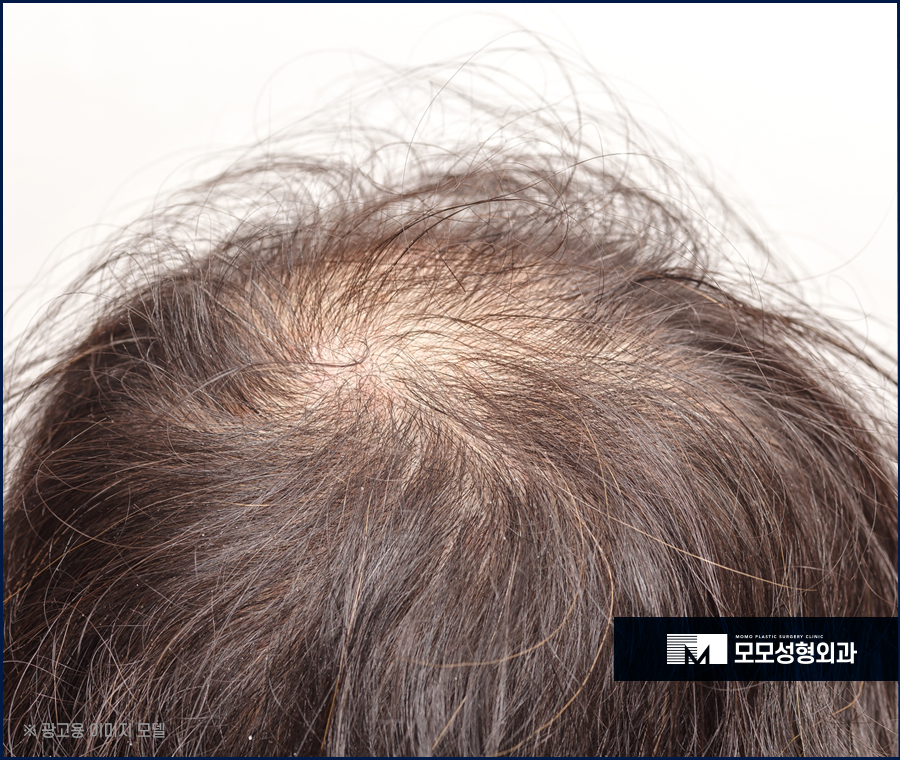
Hair loss can appear in various forms, such as the crown area
or a hairline that gradually recedes upward. If such patterns
are visible, they can make you look older than your actual age,
and the stress caused by appearance can be felt both physically
and mentally.
Many people think hair loss occurs because of hereditary
factors that appear in the family line, but in modern society,
it can also arise from acquired factors such as harmful
substances, environmental pollution, Westernized eating habits,
irregular lifestyles, and chronic stress. Because of this,
there may be limits to managing it on your own.
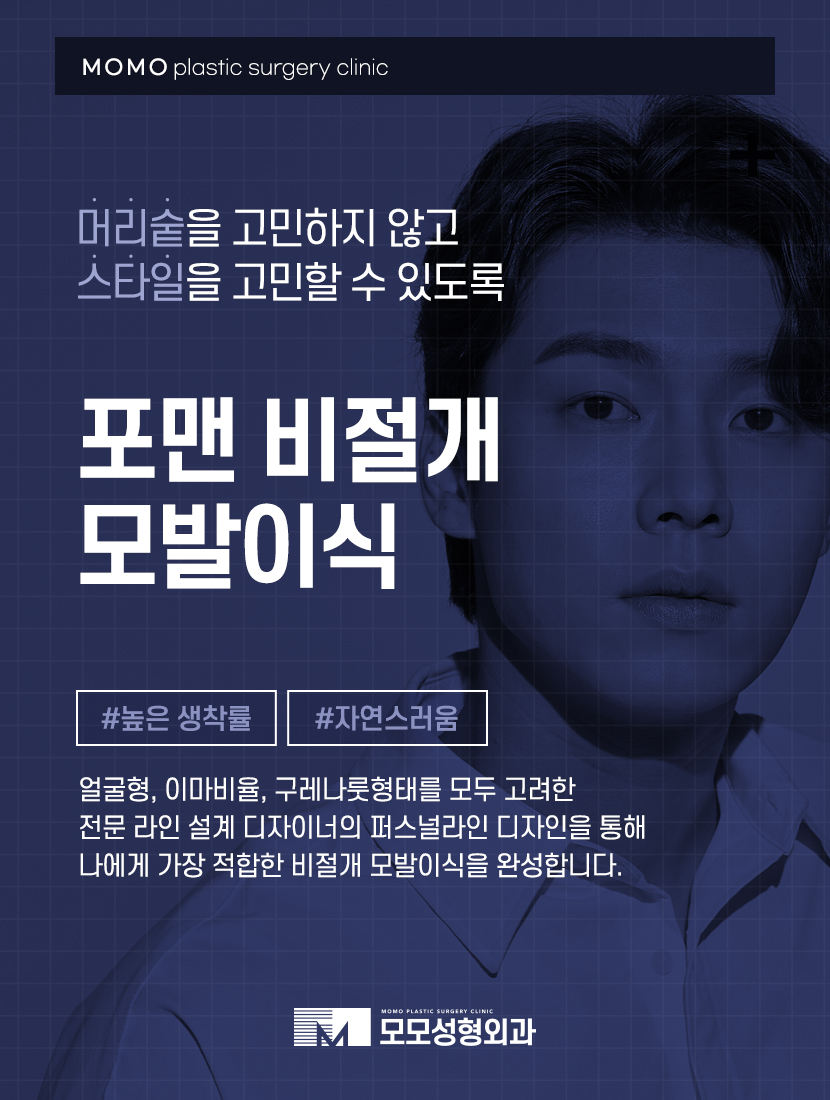
For this reason, more people are taking the step of visiting
Apgujeong Hair Transplant Clinic, and it is said that medical
institutions in this field are also increasing as the topic
receives public attention. Natural hair goes through a cycle
of falling out and growing back when a certain period passes,
and there is no problem if it grows back normally. However,
if there are abnormalities in hormone secretion, if the hair
follicles are damaged, or if you are placed in an environment
where you are continuously exposed to stress, natural hair
gradually becomes thinner and loses its health, making you more
vulnerable to hair loss. Therefore, it seems that many people
experiencing these symptoms visit related institutions and
undergo diagnosis and treatment for implantation together with
medical staff.
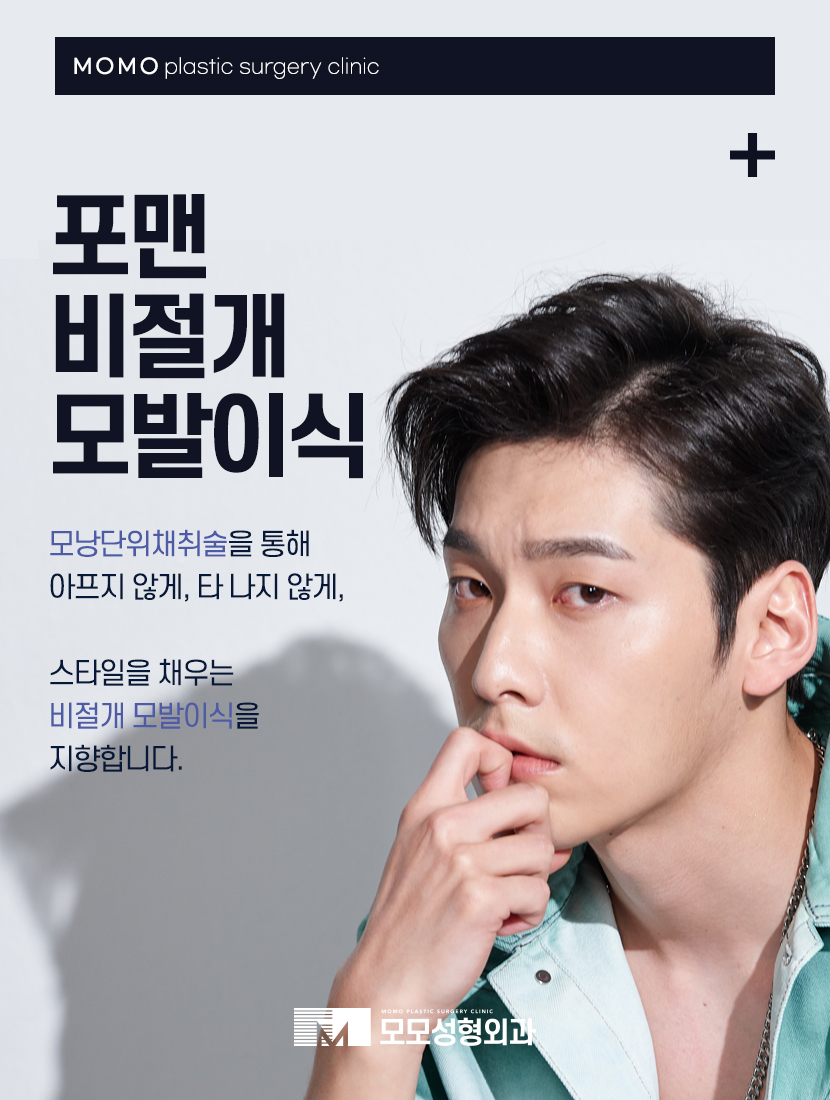
Once terminal hair starts to fall out, it does not recover on
its own and, in most cases, gets worse instead. That is why it
is important to frequently check your own condition and carefully
carry out a preliminary self-check to see whether a procedure
is needed, then visit Apgujeong Hair Transplant Clinic and
receive the appropriate treatment. The method is considered
according to the current area of concern and condition, and it
is broadly divided into incision and non-incision methods; each
has its own advantages and disadvantages.
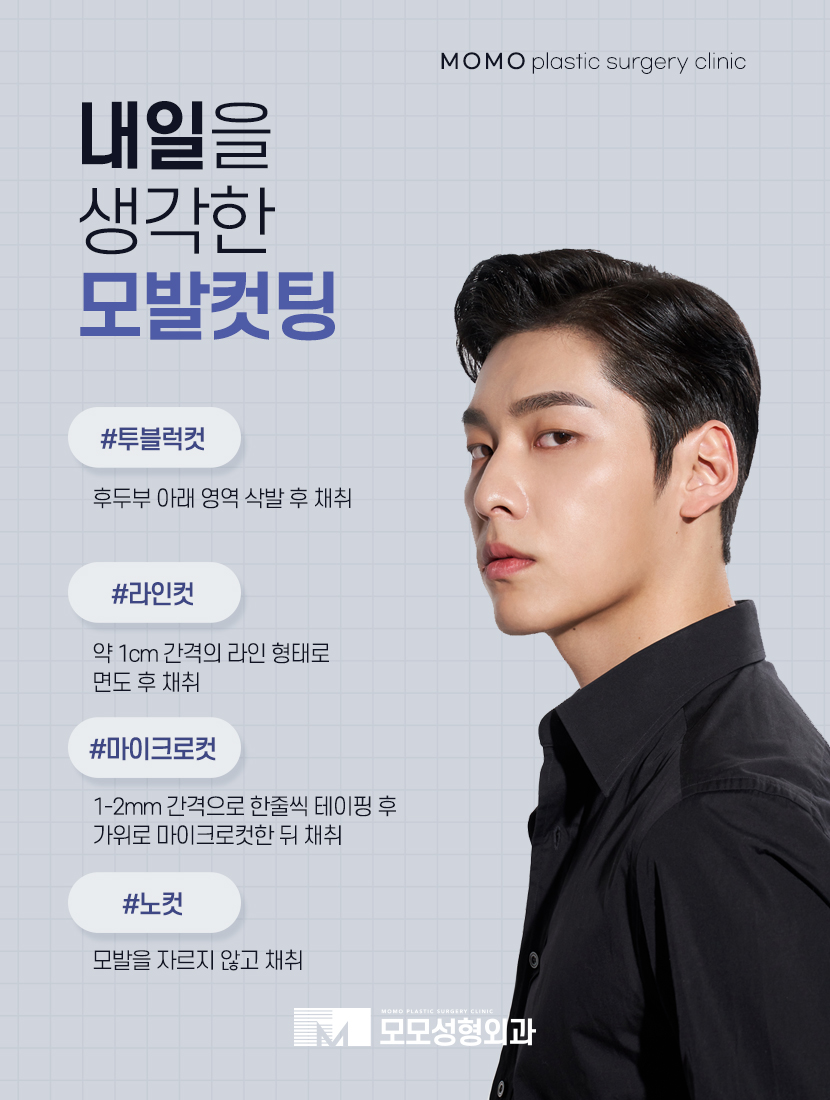
In the past, since it was not a widely used surgery, the
procedure was carried out through a one-size-fits-all surgical
method that involved making an incision in the scalp at the
back of the head. However, technology has advanced greatly,
and now it can be performed flexibly in various ways such as
non-incision and no-cut methods. In particular, the non-incision
method at Apgujeong Hair Transplant Clinic can respond positively
to the problem of scars left on the scalp, and because it is
a relatively low-pain procedure, faster recovery can be expected,
making it possible to return to daily life right away, which is
a major advantage.
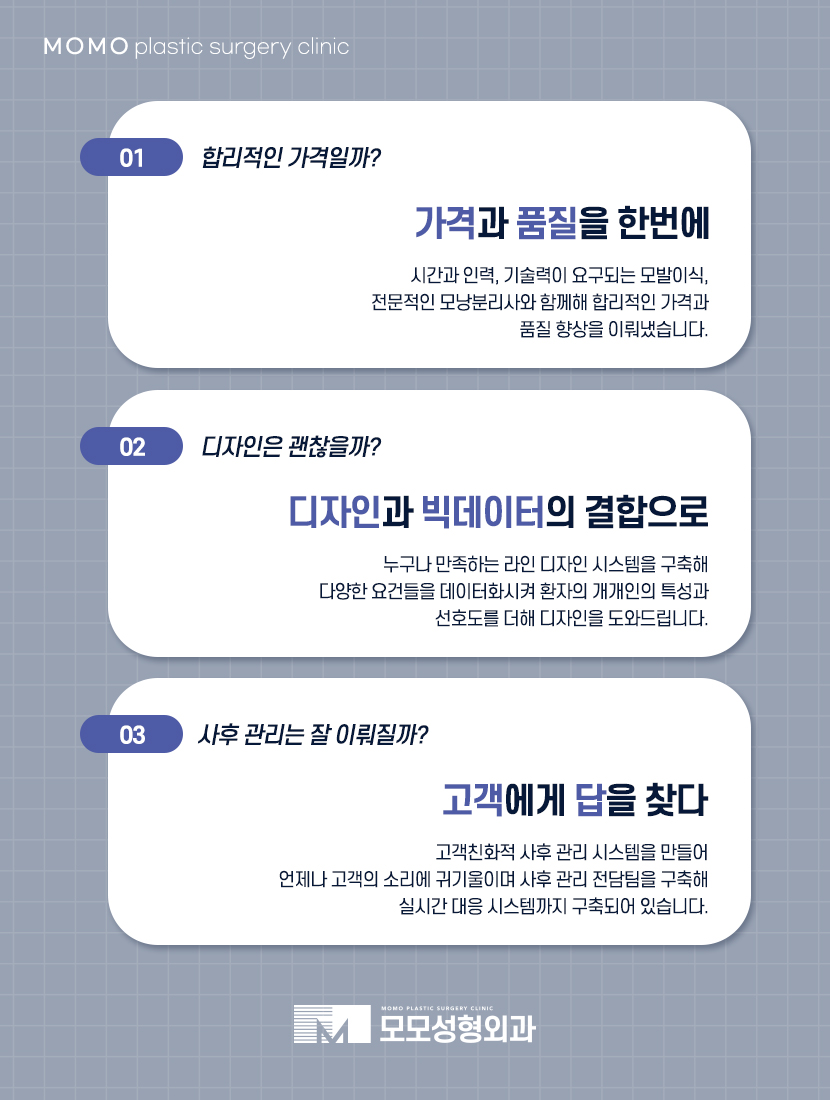
And when performing the transplant procedure, you should avoid
the idea of simply implanting a large number of follicles to
obtain dense coverage, as this can lead to results with an
artificial appearance. Instead, you need to consider many
factors, such as a personal design that naturally suits your
face shape and the angle and direction of the natural hair,
in order to achieve the level of satisfaction you want. Also,
if you are considering the procedure, it requires a significant
expense, and after that, follow-up care must be carried out for
about a year. For this reason, you should not make a hasty
decision when visiting Apgujeong Hair Transplant Clinic; it
should be chosen with caution in mind.
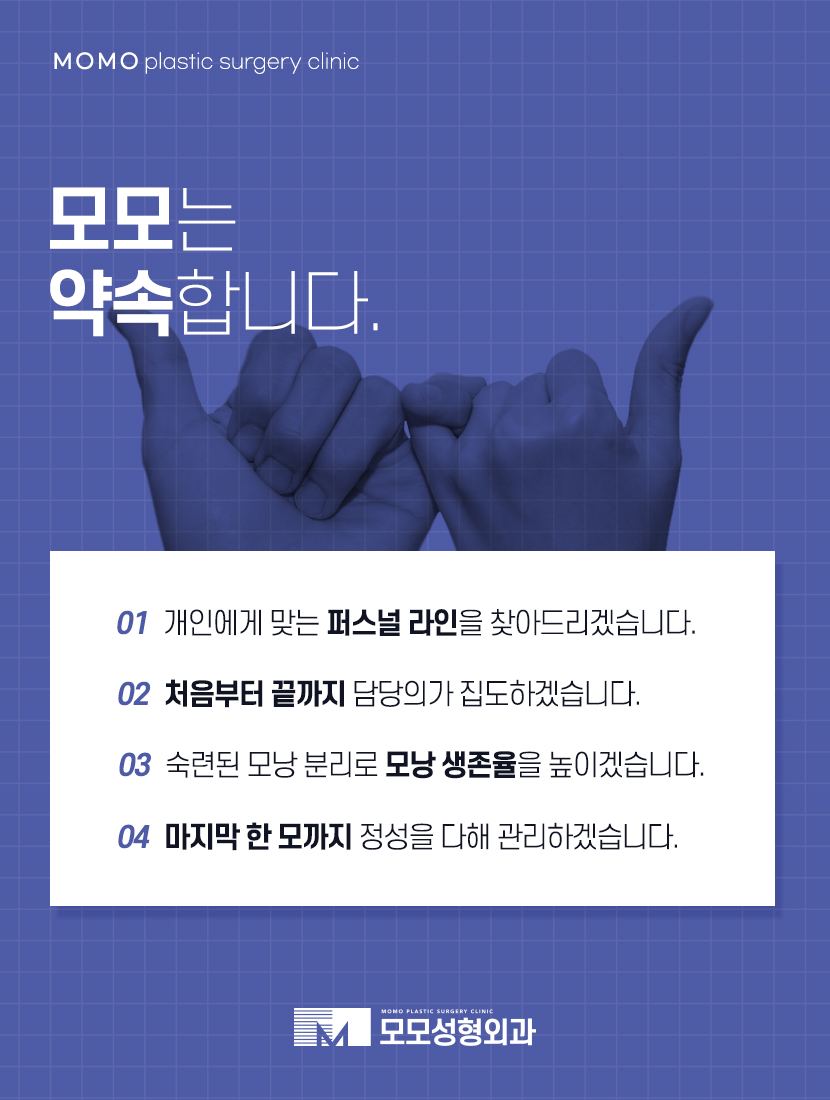
Even if it looks like a common hair loss symptom such as
reduced density or a changed hairline, when a detailed
examination is performed, the degree and pattern of the condition
can differ from patient to patient, so it may be difficult to
conclude that it applies uniformly from a general perspective.
Therefore, the medical staff at Apgujeong Hair Transplant Clinic
personally assess the condition, make a diagnosis, set a treatment
plan, and then examine the effects that can be achieved. To
derive satisfying results, you should be sure to check whether
experienced medical staff with many years of clinical experience
across various cases and abundant know-how are always on site
and performing the procedure directly. As explained above, after
the surgery is completed, you should also confirm in advance
whether careful and delicate care is being continuously provided
through patient-specific 1:1 customized follow-up management for
a high graft survival rate. Please keep this in mind.