After finishing a busy day and coming home,
once you wash up thoroughly, dry your hair,
and tidy up, there are days when you notice
a large amount of hair scattered around you.
In the past, you might have simply brushed it off
without paying close attention, but from the moment
you truly become aware of it, it no longer feels
like an ordinary matter and can settle in your mind
and heart as something to worry about.
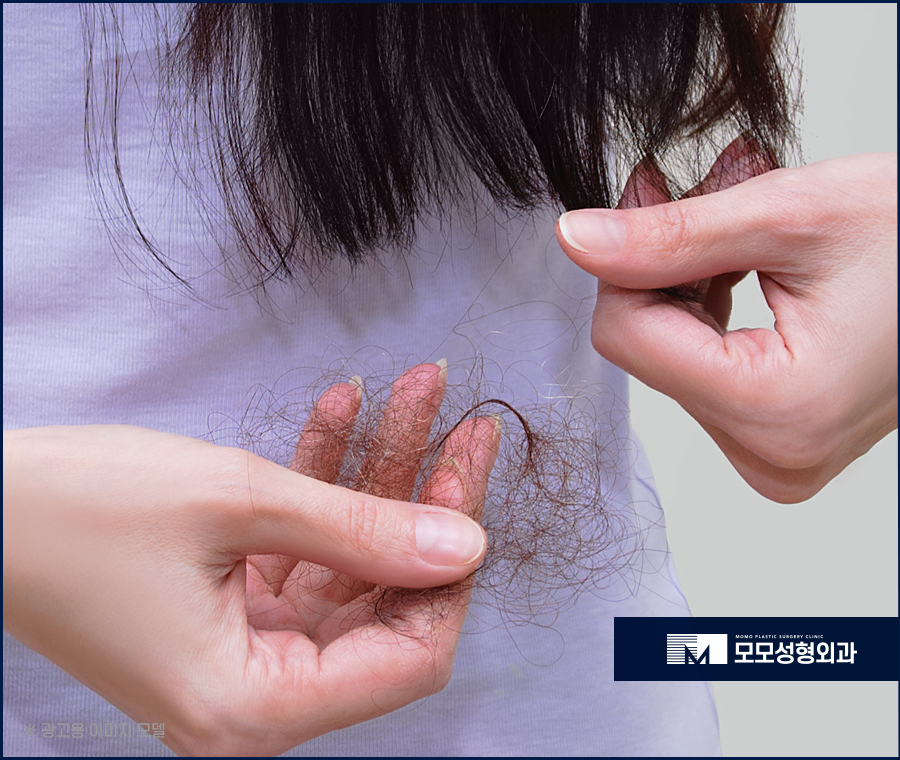
Assuming you have normal hair, if more than about
50 to 100 strands of natural hair fall out per day,
or if your scalp keeps becoming oily, it gets itchy,
and scratching it causes abrasions, and in severe
cases even dandruff appears and does not go away,
these kinds of symptoms are considered evidence that
a condition of early hair loss has already begun.
It is said that the proportion of people suffering
and struggling with this type of condition is
increasing these days, and it affects men and women,
middle-aged people and young adults alike—regardless
of age or gender.
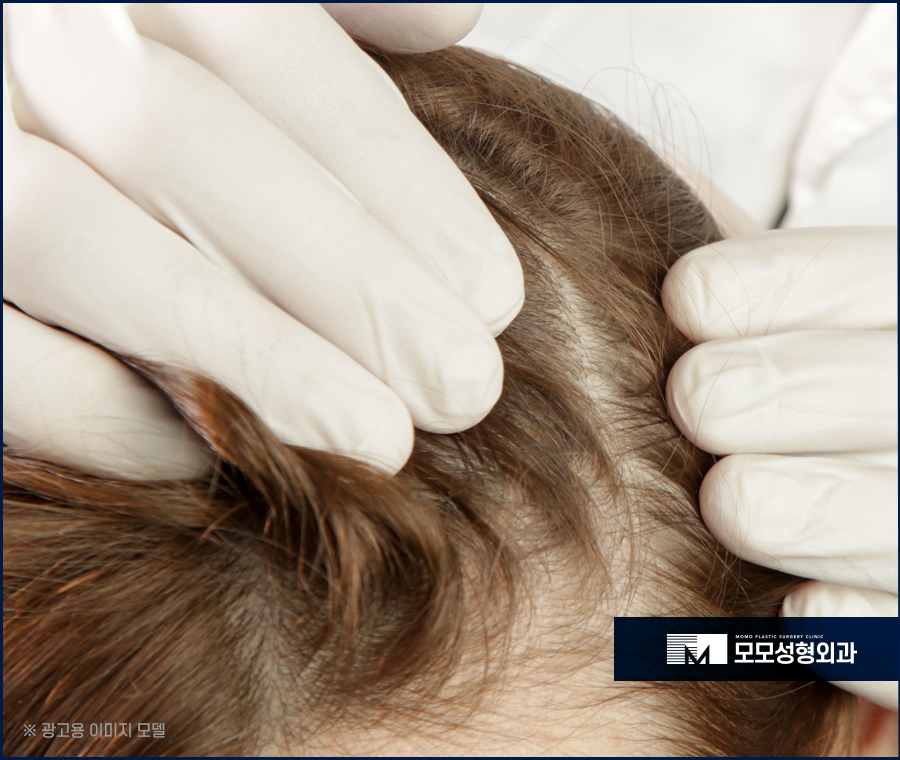
In particular, the number of younger patients who
are highly interested in and attentive to outward
appearance has been rising rapidly lately, and it can
be said that they do not hesitate at all to visit
related facilities. They also seem to actively engage
in improving the areas they are concerned about.
There are various methods for treating areas where
natural hair has fallen out and been lost. These
include specialized shampoos that are easy to access
and useful more for prevention and care than for
treatment, medications that are taken for several
months and show improvement, and hair transplant
procedures that may involve a fairly large financial
burden but can be expected to produce dramatic
results. A well-known method also includes applying
a topical treatment.
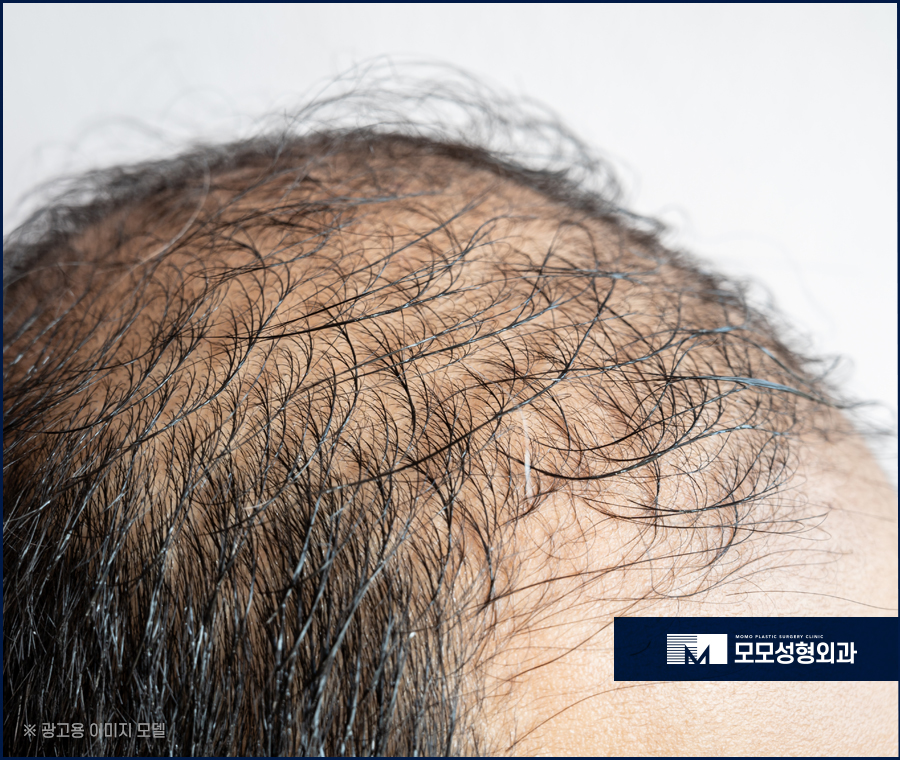
Today, before talking about using this product for
treatment, we will discuss minoxidil side effects and
share ways to use it properly. It was originally
developed as a drug for treating hypertension, and it
works by widening blood vessels to lower blood
pressure. However, it was discovered that as blood
vessels widen, more oxygen and nutrients are more
easily delivered, causing hair on the head and body
to grow. This effect was then used in reverse to
help treat hair loss, and by reducing the dosage, it
has now become a treatment method that is relatively
easily accessible.
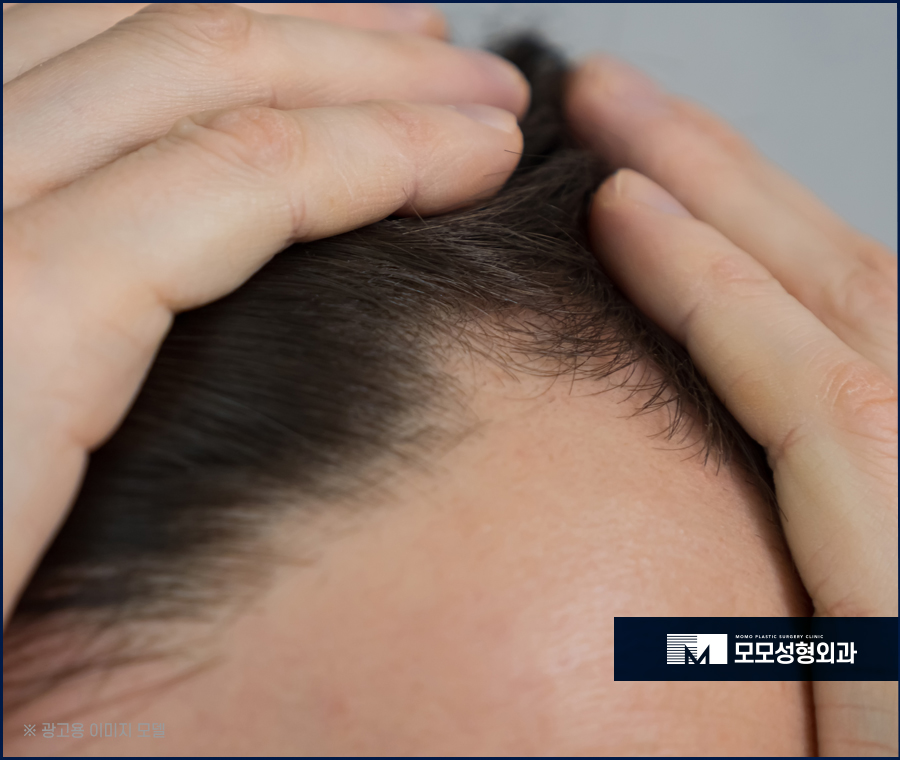
It comes in two forms: tablets and topical products,
and the formulations are further divided into gel,
foam, and solution at 2%, 3%, and 5%, which means
they can be used in the appropriate way depending on
gender and condition. The tablet form is also known
to be more effective than topical preparations, but
because it is chosen according to individual traits
and circumstances, it may be helpful to know this in
advance if you need to take tablets.
Symptoms of side effects from oral minoxidil may
include tachycardia, heart failure, headache, fluid
retention, itching, and sun allergy, and these
symptoms can occur as blood vessels widen. In
addition, hair may grow not only on the head but also
in unwanted areas such as the philtrum, arms and
legs, underarms, eyebrows, chest, back, or forehead.
There are also cases in which this hair growth
continued for up to six months even after stopping
the medication.
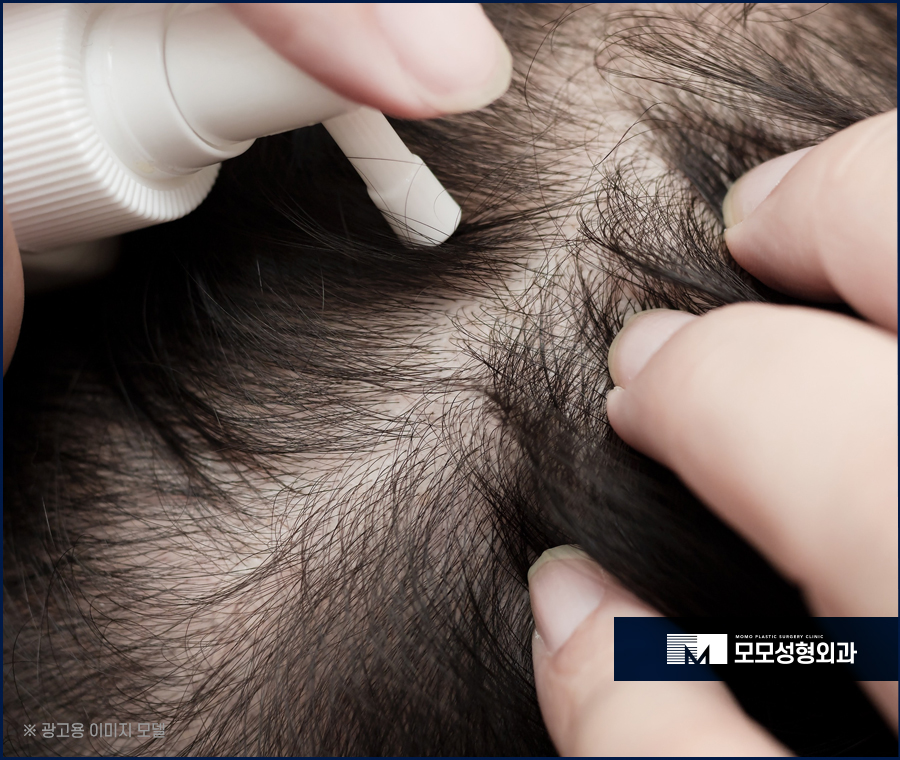
Next, a representative side effect of topical
minoxidil is that shedding may occur. To explain it
simply, it refers to a state in which weaker hair
falls out so that healthy hair can grow anew. It is
used to address the loss of natural hair, but if a
large amount of hair suddenly falls out, you may
worry that things have gotten worse. Not everyone
experiences this, but depending on each person's
pattern, the resting phase may be brought forward, so
hair may fall out more quickly than usual. Also, when
applying the medication, the liquid may run down and
have a harmful effect on the area around the eyes or
the eyes themselves, causing vision to worsen or
creating a stinging sensation. For that reason, you
should cover the eye area as much as possible before
applying it.
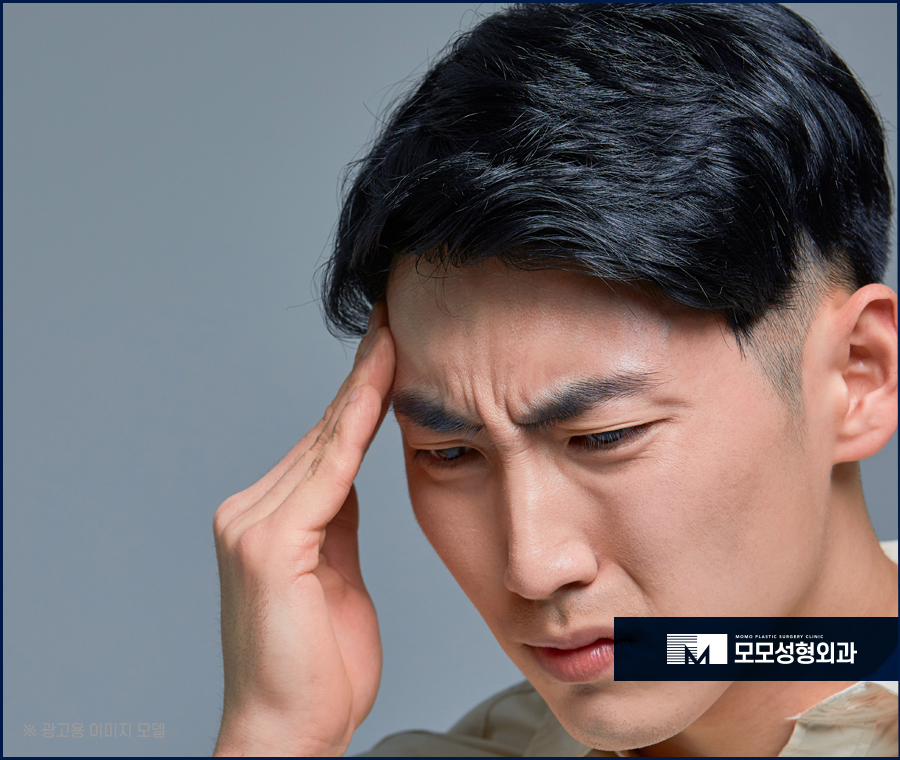
Among the oral minoxidil side effects described above,
hypertrichosis, that is, hair growth in unwanted
areas, is also known to occur with this type of
medication. In some cases, when applying the topical
form, the scalp may become itchy and dry, leading to
dandruff, and inflammation may also occur, although
of course this may happen for some individuals and
not for others. There is also a small chance of low
blood pressure, which can cause dizziness or
headaches due to feeling unwell. This medication
contains an ingredient called propylene glycol, which
can cause skin problems, and if the formulation runs
down, it may create bumps on the forehead, so it is a
good idea to check this in advance and keep it in
mind.
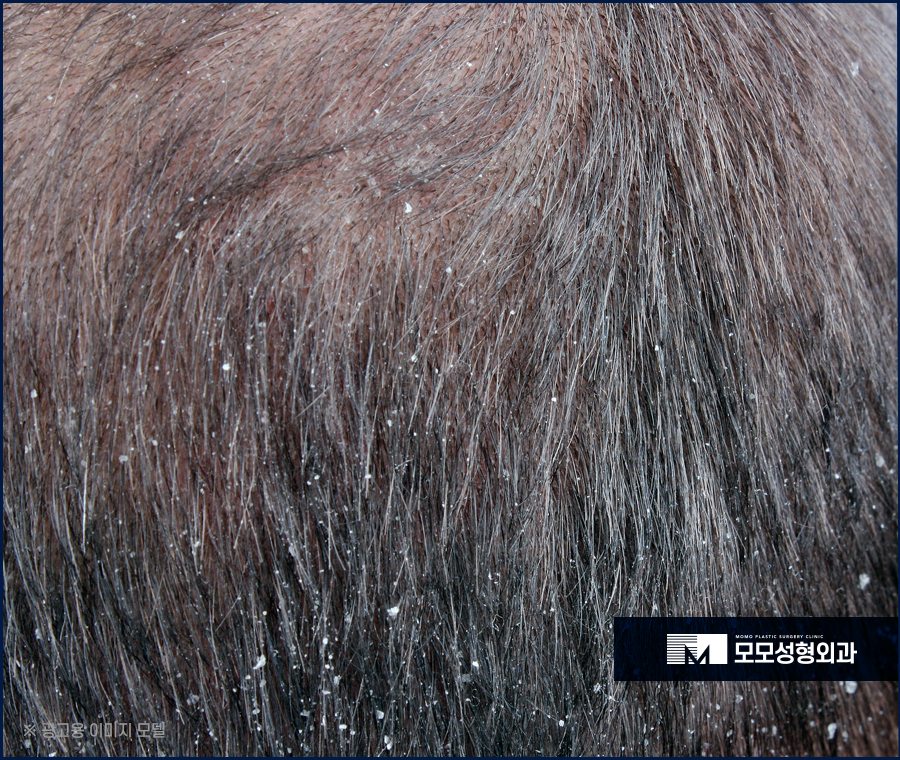
The symptoms listed above are various minor and major
minoxidil side effects that may occasionally be
experienced, but they are not something everyone
will go through. Therefore, if you carefully
understand the instructions for use and follow them
properly, you will be closer to achieving satisfying
results.

The proper way to use it to minimize minoxidil side
effects can vary depending on the medication, so be
sure to check the instructions. When using a topical
formulation, it should be applied while the hair is
completely dry, and gently rubbing it in as if
massaging can help promote blood circulation. That
said, touching it too much is not recommended, and it
is also advised to leave it on only for the
specified amount of time.
If healthy natural hair keeps falling out and being
lost, that alone is enough to cause physical and
mental stress. Taking or applying the medication may
be helpful, but if you do not follow the correct use
instructions or precautions, the condition may become
even worse than before, and you could face an
irreversible situation. So it is also important to
keep in mind that visiting a related medical
facility for detailed consultation and diagnosis can
be of greater help when dealing with the problem.