Breaking Free from Worries About a Large Forehead in Women
Just as each person has different features, personality, preferences, and values they pursue, the overall condition of the scalp and hair also varies. Lately, due to a variety of causes, many people of all ages, including both men and women, are experiencing conditions in which natural hair falls out and is lost, and they are becoming interested in ways to improve these symptoms. In particular, many people are under severe stress because of this phenomenon, and there are cases where they do not know what steps to take.
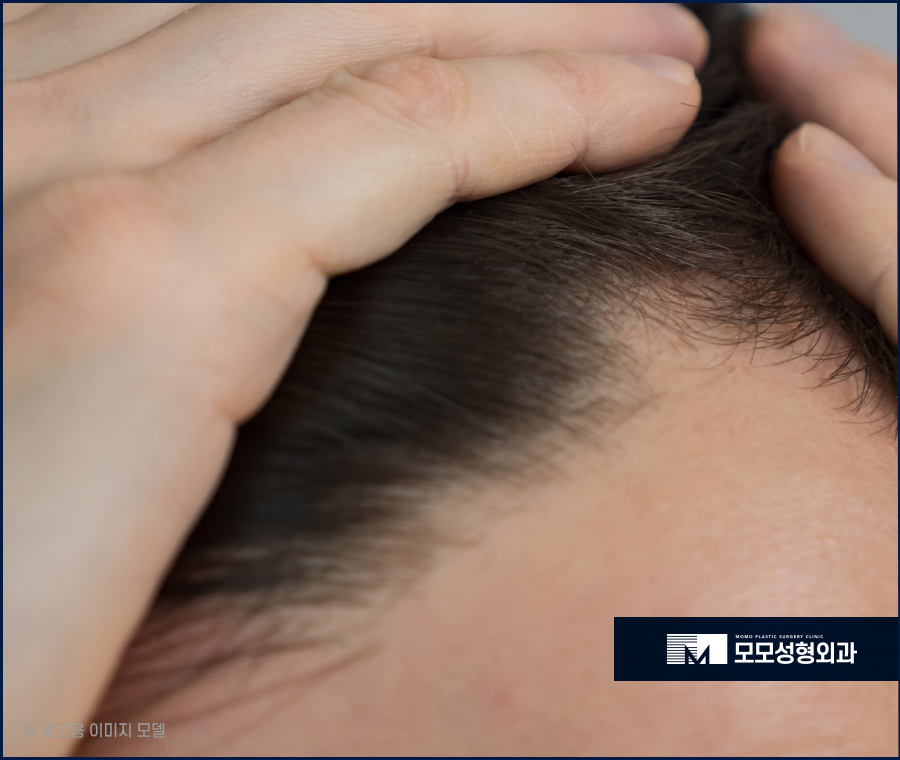
Although a great deal of information related to this condition can be found online or through social media, if you want to understand your current state accurately, you need to visit a relevant medical institution and receive a detailed diagnosis. Some people make judgments on their own without verification and spend time and effort managing it in their own way, but in reality, using products that are easy for anyone to obtain or relying on folk remedies is unlikely to produce the desired results, and such methods have limitations when it comes to improving the root cause.

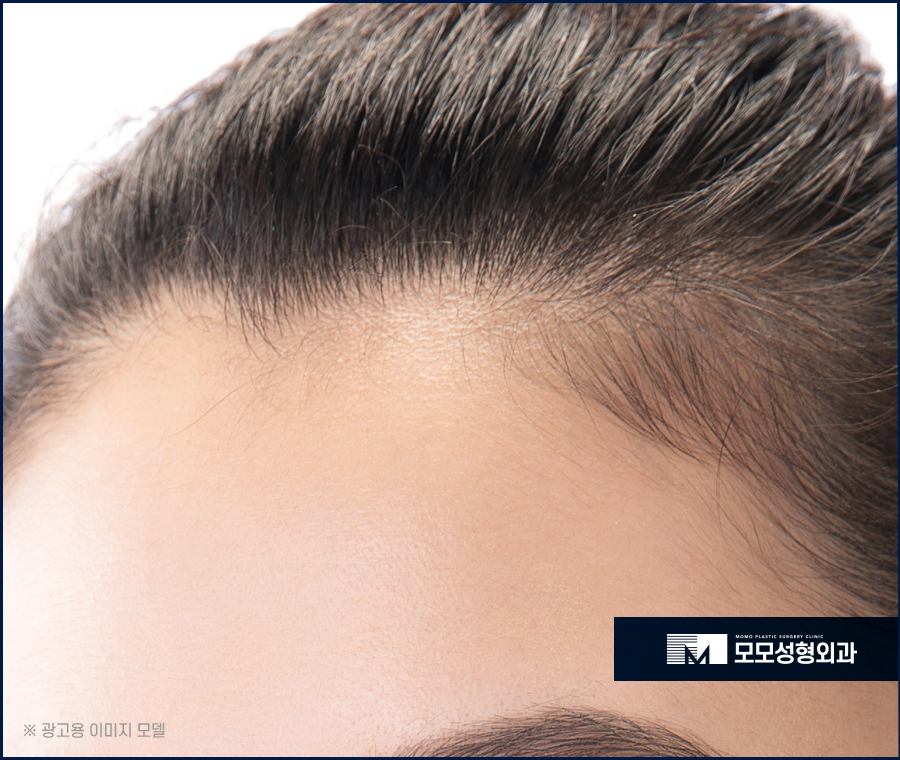
That is why people visit hospitals and clinics in search of a solution to correct a large forehead in women or an uneven hairline. The hairline connected to the forehead plays a role in shaping the proportions of the face and the overall facial features, and especially for women, the image can change greatly depending on how the hairstyle is done, just as much as with skin makeup. Since there is a tendency to prefer a younger-looking appearance, people try various methods to create a smaller face shape and healthy, abundant hair.
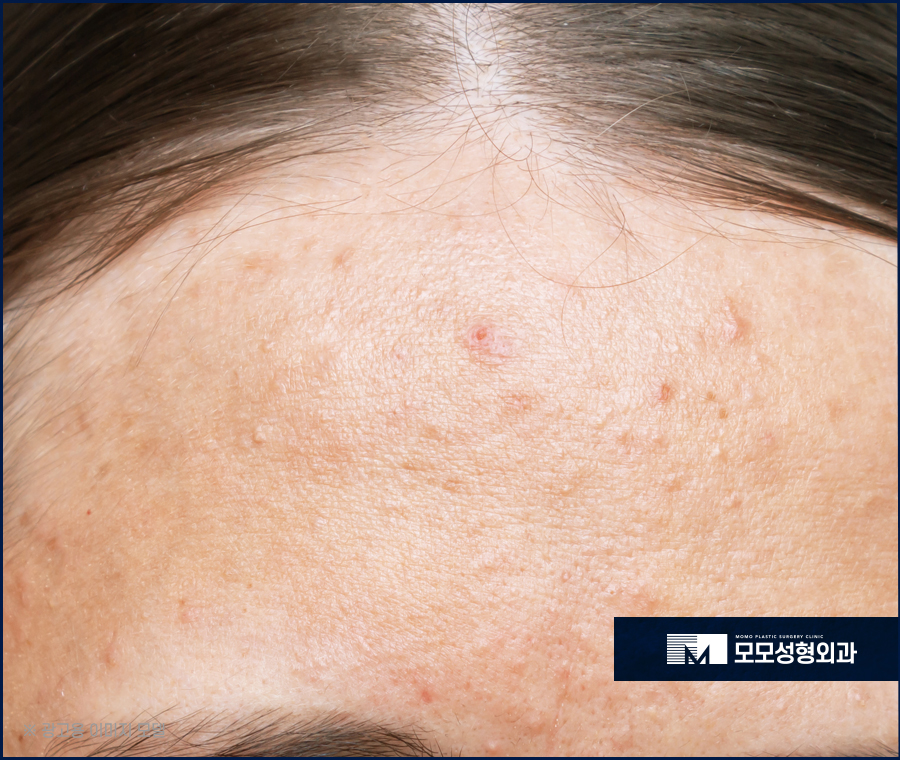
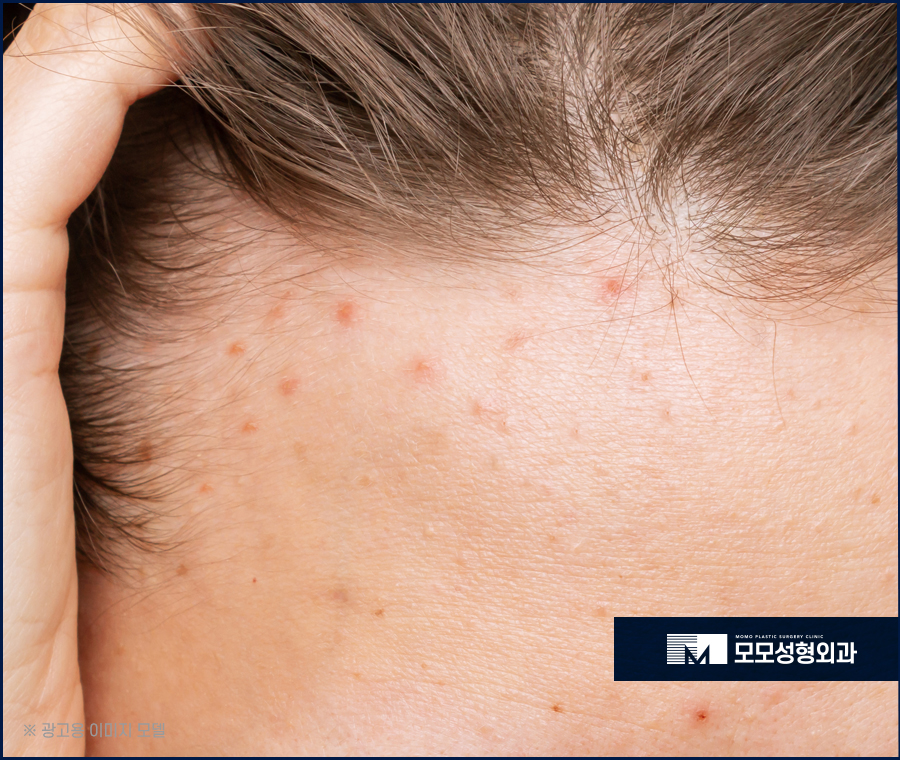
However, if the person’s natural hairline is uneven and they also have a large forehead with sparse hair, it can create an aging impression and leave a negative image. Because having the right proportions in appearance and features that blend naturally can create a harmonious impression, many people end up looking for ways to improve these concerns. Hair transplantation, often mentioned as a representative treatment for addressing such issues, can produce satisfying results in covering areas where natural hair has fallen out due to hair loss, regardless of age or gender. Since it is difficult for hair follicles to regenerate again, relatively healthy follicles are directly harvested from the back of the head and implanted into the problematic area.
For that reason, it is receiving a lot of attention, especially because it is a procedure that can restore the hairline for someone with a large forehead in women to how it looked before the condition developed. Depending on whether an incision is made or not, the procedure is divided into two methods. The non-incision method, which is more preferred these days, literally does not involve cutting, so there is no need to worry about deep scars or wounds later on, and because it leaves no visible signs, it is known to have the advantage of allowing a quick return to daily life without requiring a separate recovery period.
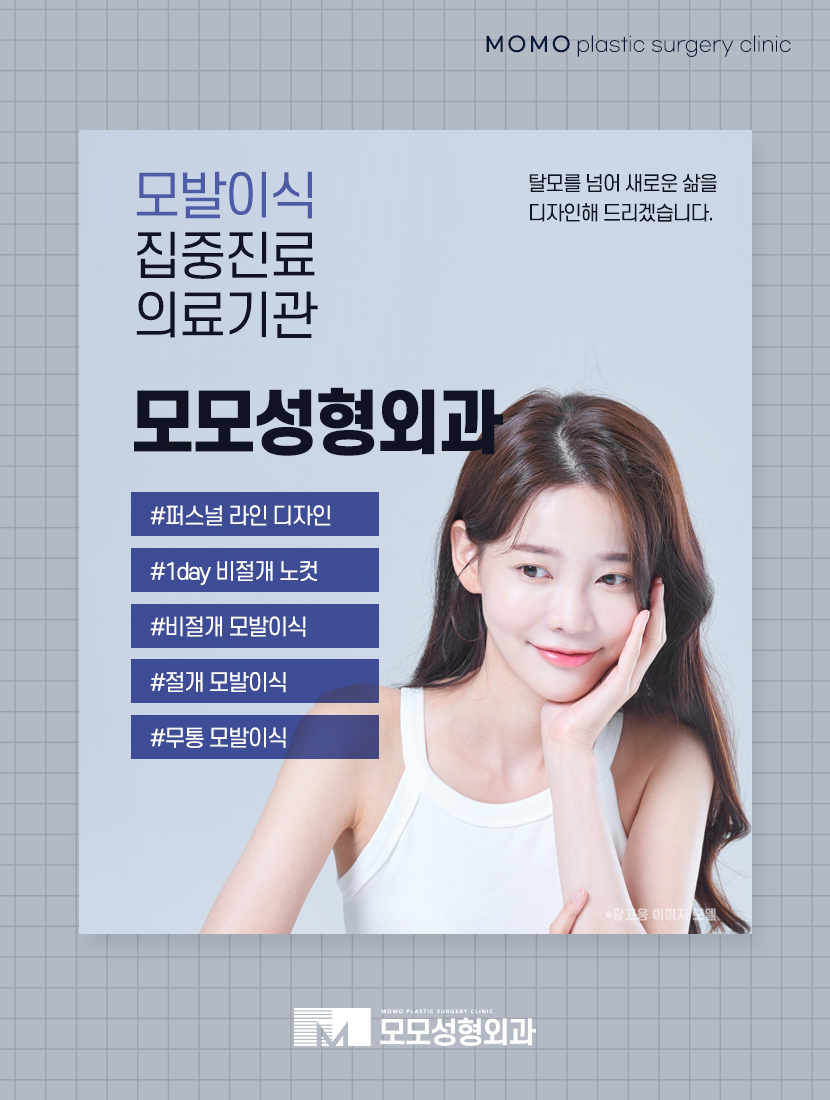
However, because the cost of transplantation is not affordable for ordinary people, if they choose to simply cover it up with relatively inexpensive options such as tattoos, hair fibers, wigs, or hats, the result may not be a natural style but something unnatural and awkward, moving in an entirely undesired direction.
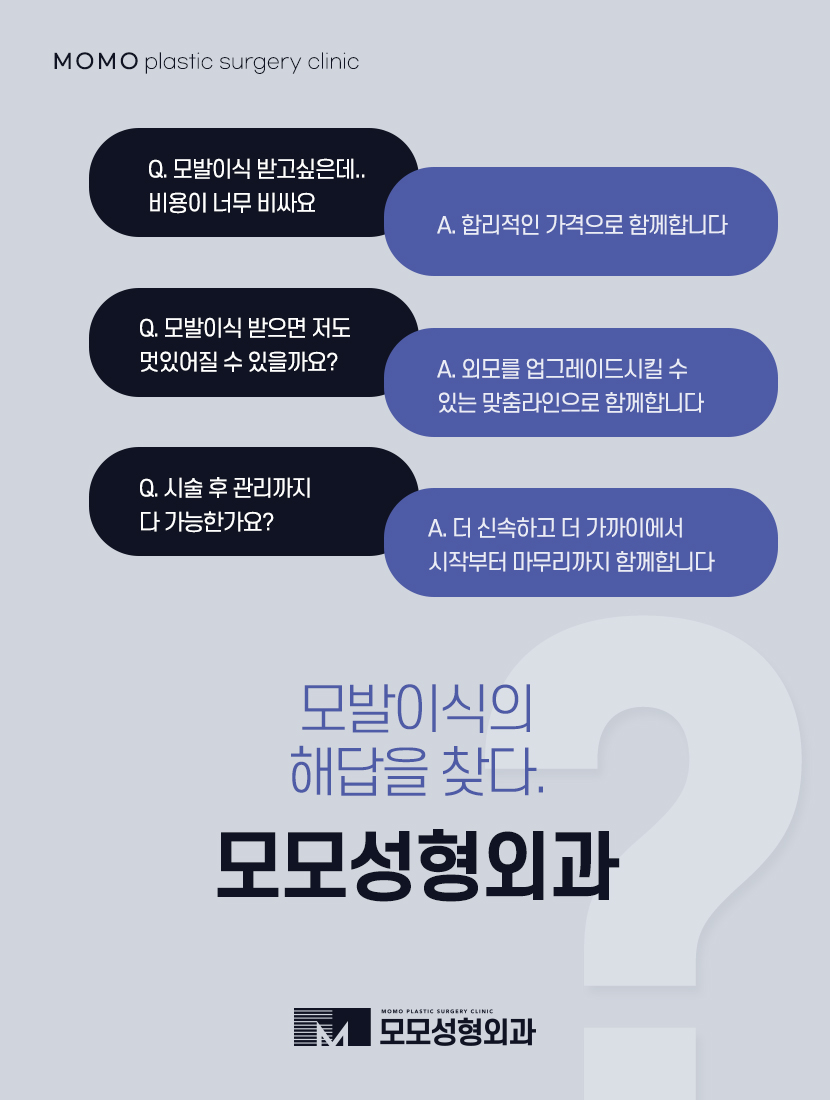
For example, in the case of tattoos, the drawback is that pigment is artificially injected, so the risk of side effects such as discoloration or smudging after the procedure is high, and because it is not real natural hair, it is difficult to show delicate changes like one’s own original hair. If you are struggling with a complex about your external appearance, transplantation is the most suitable option and can be said to be a method that increases the likelihood of satisfying results.
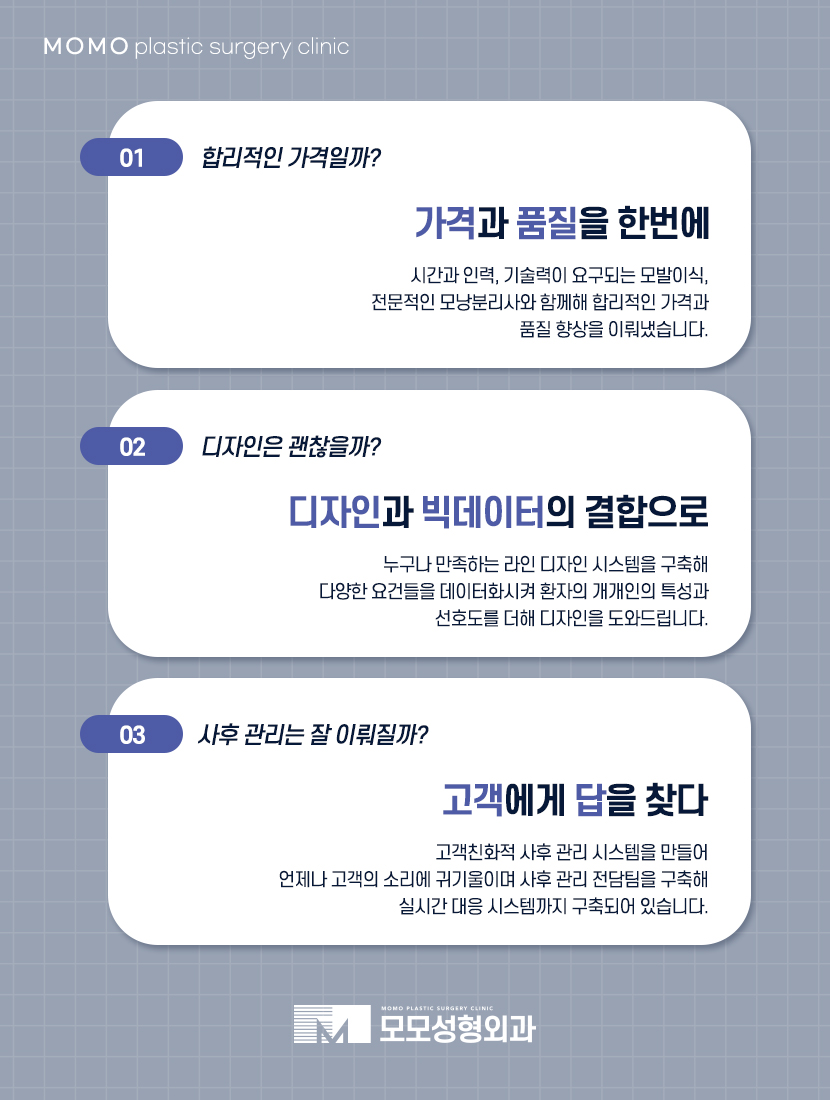
The procedure chosen to alleviate a large forehead in women falls under surgical methods, so it is by no means inexpensive. The cost can vary widely depending on the amount of hair to be implanted and which treatment method is selected. In addition, it takes about a year to confirm the results, from whether the transplanted follicles successfully take root and grow well after the procedure, so before proceeding with the transplant, it is important to check the precautions in advance, think carefully, and make the right choice.
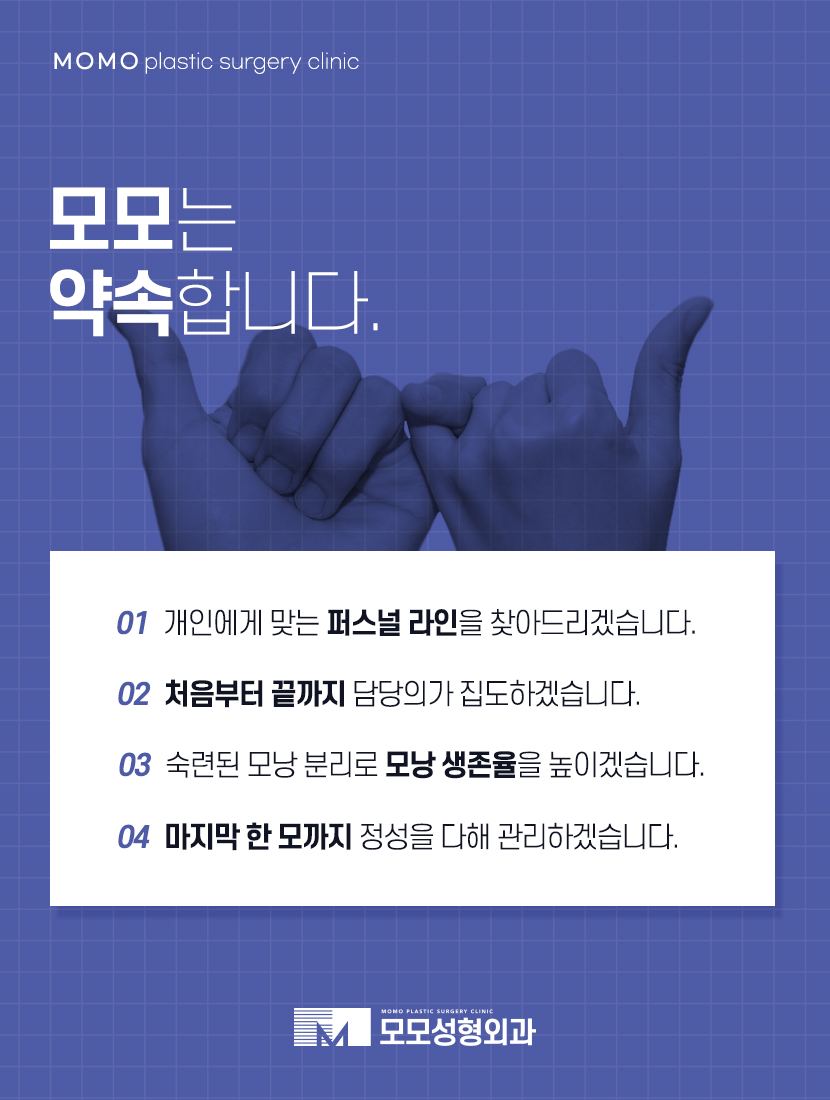
I would also like to emphasize that since the issue is a large forehead in women, the aesthetic elements must be judged in detail. As this is the area connecting the forehead and the hair, it should be designed with consideration for the overall face shape in multiple dimensions, and it should also be carefully planned by looking closely at the temples and the side areas of the sideburns. In addition, it is important to sufficiently reflect the characteristics of each person’s natural hair—such as the direction, thickness, density, and fine hairs—and establish a systematic process so that the procedure can be carried out with precision according to each area.
This kind of procedure is a manual process carried out by skilled hands, so what matters most is whether the surgeon has abundant clinical experience and the special expertise that comes from it. In addition, when you are worried about this condition, if you leave the symptoms unattended without interest, even the relatively mild symptoms can worsen, the affected area can become larger, and it may require considerable time and cost for treatment. Therefore, as soon as symptoms are found, it is most important to visit a relevant medical institution, receive a detailed and accurate diagnosis of the current condition, select an appropriate treatment method, and make the right choice so that you can return to your natural, confident, full, and beautiful appearance.