No matter how much modern medical
technology continues to advance,
there is nothing that can be done about the
unstoppable passage of time, so preventing the
natural aging that comes with growing older is
a difficult task.
And as time passes, people experience various
signs of aging, and the scalp and hair are no
exception.
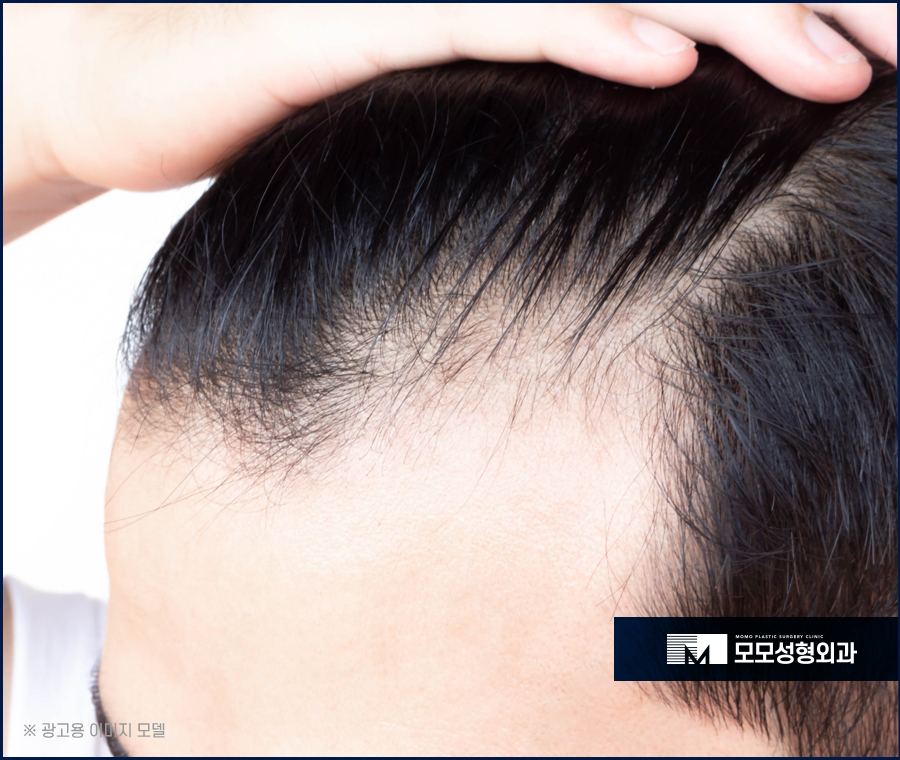
In the past, there was a time when hair loss was
thought to be a symptom that appeared as people
got older, but in recent years, as modern society
has become more advanced, it has been caused by
various factors, and the number of people in their
20s and 30s who experience this condition is
gradually increasing. It is said that the number of
people visiting related clinics and hospitals for
hairline correction surgery is also growing. When the
area where natural hair should exist becomes sparse,
it can have a negative effect not only on how one
looks, but also on the atmosphere one gives off.
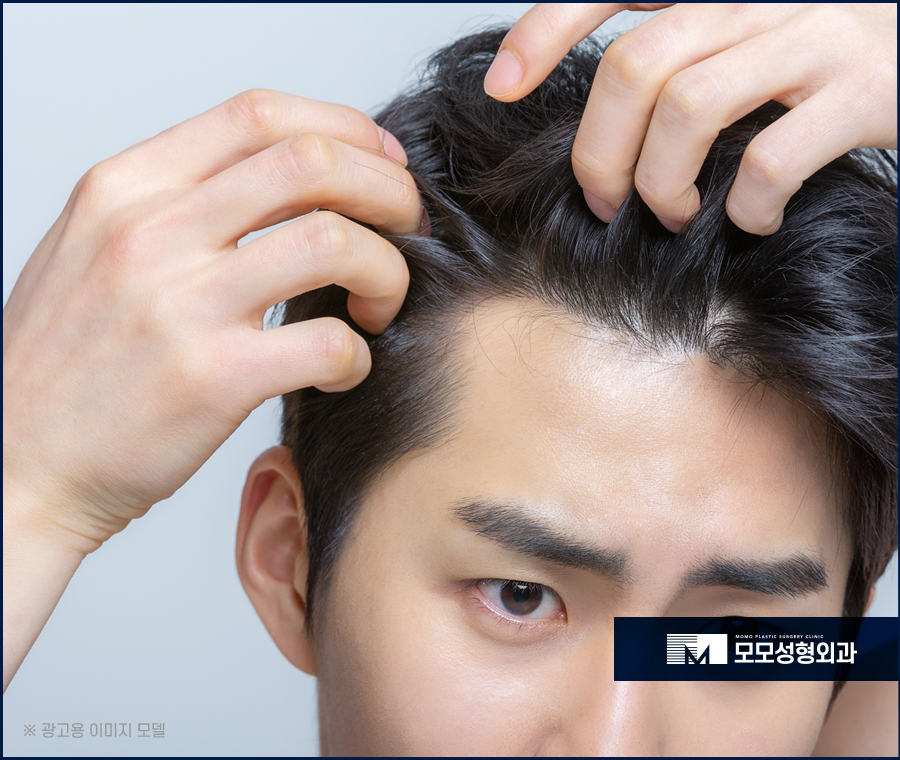
This is because the first impression made when
meeting someone can serve as an important factor
that influences how likable that person seems. Everyone
wants to be seen in a positive light, but if hair loss
causes them to appear with a negative look that is
the opposite of what they hoped for, they have no
choice but to experience severe physical and mental
stress as a result.
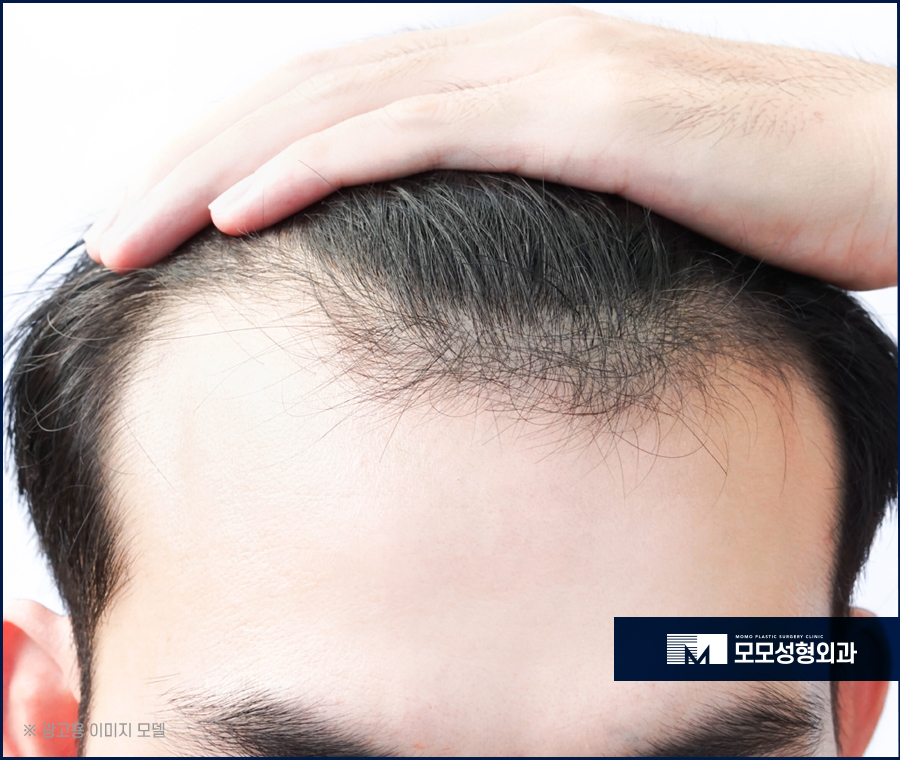
In an effort to ease it even a little, people look at
various methods through broadcasts, the internet, or
SNS, and try using products that contain functional
ningredients, as well as medication in the form of
something to take or apply. They also try to improve
by correcting habits that had not been regular before,
spending a great deal of time and effort trying to make
changes. However, they come to realize that these
efforts are not very helpful in reaching the root cause,
and it seems that the age group of people visiting
related clinics and hospitals to consider and proceed
with hairline correction surgery is also getting younger
than before.
Usually, because the area of the hairline becomes
wider, uneven, bumpy, and irregular in shape, trying
hairline correction surgery can greatly help make it
small and refined again, as it was before. Since it is a
procedure that also helps improve appearance-related
concerns, it is preferred by many people. This procedure
is carried out regardless of age or gender. For men, it is
performed with the purpose of neatly filling in sparse
areas of the hairline, but for women in particular,
aesthetic factors are said to play a relatively larger role
than for men. This is because there are many cases in
which delicate points are added so that, while filling in
deficient areas, fine baby hairs can also be created
through thin natural hair.

For that reason, women’s hairline correction surgery
often seems to be evaluated more by overall design
satisfaction than by the amount transplanted. In addition,
since the shape and proportions of the face, as well as the
overall facial features, differ from person to person, and
the direction in which the hairline and natural hair grow
and flow downward, as well as thickness and density,
also vary, it is important to remember that before the
procedure, a personal design must be properly and
carefully planned according to each individual’s needs
and various characteristics before proceeding. This is an
important matter that must be followed regardless of
gender. If the design is built without considering only the
amount of transplantation and the procedure is performed
without restraint, the result may become unnatural and
awkward, leading to the unfortunate situation of needing
an unexpected revision surgery.
Hairline correction surgery is typically divided into two
methods: incision and non-incision. In the past, the
procedure was mostly performed using the incision
method, but recently, thanks to advances in medical
technology, the non-incision method is mainly used. In
the case of incision, the scalp area is directly excised,
which can cause considerable pain, and there is a chance
that scars or wounds may remain. By contrast, the
non-incision method involves a skilled specialist
individually selecting healthy follicles from the patient’s
existing hair and implanting them into the designed
hairline using an implanter or slit.
Of course, because the process is carried out one graft at
a time, it takes a little longer, but it is a preferred method
for hairline correction surgery because it can complete a
precise hairline.
Also, since it does not involve excision, the chance of
scars or wounds remaining is extremely low, so it can be
an advantage when there is not enough time to allow for
a recovery period. As a result, one can expect a quicker
return to daily life after this procedure. In addition, there
are several important matters that should be checked in
advance before proceeding with hairline correction
surgery. The most important factor in this procedure is the
survival rate of the hair follicles, which is the key
indicator that determines success.
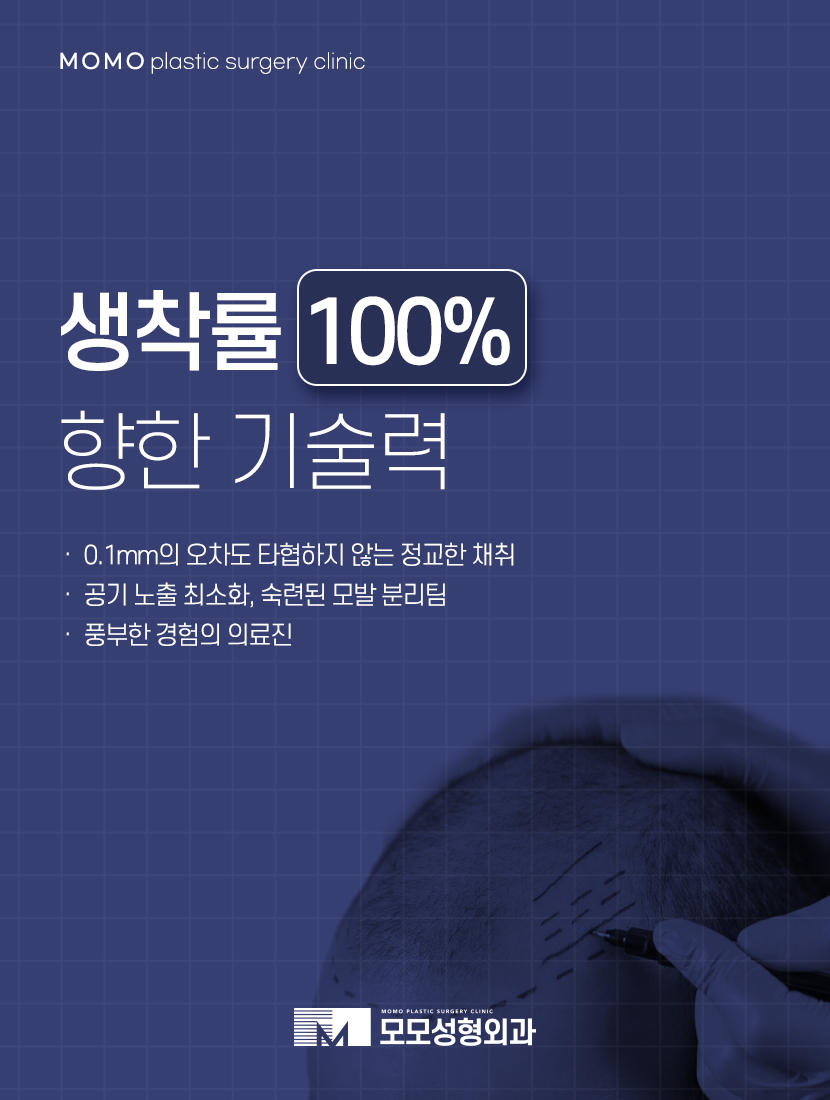
After implantation, once the initial shedding period has
passed, new terminal hairs gradually begin to grow after a
certain amount of time. At this point, these hairs are the
patient’s own natural hair that has been fully retained. To
increase the survival rate, it is most important to receive
the procedure from a skilled specialist with an extremely
rich amount of clinical experience over many years and
excellent ability, and to confirm whether the doctor in
charge personally handles everything from consultation to
surgery. In general, the survival period is planned as about
one year, so it is also necessary to check whether
thorough post-procedure care is provided through careful,
individualized dedicated care for each patient.
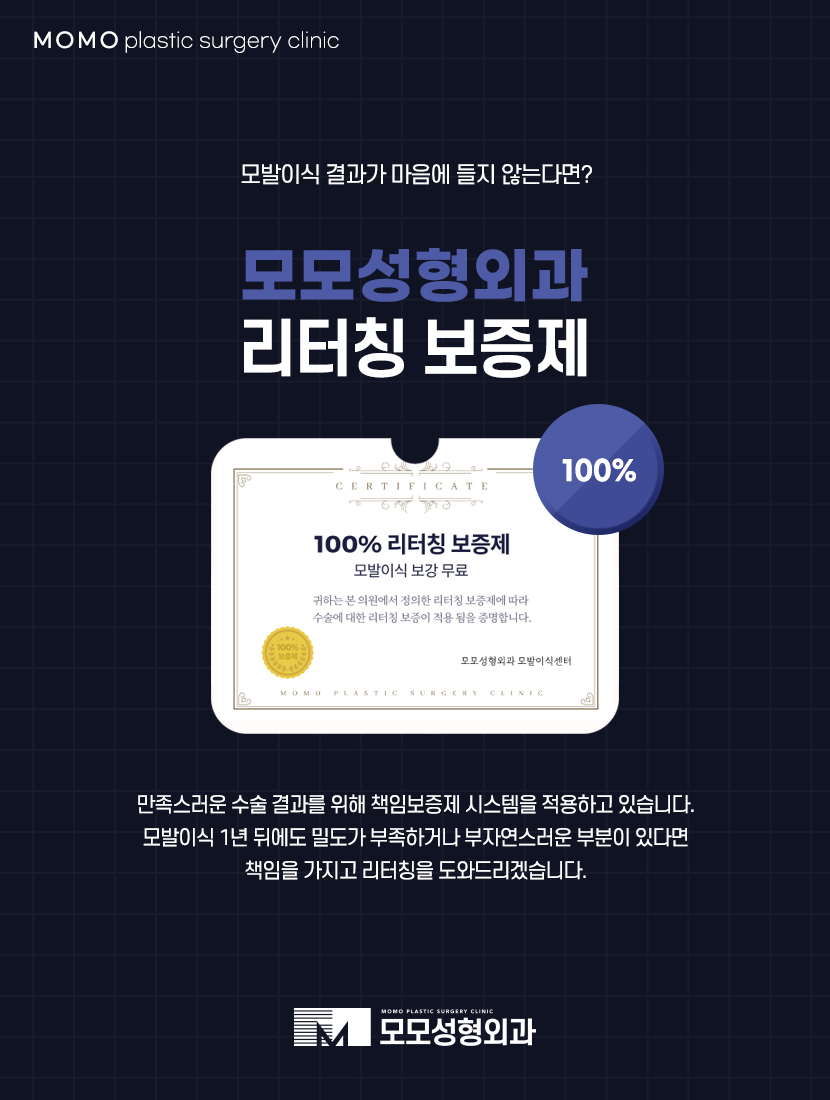
It is also important to understand and follow the
precautions provided by the clinic or hospital before and
after the procedure. If, after one year, the treated area has
a survival rate of 60% or less, or if a correction is needed
again, and satisfaction is low, it may also be very helpful
to check in advance whether a system called a
responsibility retouch warranty is applied.