A diagnosis tailored to the condition for 5,000 hair transplants
It is said that about 2 out of every 10 people in our country suffer from a condition in which natural hair falls out and is lost, so many people are struggling because of these symptoms.
In the past, most people did not experience this, but as time has passed and society has become more advanced, the number of people experiencing this condition has continued to increase. As a result, there are now many specialized clinics related to it. Compared with before, it can arise from various causes such as air and environmental pollution, including fine dust and yellow dust, genetic factors, psychological stress stemming from various reasons, and hormonal changes, so more people have been worrying about hair loss.
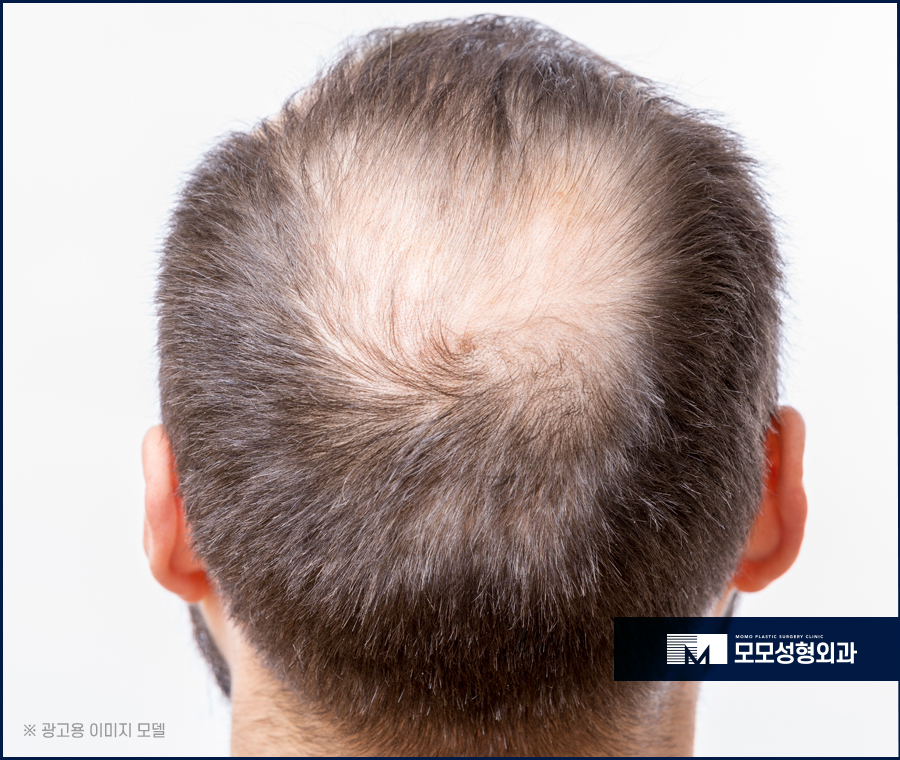
While some people think about their health and manage it consistently, there are also many cases where people pay no attention at all and end up worsening a condition that was at least somewhat manageable. If this kind of daily pattern continues, people will likely look for and try various ways to cover the areas where hair has fallen out and become visible. Among them, the method that can reasonably be expected to be the most effective is probably to collect follicles from the back of one’s head, where the hair is relatively healthy, and transplant and implant them into the problematic area.
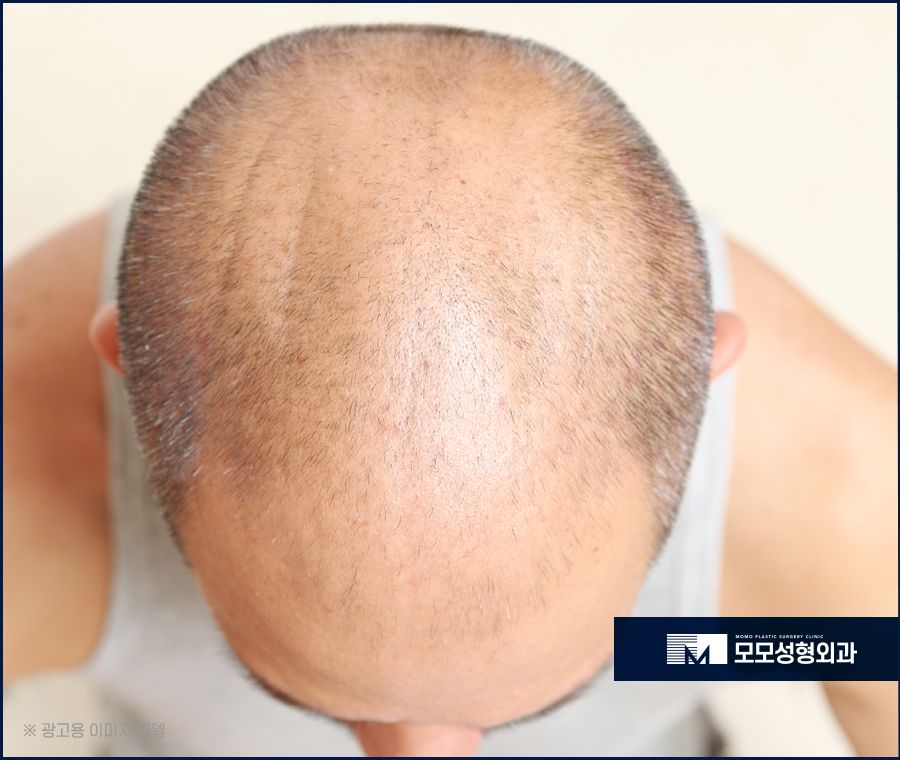
Depending on the size of the affected area, there may be situations where a large amount of grafting is needed, such as 5,000 hair transplants or more. You must also carefully consider which method to choose and proceed according to that decision. When one’s hair keeps falling out and thinning, a major change in appearance occurs, so the resulting stress inevitably increases, along with various inconveniences. If the symptoms become severe, people may even reject their changed appearance, confidence gradually drops, and it can become difficult to face others. This may develop into social avoidance or even psychological issues such as depression.
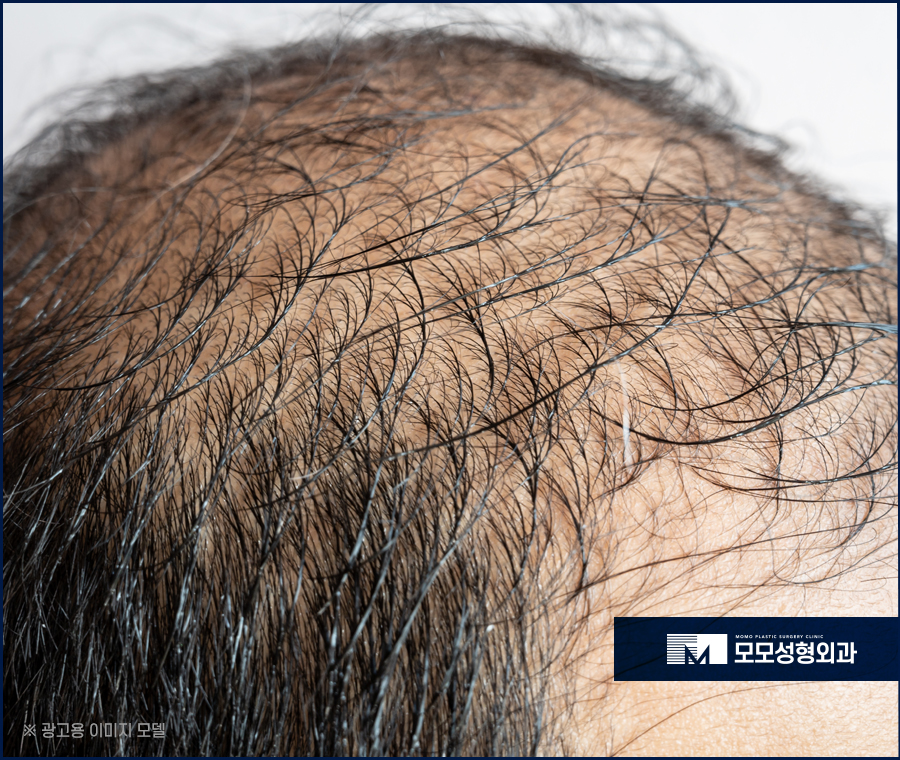
Such a very difficult situation can become even more painful, so countermeasures should be sought quickly to improve it. Hair loss, which used to be regarded as a condition exclusive to middle-aged and older adults, in recent years has no distinction of gender or age group, and is especially occurring among young adults who place great importance on appearance. For that reason, it seems that the number of people looking into 5,000-graft hair transplants to regain a full head of hair has actually increased a lot.

Usually, it appears as a mild symptom at first, so people make their own efforts such as changing the shampoo they normally use, taking or applying medications said to help growth, and so on. However, as time passes, it is often difficult to see improvement as expected, and more hair than anticipated falls out, leading to situations where the condition worsens further.

To avoid such misfortune, it can be wise to visit a related clinic as soon as possible, receive an accurate and detailed diagnosis of your current condition, and proceed with effective care. If the area and extent of hair loss are wide, this procedure may be recommended. Methods for carrying out 5,000 hair transplants are divided into incision and non-incision techniques.

The former method involves making a long linear incision in a relatively wide area of the scalp to quickly obtain follicles for implantation. However, it may damage other follicles, and because the grafts are collected from within a wound, scars can form, which can cause pain or discomfort. That is a disadvantage.
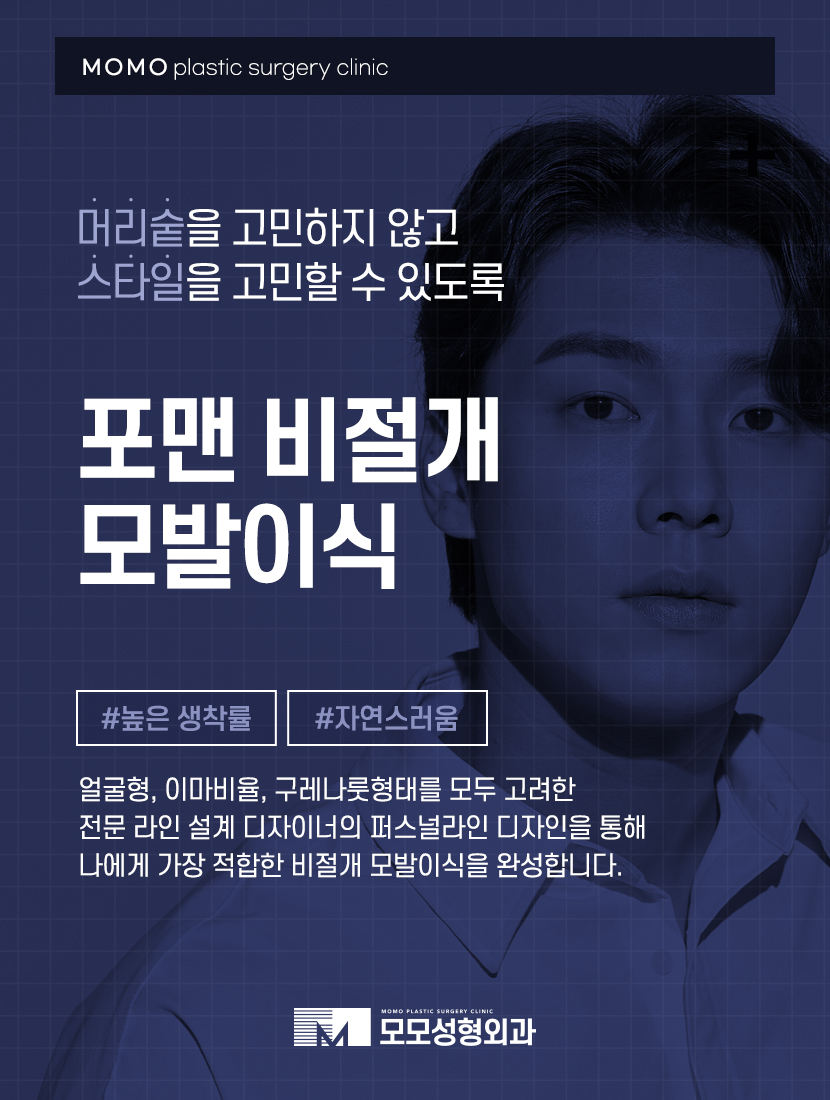
In the case of the non-incision method, follicles are collected by using a cylindrical punch to create holes with a diameter of around 1 mm. Since this allows selective harvesting, there is less damage that may be caused to other follicles, and accordingly less pain, which is why returning to daily life immediately after the procedure is considered an advantage. However, because it can be affected by follicle survival rates, harvest and implantation are performed at the same time to minimize exposure to the external environment, so the procedure takes a long time, which can be a drawback.
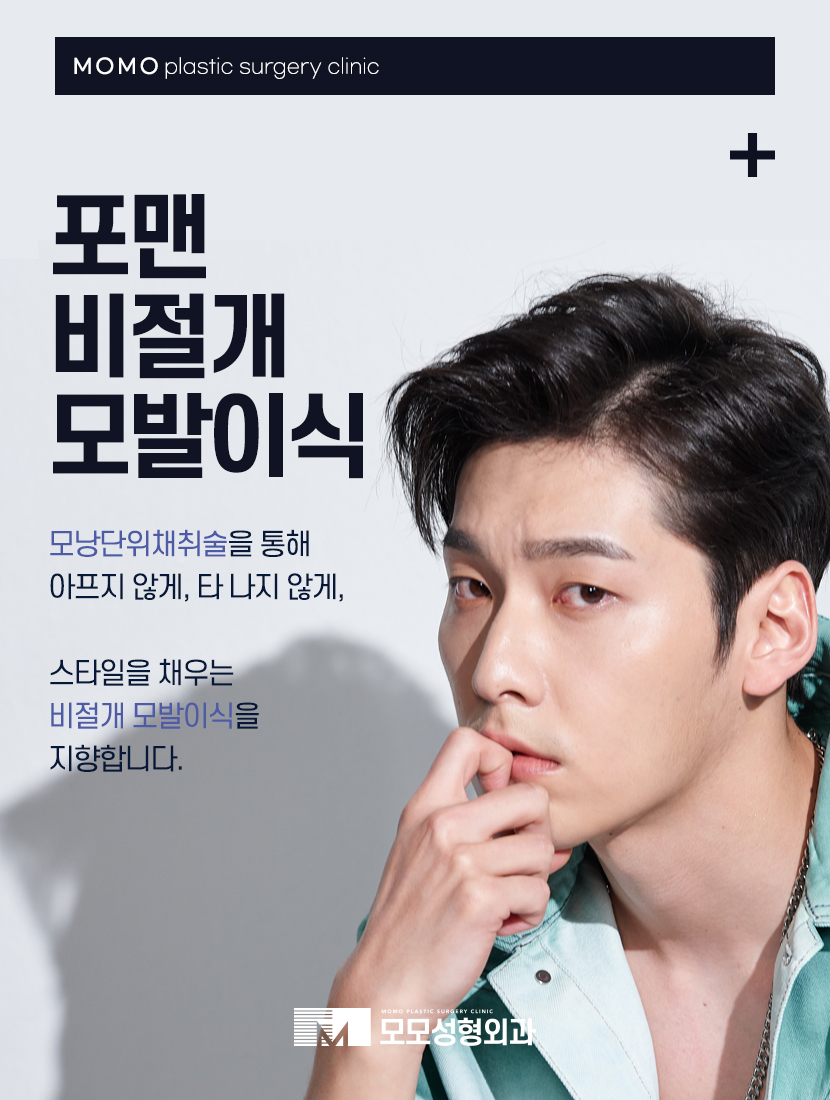
For the desired 5,000 hair transplants, these methods each have their own advantages, disadvantages, and differences, and there are limits to the number of procedures. Since this is a way to create healthy hair that must be kept for a lifetime, it would be best to accurately confirm the number of natural hairs that need to be implanted and then carefully discuss with the doctor which process would be more favorable.
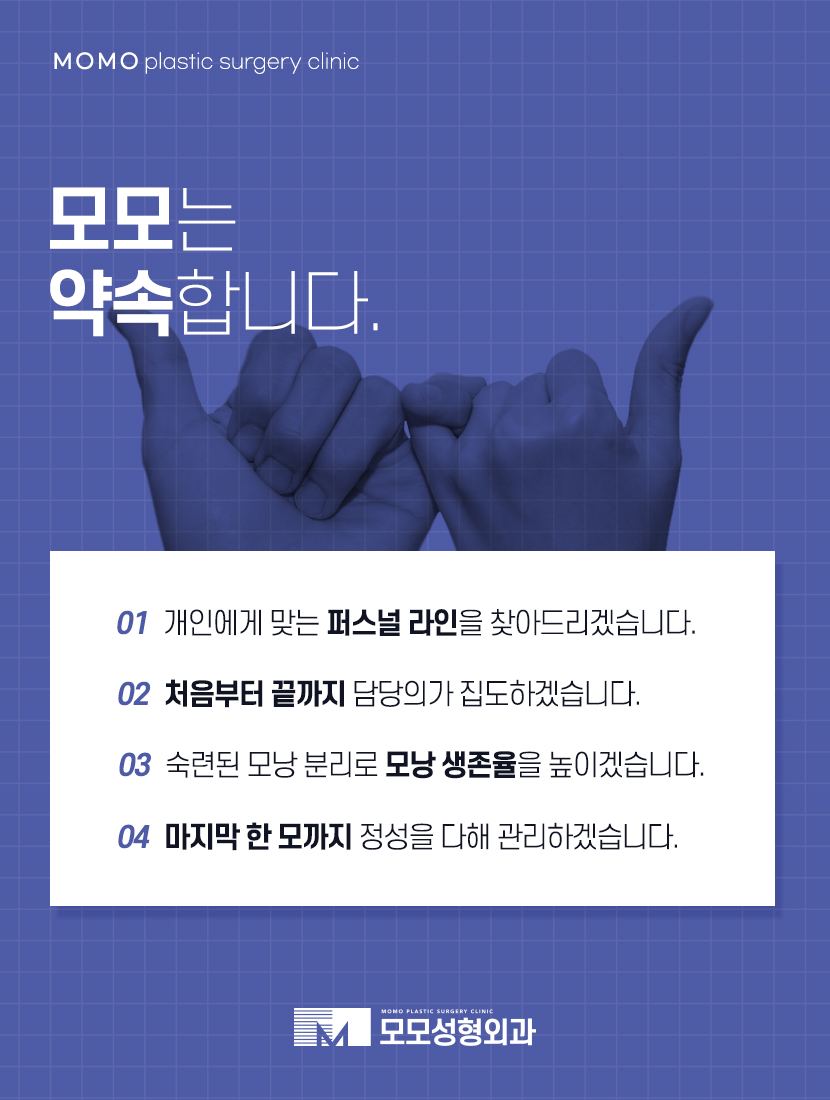
You will need to determine whether your own natural hair is healthy and whether the density and thickness are in good condition. In general, the procedure may be carried out using one method, but depending on the case, there are situations where both methods are combined.
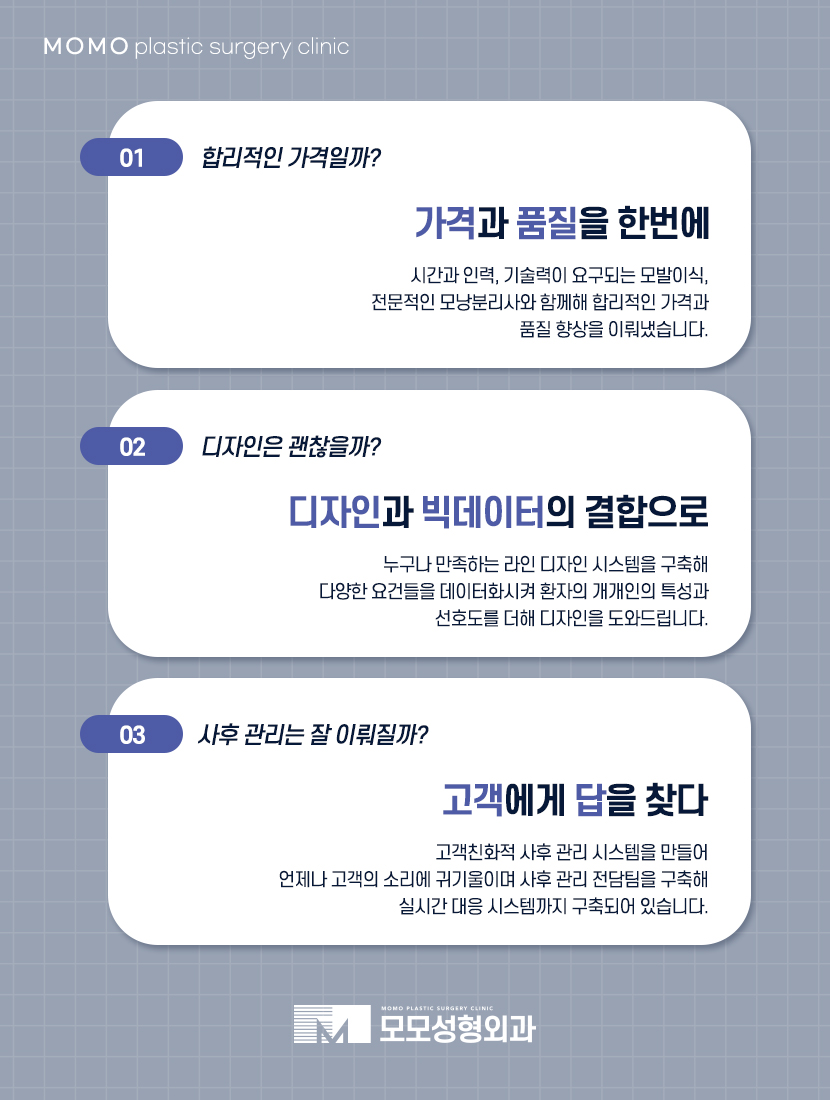
Since such variables occur frequently, the condition and characteristics that appear in each person must be judged very carefully. Also, if you do not follow a design planned by closely observing and analyzing the insufficient amount from multiple angles, and instead undergo an extremely dense procedure with 5,000 or more hair transplants, there is a very high possibility that the result will look artificial and unnatural. Therefore, it should be noted that properly selecting the clinic or institution where the procedure will be carried out is also an important point to understand.

By calculating the overall proportions of the forehead and nose, and carefully considering from many angles the direction in which natural hair emerges and grows, whether baby hairs are present, sideburns, and more, a personalized design should be used to establish a systematic process and carry it out step by step. To achieve a satisfying final result, and for the grafts to take properly and grow with normal function, a period for the grafts to settle is needed. Therefore, along with 5,000 hair transplants, you should also check whether one-on-one dedicated care is provided from consultation to customized aftercare.

Above all, the most important point is to make sure that the surgeon performing the procedure has many years of rich clinical experience and the technical skill derived from it, and is on-site at the related clinic.