If there were a way to hold on to passing time and the years,
there are moments when we would want to cling to them somehow.
As we go through such changes, our
bodies also show small and large natural changes.
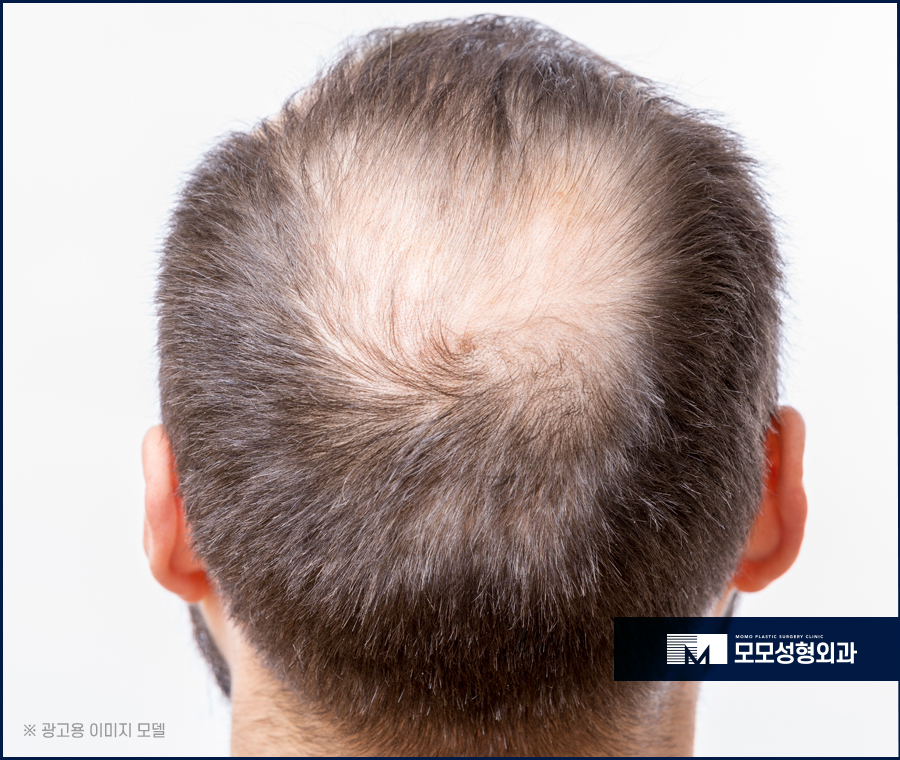
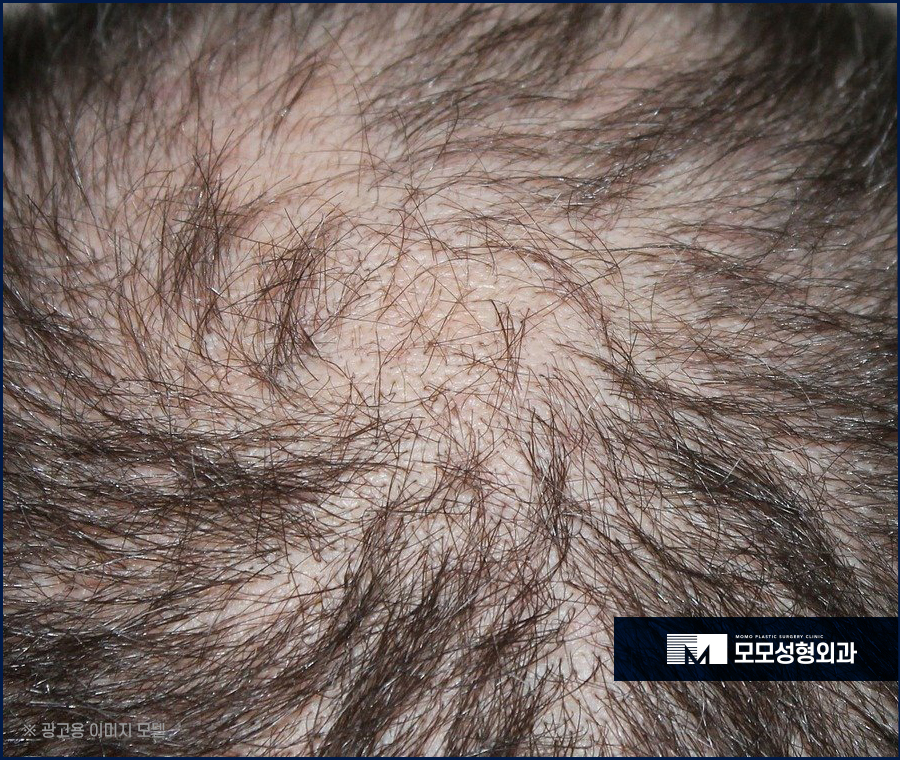
Among them, if hair that was once thick and abundant
starts to look patchy and sparse in places, and the amount
of hair continues to decrease, then for people experiencing
hair loss, even a single strand of hair can feel extremely valuable.
Even after searching for various methods that may help
and trying them all firsthand, if there is still no clear
change compared with the time and effort invested,
many people seem to suffer greatly from emotional distress
caused by loss of confidence and discouragement. Since
lost natural hair cannot be taken back, some give up hope
and feel there is no room for improvement, while others
cherish the healthy hair that remains and take even better
care of it.
To positively change the frustration and pain they have
felt and experienced, the procedure of transplanting and
implanting one’s own hair is drawing great attention from
hair loss patients.
This method has been performed for quite some time,
but it was also considered difficult and had the drawback
of taking a very long time.
In addition, even after treatment, the amount that actually
took root and grew properly was so small compared with the
effort involved that it did not attract much attention.
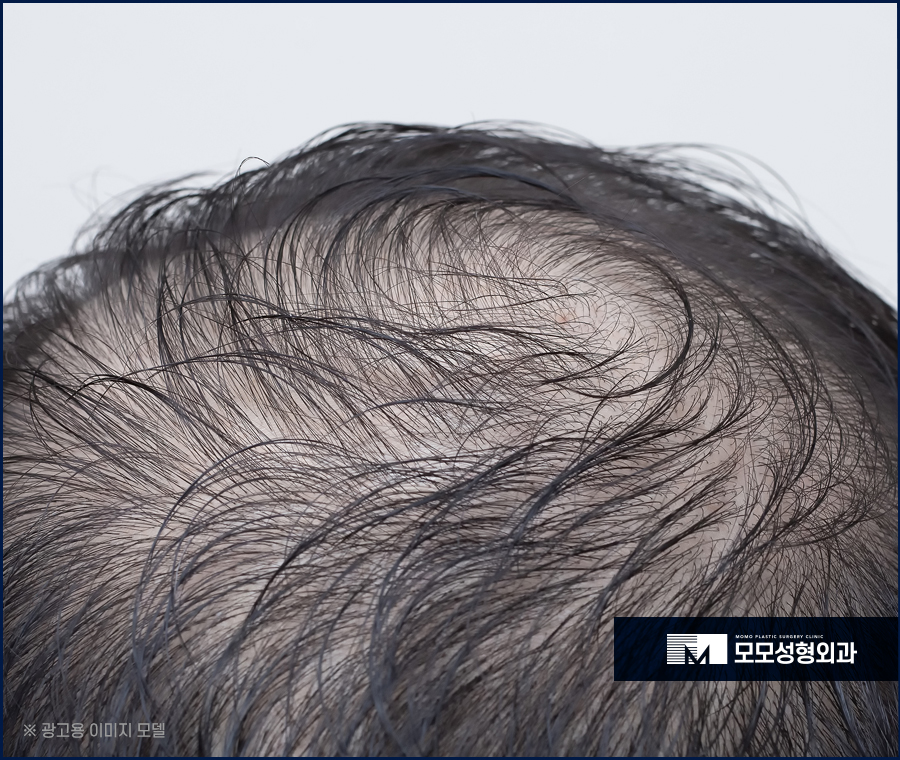
However, as the number of people struggling with hair
loss has increased year by year regardless of age or sex,
and as cases caused by various reasons have also grown,
related medicine has gradually advanced and the technology
built on it has continued to accumulate. As a result,
there are now many more related clinics, and a high rate
of graft survival can be achieved.
In the past, the incision method was the main approach,
as it minimized follicle exposure, helped prevent damage,
and increased graft survival. Recently, however, the non-
incisional method has also shown a similarly high
success rate for graft survival, making it possible to
choose and proceed with the method that is appropriate
for oneself.
In the case of the incision method, the drawback is that,
literally, the scalp must be cut, which can lead to more
wounds and scarring, as well as pain that is more
noticeable than the pain of non-incisional hair transplantation.
On the other hand, if the procedure does not involve
excision, it does not irritate the scalp and has the
advantage of relatively less pain and little to no
noticeable scarring.
The graft survival rate, which is also a concern for
those considering this option, has improved a great deal
thanks to the enhanced skill of the medical team and the
performance of the equipment used, and it seems to have
reached a level similar to this method.
As a result, satisfactory outcomes can be expected.
Perhaps for this reason, the non-excision method is
receiving more attention these days, but since it is still
a procedure that must be undergone, concerns about the
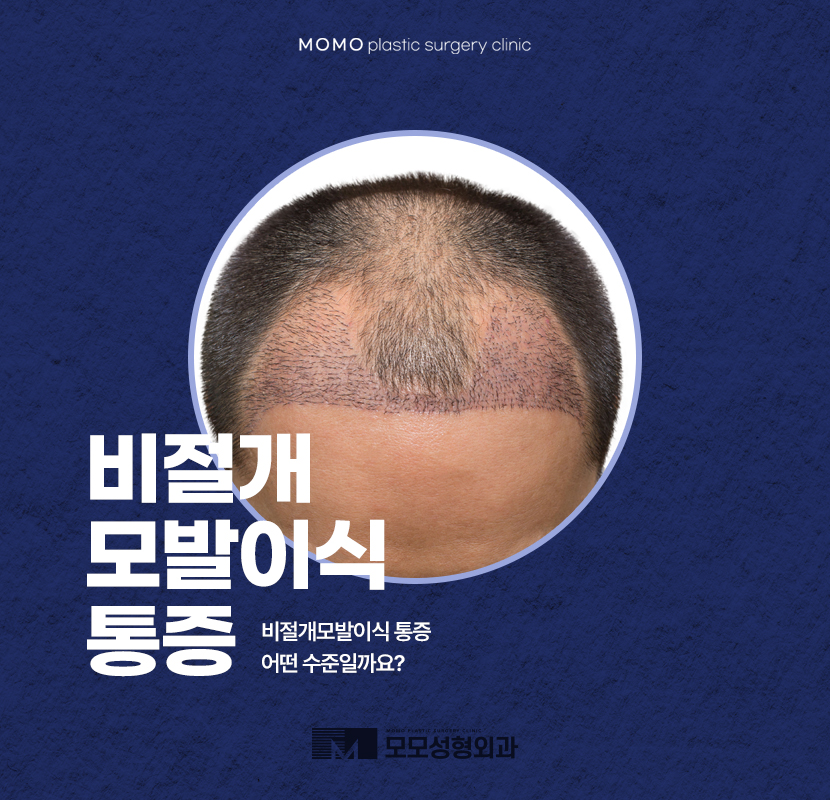
pain of non-incisional hair transplantation can certainly arise.

Sometimes people think there is no pain at all, but the
pain each person feels differs according to their own
level of sensitivity, and the level of pain also varies,
so it is not desirable to judge it uniformly.
To explain it in an easy-to-understand way, the first step
involves identifying the follicles using a device called a
punch on the scalp.
Although this is done after local anesthesia, once it
begins to wear off slowly, the occipital area that was
treated may be accompanied by tingling and throbbing
sensations, as if pricked by a needle.
Therefore, it is good to allow a certain amount of time
for recovery so that the pain of non-incisional hair
transplantation can sufficiently subside.
Even this varies completely from person to person, with
some saying they do not feel any pain at all and others
saying they do, so it is worth keeping in mind.
Even if the procedure is performed this way, the degree of
pain that occurs is not something absolute, in my opinion.
These days, more people tend to focus on the valuable time
required for the procedure rather than on this pain.
In contrast, since it may take longer for the sutured area
to heal, for those for whom a quick return to daily life
is important, recovery may be valued more than concerns
about the pain of non-incisional hair transplantation.
If no excision is performed, it generally requires more
time, but because you do not have to go through the
process of stitching the skin, it may help shorten the
time needed to return to everyday life.
And since it is a procedure that does not usually leave a
large scar on the back of the head, it is gaining more
attention as a method with less burden regarding the pain
of non-incisional hair transplantation for those who value
time.
It is important to carefully consider various conditions
and choose the appropriate method, but since you are
starting with the goal of a satisfactory result that you
yourself want and hope for, I think it may be worthwhile to
place importance on hair that is resilient and full.
Which method to choose can vary depending on the overall
condition of your scalp and natural hair, as well as your
individual characteristics, so it is advisable to have a
detailed and careful consultation with the doctor in charge
to think through which option is suitable for you and then
proceed accordingly.
And because concerns about the pain of non-incisional hair
transplantation and related issues can certainly arise, it
is very important to receive an accurate diagnosis from the
medical team and follow the appropriate method.
In addition, post-procedure aftercare is also a crucial
matter, so even after achieving the desired result, you
must continue to maintain it and provide careful care in
order to consistently keep healthy and strong hair.