People who want to have a beautiful and radiant appearance
would all likely feel the same way if they are women.
A refined image can make others feel positively toward you,
and this can create various advantages in daily life,
so it also has a positive social effect.
These days, an excellent appearance is often regarded as a credential,
so people pay even more attention to maintaining a good impression.
Therefore, many people make efforts to supplement weaker areas
and create a more polished appearance by adjusting facial features,
correcting the face line, and even taking care of skin condition
without missing anything.
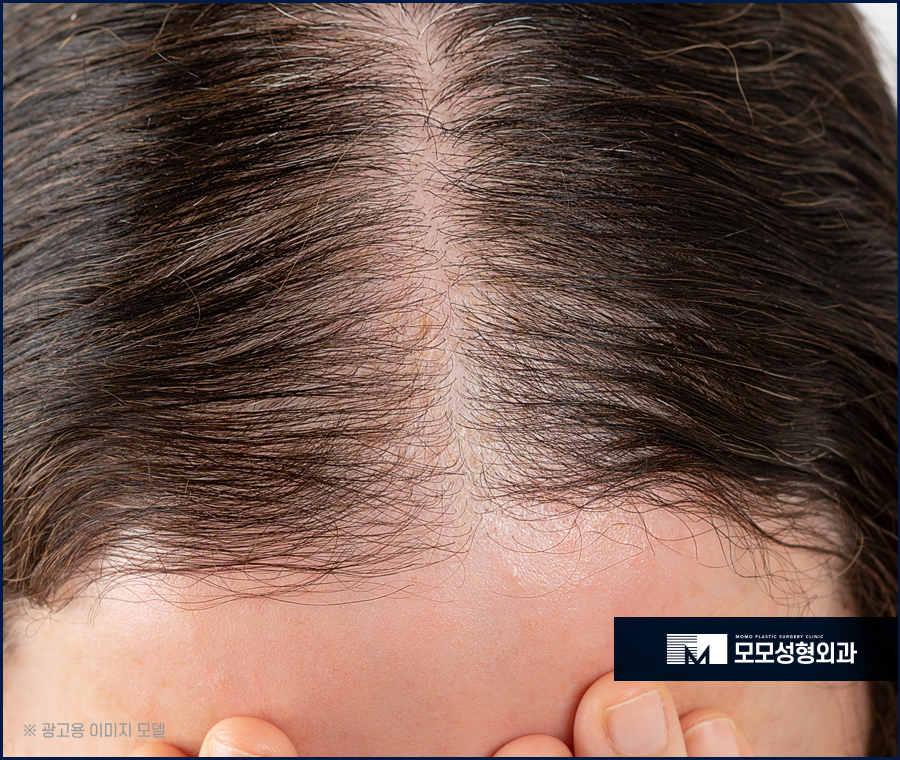
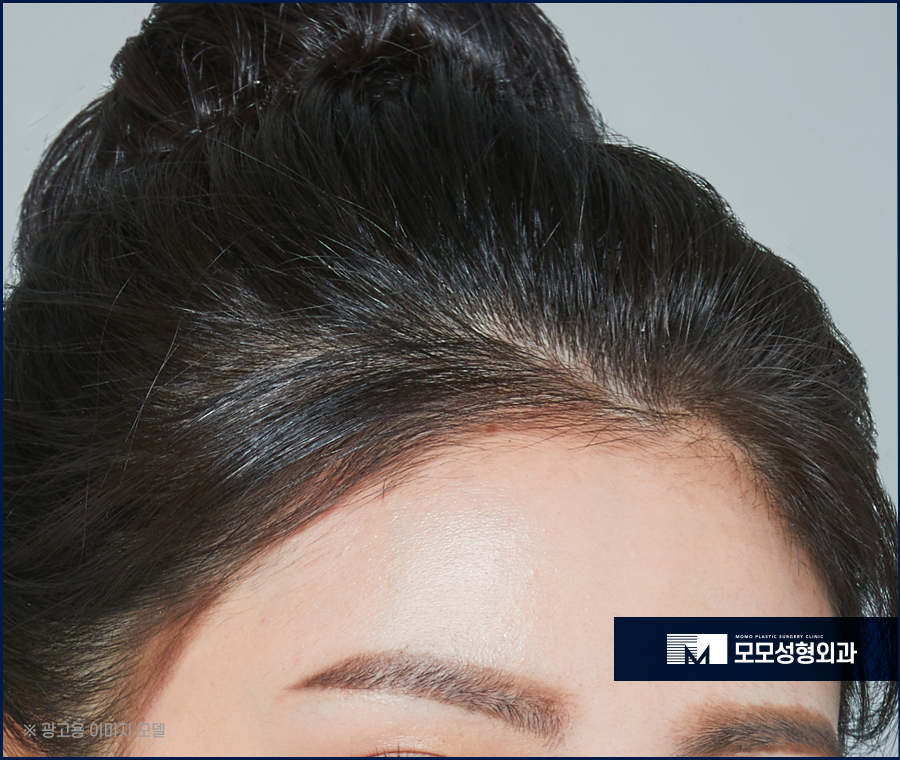
To create such a perfect image, the forehead line must be neatly organized,
so if the line looks irregular and untidy,
it may be worth improving it.
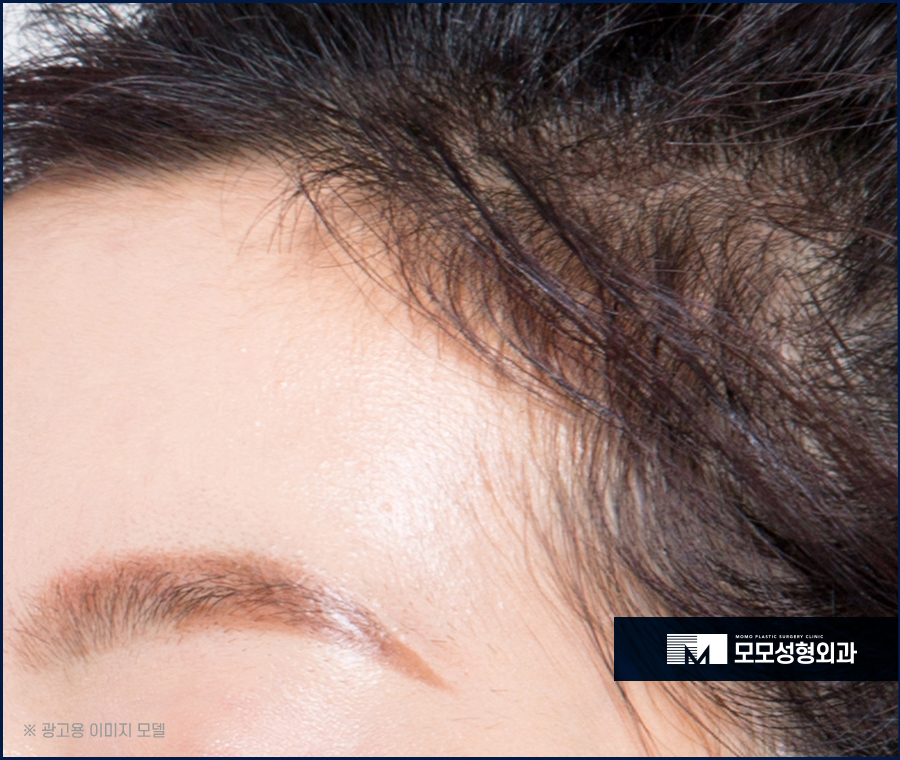
If left uncorrected, it can make the face area look larger
when styling hair by pulling the bangs up,
which can move you away from a beautiful appearance.
Therefore, various methods can be considered to fill it in,
and among them, if you want to see the most natural results,
female hairline hair transplantation may be the best option.
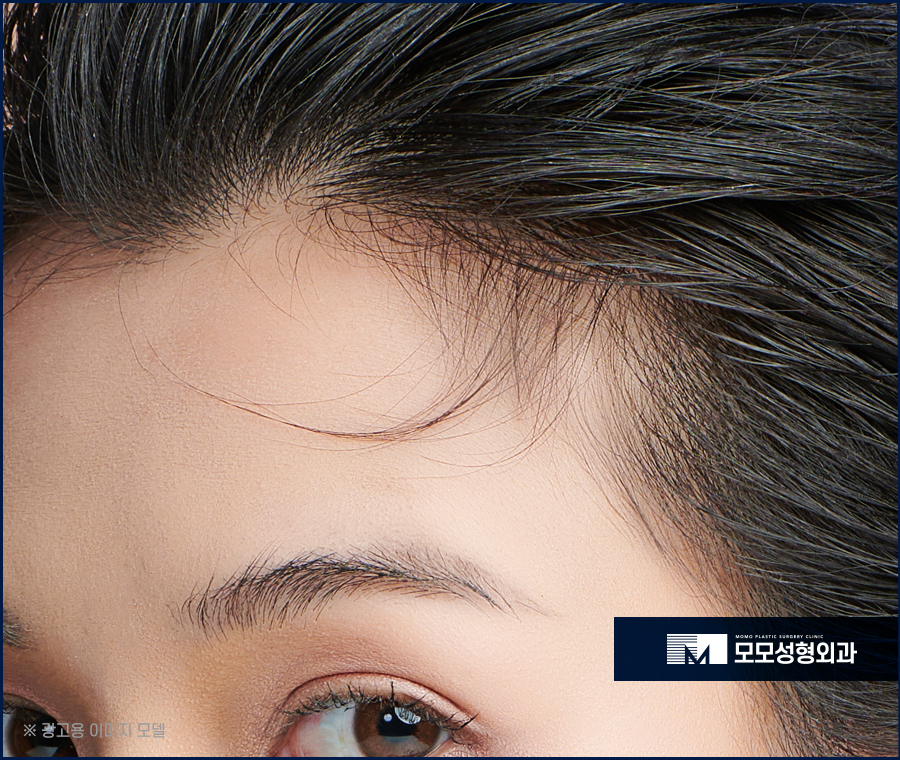
It is usually a procedure performed for therapeutic purposes,
but since aesthetics are so important in today’s era,
many people who dream of enhancing their appearance through female hairline hair transplantation
are also placing a high value on it.
Women tend to have many different desires related to appearance,
so they try out various hairstyles for grooming,
but if the forehead line is not neat,
eventually they are forced to wear bangs,
which limits their ability to express their individuality.
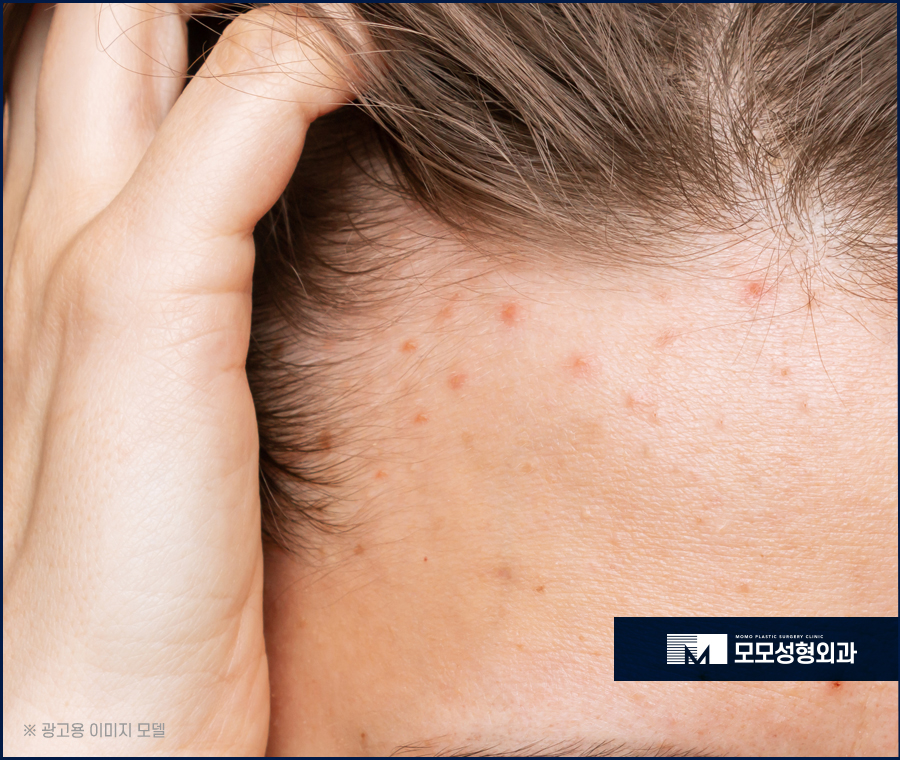
Some people even regard this as a complex.
Therefore, with the desire to fill it in, female hairline hair transplantation seems to be gaining even more attention.
In this procedure, follicles located in the back of the head are collected
and then transplanted into the empty areas.
It is divided into two methods: with excision and without excision,
and depending on which type is used,
everything changes, from the process to recovery time, cost, and energy.
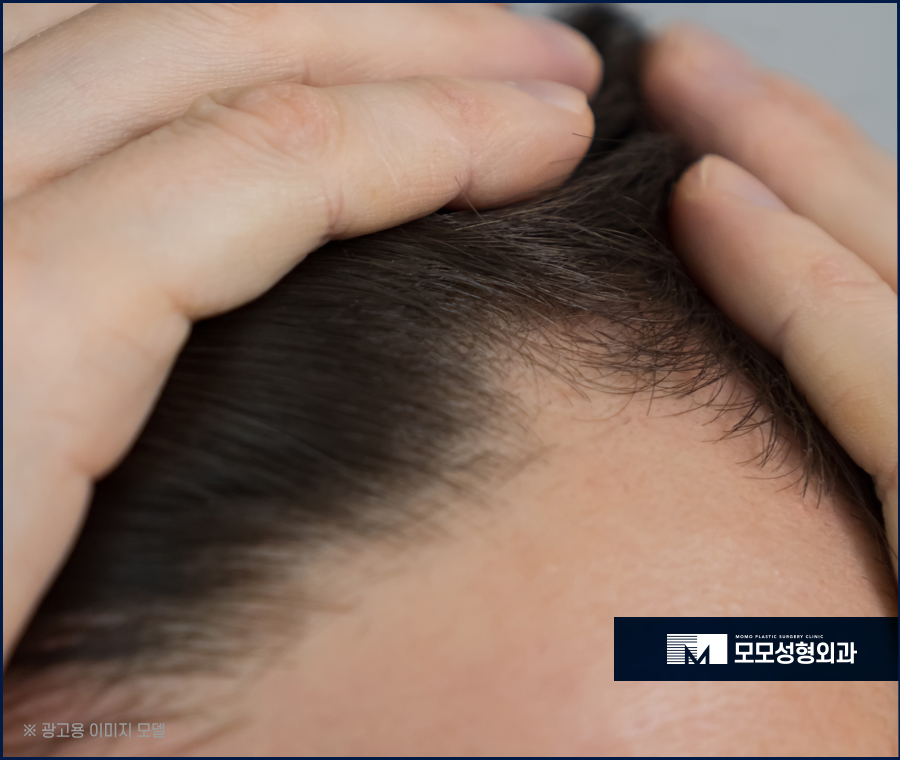
If you are considering the excision method for female hairline hair transplantation,
because scalp tissue must be removed and transplanted,
pain is inevitably involved, and there is also a greater concern about scarring.
Therefore, if you prefer a method that reduces the burden on the body,
an unshaven approach may be appropriate.
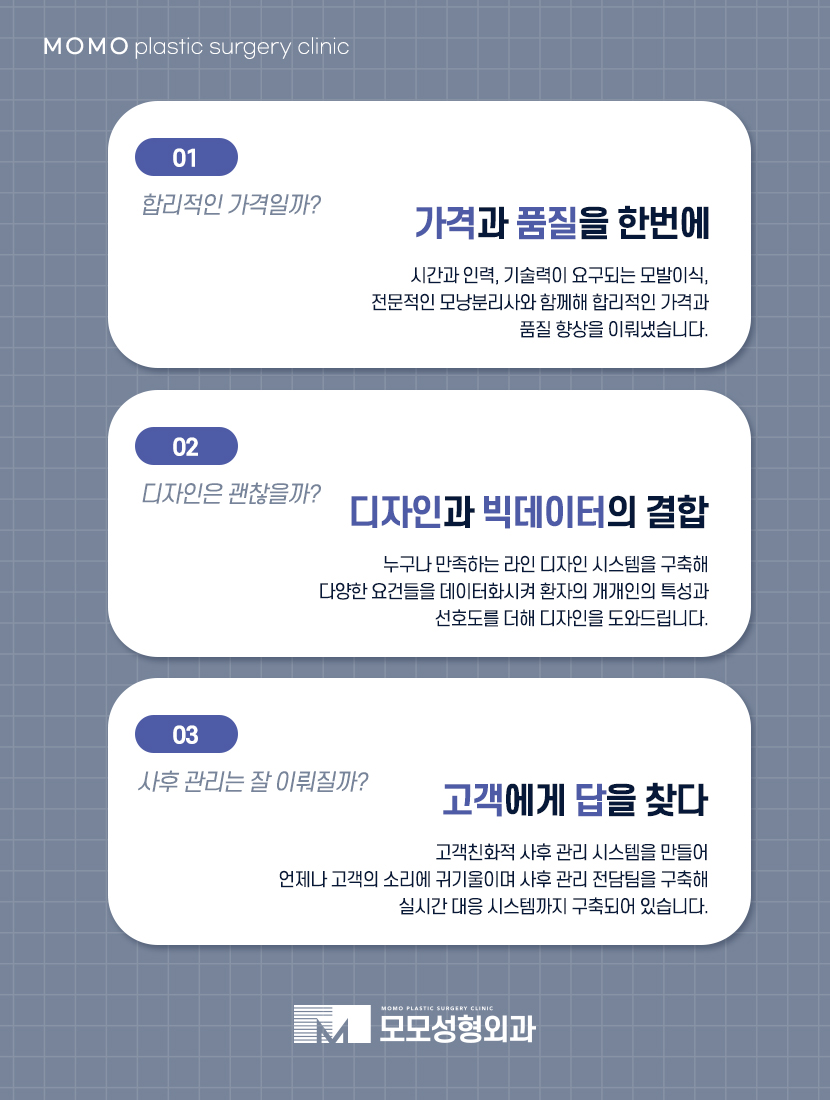
For those with a small number of grafts, those who are very concerned about pain,
or those who want to return to daily life quickly,
female hairline hair transplantation without excision may be preferable.
If you are considering the procedure, you should carefully examine
the capabilities and system of the dedicated institution that will perform the treatment,
whether it has the proper solutions, and how follow-up care is provided.
Because this type of enhancement procedure is by no means simple or light,
you must also check the extraction method and the design carefully.
Since female hairline hair transplantation must be performed very close to the area where facial features are seen,
the treatment should be carried out in the direction that can look most beautiful,
taking into account facial proportions and overall mood.
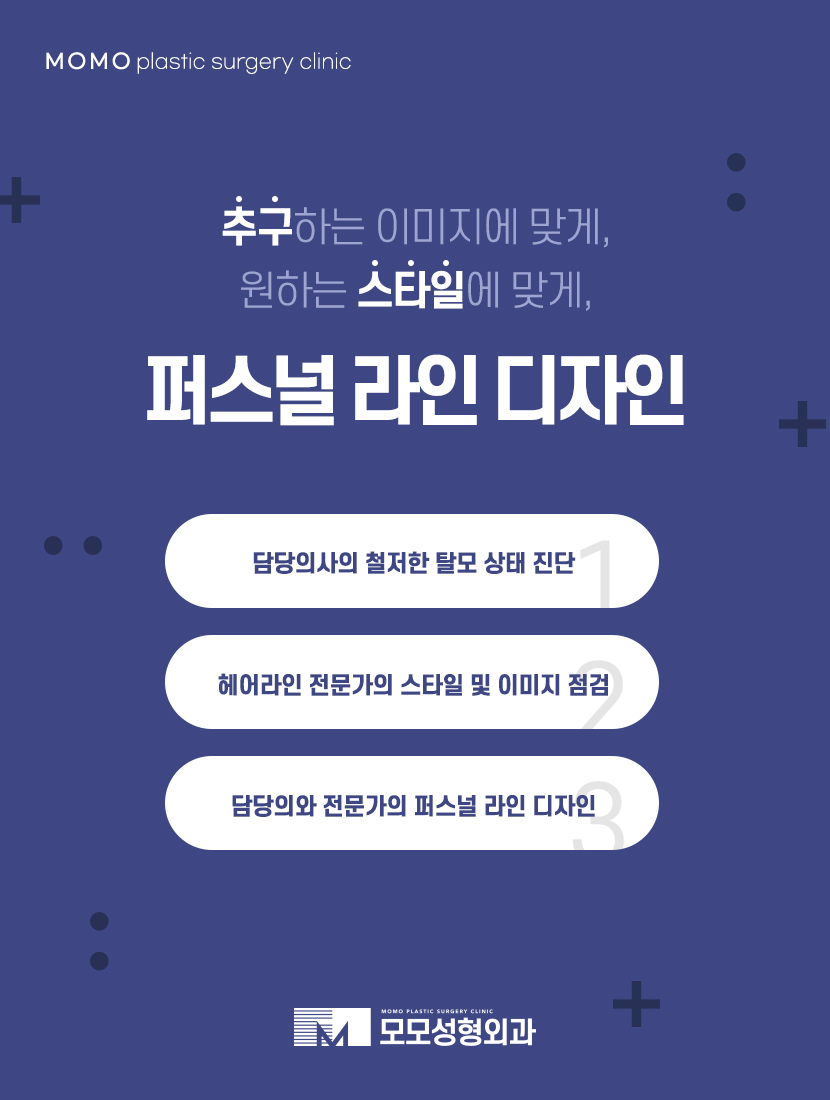
Rather than simple diagnosis and analysis,
the treatment direction should be determined based on a large amount of data,
taking into account image, atmosphere, and age.
Since it also requires a strong sense of aesthetics that incorporates trends,
you should visit a dedicated institution with the skill to create an ideal prognosis.
Therefore, the more experience and case history an institution has,
the more likely it is to have a high level of expertise,
and this is something you should keep in mind.
This is also a point that should never be overlooked when looking into female hairline hair transplantation.
This also affects the graft survival rate, so it is something that must be considered.
If you decide that supplementation is needed and proceed hastily without checking the requirements,
in the end, fewer hairs may take root naturally,
which can greatly hinder the creation of a fuller result.
Therefore, you should pay attention to the aftercare guidance provided by the relevant institution,
and remember that only by making an effort to always create a highly satisfying result
can the outcome also be better.