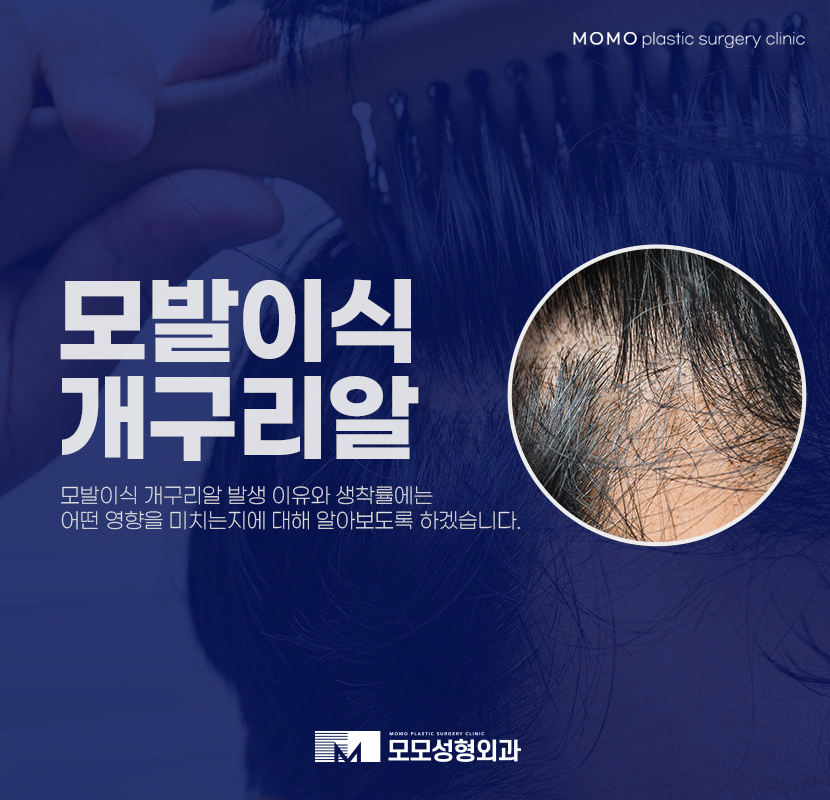
For a variety of reasons, unlike what they intended,
young adults and middle-aged adults,
regardless of gender, are seeing their
healthy natural hair gradually lose strength
and elasticity, and more than 100 strands a day
are being lost, leaving spots that look sparse
and thin, causing many people to struggle and worry
about hair styles that appear patchy and weak.
It is said that the number of patients visiting
medical institutions for related conditions is
increasing every year.
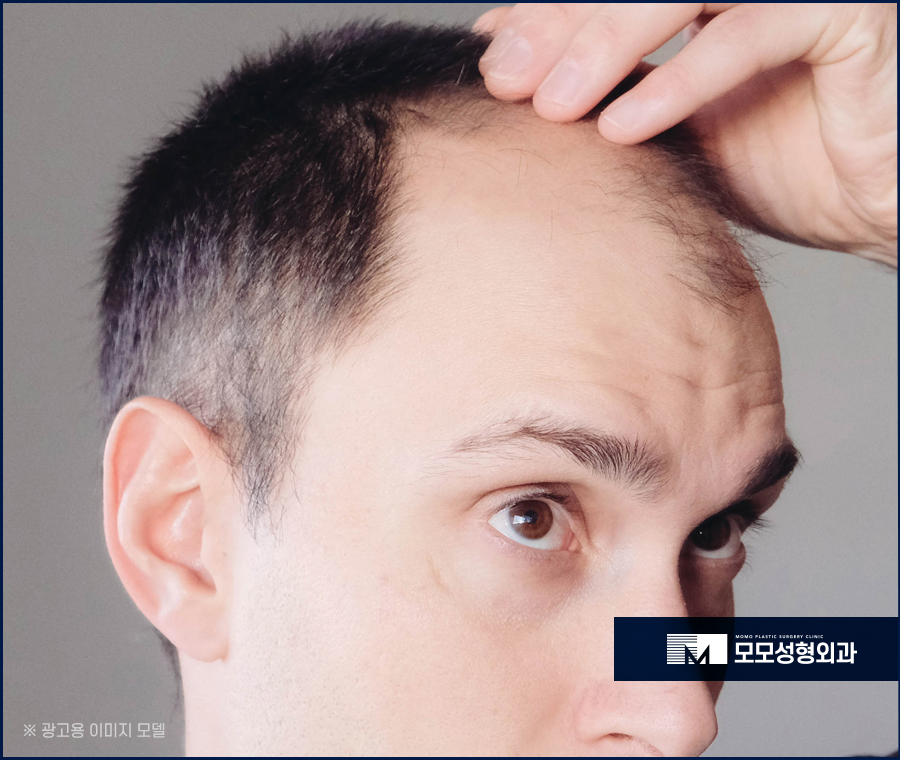
Due to genetic factors from family history,
irregular eating habits, severe stress from studies
or work, and various other reasons such as
environmental and air pollution, some people develop
a condition that causes hair loss. In an effort to
improve it on their own, they may look for and try
methods that could help. They may start by using
shampoos containing functional ingredients for hair
growth, try taking medicine said to help with this
function, or sometimes apply products to the area of
concern. Despite investing a lot of time and effort,
they may not see dramatic results with the naked eye,
and as symptoms worsen and the sparse area seems to
spread, many people turn to surgical methods as a
last resort and become curious about hair transplant
gae-gureui-al related to this.
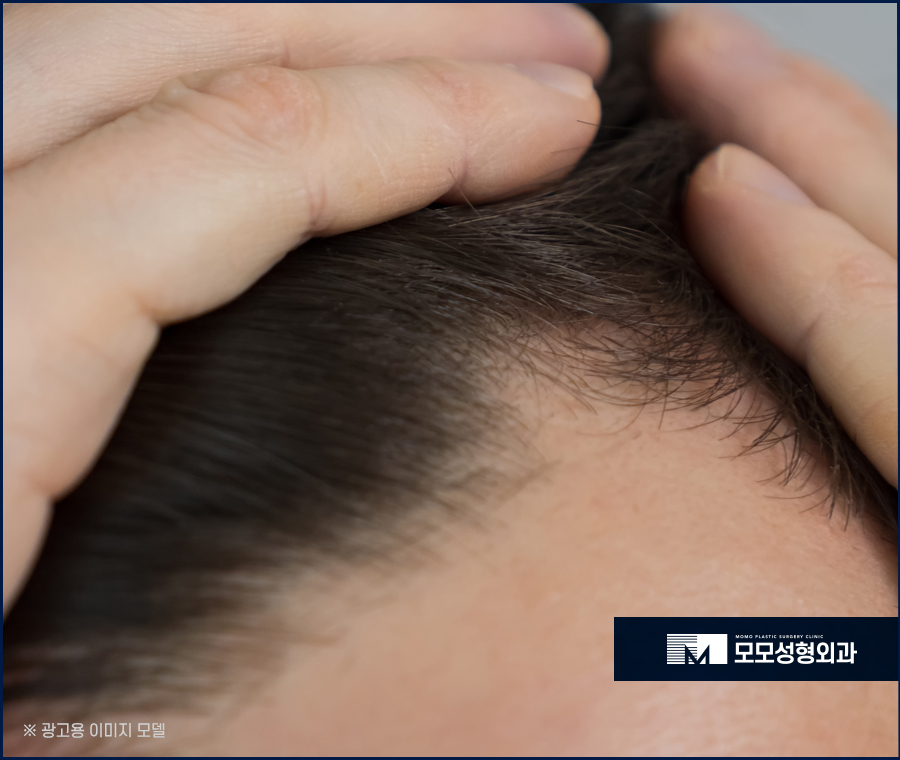
This time, let’s take a closer look and share why
hair transplant gae-gureui-al occurs and what
relationship this phenomenon has with graft survival.
What is hair transplant gae-gureui-al? It is the name
for a round crust that forms in the area where the
follicles are implanted. Because many small crusts
with an appearance similar to frog eggs appear, it
may look unpleasant.
To understand why this phenomenon occurs, you need to
know the method used during extraction. It is said to
depend on whether trimming is performed when the hair
is collected, or whether the scab is implanted along
with it without trimming.
Trimming refers to the process of collecting the hair
for surgery and shaping only the epidermal part near
the opening of the follicle so that the follicle is not
damaged. If the end of the hair is trimmed into a
pointed shape, implantation becomes easier and the
phenomenon does not occur, but if this step is not
done, the skin tissue that came off together during
collection will also be transplanted.
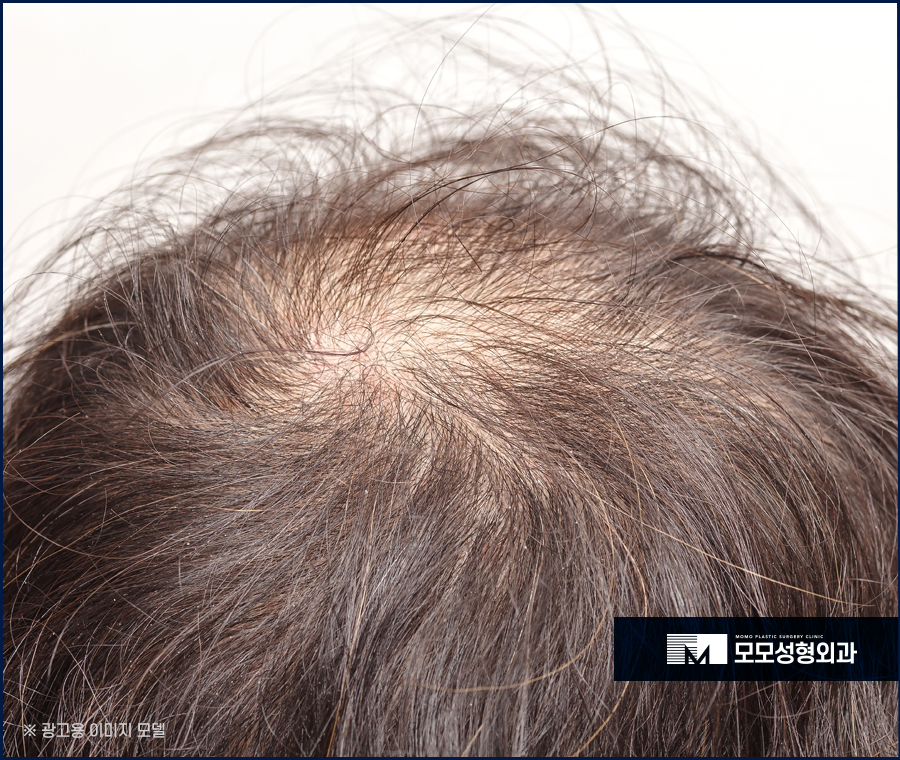
Because this skin tissue cannot receive blood flow
even after surgery, it gradually becomes harder and
more crust-like, and after a certain amount of time,
it naturally falls off the scalp. Also, if it is
implanted as is without the trimming process, the
connection with surrounding tissue is disrupted,
which lowers the survival rate. Hair transplant
gae-gureui-al can depend on the surgical method, and
its occurrence is not necessarily bad, nor is the
absence of it automatically good. Since each method
has its pros and cons, it is best to make a choice
after 충분히 discussing it with the medical team.
Then, people may wonder when hair transplant
gae-gureui-al will disappear. It is said to be
naturally removed within a maximum of two weeks. If
you cannot stand leaving it alone and try to peel it
off by force, the carefully implanted hair may come
out with it, and the survival rate of the hair may be
reduced. Therefore, it is better to use the products
that were recommended to encourage the scab to form
properly.
The scab that forms after implantation does not have
blood flow, so it gradually dries out and hardens. You
should keep in mind that it will come off on its own
during shampooing, and you should never forcibly
remove it. As mentioned above, the way to properly
manage hair transplant gae-gureui-al is to avoid
scratching, pressing, or otherwise irritating the area,
and, if possible, not touch it so that it can fall off
on its own and disappear within a maximum of two weeks.
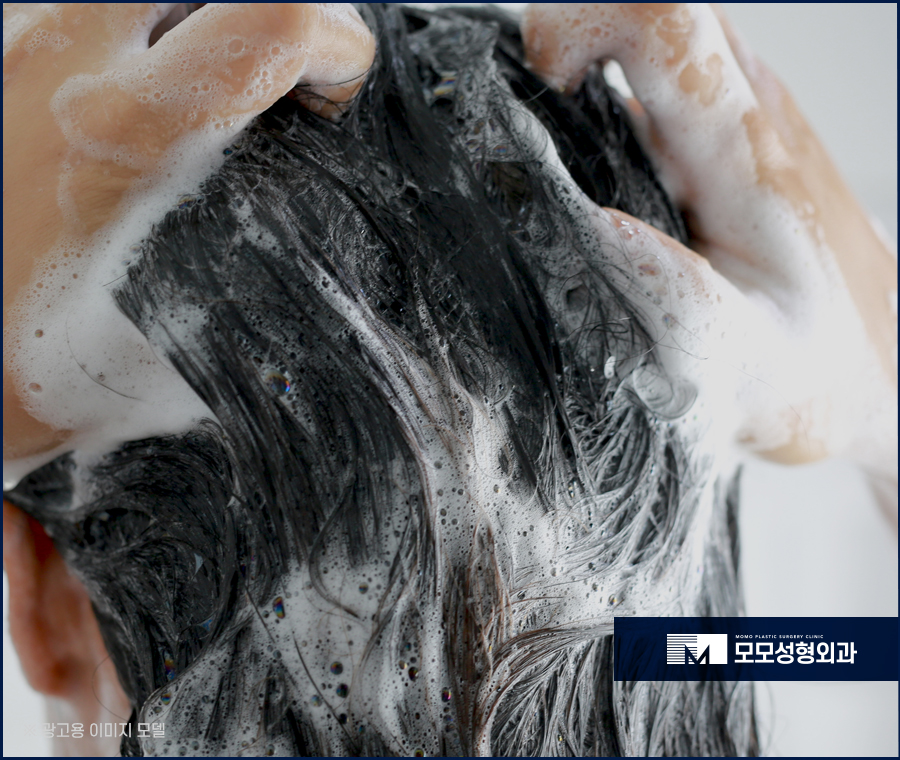
You should remember not to peel it off or touch it on
purpose. Apply saline solution well to the area, and
when washing your hair, lather shampoo on gauze, place
it on the implanted area, let it soak, then remove it,
or allow it to come off naturally while shampooing.
After going through this process, the shedding period
and the dark period after implantation will come. At
this time, the falling hair may cause great stress
again, but this is also a very natural phenomenon, so
you do not need to worry too much.
The timing of the dark period varies from person to
person, but it usually starts about two weeks after
the procedure and peaks at around three months. That
said, there are also cases where it hardly occurs at
all, or cases where it appears late after more than
five months. If graft survival is well established,
the hair will grow healthily again after the dark
period, and it takes about three to five months.

What is needed and should be focused on during this
period is mental management. Also, even if hair
transplant gae-gureui-al appears, you may carefully
wonder whether this is a sign of a side effect and
worry unnecessarily about whether something has gone
wrong with the transplanted hair, but this does not
affect graft survival or prognosis, so there is no
need to worry. If severe pain appears in the area
where the procedure was performed, or if it is
accompanied by inflammation, do not hesitate to visit
the relevant institution immediately and receive
appropriate treatment.