
If you have a job that requires you to frequently face unfamiliar people,
or if you are simply living a typical social life,
you may come to recognize how important your outward appearance is.
For that reason, more and more people are taking an interest in and making efforts to enhance their aesthetic features.
They will look for various methods and keep trying them, striving to improve the way they look.
Usually, a first impression or image formed when meeting someone for the first time is stored in the mind as data in an instant and naturally becomes fixed as the way that person is recognized.
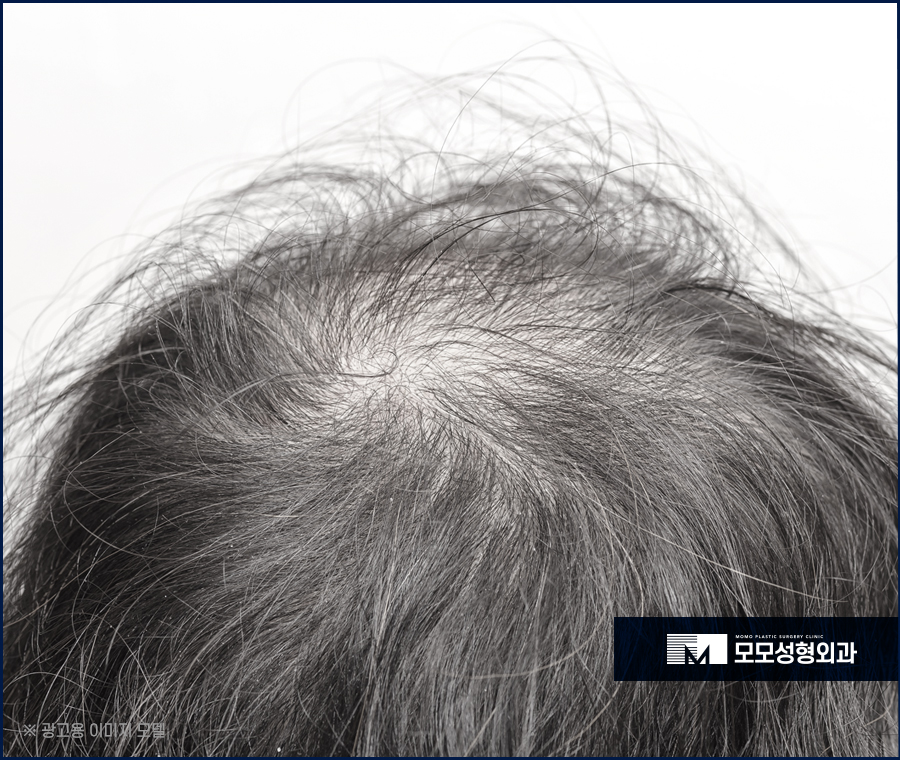
Therefore, if you are the type of person who is usually careful about this, you are likely to put sincere effort into self-care and work hard to improve your appearance.
You may exercise regularly, control your diet, try to lose weight and build muscle, pay attention to your body lines, use cosmetics to care for your skin texture and tone, and visit a hair salon to change your long-held style.
As people try various methods and become exposed to different approaches, they put effort into self-management; among these, if someone is especially in a situation where changing hairstyles is difficult and feels a lack of their own hair, they may feel deeply disappointed.
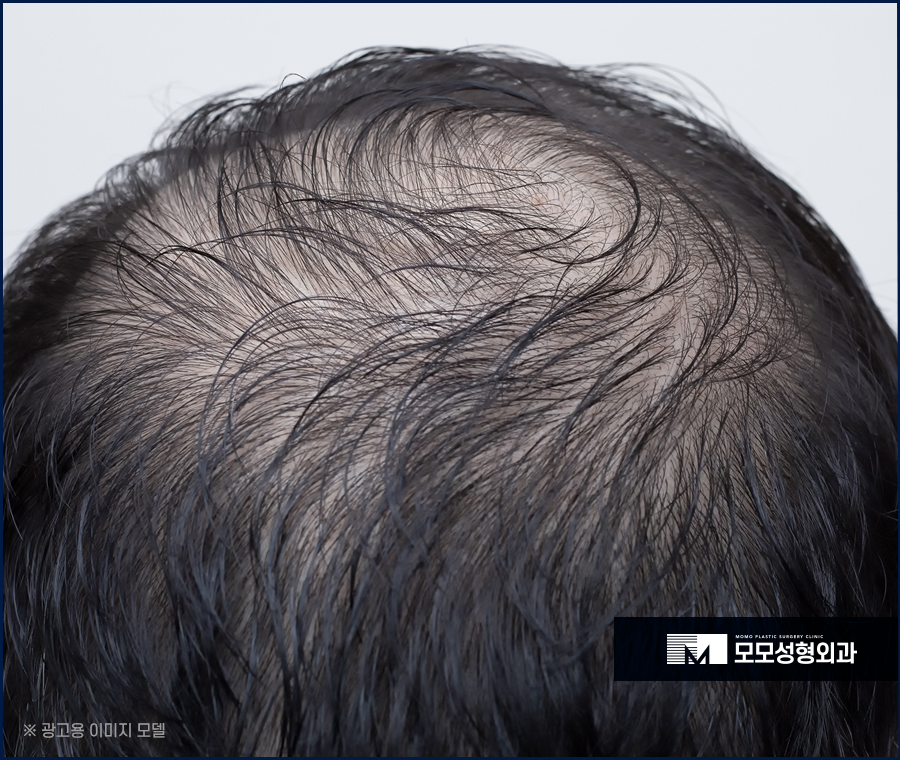
The image shown to others can clearly change depending on how hair is styled. But if there is a shortage, there is not enough to create the desired look, so you will inevitably look for ways to fill the empty space. People with this problem try countless methods, but after struggling with only unsatisfactory results, more and more of them are said to be visiting a clinic specializing in crown hair loss.
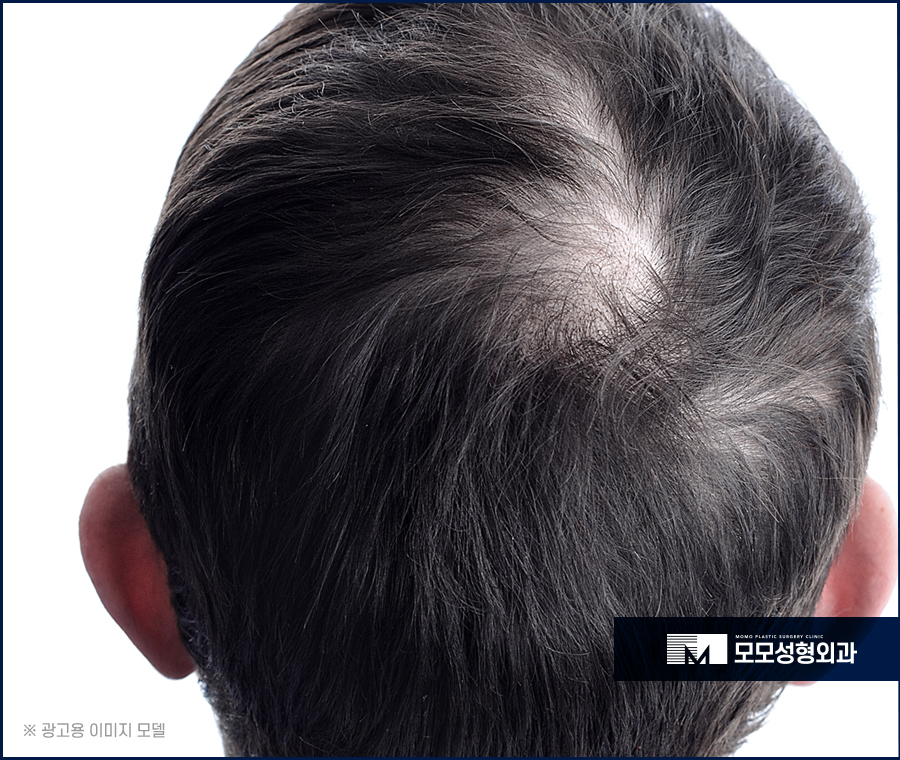
There was a time when hair loss was commonly thought to occur only in middle-aged and older men, but in recent years it has come to be recognized as a problem that can affect anyone regardless of gender or age, and the number of people paying attention to it has also increased.
Hair loss in the crown area may appear according to hereditary tendencies, or it may develop along the hairline. It is often seen in people with generally sparse hair and reduced volume, and in some cases it appears at the front of the head as well as in the center.
Once it begins, the affected area can grow larger and larger in an uncontrollable way, so if the change is carefully observed and identified, prompt compensation is necessary. Depending on the timing, the problem area can also be filled through a transplant.
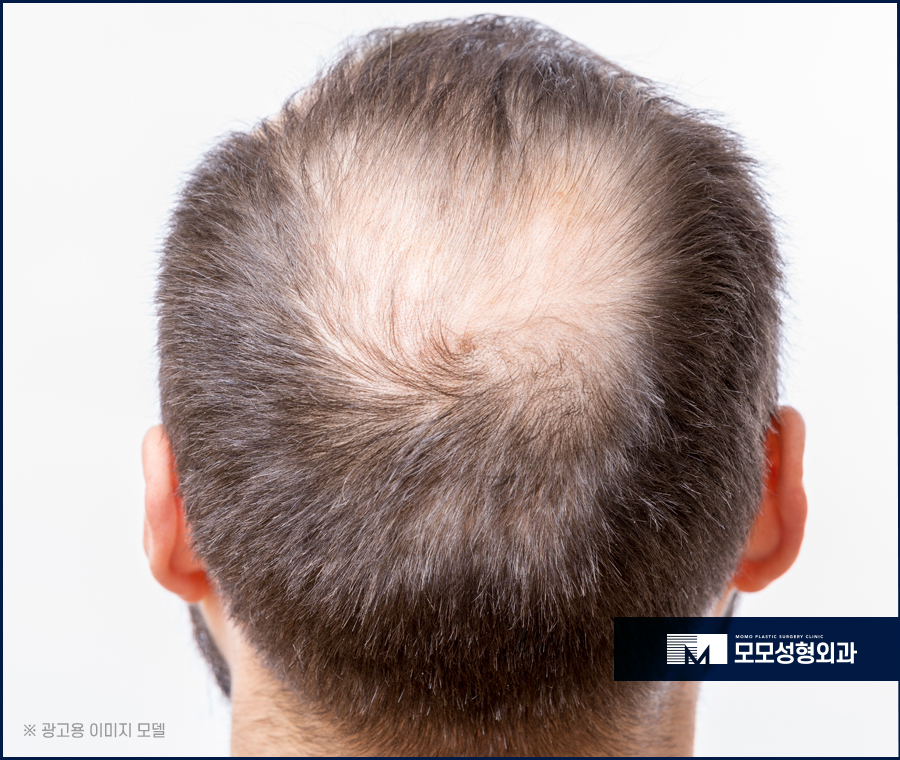
People who visit a clinic for crown hair loss because of natural hair shedding in the crown area are said to have different types.
These include the M-shaped type, in which the hairline around the forehead gradually moves upward; the O-shaped type, which starts from the crown; and the mixed type, in which both appear at the same time.

Therefore, if you are losing enough natural hair to be visible to the naked eye, you may suspect one of the three types mentioned above. However, rather than judging for yourself without expert opinion, it is advisable to visit a clinic specializing in crown hair loss and check in detail.
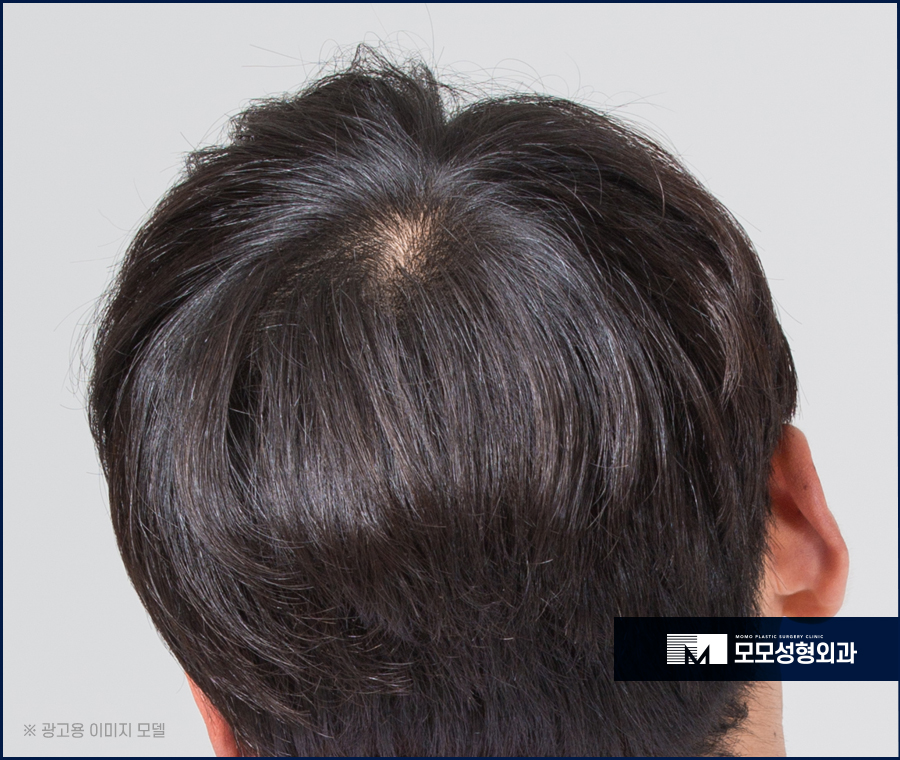
At a clinic specializing in crown hair loss, to find the appropriate procedure, they check the current state of each person’s hair, which shows individual differences, and carefully analyze the causes and symptoms that led to this condition so that suitable measures can be taken.
If your condition requires a transplant, it is important to have a thorough consultation to find a personal design and an appropriate number of grafts that match the proportions of your face shape, forehead area, and facial features.
Because the procedure and the number of hairs needed can also vary depending on the condition of the scalp, it is best to receive a diagnosis at an institution with a specialist who has extensive clinical experience and the skill and know-how that come with it.
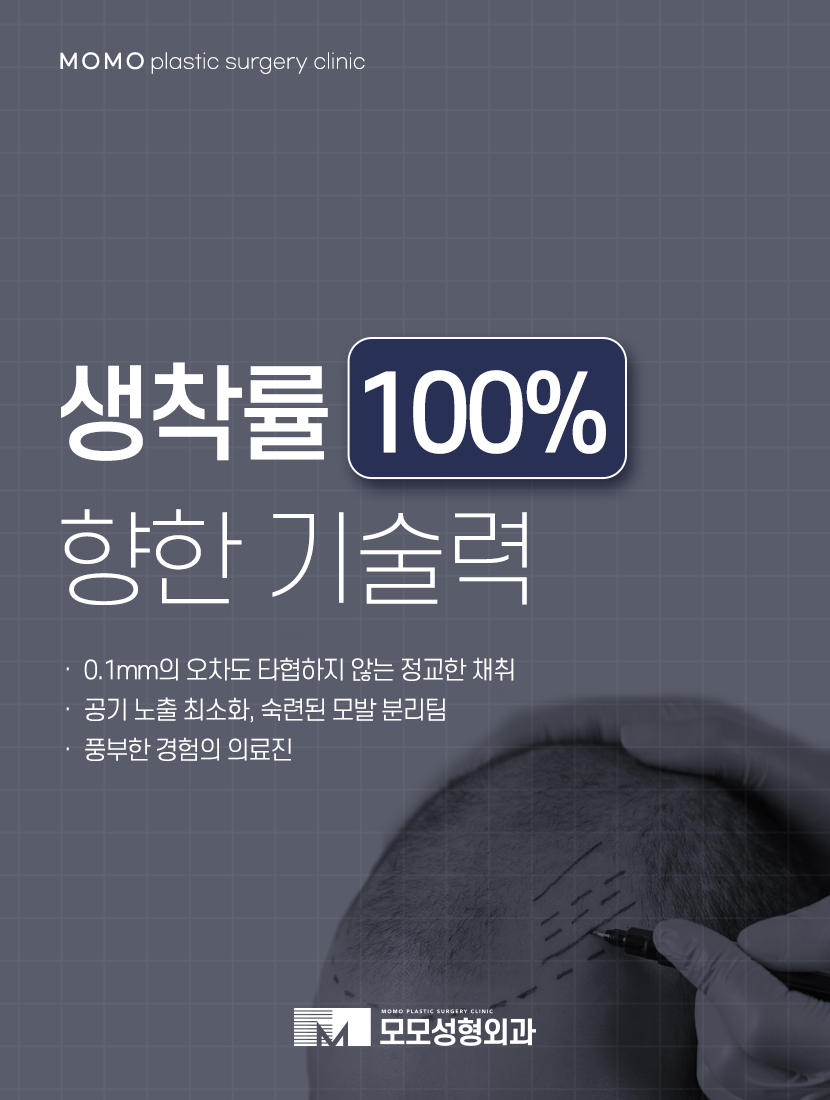
In the case of the transplant procedure performed at a clinic specializing in crown hair loss, the process involves carefully designing and planning the area to be implanted after thoroughly assessing the density, thickness, direction, and scalp elasticity of the natural hair.
In addition, because the surgery is highly difficult and must be approached with great care and sensitivity, it is necessary to safely separate the follicles using high-spec digital imaging equipment, and the key is to proceed in detail while considering the direction of the hairline.
In addition, post-care to further increase the survival rate must continue in order to expect satisfactory results with sufficient density.
The procedure is classified into incision and non-incision methods, and since each person’s condition and characteristics are completely different, the appropriate method will be selected after diagnosis and then carried out.
In addition, if you have undergone a transplant or appropriate treatment through a clinic specializing in crown hair loss, you must also pay attention to the aftercare you need to practice yourself.
In particular, if implantation has been performed, to maintain a stable, high survival rate and continue enjoying satisfactory postoperative results, it is helpful to refrain from excessive drinking and smoking during the survival period, and to avoid activities that can cause sweating, such as vigorous exercise or sports, as well as visiting places like public baths or saunas, for the time being.

You should also keep taking and applying the prescribed medications consistently. Rather than stopping on your own because you think it has improved to some extent, diligently following the schedule for the designated period is the shortcut to improving the survival rate.