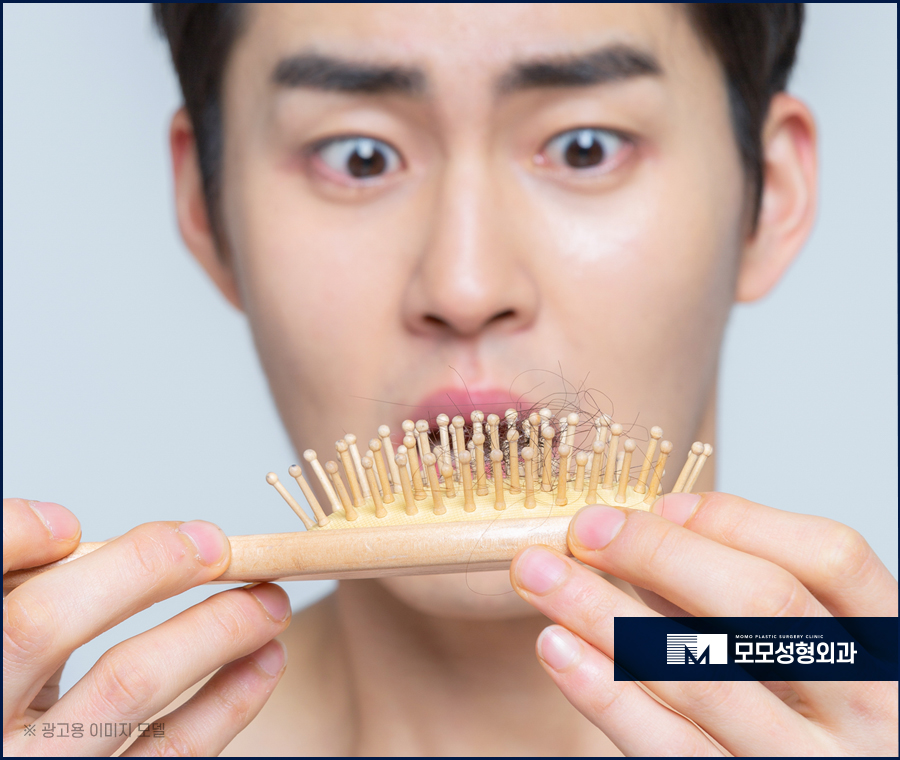
If you look around, you may often see people who have experienced hair loss without even realizing it, or who are currently dealing with it. This condition can affect many people regardless of age or gender.
In the past, it may have been thought to occur simply due to genetic factors from family history, but recently there are also acquired factors at work, and the causes interfering with it have become more varied.
�a0
�a0
Looking more closely, there are countless reasons, such as hormonal abnormalities, excessive mental and physical stress from work or school, irregular eating habits, frequent styling such as dyeing and perming, overly aggressive diet control, dieting, pregnancy and childbirth. If you check the amount of hair loss yourself and feel that far more strands are falling out than before, it seems urgent to seek a related clinic as soon as possible.
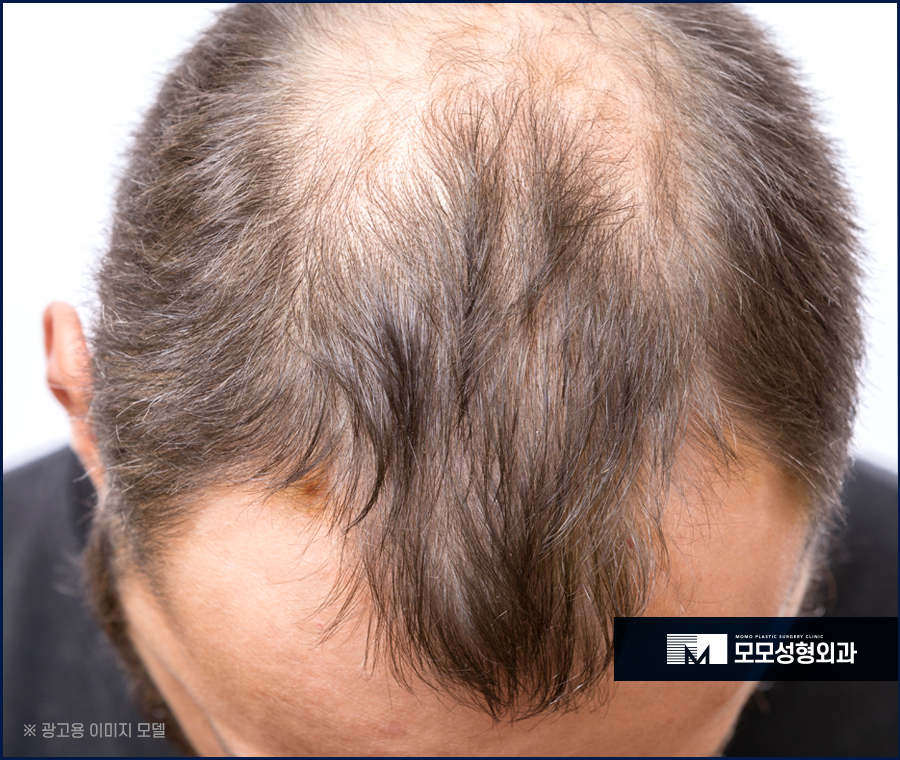
If these symptoms continue, the amount and speed of shedding natural hair can worsen more and more rapidly over time. If the proper measures are taken early, you can at least protect as much of the remaining healthy hair as possible. However, if part of the scalp or a fairly large area has already become exposed, then it may no longer be possible to improve it with a preservation approach, so caring for it through surgery can be a helpful option.
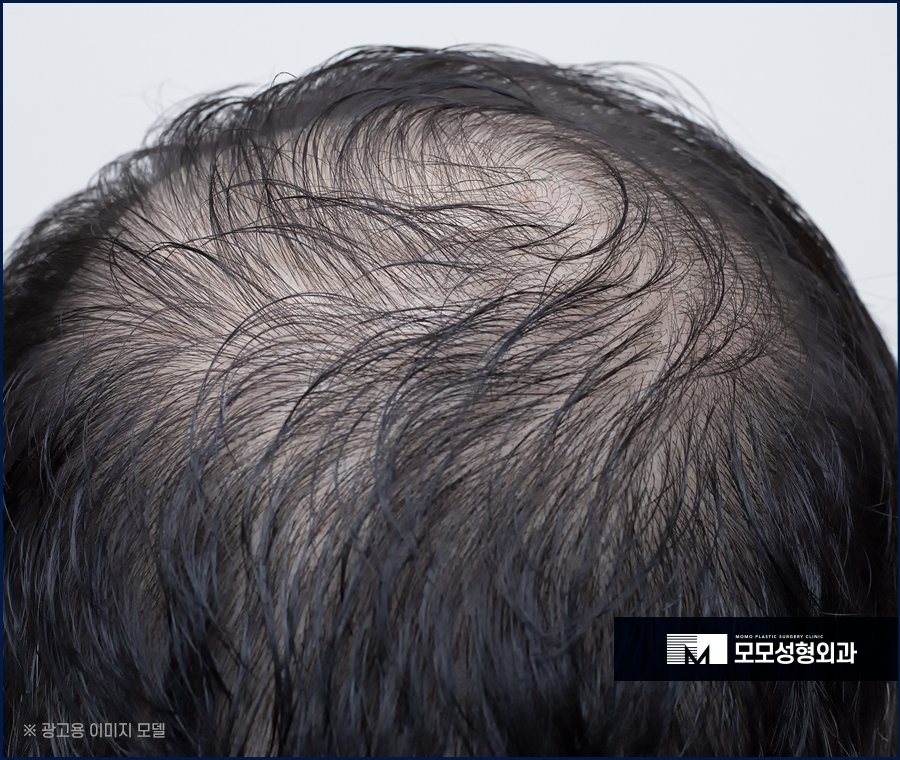
Many people have become curious about these standards, and more and more people are looking into Sinsa hair transplants in order to permanently improve the problem they have developed.
A useful checkpoint to review in advance regarding Sinsa hair transplantation is this: if you try to simply implant hair without considering several important conditions in order to fill in the lost areas, you will end up with a completely unsatisfactory result that feels unnatural and artificial, the opposite of what you expected and hoped for.
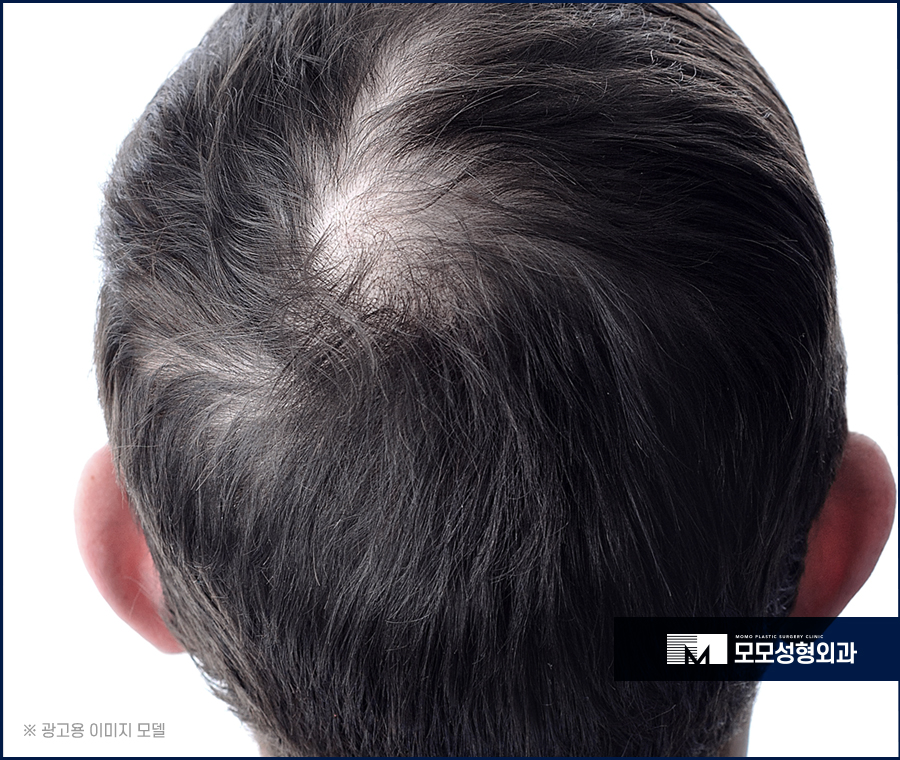
To prevent such mishaps, it is necessary to properly assess the state of the hair loss that has occurred and to carefully examine the unique characteristics of the existing natural hair, such as the direction in which it grows and falls, the balance between fine hair and thicker hair, the angle from the hairline to the sideburns, and density. It is important to determine whether a personal design that incorporates these features can be planned differently for each patient undergoing surgery so that the result looks naturally as if it were their original style. If a proper diagnosis is made, you can later know the cost and how much needs to be implanted, but because some people want to know the approximate expense in advance, many nowadays search for related information on the internet and social media. However, this can vary greatly depending on each person's condition, so it is advisable to visit a clinic and receive an accurate consultation.
Compared with home care using products containing functional ingredients, you can expect a noticeable effect, but the cost of a Sinsa hair transplant is by no means small, so it is true that one would think carefully before proceeding. Recently, among those looking into treatment options, the proportion of people in their 20s and 30s is also high, and even though surgery with a high cost must be performed, there are cases where the needed treatment becomes a heavy burden.
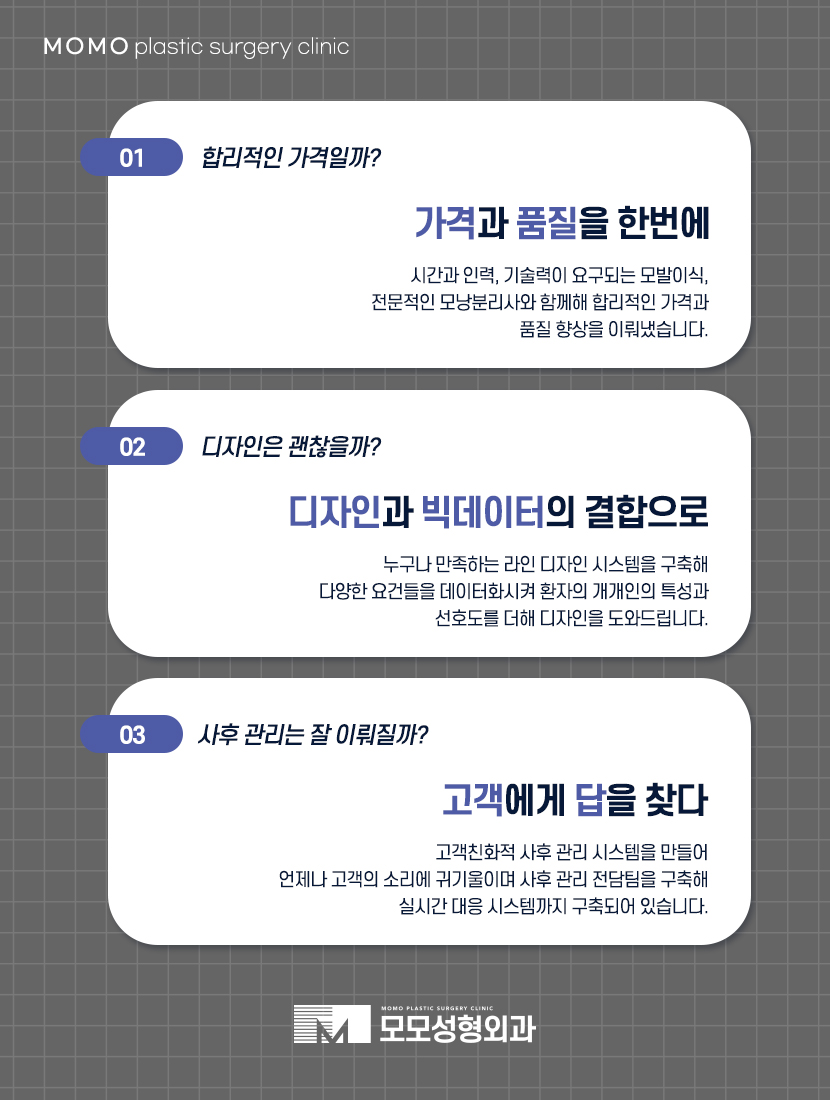
So some people read other people's reviews first to roughly estimate the situation. During the process of proceeding with a Sinsa hair transplant, the number of grafts that can be implanted may differ depending on how much natural hair has been lost, but it is known that most people undergo surgery with about 2,000 to 3,000 grafts. However, since this average can be seen as a general trend, it is important to find out through diagnosis and examination how much should be implanted.
And while the cost of a Sinsa hair transplant naturally depends on the number of grafts, it is usually around 3 to 5 million KRW, and because it may be difficult to try readily when you do not know what changes it will bring later, that seems understandable. It is good to keep in mind that the price may vary slightly depending on the method.
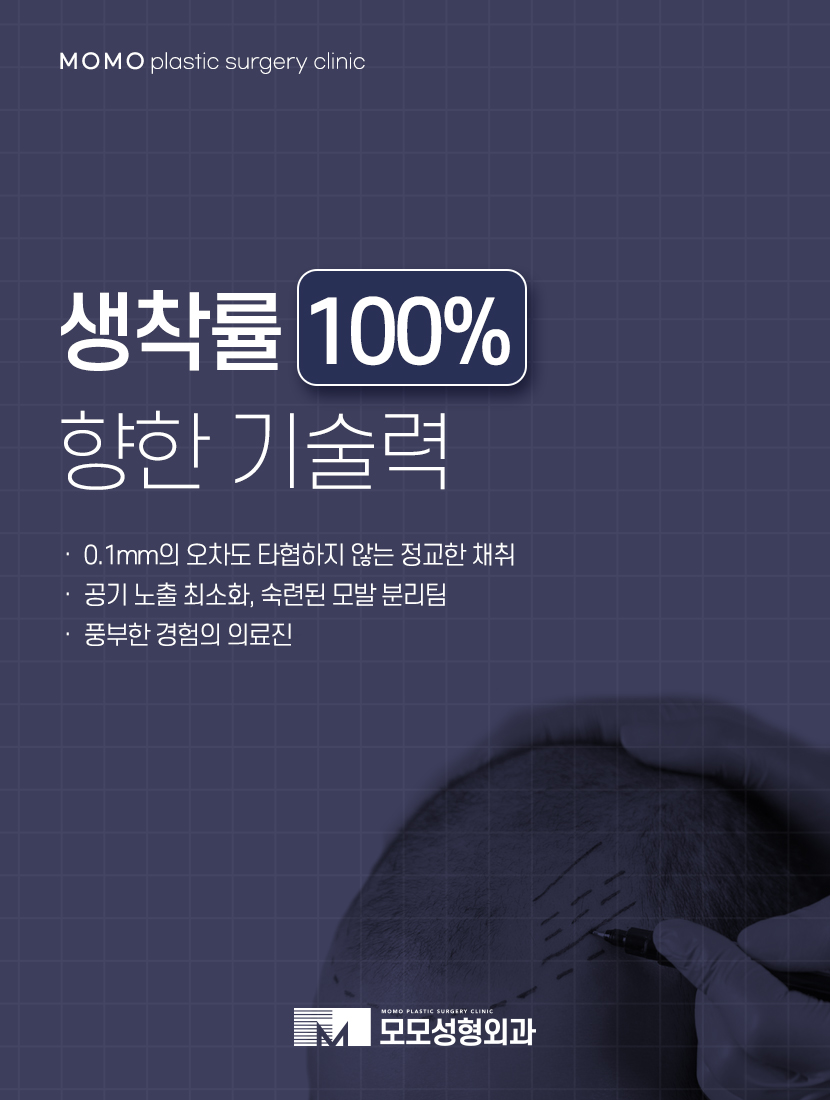
Sinsa hair transplantation is divided into incision and non-incision methods. The incision method obtains follicles by cutting out a portion of the occipital scalp where relatively healthy natural hair is distributed, while the non-incision method can be described as selectively extracting each one by hand and then implanting them into the problematic area. Because this is a procedure carried out in this way, after it is finished, it can have a natural appearance that does not look obvious from the outside.
Another especially beneficial point is that it does not greatly interfere with the busy daily lives of modern people. Although the process of individually extracting and implanting follicles can take a long time, since no separate incision is required, the extraction area can be covered more naturally. Each of the two methods has its own advantages and disadvantages, and if you are considering the procedure, it is worth keeping in mind that the cost of the non-incision method may be somewhat higher.
In addition, after undergoing this surgery, it is important to pay careful attention to self-care during the engraftment period in order to achieve stable hair growth, that is, a good graft survival rate. It is best to refrain from and be cautious about actions and habits that are in no way beneficial, and carefully understand and follow the precautions provided by the clinic. Doing so can help maintain and enjoy a satisfying recovery over time.