When a disease or symptom that was previously completely unseen suddenly appears,
you naturally start wondering what has happened to your body
and why it developed this way,
and at the same time it becomes a source of worry.
Among these, if your hair gradually becomes thinner,
falls out one by one,
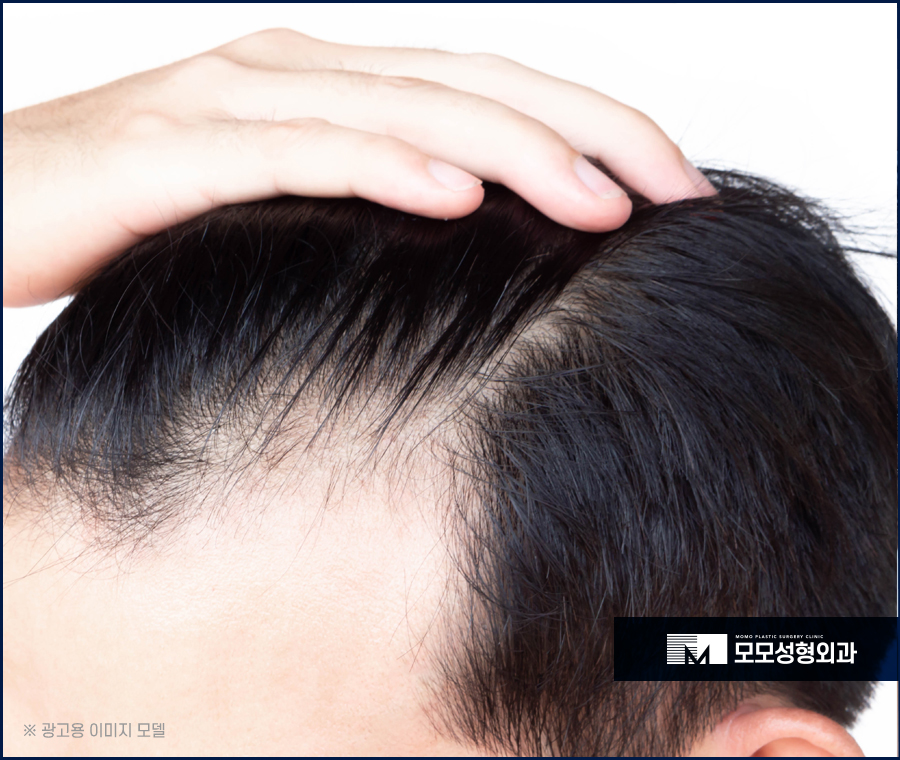
and the once-full volume becomes even sparser,
with empty patches appearing here and there,
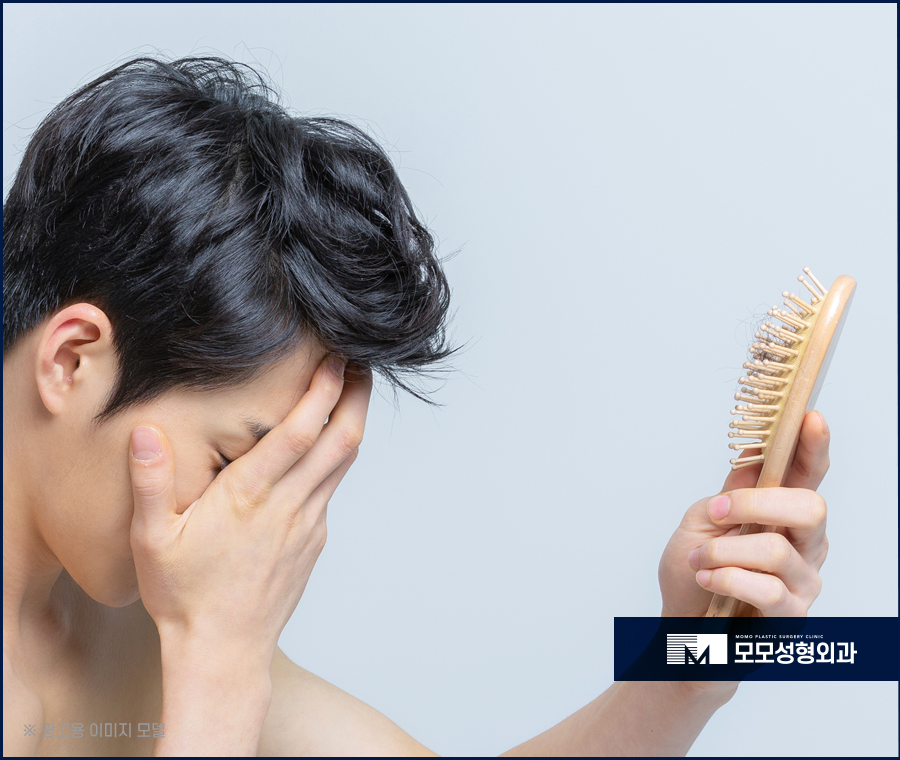
you may feel that something is seriously wrong
and be overcome by intense anxiety.
First of all, it is important to identify the fundamental cause of these symptoms.
If healthy natural hair is falling out in large amounts of 70 to 100 or more strands per day,
the causes may include genetic influence from family history,
hormonal abnormalities,
extreme stress caused by excessive work or study in a highly competitive society,
and, for women, menopause, perimenopause, or postpartum hair loss after pregnancy and childbirth.
It is said that the number of people experiencing hair-loss-related conditions is increasing year by year,
regardless of gender or age, due to these various causes.
Although there are many possible causes, the weight of concern over the issue is probably the same for everyone.
Since appearance is also considered important in the era we live in,
this does not seem like a problem that can be taken lightly.
That is why some people try using specialized makeup products to cover the affected area,
or, because their confidence has significantly dropped, they use hats or partial wigs as a cover.
However, these are only temporary methods and are not enough to solve the underlying cause,
so some people who repeatedly go through this hardship eventually visit a relevant clinic for a consultation.
Through the consultation, although the condition will differ from person to person,
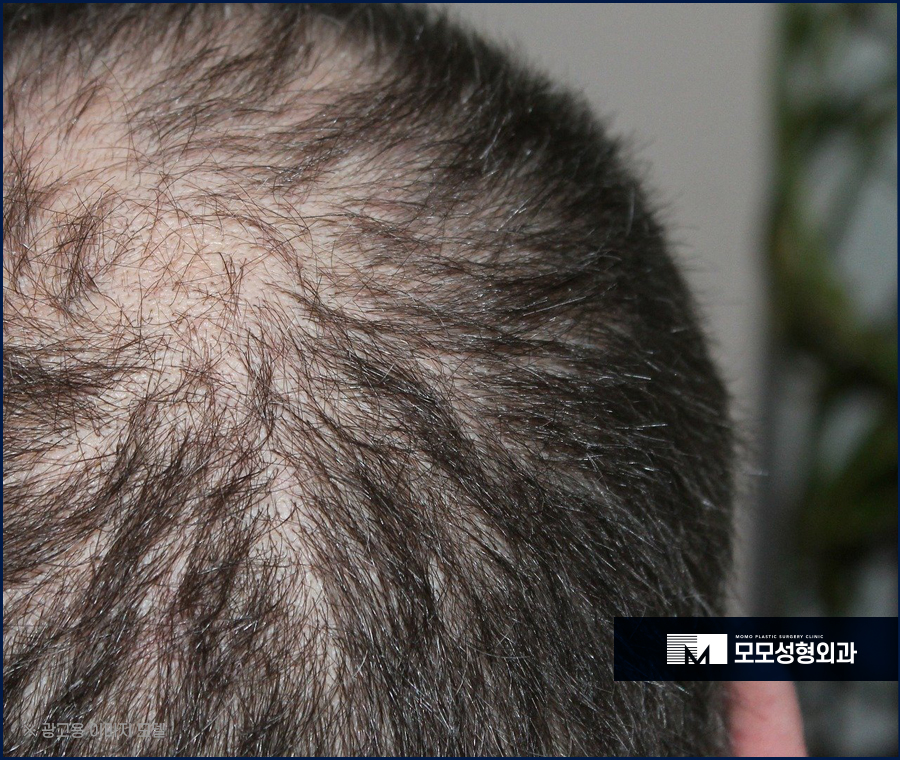
if the current density of natural hair is insufficient and the empty areas are gradually widening,
you will likely consider a method of moving and transplanting your own remaining natural hair from the back of the head.
This is a surgical method that is widely chosen not only by people with hair loss,
but also by those approaching it for cosmetic purposes.

After carefully choosing and deciding on the appropriate number of grafts and the method of placement,
and then proceeding with the procedure while expecting a satisfying outcome,
some people may find that the result is not as pleasing as expected,
or that the density is slightly lacking in some areas,
or they may want to refine the design.
In such cases, a hair transplant touch-up can be considered.
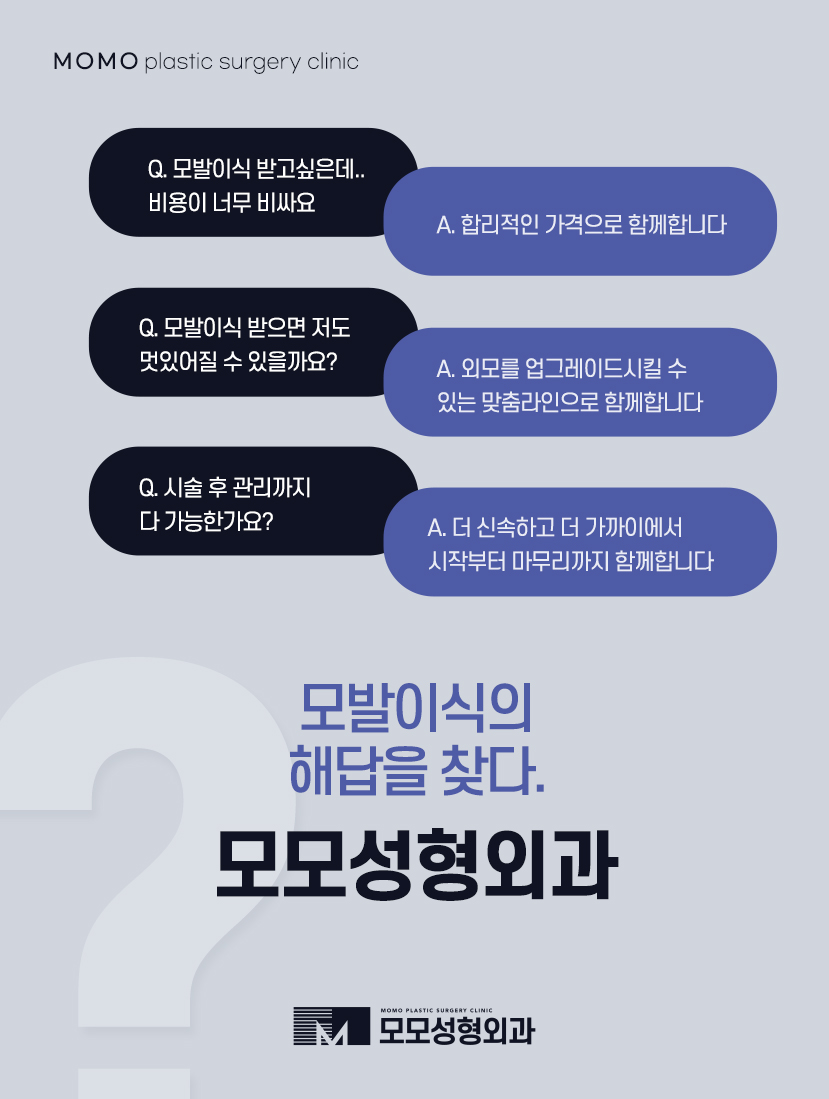
In order to decide on measures for a condition that causes natural hair to fall out and the scalp to show,
the overall process must be systematically organized,
from properly collecting and preserving the relatively healthy follicles,
to quickly and safely moving and implanting them.
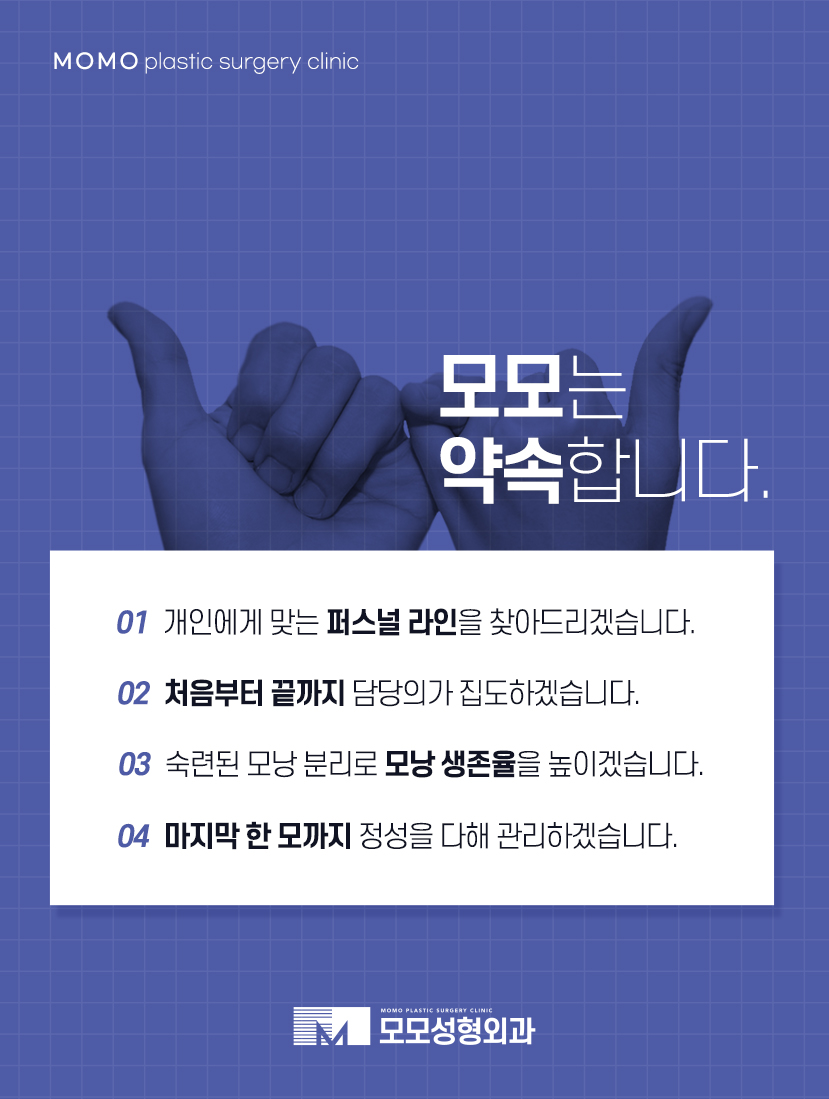
Usually, the success or failure of this process is determined by the survival rate,
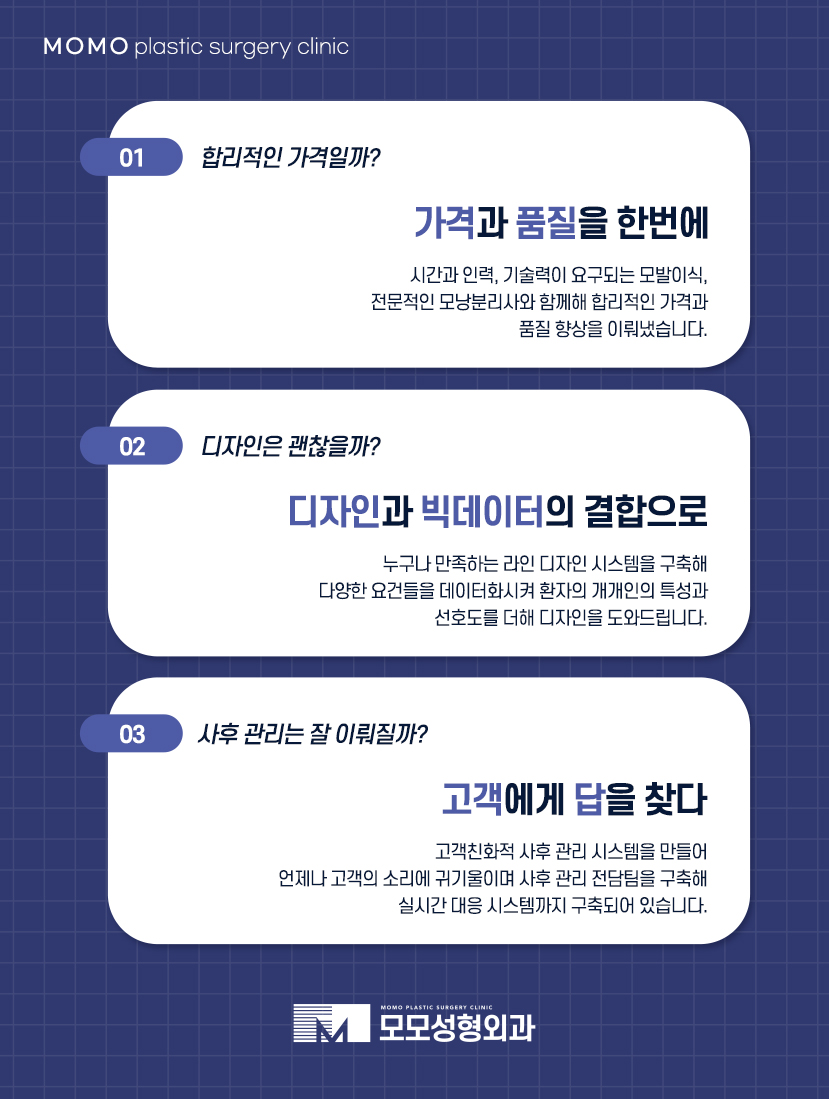
so it can be said that it is important to check whether the clinic follows through with great responsibility,
such as postoperative care and a hair transplant touch-up guarantee system.
Although symptoms vary depending on the individual’s scalp condition and treatment method,
immediately after the procedure, the transplanted follicles begin their survival period,
so this is when the scalp can be considered especially vulnerable.
In particular, during this period, the wounds in the treated area are in the process of healing,
and if the follicles do not take properly,
the natural hair that was painstakingly obtained and transplanted will not grow,
which can ultimately have a major negative impact.
It also means that the healthy permanent donor area at the back of the head has merely been used wastefully.
Because the number of natural hairs that grow for a lifetime from a single follicle is not unlimited,
the amount that can be collected is limited, so repeated procedures are not possible.
A post-surgery survival rate of around 80% to 85% means a numerical comparison between the number of hairs transplanted and the number that remain after survival is complete.
For example, if about 1,000 natural hairs are collected and transplanted,
about 800 to 850 are said to have successfully taken root.
If more than 90% appear to have taken root,
I think that can be considered a sufficiently satisfying and good result.
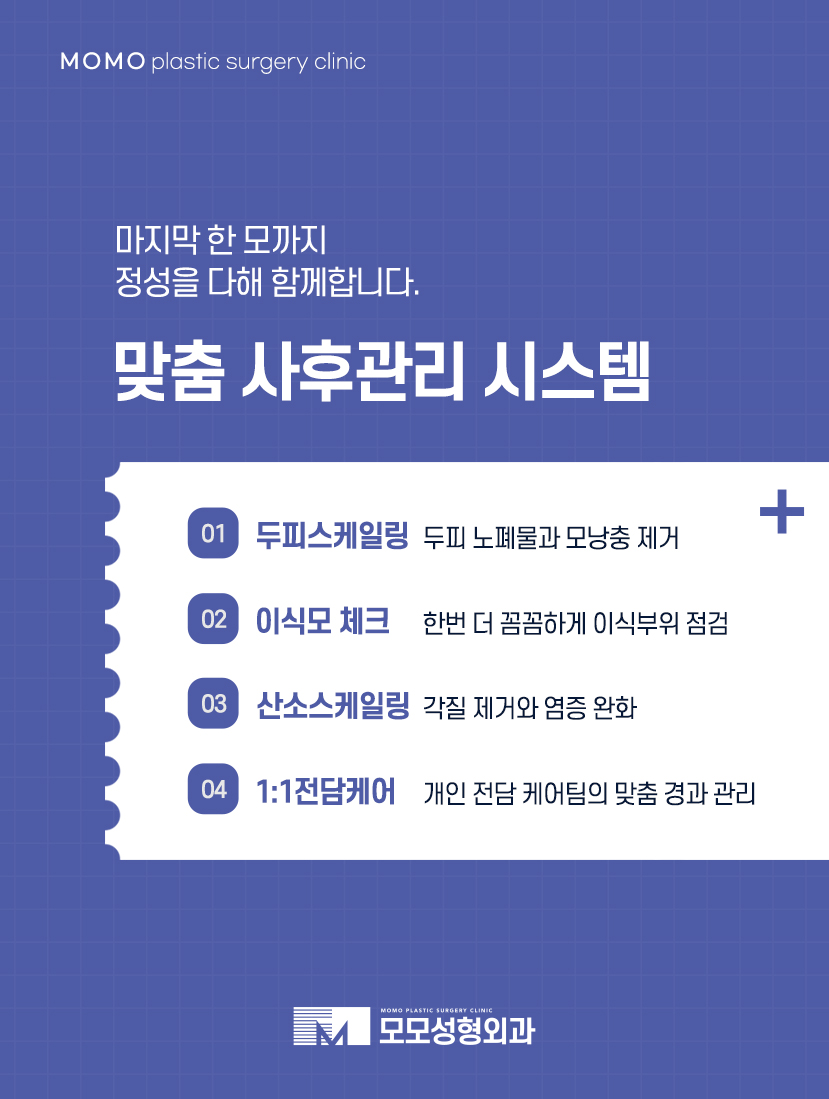
To create a result that looks as full and natural as expected,
for about one year after the procedure you should regularly check the progress in detail,
watch for pain or inflammation,
and receive customized care while managing it carefully.
In particular, through the postoperative care program offered by the clinic,
together with treatments that help the transplanted hair grow properly,
and home care kits provided for use at home,
it is important to carry out self-care at home as well,
carefully monitoring the problem area and paying close attention,
so that you can achieve a more satisfying result.
Even after continued care following the procedure,
if you check the area and the outcome is still not as expected,
or the density is lacking and disappointing,
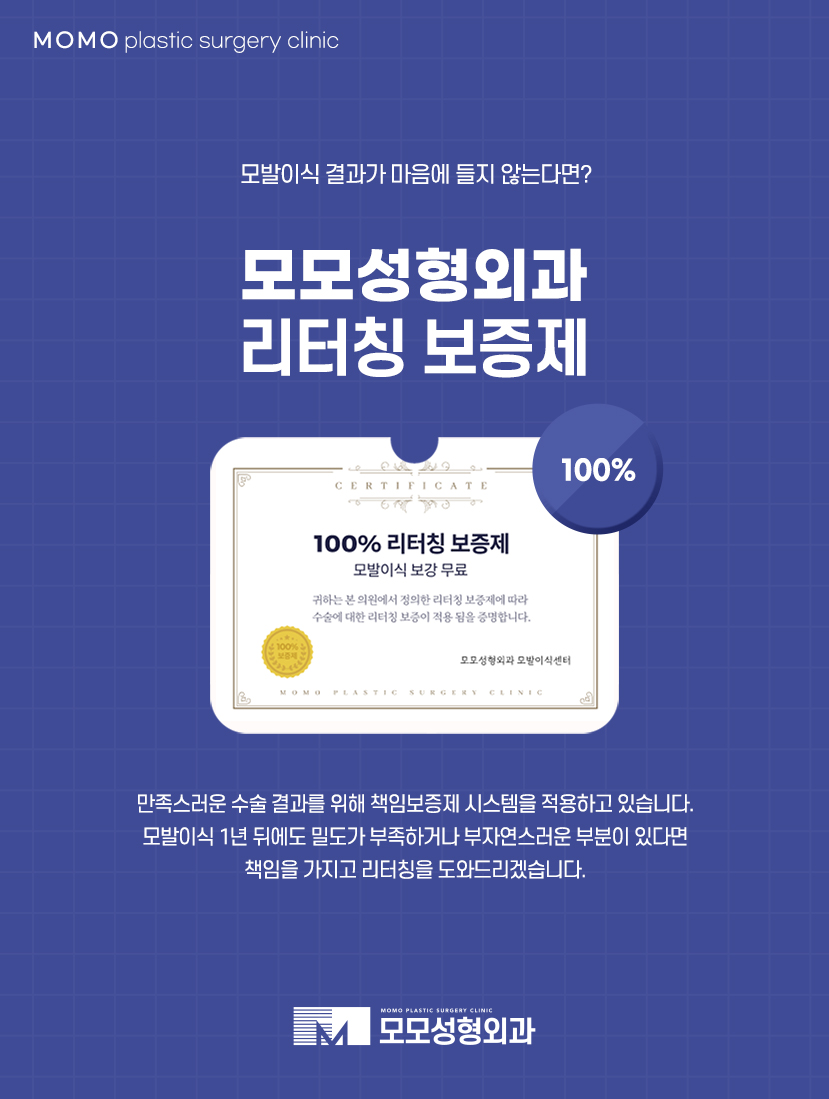
further hair transplant touch-up treatment may be possible at the discretion of the medical team.
It would be ideal to achieve a rewarding result with a single procedure,
but if unavoidable circumstances arise for each individual,
choosing an option that applies a responsibility guarantee system and increases satisfaction may be a good alternative.
A hair transplant touch-up is a method of collecting and transplanting new hairs between the existing hair and the transplanted natural hair,
so it is important that they do not conflict with each other inside the scalp.
If the follicles come into contact with each other,
unlike creating dense volume,
they may instead become dislodged,
and shedding may occur, causing the transplanted hair to fall out together.
Also, when a hair transplant touch-up is performed,
the same method as the initial surgery cannot be used for collection,
so this procedure can be considered highly difficult.
In addition, depending on the current condition and density of your scalp,
there may be cases where it is difficult to proceed with a repeat procedure at all.
Therefore, before moving forward with the process,
it is recommended that you have a thorough consultation with the medical team in charge,
discuss ways to make improvements,
and then attempt it only after detailed discussion.
This is a highly important point,
and it should be noted that the decision must be made after a close analysis.
And to avoid having to do it again if possible,
during the two-week survival period,
it is best to refrain from and avoid activities that are not helpful,
such as strenuous exercise and sports, excessive drinking, and smoking.
A detailed consultation about post-touch-up care is also recommended,
so that intensive management can be provided.