In the past, hair loss was thought to be a problem that could happen only to a small number of people. However, in recent years, it has become something that can commonly happen to anyone, regardless of age or gender.
And as time goes by, the number of people experiencing hair loss and hair thinning is said to be increasing. Many people living in modern society enjoy a life of abundance, but paradoxically, due to an imbalance of essential nutrients, they cannot be said to be healthy, and they are exposed to various stresses caused by a range of factors. For this reason, stress is said to have a more negative effect on hair loss than genetic factors. Stress, often called the root of all illness, does not have a single good effect on our bodies.
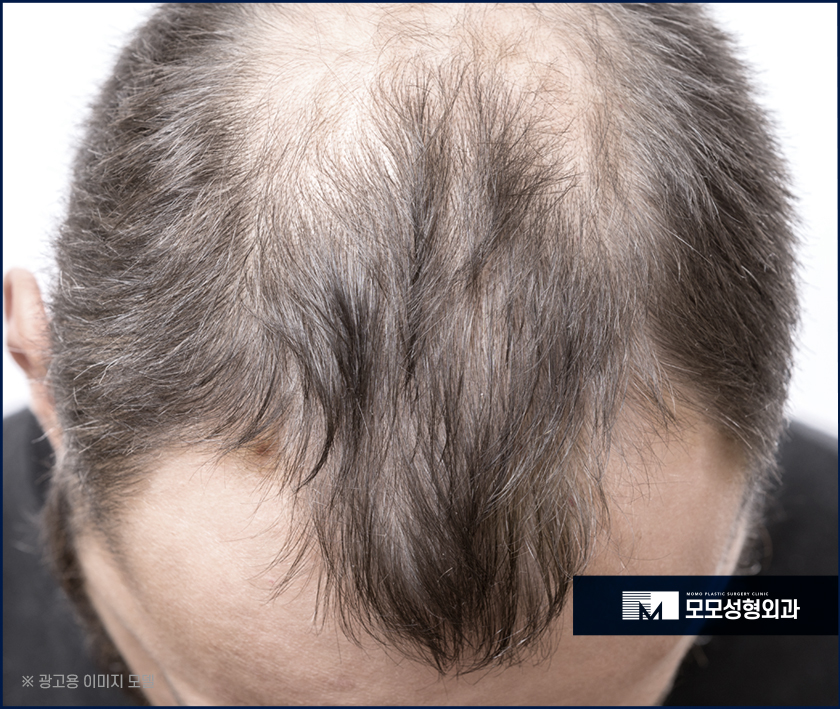
Therefore, if healthy natural hair loses strength, becomes thinner, and starts to fall out, it is considered efficient to begin care immediately. If you leave it alone, expecting it to naturally improve on its own, it may actually worsen instead. As the condition of the scalp and pores deteriorates, it can lead to a more serious situation.
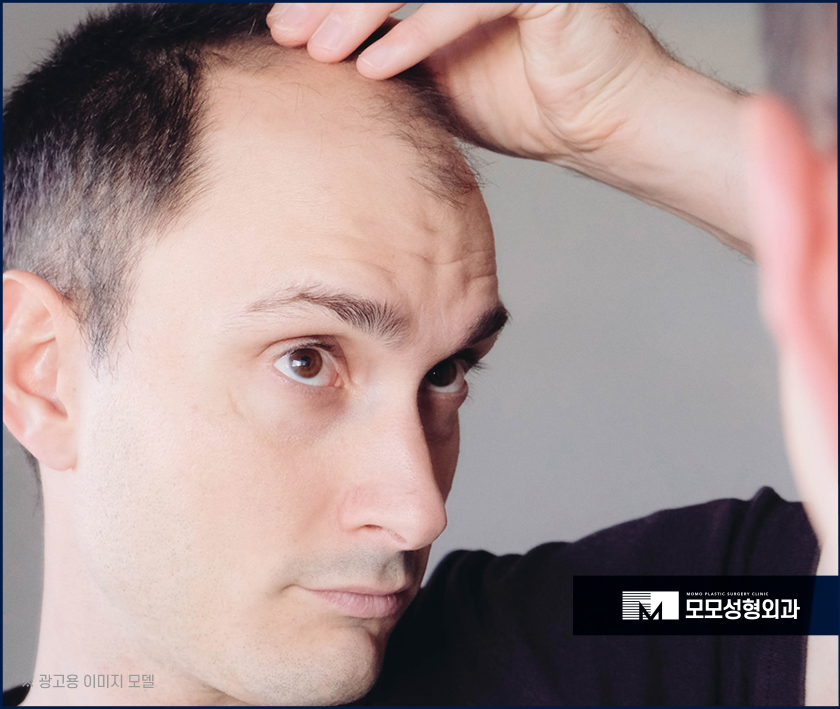
Unfortunately, even so, many people do not follow the proper order or attempt incorrect care in inappropriate ways, and as a result, they fail to get the expected effect and simply give up. The same applies to a receding hairline. When hair starts falling out, you need to go through a detailed consultation to identify exactly what the problem is and how far it has progressed, so that you can quickly bring the situation to a close and move forward in a direction that leads to improvement.
There are many factors that can cause natural hair to fall out, but it is still said that the exact causes and contributing factors have not yet been clearly identified. This is also why there is still no method or treatment that can fully cure it. However, the representative factors suspected of triggering hair loss or affecting it can vary depending on each type.
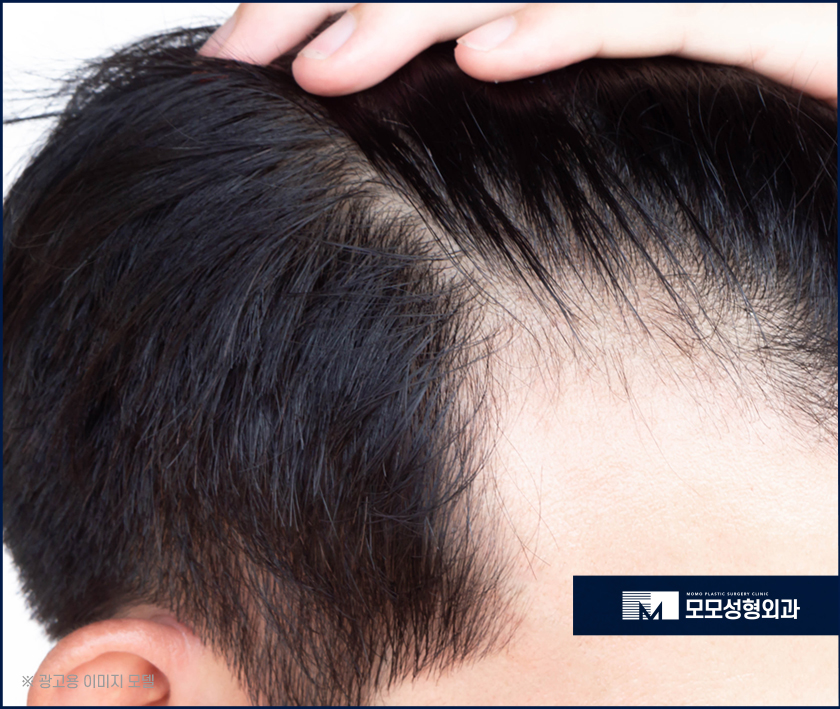
In the case of a receding hairline, the main factors are said to be the influence of male hormones and problems with scalp circulation. What these two factors have in common is that they gradually accelerate scalp aging, leading to this condition. This type of problem, where the hairline thins or falls out and eventually recedes, widening the forehead, has a serious and negative impact on appearance.
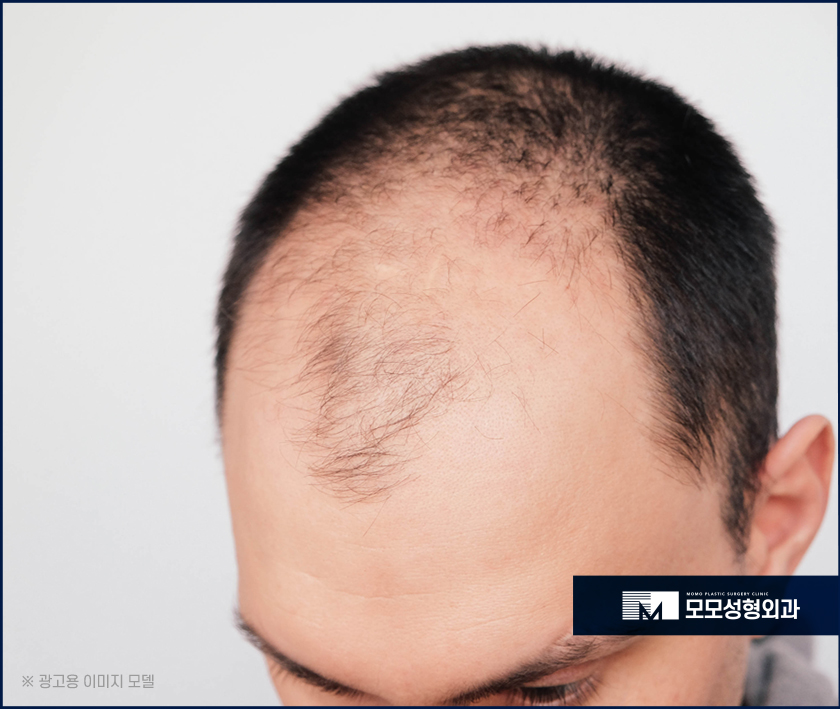
The forehead is located at the center of the face and plays an important role in determining first impressions and judging whether someone looks youthful or older. In such a situation, a receding hairline makes the forehead area appear wider, and as the visible scalp area also becomes more extensive, the person may look older than their age. Even if there is plenty of hair in areas other than the forehead, it can still feel as though the overall hair volume is sparse.

For that reason, a receding hairline does not usually come with physical pain, so it may not feel especially difficult in that sense. However, it can cause psychological stress, discouragement, and depression. It can also lower confidence and create anxiety in everyday life and in social situations where you have to face other people. As a result, a vicious cycle can continue, and the condition may worsen further.
A receding hairline, in which the lines on both sides of the forehead are pushed upward due to hair loss and form an alphabet-like shape, can be said to require quickly filling in and restoring the empty space.
You need to check whether the empty pores have completely deteriorated and, if there is still room for improvement, begin care as soon as possible so that they can be returned to a healthy environment and normal condition and perform their proper function. Of course, such a judgment is not something an ordinary person without specialized knowledge can make or confirm with the naked eye. For a precise and detailed examination, it is necessary to inspect the affected area using scalp-related devices and carefully check the condition of the hair follicles as well.
The cause of a receding hairline may exist externally on the scalp, but ultimately it is thought to be a condition that occurs through the scalp from within. Therefore, in situations where it is difficult to address the cause, focusing on the clearly visible symptoms rather than the cause can be a desirable alternative. In addition, problems that appear on the skin can, by contrast, be understood objectively, making it easier to match the necessary solution accordingly. In the case of hair loss, because there are appropriate methods ranging from early measures that can be effective with relatively simple care when the symptoms are mild, to various suitable approaches that take into account the skin type, the extent of hair loss, and how far it has progressed, direct care is possible.

Do you think hair loss is a standalone condition that occurs only in the skin and hair? As hair falls out, empty spaces appear, and it may seem like a problem with the natural hair itself. But in reality, it is also a problem of weakened skin that cannot properly support the hair and keep it healthy. Therefore, if these symptoms appear and you still leave them untreated without taking the proper measures, they can gradually spread over a wider area. For that reason, it is best to visit a related clinic as soon as possible, undergo a detailed diagnosis and examination by a specialist, and if treatment is needed, carefully consider the situation and take appropriate action. That may be the path to returning to your original hairstyle.