In the past, hair that was thick, full, and
healthy with elasticity
would have been a source of pride,
but as time passes, for those who are
going through a situation where it starts to
look thin in patches and even gives off a
sparse feeling,
every single strand of hair is likely to feel
extremely precious.
People often try a variety of measures that
may help, but many are deeply troubled by
a scene that does not improve at all despite
the effort and time invested.
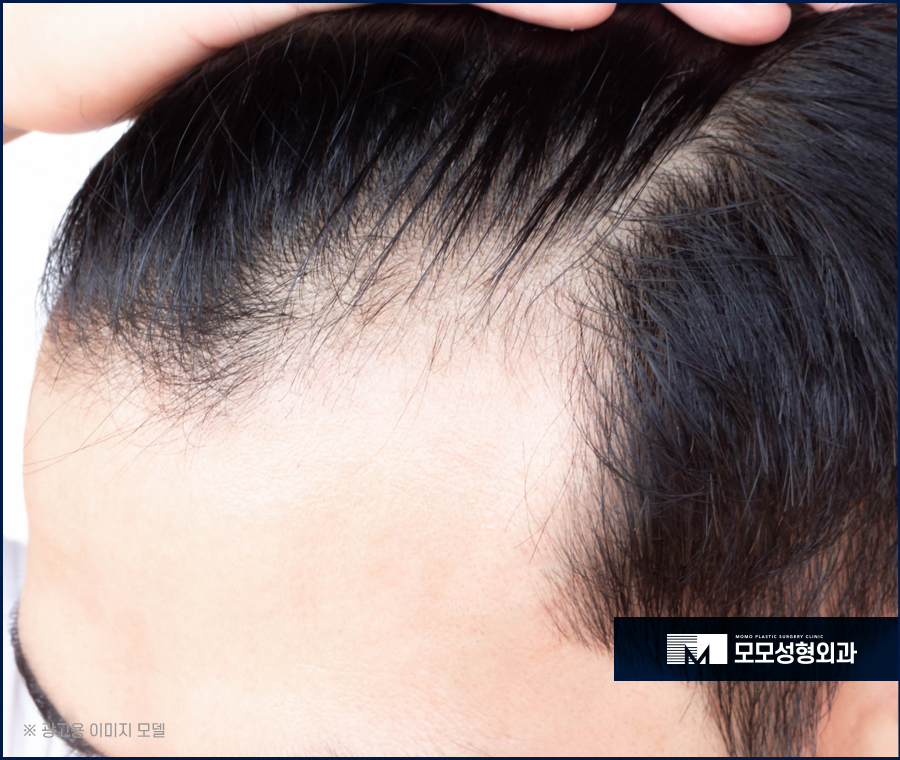
There may be cases where people become
discouraged and disappointed, thinking that
lost hair cannot be implanted again and that
it is already over, and even though symptoms
have appeared, they leave them untreated.
At other times, there are people who work
even harder on care and management in an
effort to preserve even this much hair.
Hoping for change, the surgery that moves a
person's own natural hair and implants it
again can overturn the frustration of the past,
when fallen hair was considered irreversible,
and it is said that for people who have kept
trying to find their own answers through
countless worries and challenges, this surgery
is receiving a great deal of attention from
those with hair loss.
In fact, the method of implanting hair had
already been carried out for quite some time
in the past. However, it was a difficult process
and also took a very long time, which was a
drawback. Even after receiving the procedure,
the amount that actually took root and grew
was significantly lower than expected, so there
was a time when it received little public
attention. But as the years went by, the
number of people worrying about the loss of
natural hair continued to increase day by day,
and it has occurred for a variety of reasons,
leading to further medical advancements in
the related field.
In addition, experience and know-how have
continued to accumulate, and in recent years
many institutions and clinics have been
established. Along with that, it can be said
that the graft survival rate has improved
greatly. Because of this, the surgical methods
have also become divided. In the past, the
excisional method was used to minimize the
exposure of hair follicles, prevent damage, and
increase graft survival, but recently the
non-excisional method has also come to be
considered comparable, and the chances of
graft survival have increased, so people can
choose between the two methods and carry
out the procedure in the direction that suits
them best.

The former has the drawback that the scalp
must be cut to obtain the grafts, so it is
accompanied by wounds and scars and can
cause a much higher level of pain than
non-incisional hair transplant pain.
By contrast, the latter does not stimulate the
scalp, so the pain is relatively less, and it
also has the advantage of leaving little to no
noticeable scar.

And the graft survival rate, which many people
consider when thinking about the procedure,
has also improved to a level comparable to
the excisional method as the capabilities of
the medical team carrying out the surgery and
the performance of the equipment used have
advanced significantly.
With this repeated progress, the non-incisional
option is now more preferred, but in the end
it is still a procedure being attempted, so it is
natural to worry about non-incisional hair
transplant pain.
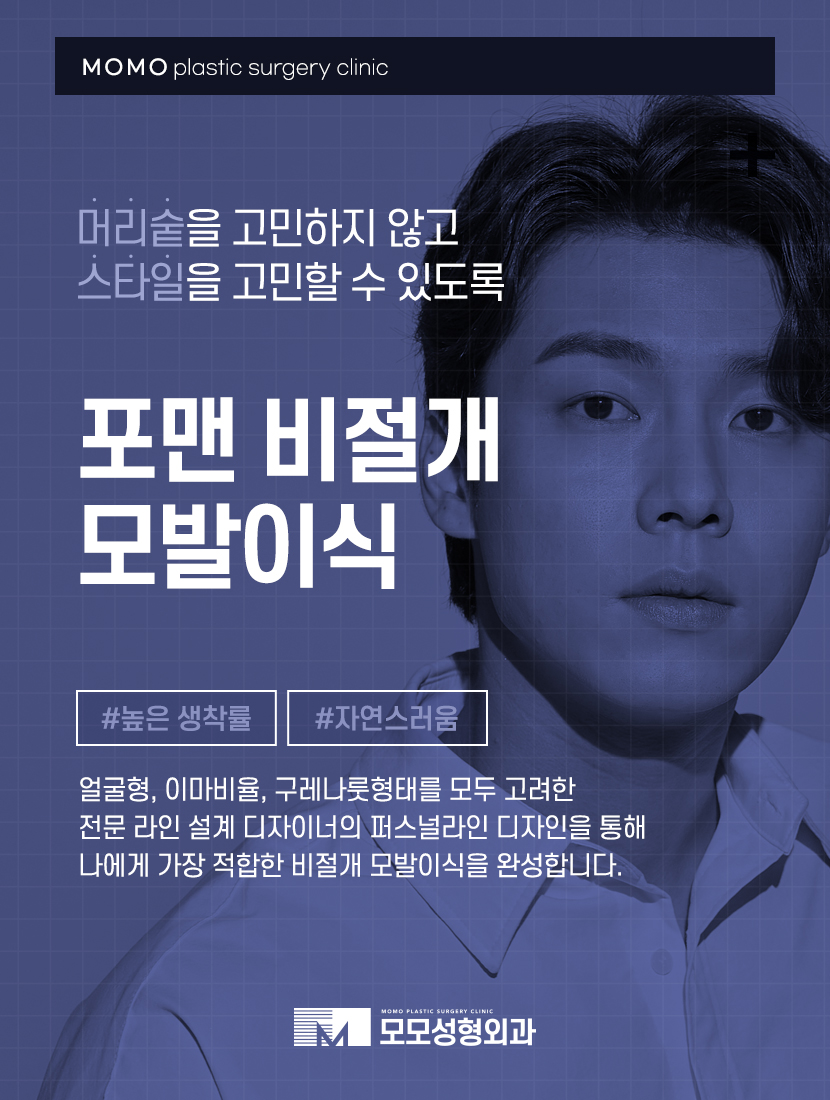
Some people even think that there will be no
pain at all, but this varies from person to
person, and the degree of pain felt is also
different, so it cannot be viewed uniformly.
There may be differences depending on the
method described above, but in general, some
of the pain may also come from the anesthesia
process. When performing large-scale surgery,
general anesthesia is often used, but in cases
like this procedure, local anesthesia is also
used to reduce non-incisional hair transplant
pain.
Therefore, safety is taken fully into account,
and instead of general anesthesia, which
carries risks, local anesthesia or, in some
cases, sedation is used. This can be decided
according to various conditions such as each
person's condition and sensitivity, and rather
than choosing on your own, it is advisable to
make the decision after a detailed and
sufficient consultation with the doctor in
charge.
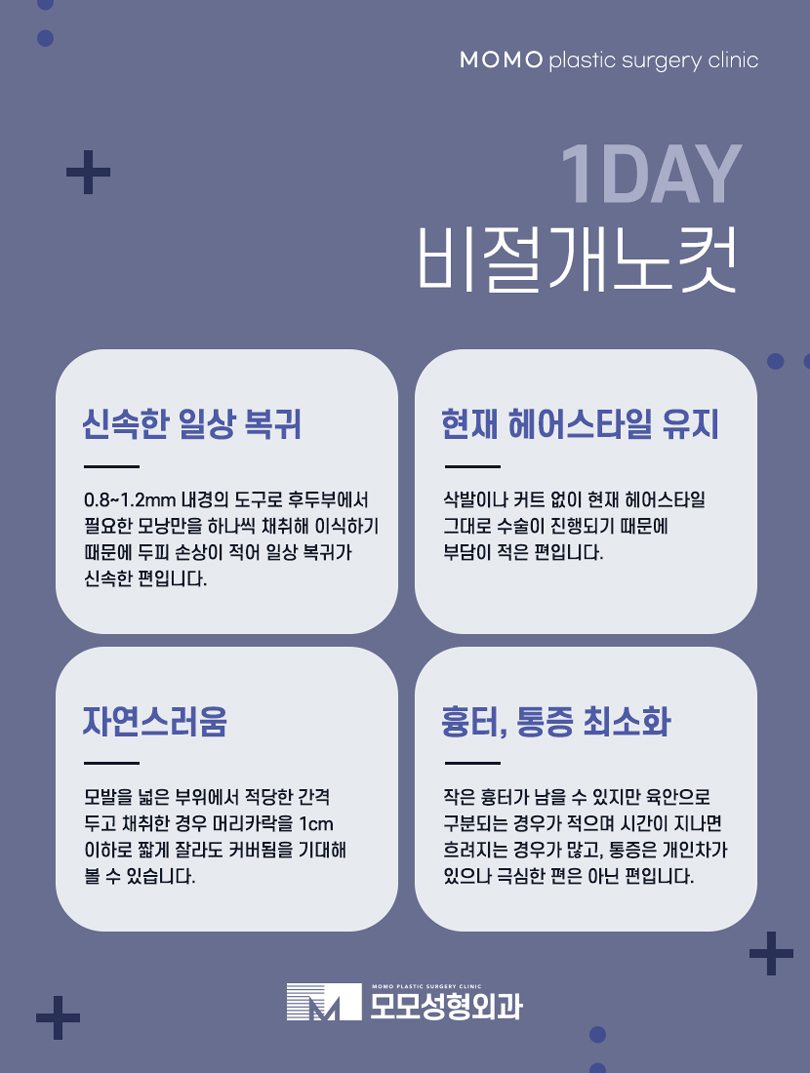
In addition, the non-excisional method involves
a process in which a tool called a puncher is
used on the scalp to retrieve the hair follicles.
It is performed after anesthesia, but depending
on the situation, the anesthesia may gradually
wear off, and the back of the head, where the
follicles were taken, may be accompanied by a
throbbing pain similar to being pricked by a
needle. Therefore, it would be good to allow
sufficient time for recovery so that the
non-incisional hair transplant pain can
gradually subside.
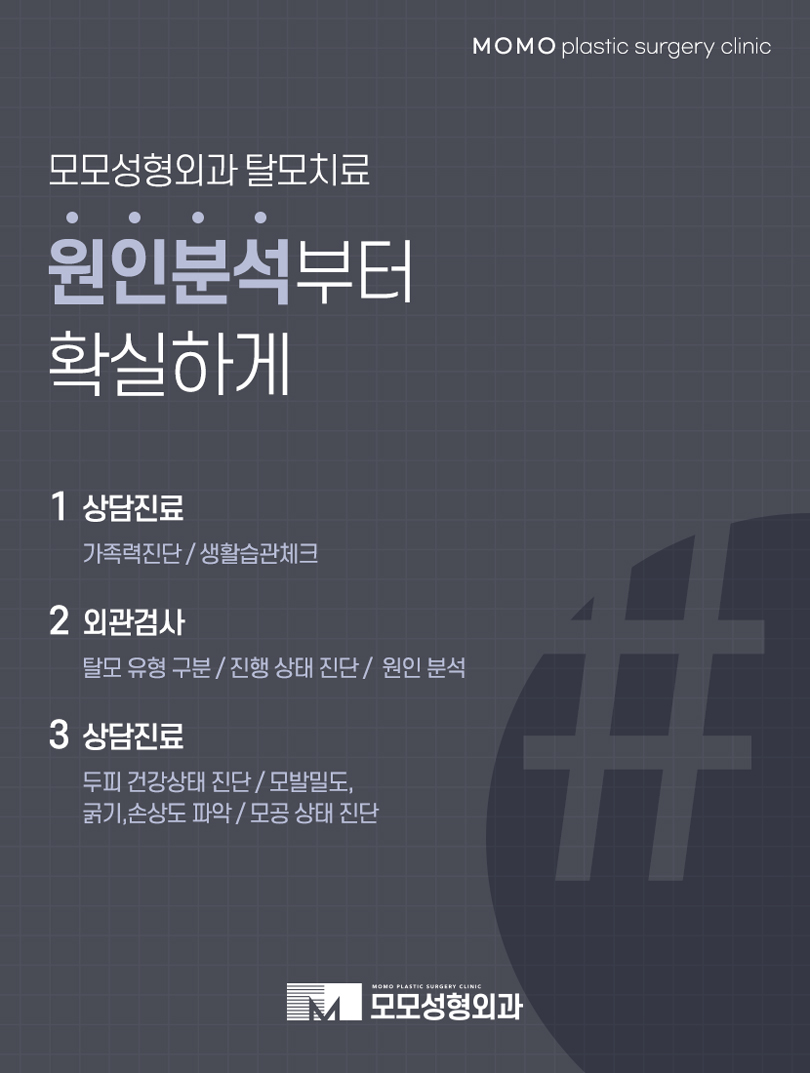
However, even this can vary completely from
person to person, so it is good to keep in
mind that there may be cases where there is
a pain at all, and cases where non-incisional
hair transplant pain is felt quite strongly.
Also, because the process of individually
taking each follicle is essential throughout the
entire procedure, it takes a long time, but the
step of suturing the skin is essentially removed,
so if you need to return to a busy daily life as
soon as possible, the time can be shortened.
And because scars or wounds are less likely to
appear on the back of the head, it is a
procedure that is likely to receive more
attention from people for whom time is
precious.
One more thing to keep in mind is that rather
than focusing only on non-incisional hair
transplant pain and insisting on a surgical
method, it is important to fully consider various
factors and, through in-depth consultation and
diagnosis with the doctor in charge, carefully
understand your own condition and
characteristics before choosing and following
the appropriate method.
It is also important to check what level of
expertise, experience, skill, know-how, and
technique the medical team performing the
procedure possesses. And to steadily maintain
the graft survival rate, which is considered the
key point of the procedure, self-care is
important, but postoperative care provided by
the institution is also a very important process.
So it would be beneficial to determine whether
they provide individualized care for each
patient in order to achieve a more satisfying
recovery.