People vary in terms of body parts, face shape, and
outer features such as their facial features,
and among them, the forehead may naturally
be wide in some people,
while in others it can become wider
over time even if it was not originally so.
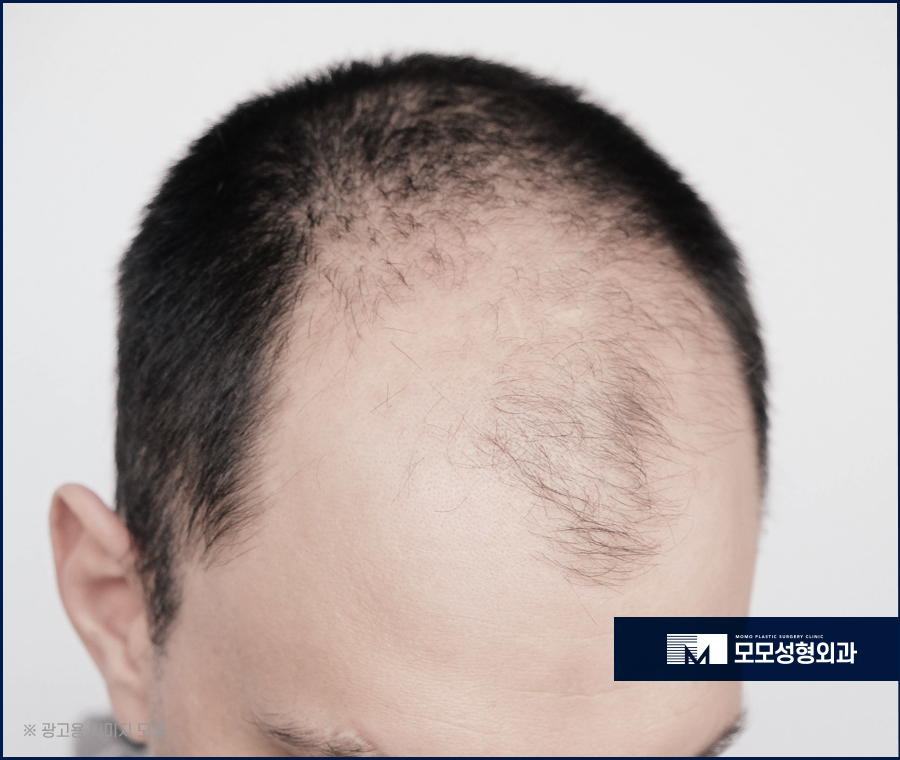
For example, it may appear as a symptom
of hair loss causing the forehead to
look broader. Depending on the pattern,
as the natural hair in that area gradually
thins and slowly begins to fall out,
the area where the scalp is visible becomes
wider. Also, if the boundary with the hairline
is not even and has an uneven line,
this can also become a major concern.
Even though there is already less hair,
you may want to style it, but it may feel
insufficient to cover the empty spaces.
You may try to hide it in your own way,
such as with dedicated makeup products or
partial wigs, but these may only provide a
temporary solution and may be difficult to
address the root cause.
In addition, once natural hair starts to
fall out, it does not grow back. If you do
not actively respond and only worry about
it while leaving it untreated, the symptoms
can become more severe, so taking proper
measures as early as possible can be helpful.
Among those who visit a clinic because of
such issues, some consider a wide forehead
hair transplant.
In the past, the proportion of middle-aged
and older patients was higher, but recently,
hair loss symptoms have appeared especially
in relatively young people in their 20s and
30s. They should be active in social life and
relationships while fully expressing youthful
energy, but instead, due to changes in their
appearance, many are said to suffer severe
psychological and physical stress and carry
great concerns.
In addition, because the areas where hair
is falling out appear irregularly across the
forehead and even the hairline, it disrupts
the overall balance of the facial shape and
features, making the person look much older
than their actual age and creating an image
that is not neat and may feel unappealing.
Because of this, many people become highly
interested in wide forehead hair transplant
procedures in order to improve it.
The reason it is preferred by many people is
that the area of concern is located in the
center of the face and is closely connected,
playing a significant role in shaping a
person's image. Therefore, with a wide forehead
hair transplant, it is necessary to carefully
check not only density but also hair thickness,
the direction and angle of implantation, and
other details.
Unlike the crown or occipital area, which are
generally made up of thick natural hair, the
forehead area is composed of natural hair
ranging from thinner strands to somewhat
thicker ones, so when performing a wide
forehead hair transplant, it is necessary to
collect follicles with various thicknesses.
To ensure the new hair blends naturally
without creating a visible boundary with the
existing hairline, density must be restored
smoothly. Also, since each person has a
different facial shape and differing ratios and
positions of the features, and because the
angles when viewed from the front or side,
as well as the sideburn area and other factors,
must all be considered for correction from
multiple angles and standards, it is important
to remember that the procedure should only
be carried out after a patient-specific,
customized personal design has been carefully
planned in detail.
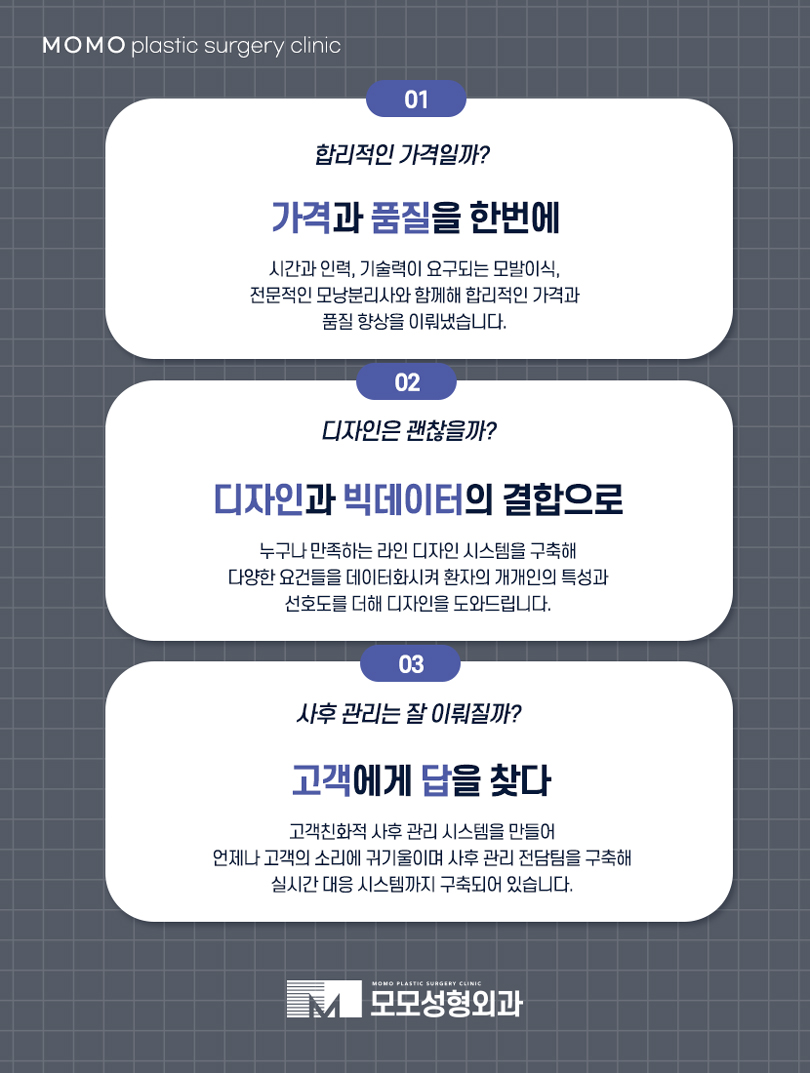
If these aesthetic factors are ignored and a
person rushes ahead without making the right
choice, focusing only on low cost and trying
to fill in density, they may end up facing a
completely unexpected result with very low
quality. This can lead to a major loss of both
time and money spent on the procedure, and in
severe cases, they may even have to undergo a
repeat procedure to obtain additional follicles.
It should also be noted that even if the area
of concern is small, the difficulty is by no
means proportionally low. Therefore, it is very
important to check whether the clinic has a
dedicated doctor on site with extensive
experience and know-how.
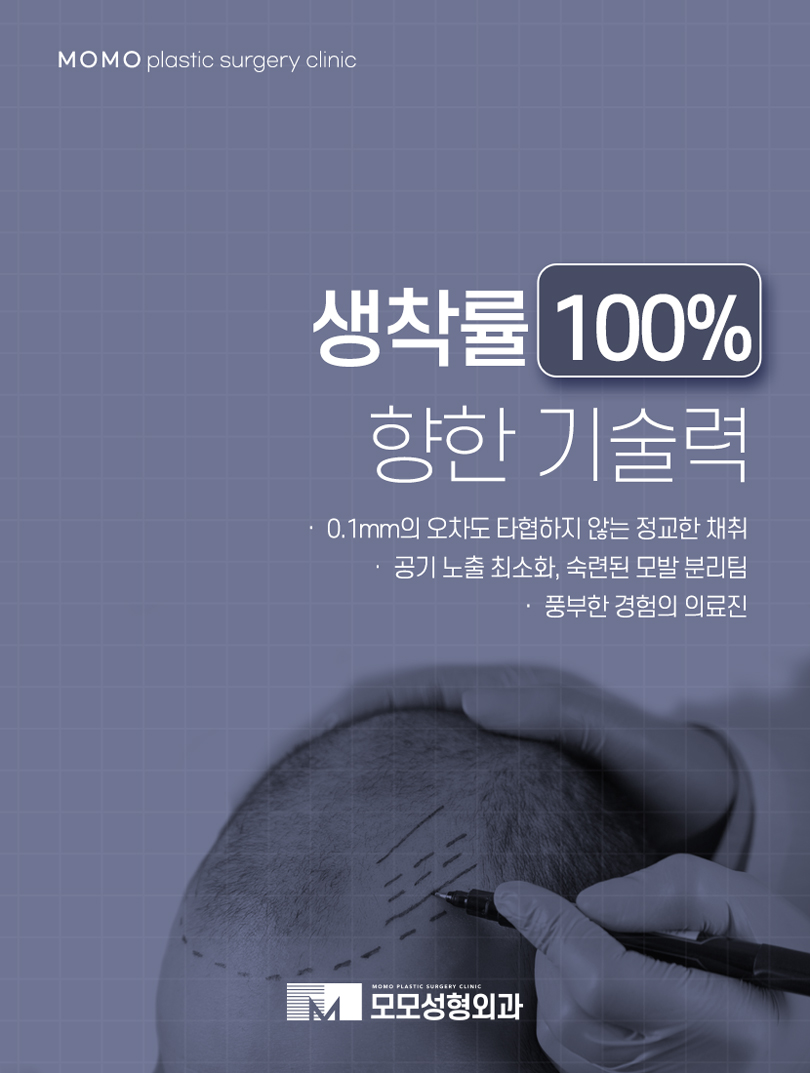
The method that can be applied for a wide
forehead hair transplant may vary depending on
the individual's current symptoms and condition,
but it is likely to be performed without an
incision. The doctor will directly and delicately
adjust each follicle one by one using a
technique backed by skill and experience.
Because it requires precise and meticulous
expertise, the skill of the medical team is
most important. It is also known as a method
that can create a natural effect as if the
original hair had always been abundant, and it
seems to be widely used for density restoration
in various areas.
However, because it is a manual procedure, it
may take a long time. Still, since it is not
an excision-based method, it does not cause
wounds or scars after the procedure. The time
needed for recovery is not long, so it is
possible to return to daily life right after
it ends, which is why it is well received by
people with busy schedules.

In addition, everyone wants satisfying results
that exceed their hopes, but the outcome can
depend on which doctor performs the wide
forehead hair transplant. Since choosing based
only on reviews or information found online
has its limits, it is advisable to visit the
clinic in person, clearly communicate the needs
you want, have smooth communication with the
doctor, receive detailed and thorough
consultation and diagnosis, and work together
to find specific ways to improve the condition.