
Unlike in the past, these days the number of young people worrying about hair loss and thinning hair is reportedly increasing.
This trend is happening for many reasons, including stress caused by the advancement of modern society, westernized eating habits,
irregular lifestyles, and environmental factors such as ultrafine dust.
Hair loss, which may not have been expected, can cause major or minor psychological and physical problems without you even realizing it,
and at the same time, it can greatly lower confidence and self-esteem, becoming a cause of difficulties in interpersonal relationships.
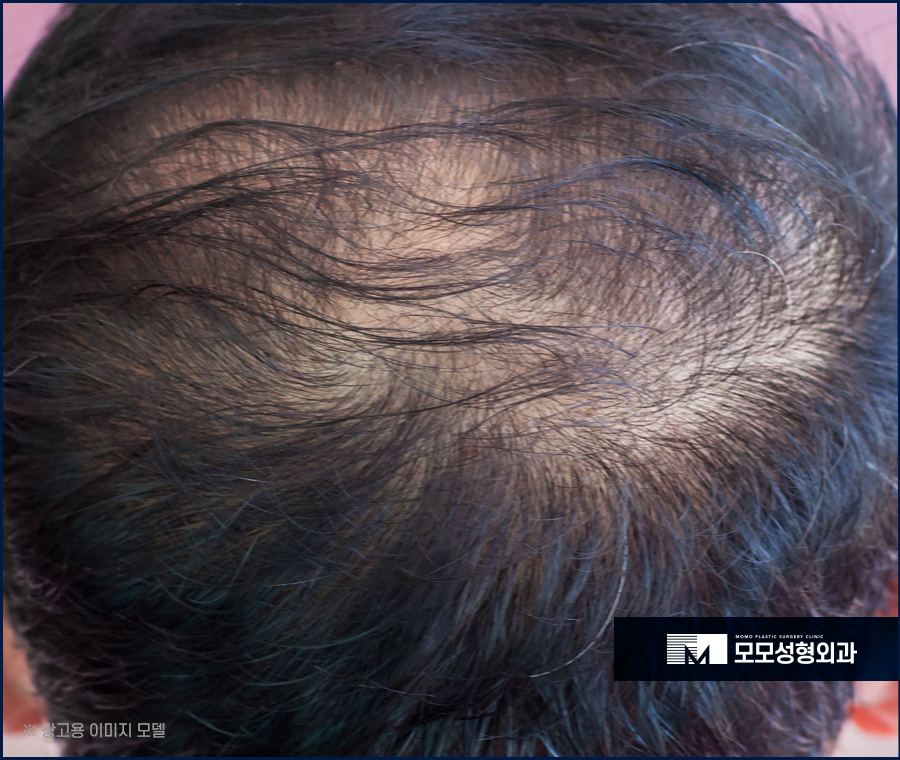
Also, for people in their 20s and 30s who place importance on appearance, if hair loss occurs, it becomes harder not only to change hairstyles but also to rely on clothing or makeup to compensate. The hair can leave visible gaps and a sparse appearance, causing severe stress. Because of this, many people try various methods and look for ways to prevent it from getting worse, such as applying or taking medicines and nutritional supplements, and regularly eating foods that may be helpful. However, the methods they have tried hard to follow are only temporary measures, and I think they may even worsen the symptoms of hair loss if approached incorrectly.
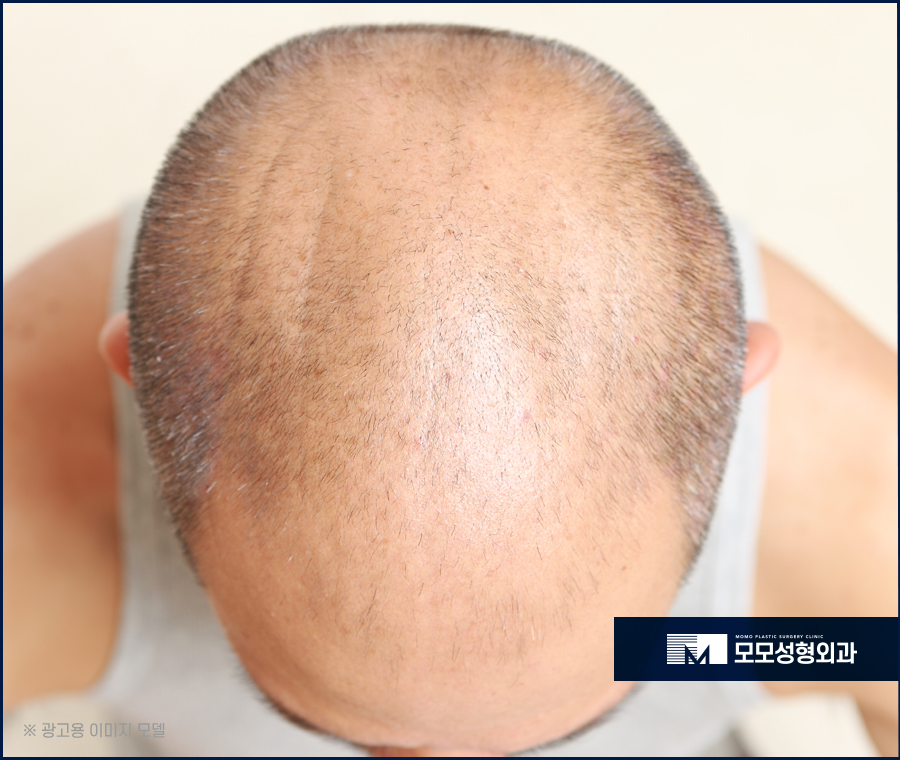
So, when people experiencing this issue look for efficient solutions through related materials, the part they often consider more important is making inquiries about the cost of a 3,000-hair transplant. Since this is not a standardized price like a restaurant menu, it is only natural to have questions.

The cost of a 3,000-hair transplant first depends on how far your current condition has progressed, which means deciding how many follicles to harvest and how they will be harvested, and the method may also differ. For example, even if it is the same procedure, each person has different characteristics and symptoms in their natural hair, and individual factors may also be discovered later, so a detailed examination of the visible symptoms together with the specialist is necessary.
In addition, since the cost of a 3,000-hair transplant is applied as a non-covered service, it is good to keep in mind in advance that the amount can vary widely from one institution to another. Therefore, it is essential to carefully consider how much you can afford for the amount needed for implantation, as well as the condition of the scalp and the stage of symptoms, and based on that, you can determine what level of treatment can be carried out.

If you are experiencing a disease that causes natural hair to fall out and your concerns are increasing intensely due to various factors, the most direct solution would probably be a method that can somehow increase the amount of hair. However, you need to make sure this improvement plan is suitable for you. If it is an early stage and not much progression has occurred yet, it may be eased with medication because it has not advanced in earnest. But if the symptoms have already worsened and a wide area of the scalp appears empty and sparse, the methods that need to be considered according to that range may become more difficult, so the medicines mentioned above may be too weak in effect and it may be hard to get results that meet your expectations.
Unlike women, men generally need medication-based treatment overall, but because the effect feels slow and it is difficult to see obvious changes, many people end up looking into the cost of a 3,000-hair transplant.
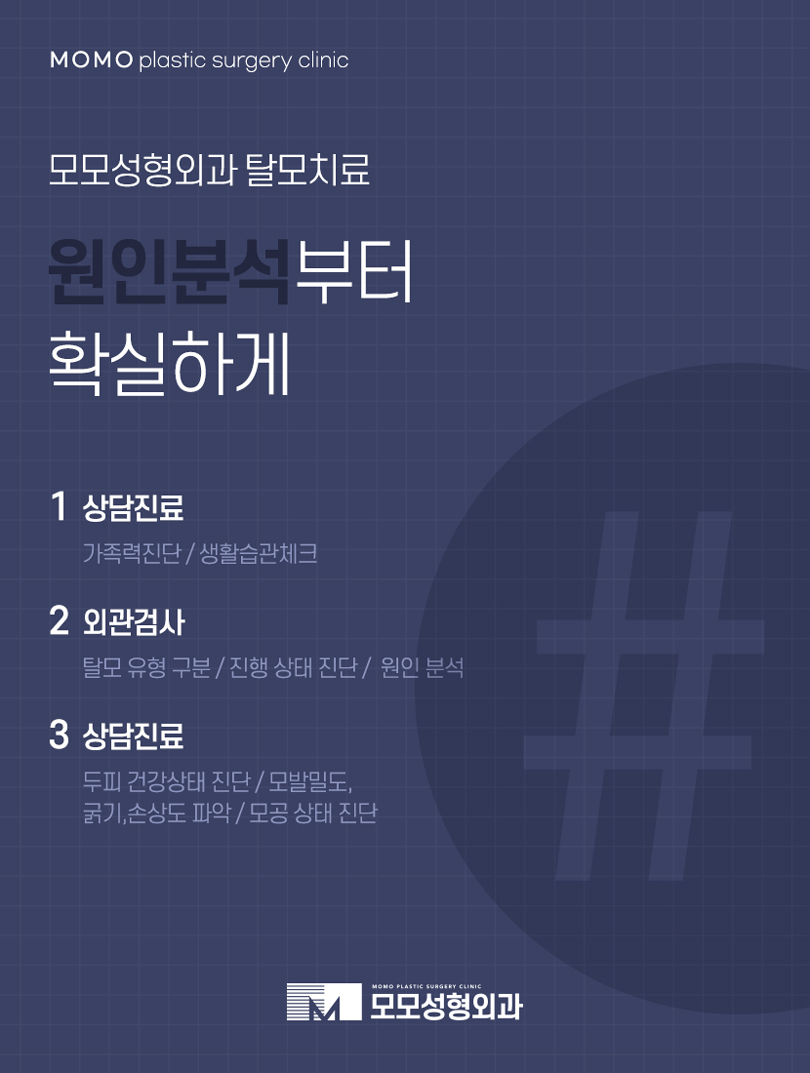
As mentioned briefly above, the price needed for the procedure can decrease or, conversely, increase depending on the number of follicles being implanted. For example, in the case of non-incisional procedures, which are relatively easier to recover from and have high satisfaction, the price can vary widely from around 3 million won to the 10 million won range.
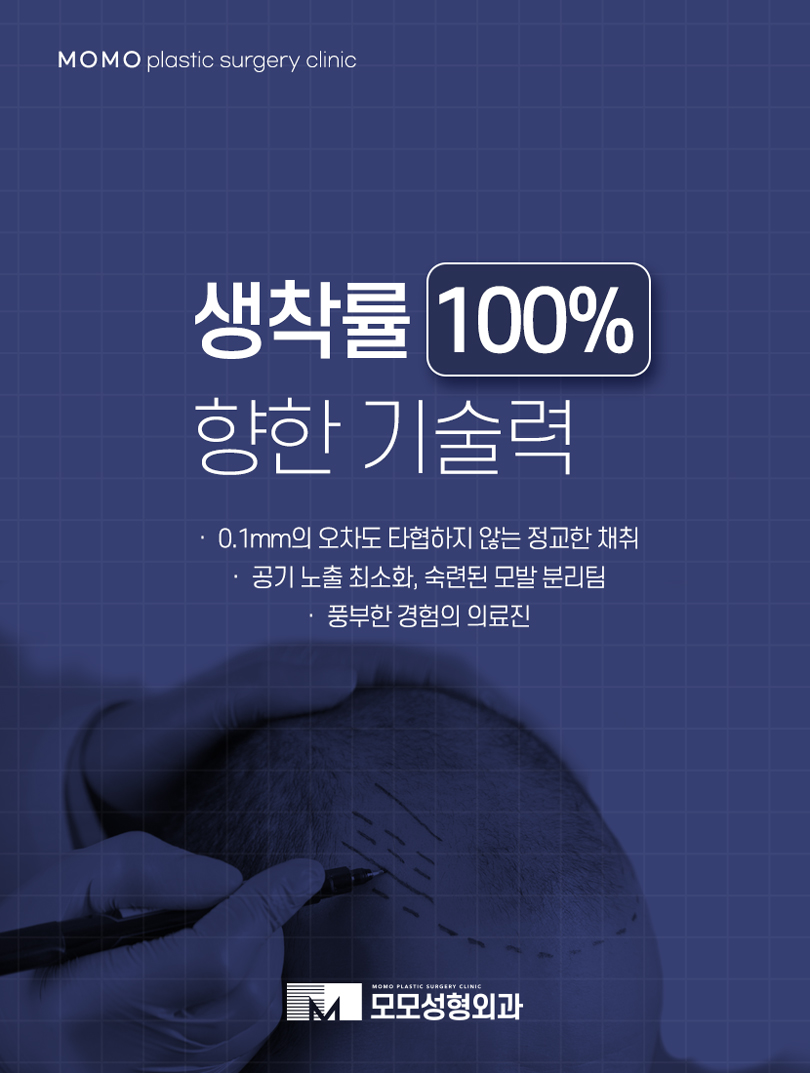
Also, depending on how the anesthesia system is introduced during the procedure, it can affect the cost, and because the amount is measured differently depending on whether the method is incisional or non-incisional, that is, depending on the procedure, it is good to keep this in mind. In addition, not only the cost of a 3,000-hair transplant but also the related fixed expenses that continue to be necessary after treatment should be considered. Depending on the condition, medication treatment may also need to be accompanied, so it may be helpful to take that amount into account as well.
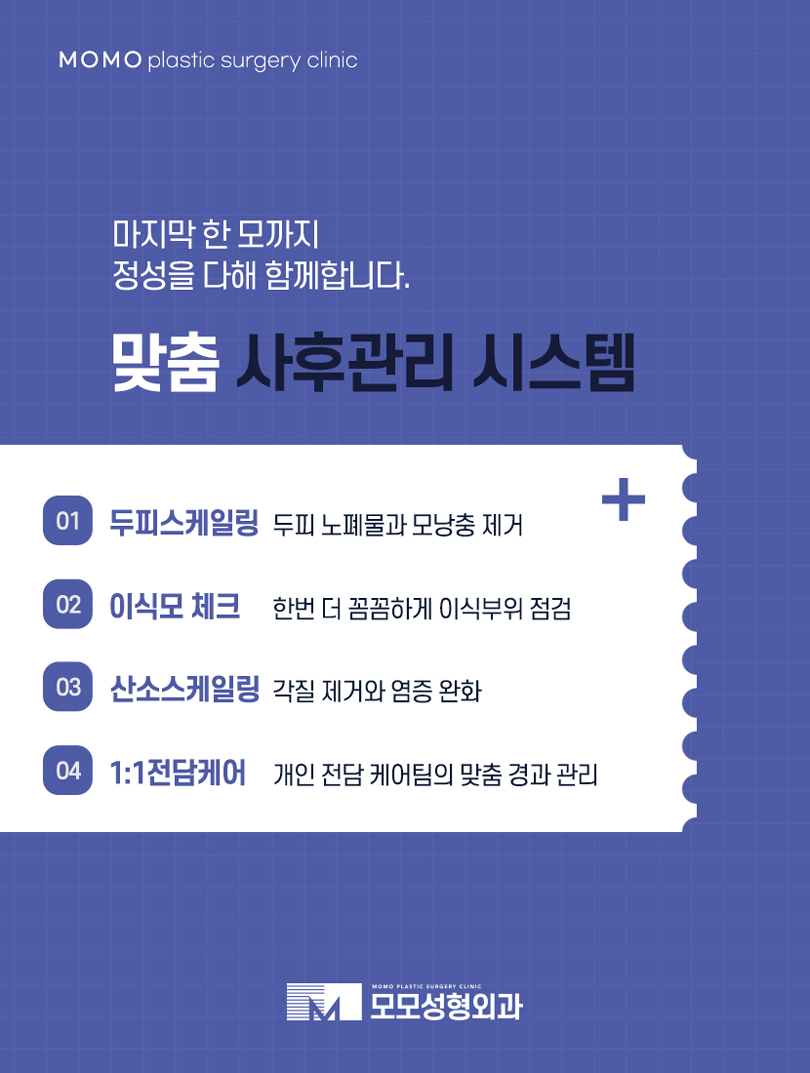
This method is not a procedure that ends simply by planting hair. Only when the implanted follicles settle properly and grow stably through continuous observation and delicate care can you get closer to the outcome you wanted, so it is advisable to keep in mind in advance how much room you have financially. The implanted follicles are hardly affected by hormones, so they can be maintained permanently, but the hair you originally had may fall out through the natural growth cycle. Therefore, it is important to understand and follow the instructions provided by the institution and manage it actively.

It is said that the number of hair loss patients in Korea has recently surpassed 10 million, and it has now become an issue that can no longer be taken lightly. Therefore, you should pay attention to the condition of your own scalp and natural hair and make an effort to maintain healthy hair. Even hair shedding symptoms that may seem minor can spread to a serious level if left unattended, so if such a condition is observed, it is better to compare the cost of a 3,000-hair transplant, visit the relevant institution or clinic without delay, undergo a detailed consultation, receive an accurate diagnosis, and then take appropriate measures.