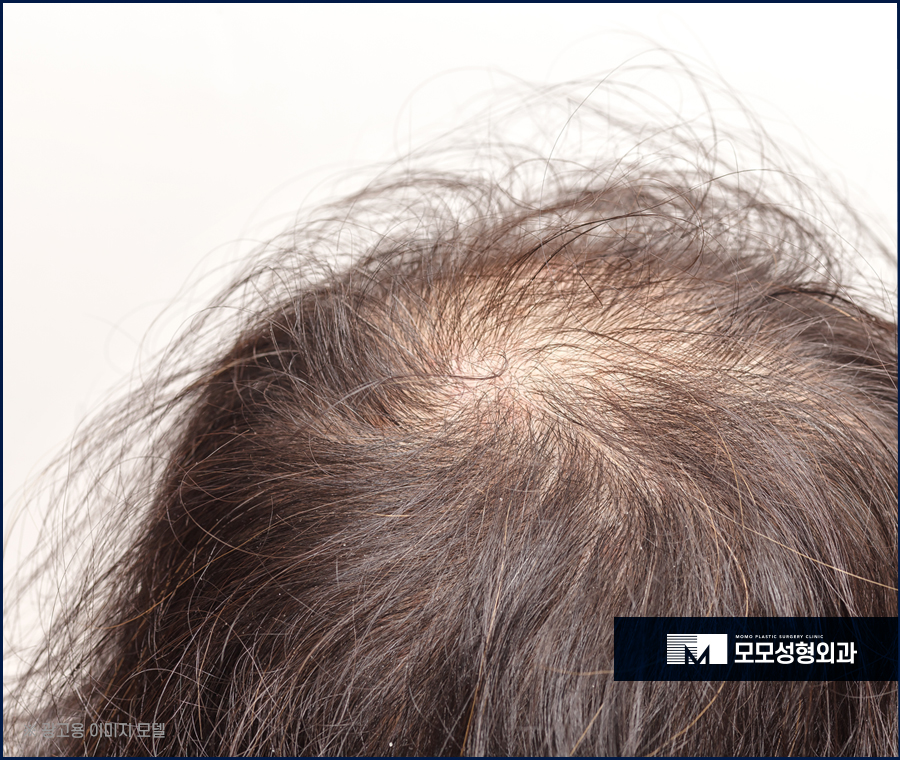
When we look around more than we might expect,
hair that once seemed healthy can suddenly
start to fall out little by little, and then the
area gradually becomes thinner and more
open, along with a lack of hair volume.
Because of this, people may experience
psychological or physical stress and deep
concern, and their confidence or self-esteem
drops sharply, to the point where many begin
to avoid going outside, meeting people, or
engaging in the everyday activities they used
to do normally.
It is said that the number of people suffering
from hair loss has reached 10 million. If in
the past it was limited to middle-aged and
older adults, in recent years the number of
people experiencing various types of symptoms
has been steadily increasing year by year,
regardless of gender or age. In particular, as
it has been revealed that the number of
patients in their 20s and 30s is increasing,
more people are becoming deeply concerned
and trying to improve the condition on their
own, and the related market is also said to be
developing rapidly.
If the symptoms are relatively early-stage,
improvement may be expected through simple
measures such as medication or injections.
However, if the condition is severe or has
worsened to the point that it is difficult to
hope for improvement with simple methods,
people may look for helpful information and
visit a clinic to ask about it. Among them,
some people are curious about Sinsa hair
transplant.
Hair loss can also occur suddenly for various
reasons even without a genetic factor. Possible
causes include hormonal imbalance, excessive
stress often described as the source of many
illnesses arising from study or work, irregular
or unbalanced lifestyle patterns and eating
habits, frequent perming or dyeing/bleaching
for styling, excessive weight loss, and childbirth.
Also, if you judge the amount of hair falling
out yourself and realize that far more hair is
being shed than before, it may be best to visit
a clinic as soon as possible without delay. This
is because the nature of androgenic hair loss
itself is that the amount shed will gradually
increase over time and the speed will slowly
pick up, so if appropriate action is taken
early, as much hair as possible can be saved.
In addition, once the scalp has experienced
hair loss, it is extremely difficult to return it
to its original state, so it is important to start
management early. Since no clear solution has
been established for this condition at this
time, preventing it in advance can be said to
be the proper solution.
However, if this timing is missed and the
condition is left unattended until the symptoms
have already worsened, improvement through
Sinsa hair transplant may be one option. The
available methods are broadly divided into
incisional and non-incisional approaches,
depending on whether tissue is cut or not.
In the past, when androgenic hair loss had
progressed significantly and a large amount of
hair needed to be implanted, the incisional
method was used.
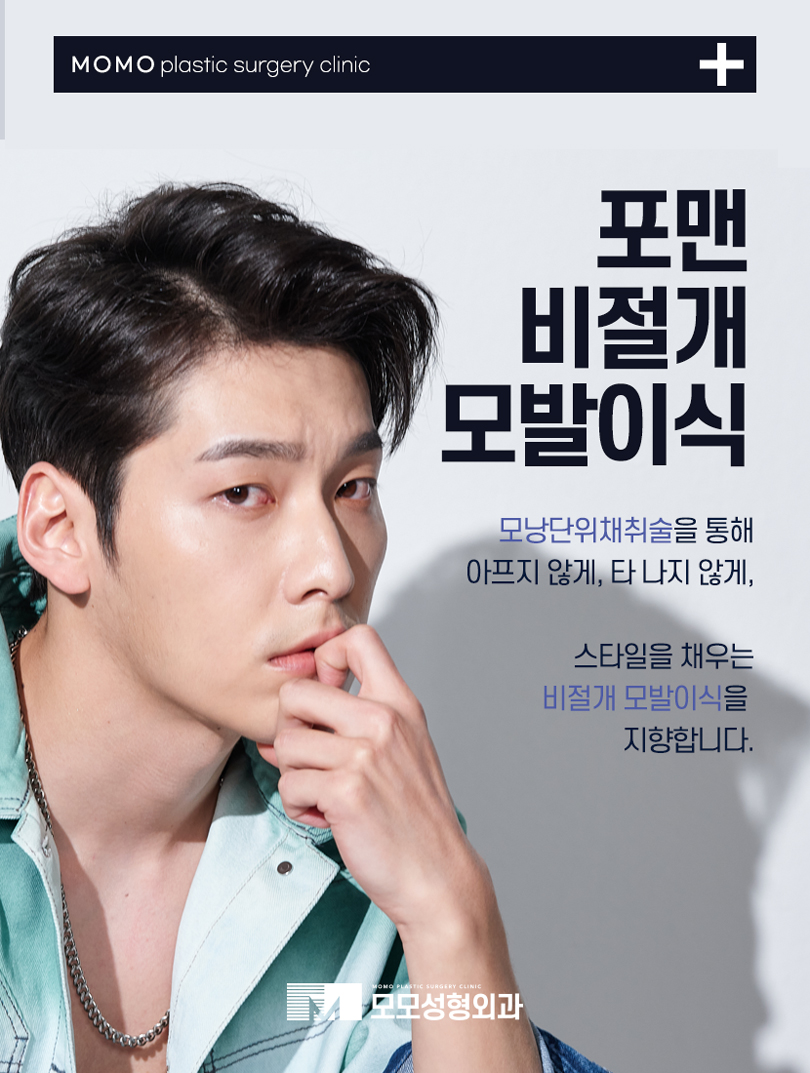
However, due to recent advances in related
technology, it has become possible to harvest
a large amount and perform the procedure in
one session without incisions, so some people
considering Sinsa hair transplant prefer the
non-incisional method more. If an incision is
made, it literally involves cutting the scalp,
which can lead to follicle loss and may require
a longer recovery period. There is also the
possibility of pain, wounds, or scars.

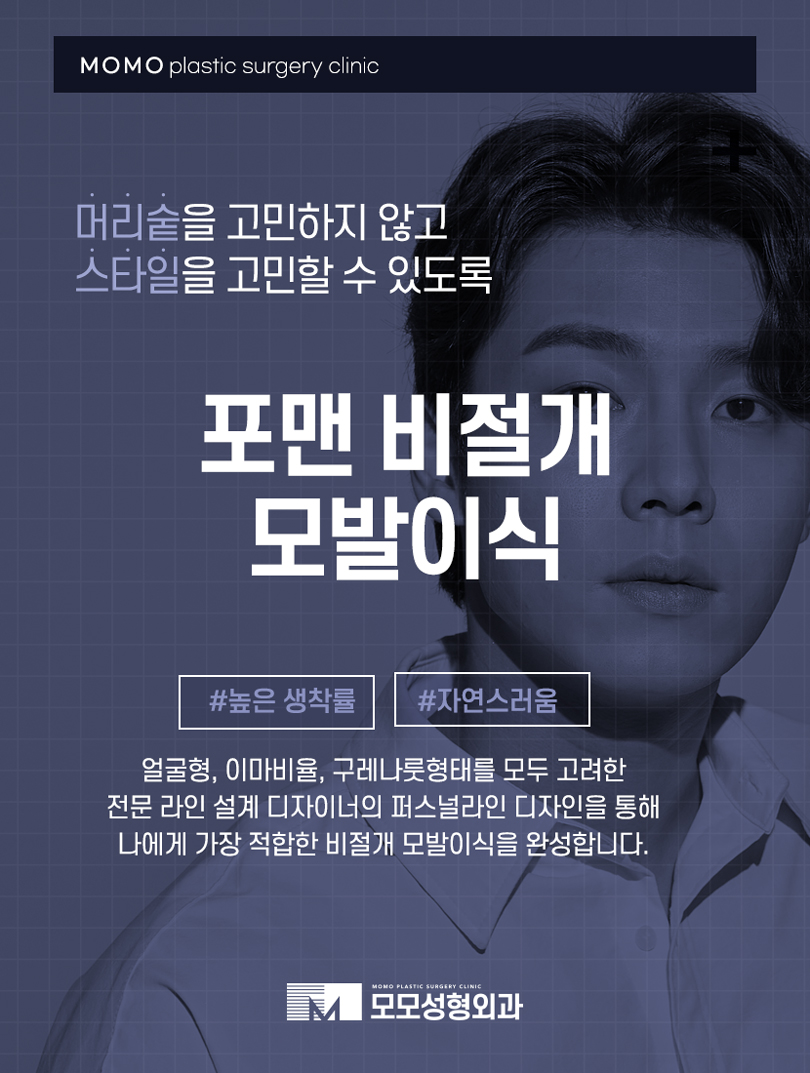
By contrast, the non-incisional method directly
selects the follicles needed for implantation
and carefully harvests them one by one, so no
follicle loss occurs. It also allows for a natural
and delicate result that can meet the desired
needs, which is why satisfaction tends to be
high. In addition, because the area cut is very
small and not easily noticeable, the recovery
period is short, making normal daily life
possible from the day after surgery. For busy
modern people with limited time, Sinsa hair
transplant can be one suitable option.

Before proceeding with Sinsa hair transplant,
the standard that must be carefully examined
in advance is whether the surgery is performed
after a detailed understanding of the unique
characteristics and current condition of the
individual’s hair. Just as every person differs
in face shape and facial features, the
characteristics of each person’s hair are also
different. And because the visible scalp and
overall hair texture differ, it is advisable to
look closely from multiple angles at details
such as the direction in which the natural hair
grows, the overall proportions of the face and
each area, the composition of fine baby hairs,
and even the sideburn area. It is desirable to
carefully design a personalized plan that suits
the individual and choose the appropriate
method in order to produce a more refined
result.
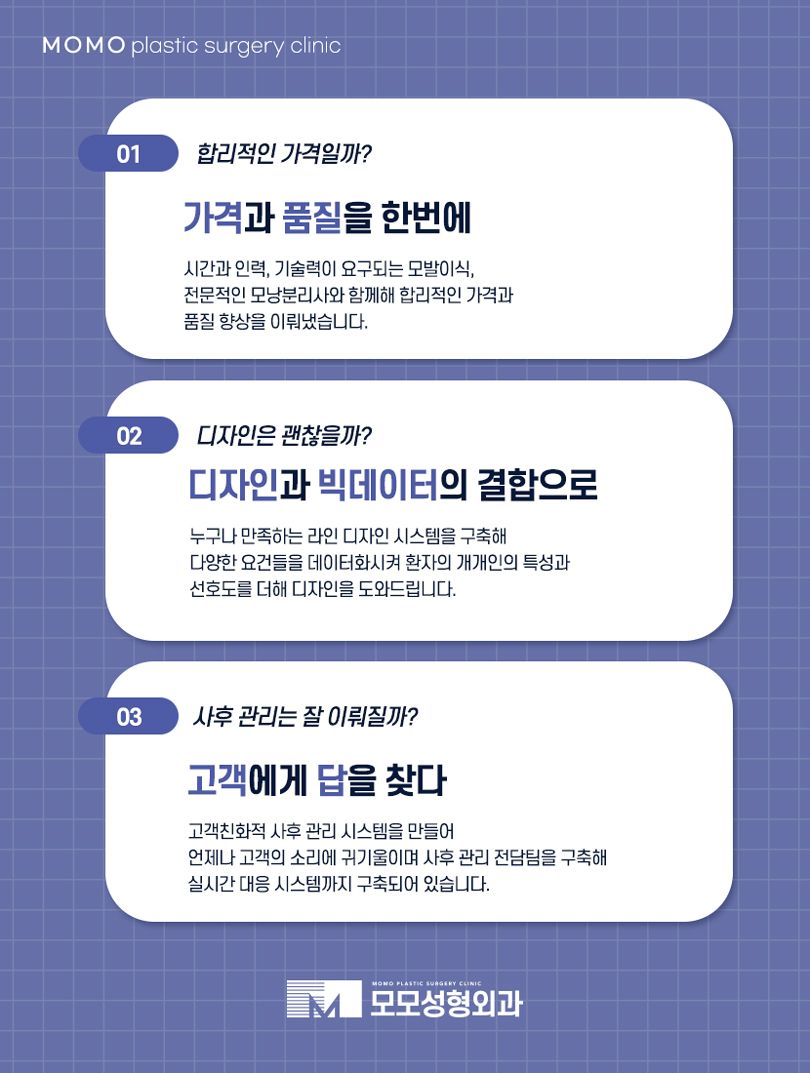
Also, to achieve the results one is aiming for,
Sinsa hair transplant depends greatly on the
years of experience, rich know-how,
technique, and skill of the medical team
carrying out the procedure. This is why extra
care is needed when choosing both the method
and the team. From the first consultation to
the surgery itself and the final stage, including
aftercare, it is important to check carefully
and in detail whether the team always takes
responsibility and responds quickly, and
whether the clinic provides patient-specific
dedicated care and continued attention after
the procedure for stable graft survival, which
can be one of the key factors in the treatment.