As modern society continues to develop,
the ways people express each individual's
abilities, skills, and the power to attract
others' attention are also changing.
Among these methods, there are many
factors, but among them, appearance is
certainly an important requirement that
cannot be ignored. This is because a
person's inner character is difficult to know
unless you are very close, but if they have a
generally neat and tidy appearance, their
impression and image tend to come across
more favorably. For that reason, many people
pay attention to and manage their overall
appearance condition.
�
�
To maintain a healthy body, people may
adjust their diet to include a balanced intake
of essential nutrients, exercise at a moderate
intensity, lose weight, keep up with the latest
trends to improve their clothing or makeup,
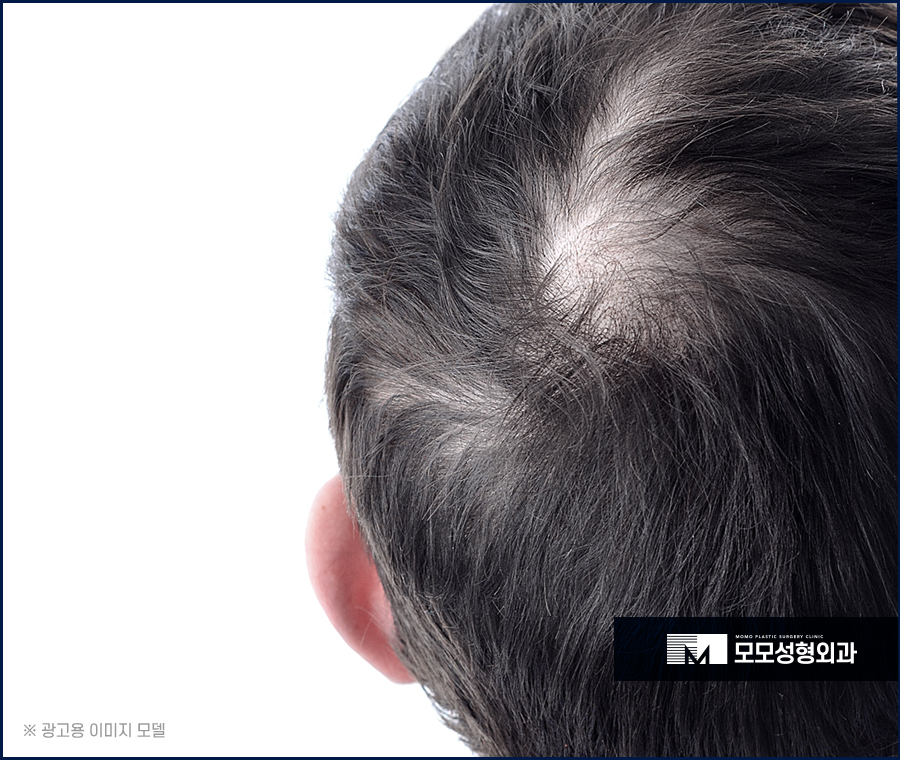
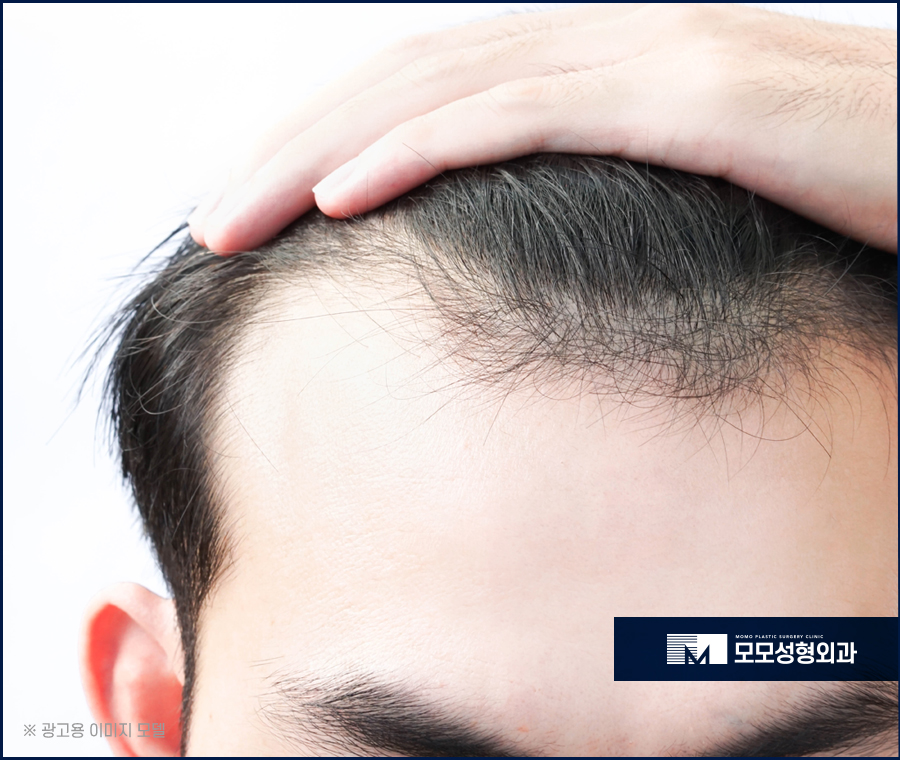
and even try changing their hairstyle. But
suddenly, without realizing it, the boundary
between the forehead and the hair may have
become irregular and uneven, and the
forehead may seem wider. Then, in order to
figure out why such symptoms have appeared
and look for a way to improve them, people
will spend time and effort searching for
answers. While looking into related
information, some may feel that relying on
their own guesses is not enough and visit a
clinic to have a detailed consultation and
look for a solution while asking about hairline
hair transplant side effects.
�
�
The procedure carried out on the area of
concern is performed through careful
consideration from many angles and in
accordance with the right decision. Hairline
hair transplant side effects are among the
less common types of surgery, and because it
does not use natural hair from a third party
but instead uses the patient's own hair for
implantation, it is a method that may not
cause significant rejection within the body.
�
�
However, because each person has a different
condition and different characteristics, hairline
hair transplant side effects can sometimes
appear. During the management period after
the procedure, once the dormant phase passes
and the implanted hair gradually begins to
grow, one possible issue that may be seen is a
curly hair appearance. This phenomenon is a
common symptom and is not necessarily
considered a negative reaction. It simply
means that the follicles are growing in a new
environment and have not yet fully adapted,
so the hair texture may look different from
before. As time passes and things stabilize,
they settle into place and grow in a way that
closely resembles the original natural hair,
so there is no need for major concern.
�
�
Another representative symptom counted as a
hairline hair transplant side effect is the
crust that looks like frog eggs.
The reason this frog-egg-like phenomenon can
appear is said to be that the surface of the
skin tissue attached to the follicles during the
procedure is slightly exposed outside the
scalp and hardens, forming a type of crust.
This symptom can usually appear during the
engraftment period and in most cases heals on
its own without conscious effort. However,
because it looks strange and awkward, people
may touch it too often with their hands, and if
frequent touching continues, or if they forcibly
remove it because the appearance feels
disgusting or unpleasant, the hard-won
implanted follicles may also come off. For this
reason, it is best not to apply strong刺激 to
the area as much as possible.
�
�
Also, if these symptoms do not show signs of
improvement and are accompanied by pain,
or if there are inflammatory conditions such
as folliculitis, it is recommended that you do
not hesitate to visit the institution where the
procedure was performed as soon as possible.
If treatment is needed, receive care suited to
your condition and also have a consultation
about the progress. In addition, at the stage
commonly referred to as the dormant phase, it
is known that about 80 to 90% of the total
amount of implanted natural hair falls out.
Some people, surprised after accepting this as
a hairline hair transplant side effect, contact
the clinic.
�
�
However, there is no need to worry too much,
because this is simply a very natural process.
After the implanted follicles settle in securely,
they are in the stage of pushing out the
existing implanted hairs that were damaged
from stress during the implantation process in
order to produce new, healthy hair, so you
can simply wait patiently. There is also a
possible accompanying shedding phenomenon,
and this symptom, it is said, can occur solely
depending on the skill of the doctor who
performed the procedure.
�
�
When planting the collected hair, if the
surrounding healthy existing hair follicles are
affected, the implanted hair and the existing
hair may collide inside the scalp and fall out
together. In such cases, neither type of hair
remains in the affected area, leaving it empty,
and if a large amount of shedding is observed,
a decrease in density may result. Shedding
can occur in other stages as well, so it can be
difficult to classify it as a hairline hair
transplant side effect, but the extent to which
it is reduced may differ.
�
�
Therefore, to achieve an abundant result with
the right density and to fully consider design
elements such as the balance of facial shape,
facial features, and forehead, as well as the
various thicknesses and characteristics of the
patient's natural hair, it is important to
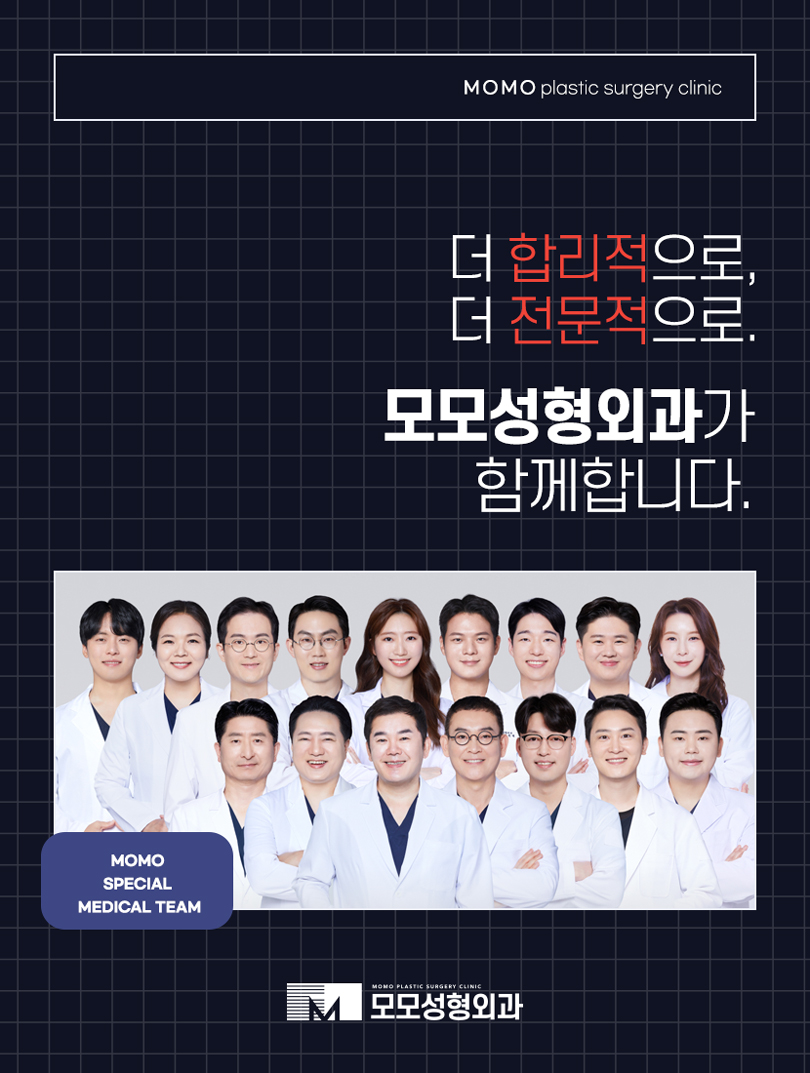
carefully determine whether the clinic staff
are genuinely responsible from consultation
and diagnosis through the procedure and after-
care, whether they have years of experience
and the expertise, technique, and know-how
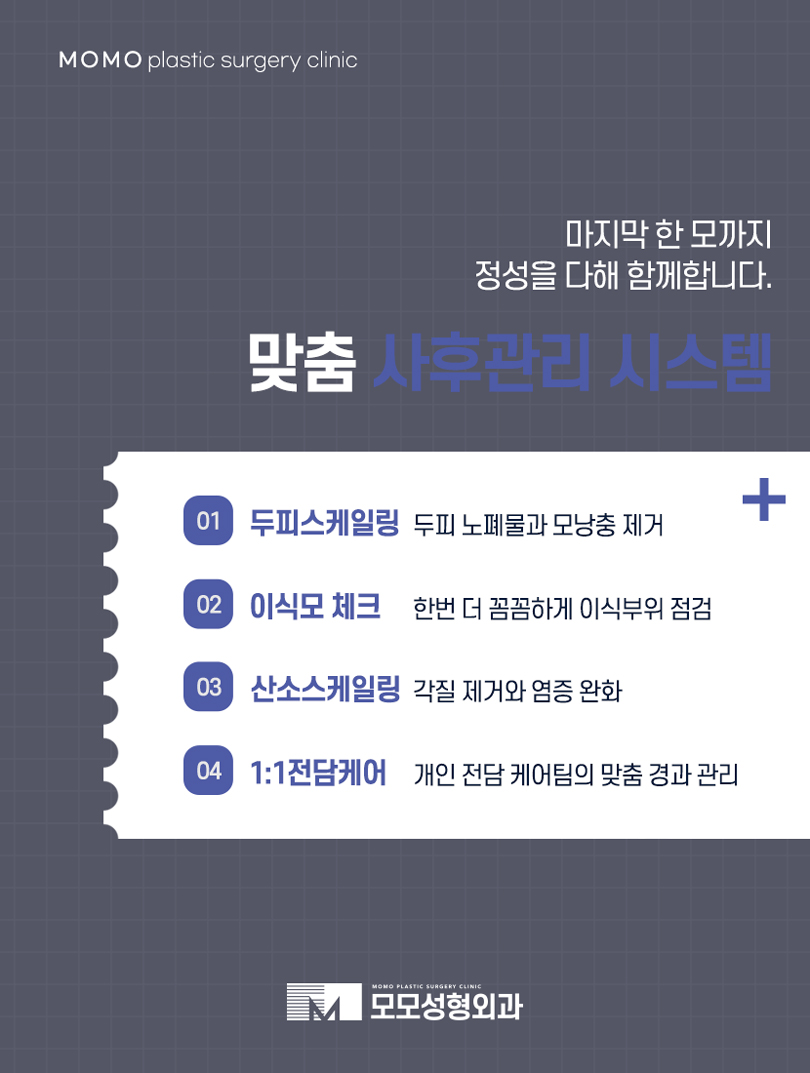
that come with it, and whether the follow-up
care is also systematic with a customized
system in place so that appropriate measures
are taken in sequence. It is advisable to make
your decision only after considering these
various criteria from many angles with great
care, while closely checking to make sure that
the hairline hair transplant side effects
described above do not occur.
�