In the past, that was not the case, but in recent years
hair loss is no longer
a condition limited to middle-aged and older men.
Regardless of age or gender, the number of people
suffering and struggling because of hair loss symptoms
is gradually increasing,
and it is said that the number of patients with related conditions
is approaching 10 million.
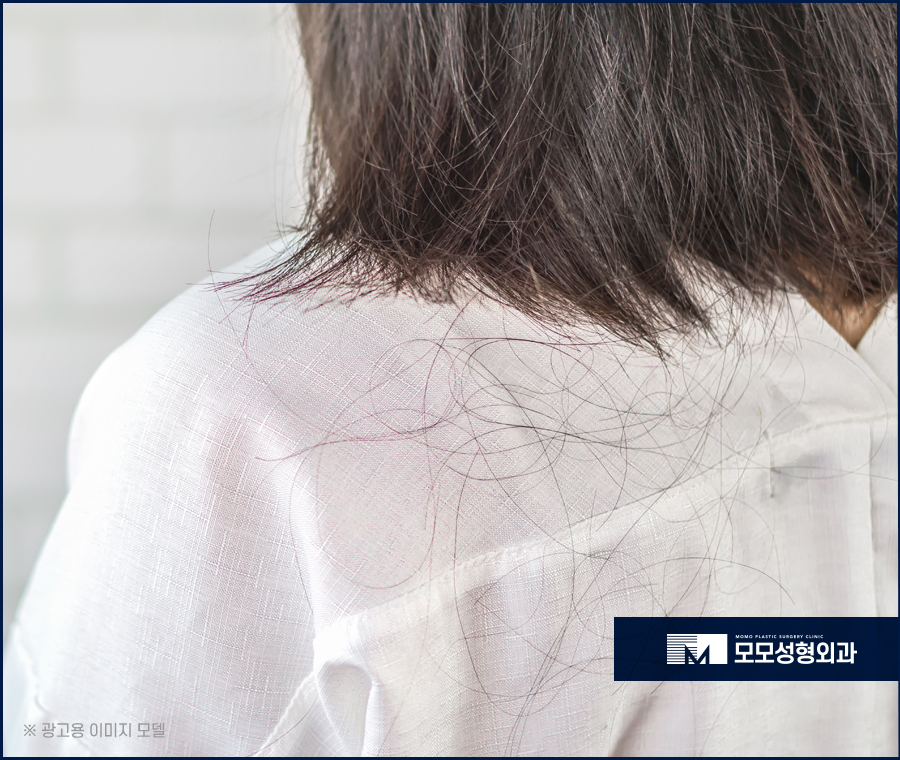
As such, the symptom of natural hair being lost and
leaving the scalp empty can occur due to many different factors,
such as genetic reasons, abnormal hormone secretion,
and various levels of stress that appear in different situations.
As hair loss appears, more and more people are
experiencing severe psychological and physical pressure and anxiety,
and this has moved beyond being a personal issue
to becoming a social phenomenon.
For that reason, people looking for ways to
slightly ease their symptoms have also increased,
and they try various approaches such as folk remedies,
dedicated products, wigs, and more. However, recreating
hair that has already fallen out is extremely difficult,
and people come to realize that while these methods
may offer temporary effects, they are insufficient
for solving the root cause.
That is why, these days, the number of people seeking medical help
and visiting relevant clinics to ask about treatment methods
has been increasing significantly over time.
In fact, implanting hair anew is by no means an easy process.
Although symptoms tend to appear more easily than before,
recovering from them and restoring the former fullness,
or creating something that did not exist before,
is certainly not simple.
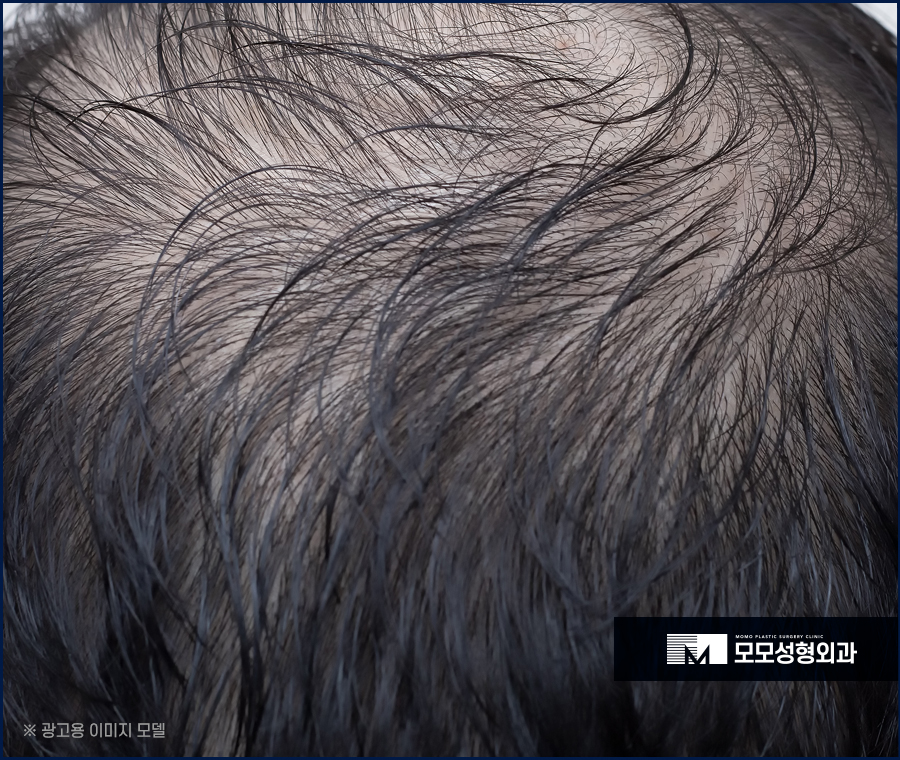
There is the cost factor as well, but in the process of
obtaining hair from another area and filling the empty spaces
that are causing concern, pain or discomfort may occur.
Even if the implantation is completed through the step of
harvesting healthy natural hair from the occipital or temporal area,
where hair loss has had little effect, and transplanting it into
the empty areas to reconstruct the placement,
it is not advisable to regard everything as finished.
That is because the procedure alone is not everything.
Of course, obtaining natural hair and transplanting it is important,
but it does not end with the implantation itself.
Afterward, one must also observe whether the transplanted follicles
settle in stably and healthy hair grows again.
Therefore, the key in the entire procedure is how well hair growth
is achieved, and that is also where the focus is placed.
Even after the procedure is finished, extra care must be taken
during the hair transplant graft survival period.
By paying attention to the probability of how well the grafts settle
and thinking carefully about how to improve that rate,
you can achieve satisfying results.
In general, the hair transplant graft survival period is said to take
about two weeks on average before the transplanted hairs settle firmly.
Also, more than 90% of the natural hair can take root within 24 to 48 hours,
but this may vary depending on each individual's constitution and type.
Therefore, the period that requires the most careful management during
the hair transplant graft survival period is from immediately after the procedure
until about two weeks later.
At this time, it is not a matter of all the implanted hair taking root;
only when it properly settles can you eventually see the appearance you wanted and dreamed of.
Usually, in Korea, it is considered that satisfactory results have been achieved
when an average of more than 80% of the natural hair has taken root.
The most important factor that determines the hair transplant graft survival period
is the tissue at the root area, or more precisely, the stem cells in that area,
which are transplanted.
If the procedure is performed well and the grafts settle properly,
then later, even if scabs form and hair falls out,
the hair will shed while leaving the hair root behind,
and only then can true natural hair be secured.
The less scabbing that appears after the procedure,
the more it can affect extending the time.
If a scab comes off, it is better for it to fall off naturally and gradually,
but even if it detaches quickly, it is not likely to cause a major problem.
The reason can be understood as being related to the hair transplant graft survival period
mentioned above.
Since 24 to 48 hours have already passed by the time the scar heals and settles,
even if a scab falls off early, if it happens within that time frame,
it is not considered to have a major effect.
However, it is best to refrain as much as possible from forcibly removing it
or engaging in actions that are not good for scalp health.
Therefore, post-treatment care is also an important factor,
and this is why its importance is emphasized even more.
For that reason, providing sufficient moisture can help minimize scab formation
early in the procedure.
Drinking water regularly in moderate amounts to keep the body hydrated,
and caring for the area so that no issues arise during the adjustment period
for up to about two weeks according to the precautions given by the clinic,
is necessary.
It is important to consistently follow the instructions received from the doctor,
such as how to shampoo and how to disinfect yourself.
In addition, during the hair transplant graft survival period,
alcohol and smoking should especially be avoided.
Because alcohol and cigarettes can constrict blood vessels
and have risk factors that may cause inflammation,
it is advisable to be careful and avoid them since they can have adverse effects.
Another thing to be cautious about is exercise.
If the body is moved too much, sweat is produced,
so it is best to refrain from activities such as saunas, jjimjilbangs,
and sports for the time being.
Generally, after about three weeks, light movement-based activities become possible,
and after one month, full-body exercise is possible,
but if pain or irritation occurs in the area where the procedure was performed,
it must be stopped immediately.
Therefore, the precautions provided by the clinic must be followed and observed well.
If this kind of post-care is not properly carried out,
the possibility of recurrence increases again,
so you must keep in mind that it has to be followed.
Care that you carry out yourself should also be done carefully and sincerely,
so that you can obtain the satisfying result you expected and hoped for.