When a changed appearance that was never noticed before
becomes visible to the naked eye or comes to mind,
at some point it often turns into a source of worry
and concern. Moreover,
if that area is one that is seen by strangers you are not used to
or by people you know,
the concern is bound to be even greater. Among such areas,
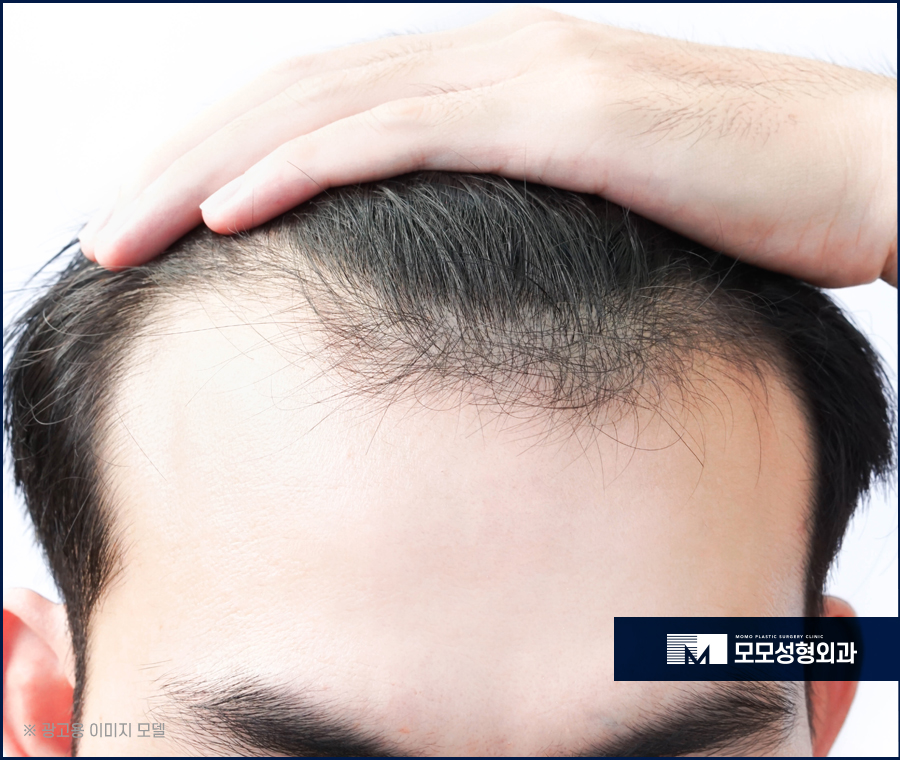
if the forehead looks wider than usual,
there are spots where hair has fallen out and looks sparse,
and the affected area corresponds to both ends of the hairline,
forming a shape like an alphabet,
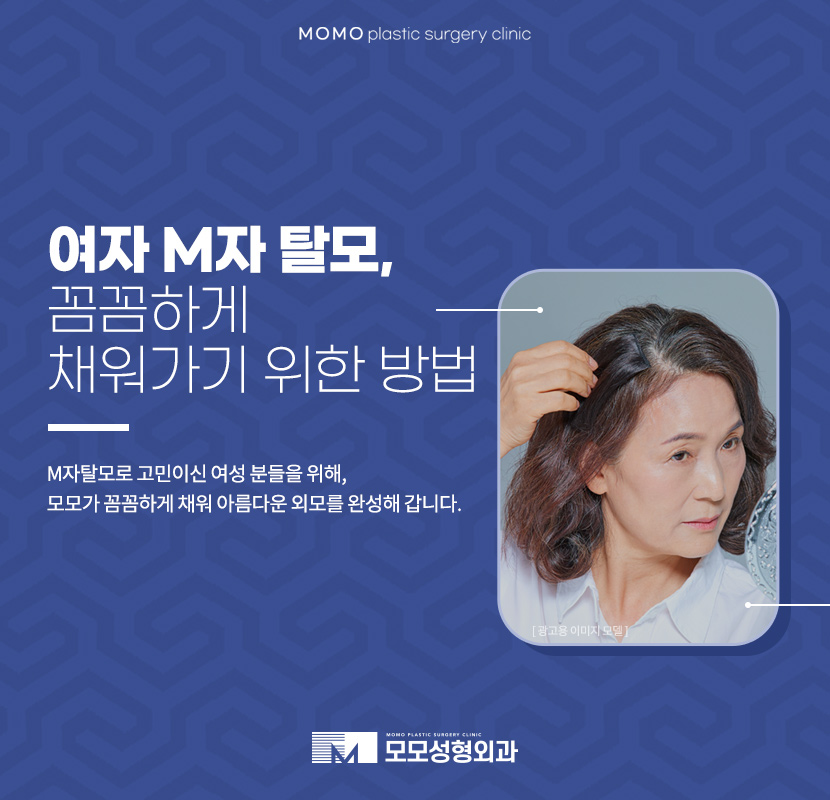
it can be judged as a symptom of female M-shaped hair loss.
The number of people experiencing this natural hair shedding
disorder is increasing year by year,
regardless of gender or age, and it is said that the proportion
among women and men in their 20s and 30s,
the younger age groups, is rising even more.
The reason the number of people experiencing this disorder is increasing
includes genetic factors and hormonal imbalances,
but many people living in advanced modern society also experience
excessive stress, irregular lifestyle patterns and eating habits,
and nutritional imbalance caused by extreme weight loss,
which is leading to a growing population affected by this condition,
with some saying the number is approaching 10 million.
For that reason, many people are also spending time and effort
aiming to improve it on their own by trying various methods.
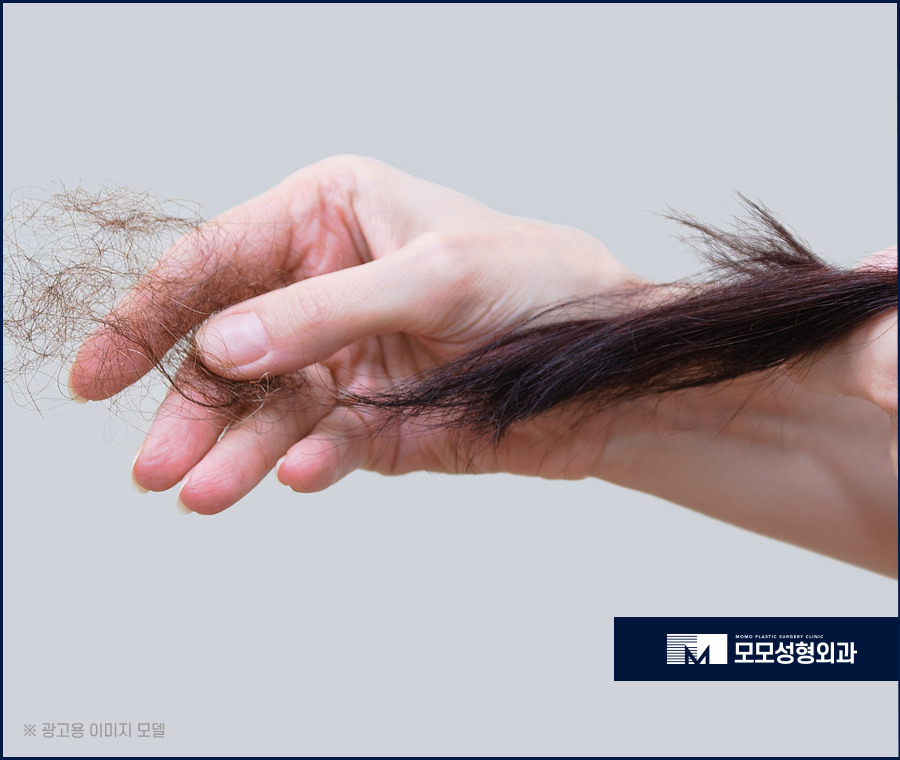
The first thing one may think of is using or taking shampoos
or medicines related to the symptoms, but because hair loss
can reduce confidence and make people avoid outside activities,
when they inevitably have to go out or head out for work,
they try countless methods such as applying dedicated makeup products
or sometimes using wigs.
However, while these measures may have a brief temporary effect,
they fall short of solving the root cause, and it becomes clear
that there are difficulties in expecting a meaningful improvement.
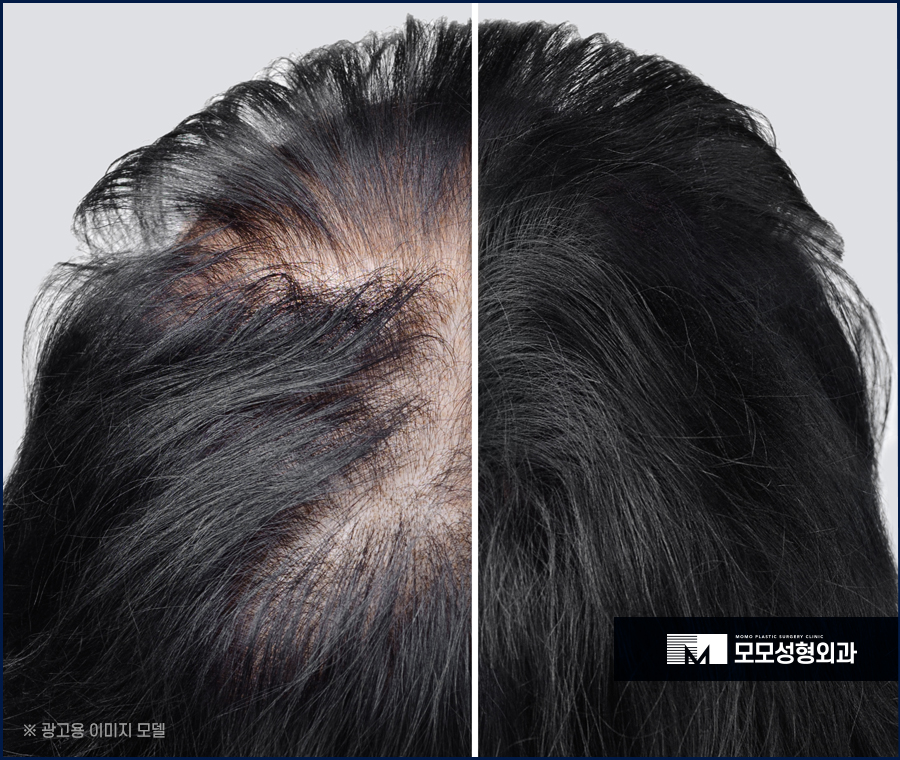
That is why many people, exhausted by repeated setbacks and pain,
visit clinics and inquire about easing female M-shaped hair loss.
In the case of this symptom, once it appears,
it has a tendency to continue developing, and as it does,
the area of hair loss expands and the symptoms can become more severe.
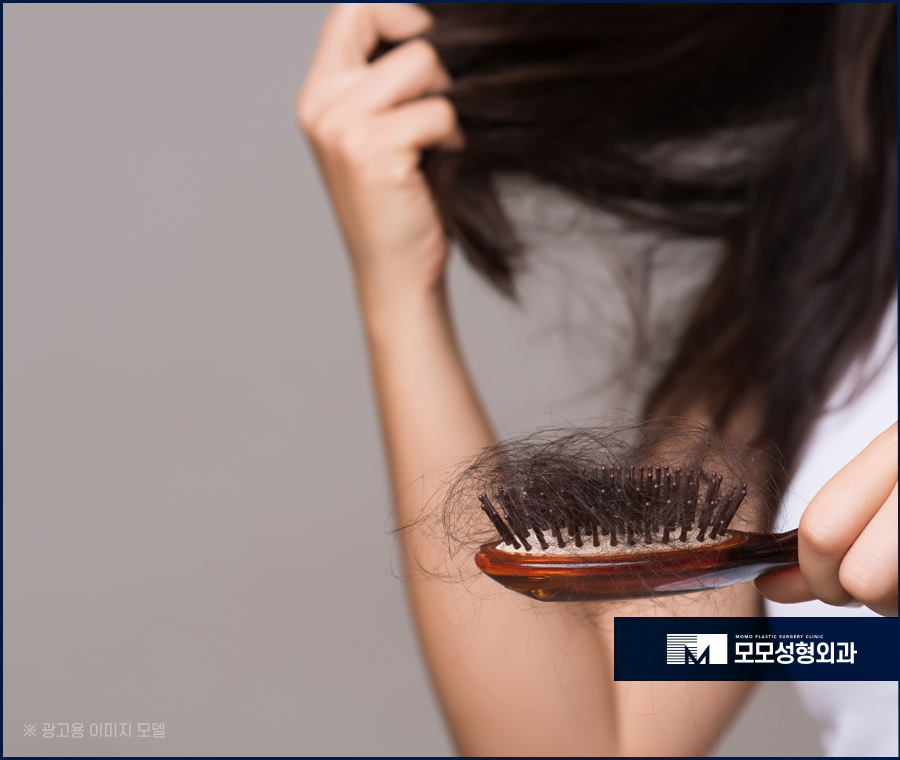
And as mentioned above,
although genetic factors used to have the greatest influence,
now natural hair loss disorders can also appear for various other reasons,
so no one can feel completely safe.
If signs of female M-shaped hair loss begin to appear one by one,
it is important to visit a medical institution without delay,
have a detailed consultation with the doctor in charge,
and understand your current condition; that would be the top priority
and a sensible decision.
However, even when such symptoms occur,
if you simply think they will disappear naturally after a while
and leave them untreated, many people later feel that the condition
has worsened and that the effect of various measures is only minimal,
with no further room for improvement, and as a result
they often receive counseling about procedures to ease the symptoms.
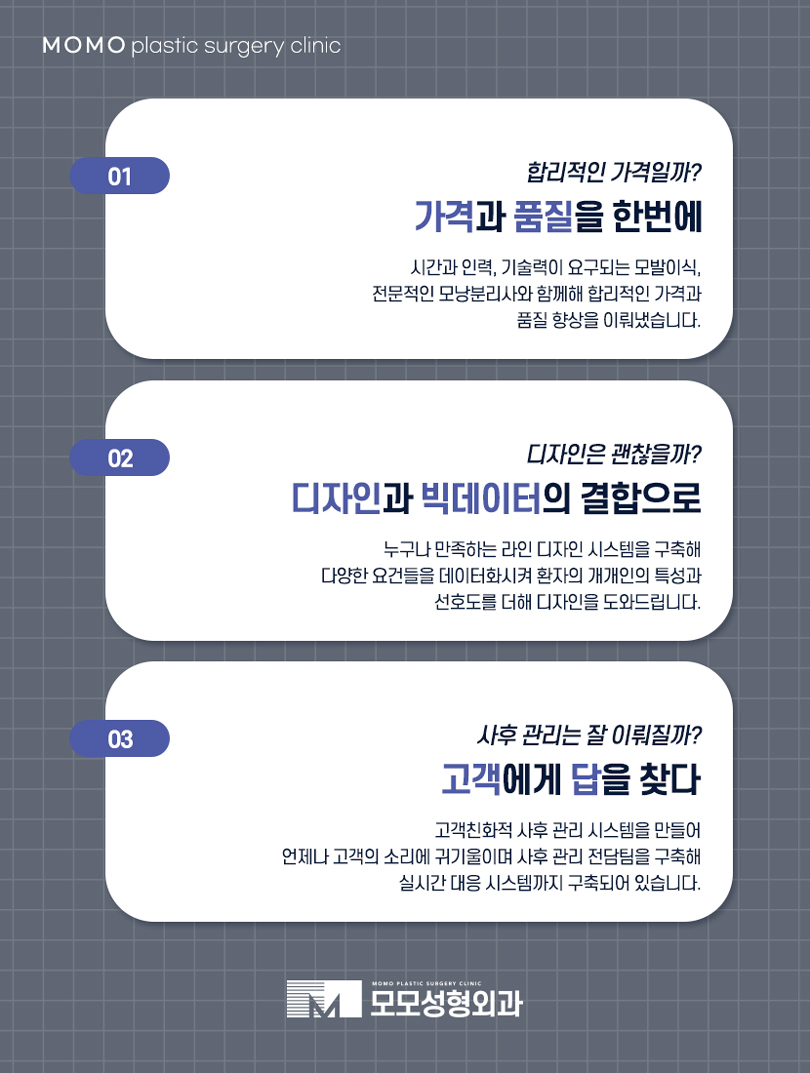
It is of course important to understand one’s own scalp
and overall condition and think about which method to choose
to proceed with treatment, but among the criteria for deciding
whether to proceed in the first place, the point that must be considered
most carefully above all is building a personal design
that can create a natural impression and achieving a high graft survival rate.
If you are considering hair transplantation, rather than sticking to
just one method, you should comprehensively assess the degree of hair loss,
scalp elasticity, health condition, and so on, and choose the appropriate method.
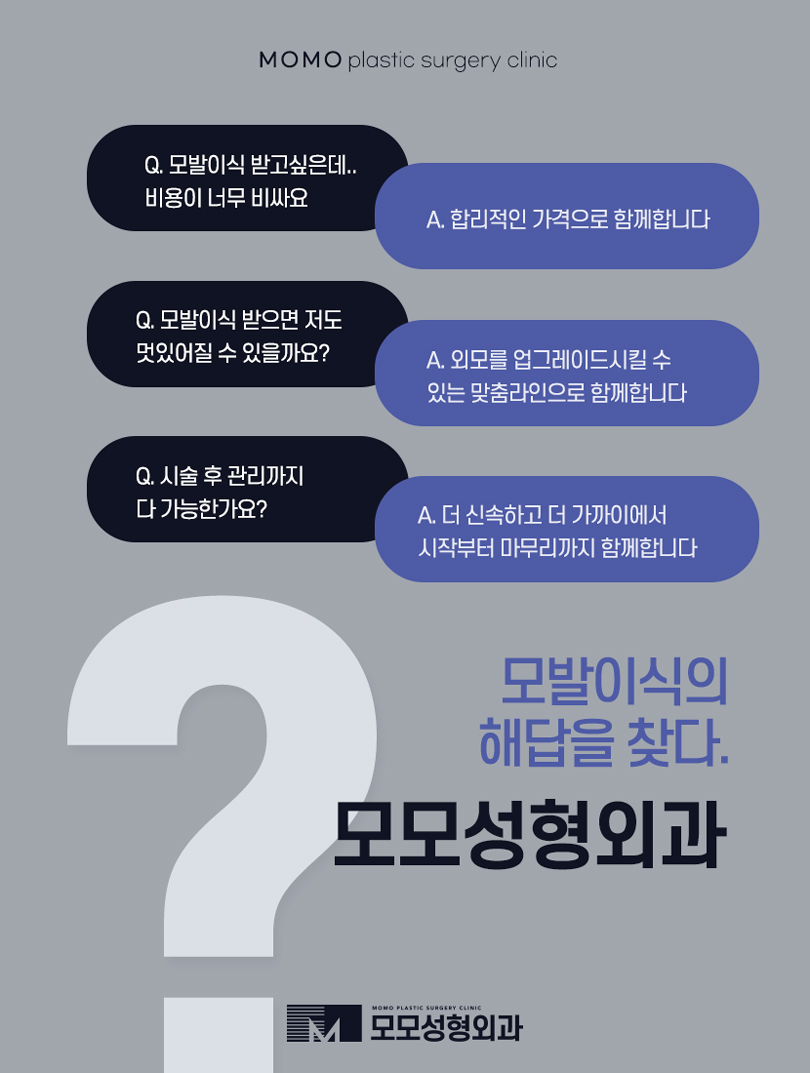
From the stage of obtaining the hair to securely collecting the follicle
and the surrounding area without damage, and also separating the follicle
precisely and as safely as possible, stable results can be achieved.
And because each person has a different face shape, skull shape,
hair condition, curl, thickness, density, direction, and more,
you must keep in mind that the hair should be placed naturally and delicately
in the way that best matches each patient’s scalp and existing hair.
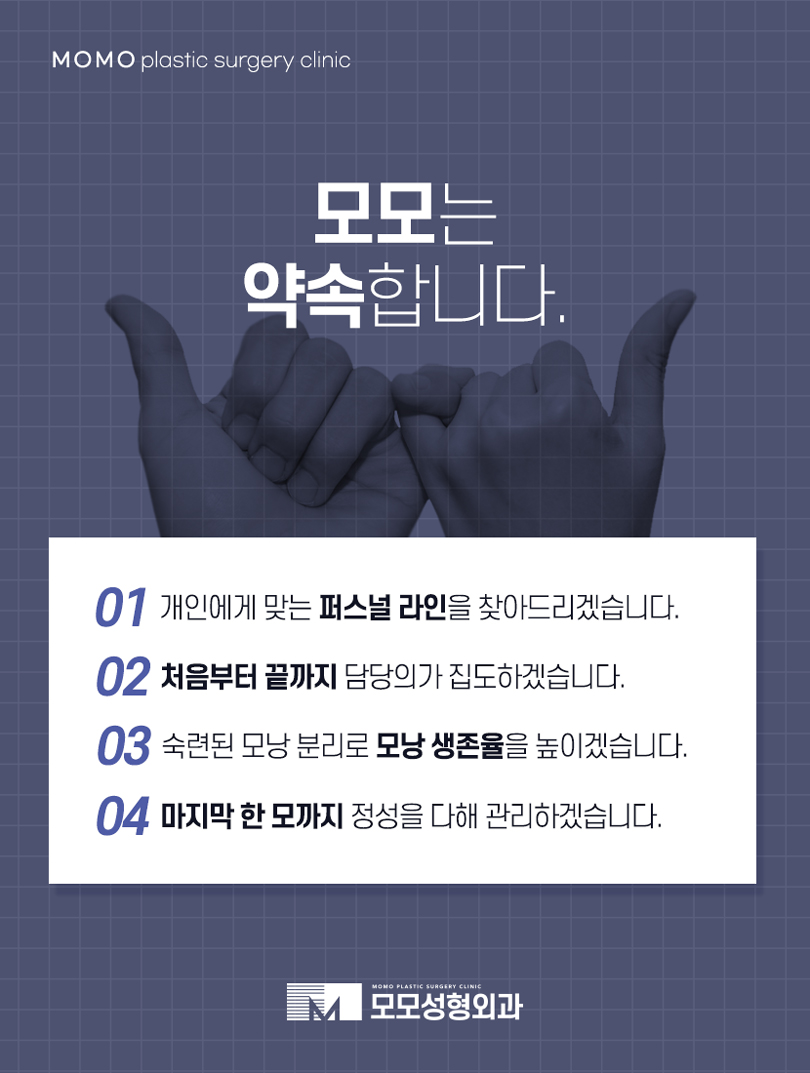
If, without considering the characteristics of female M-shaped hair loss
or the hairline at all, you focus only on insisting on excessive density
and planting hair too densely, it may look very unnatural and artificial,
and in severe cases there may even be situations that require retreatment,
so caution is needed.
In addition, the criteria that should be checked before applying hair transplantation
to the area you are considering are also related to personal design.
While improving the widened area, it is important to carefully consider
the proportions and angles so that it does not end up becoming too narrow.
If the area becomes smaller, there is a higher chance that it will create
a cramped feeling and a negative impression, so the overall balance with
the face and features should also be reviewed thoroughly,
and only after the design has been planned should the procedure proceed.

And since the appearance from various angles and directions, such as from the front and sides,
is also important, for example, if implantation is done slightly forward from the cheekbone area,
there is the advantage of achieving a smaller-looking face line,
which can lead to greater satisfaction after the procedure.
In addition, if the sideburns are also carefully handled so they are not overly thick,
and the overall line is considered while applying a customized design that creates thin,
fine baby hairs, female M-shaped hair loss can be improved.
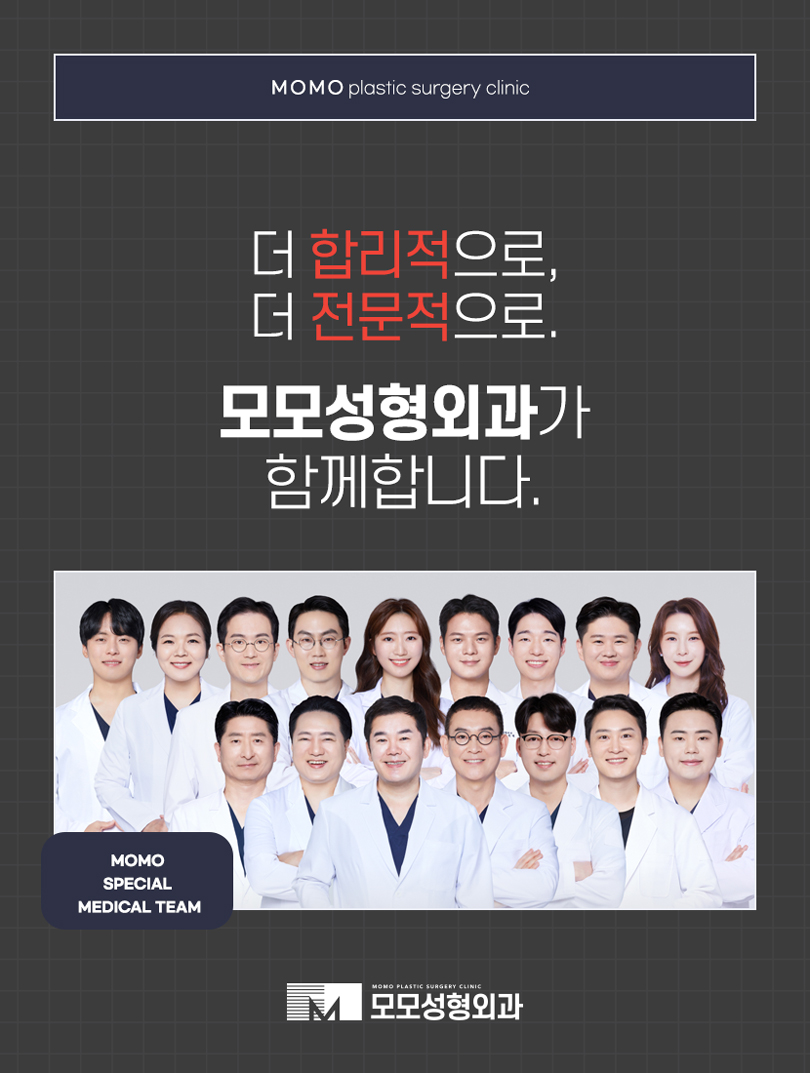
Based on these various criteria,
if you receive a thorough consultation and an accurate diagnosis from the institution
you choose to proceed with the procedure, as well as from the doctor in charge who has accumulated
years of experience and the resulting skill, know-how, and technique,
and then take the appropriate measures for female M-shaped hair loss,
you will soon be able to see the original hairstyle you wanted and dreamed of.