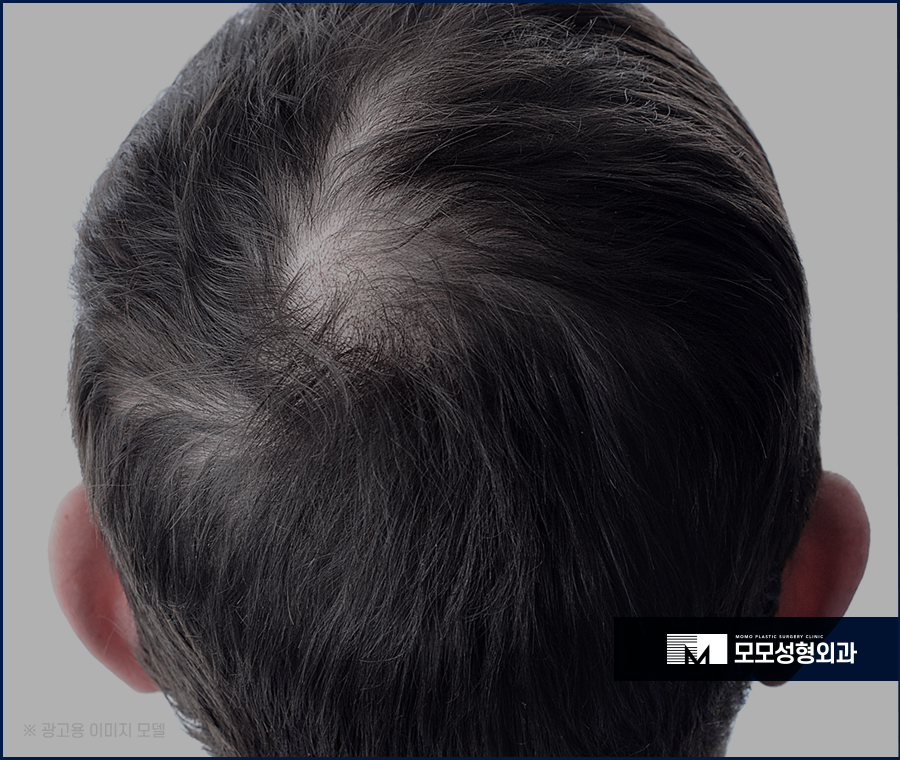
Among the many perspectives one can take on hair loss, one important area where mistakes can be made is the complacent mindset of thinking, “This doesn’t seem that severe right now, and if a little more time passes, it will naturally get better.” With such an attitude and careless neglect, a relatively small affected area can gradually spread, hair continues to fall out, the area becomes larger, and the situation can eventually reach a point where self-care is no longer enough and it becomes impossible to manage.
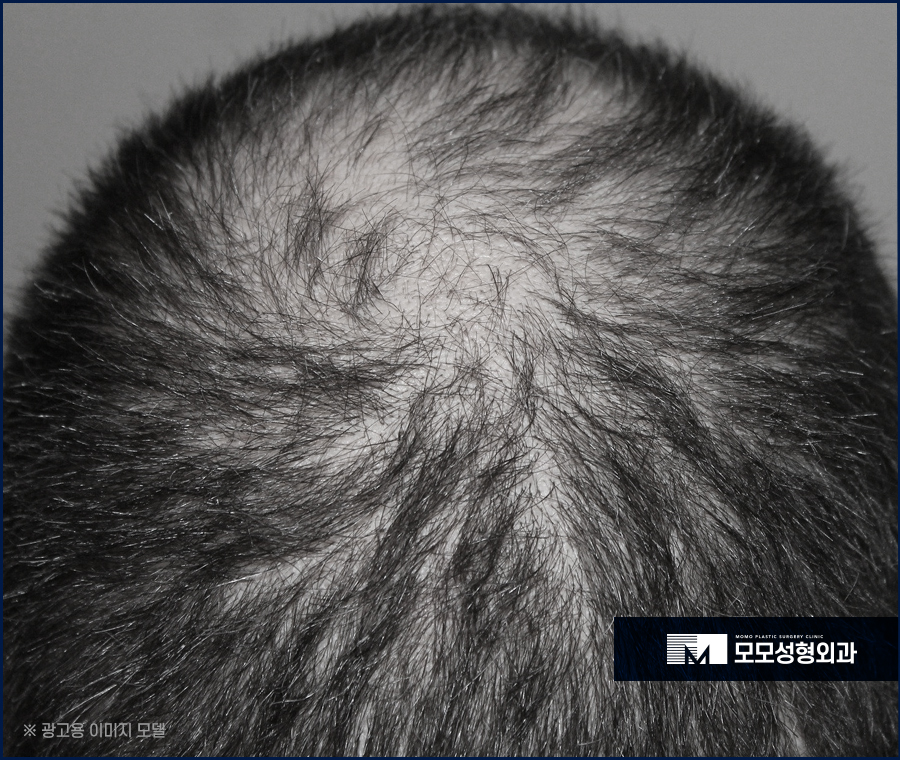
Conversely, there are also cases where people invest their own time and effort to look into and try all kinds of methods said to help hair growth, but still fail to achieve the level of improvement they hoped for and end up feeling discouraged and giving up.
If this type of hair loss is by no means small and is getting worse, I think it is necessary to visit a related institution without hesitation and consult quickly.
Recently, inquiries due to this kind of large-scale shedding symptom have been increasing, and in particular, there are people who are curious about surgeries involving 4,000 hairs or more. News that the estimated number of people in Korea experiencing these symptoms has approached nearly 10 million suggests that hair loss is no longer something that can be dismissed as a problem that happens to someone else. Also, if you are in a younger age group and sudden loss has begun even though it is not yet time for natural shedding due to aging, it would be better to visit a clinic as soon as possible and receive a diagnosis of your current condition.

There are so many factors involved in hair loss that it is difficult to identify just one cause, they say. The representative causes that most people already know include genetics, poor eating habits, irregular and unhealthy lifestyle patterns, excessive stress that can accompany various situations, and, for women, menopause, pregnancy, and childbirth. In particular, conditions that develop at a young age may have a high chance of recurring later as well, so more careful management is needed.
As there is still no medicine or treatment method developed that can completely cure it, if it has already started, I think the way to help prevent hair loss symptoms is to continue paying attention to scalp care consistently from now on. If follicles are falling out not due to aging but because of physical stimulation or damage, the surrounding follicles can also be harmed, so it is important to continuously and carefully check and observe the condition of your scalp.
Some people simply think that hair shedding is not a problem that has a major immediate effect on the body and therefore do not feel an urgent need to improve it right away. However, as time passes, the symptoms can worsen, many natural hairs can fall out, and eventually you may face a situation where a large-scale hair transplant of 4,000 hairs or more becomes unavoidable for coverage.
Recently, the number of young people whose shedding symptoms have become severe because they missed the right time to seek proper treatment has been increasing rapidly. In cases where 4,000 or more hairs need to be transplanted, a much higher level of technique is required, so it is important to consult with a team that has abundant experience and skill.
A surgery performed with 4,000 or more hairs involves selecting and harvesting relatively healthy hair from the occipital area, which is referred to as the strongest part of the scalp, and transplanting it to the area that is lacking. Because this method involves moving and implanting follicles that directly help regenerate natural hair, it can be said to be a method that can provide lasting benefits if the grafts settle well. However, simply transplanting a large number of hairs just to fill a wide empty area does not necessarily increase the covering effect, so if a clinic pressures you into an excessive transplant amount, you should be careful in making your choice.
And because human follicles are limited for everyone, the key point is to achieve good coverage even with a small amount. If an excessive amount is implanted at once, there may not be enough remaining hair to respond to future hair loss, so detailed consultation and an accurate diagnosis with a team that has many years of experience, skill, and know-how are said to be very important.

Another standard to keep in mind is that, because each person’s face shape, facial features, and head shape are different, the unique characteristics and qualities of the scalp and natural hair are also all different. In that sense, it is important to carefully examine and discuss a customized design plan that considers aesthetic elements in detail when deciding how to perform a 4,000-hair transplant.
To fill in the area without creating a boundary with the natural hair you already have, the procedure must be carried out under a thorough plan down to the finer details. In particular, your scalp, the condition, density, and thickness of the natural hair, as well as the overall proportions of the face and the angles seen from various directions, must all be sufficiently considered. If a design is planned without this, you will inevitably end up facing results far below the level of satisfaction you expected.

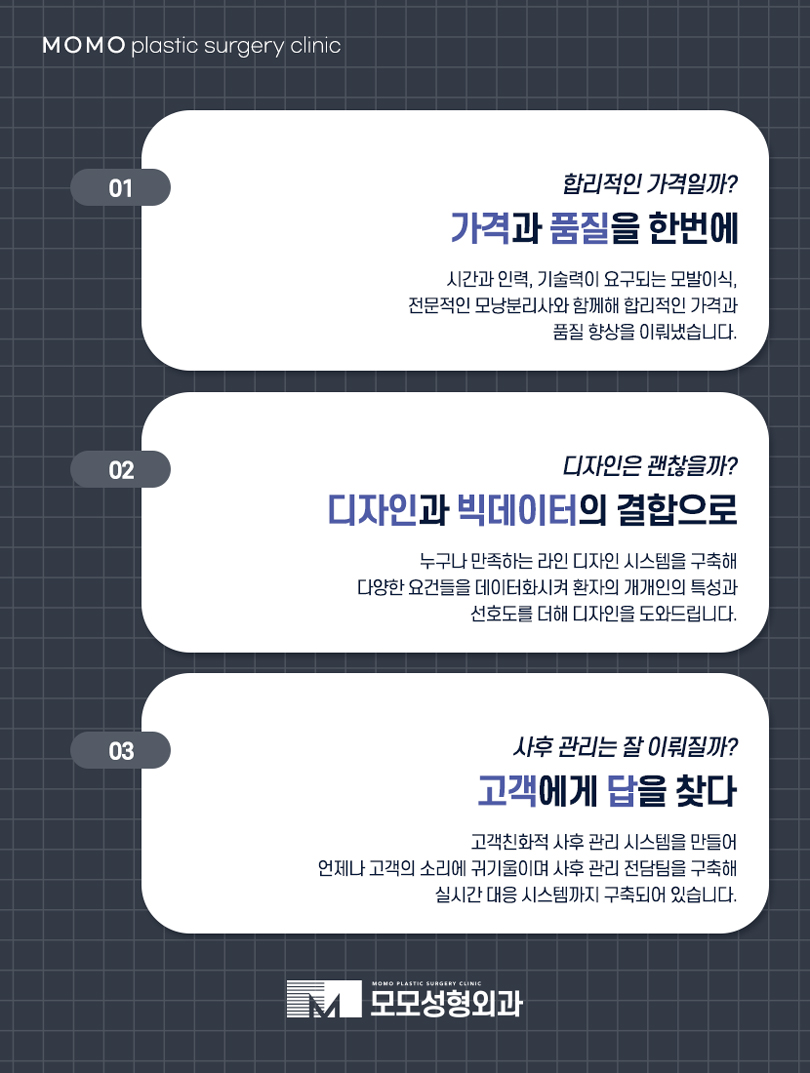
To experience a stable and satisfying result from a 4,000-hair transplant surgery, rather than looking for a place that only emphasizes low cost, it is better to choose an institution with strong technical skill by checking reviews and information. Checking the team in charge is important, but it is also advisable to carefully examine what kind of guarantee system is in place after surgery and how follow-up care is being handled before making a careful decision.