Compared with the past, more and more people today are said to be suffering as healthy hair gradually loses strength, falls out, and leaves small and large empty areas behind.
In particular, among those experiencing this problem, the proportion of young people in their 20s and 30s is increasingly rising.
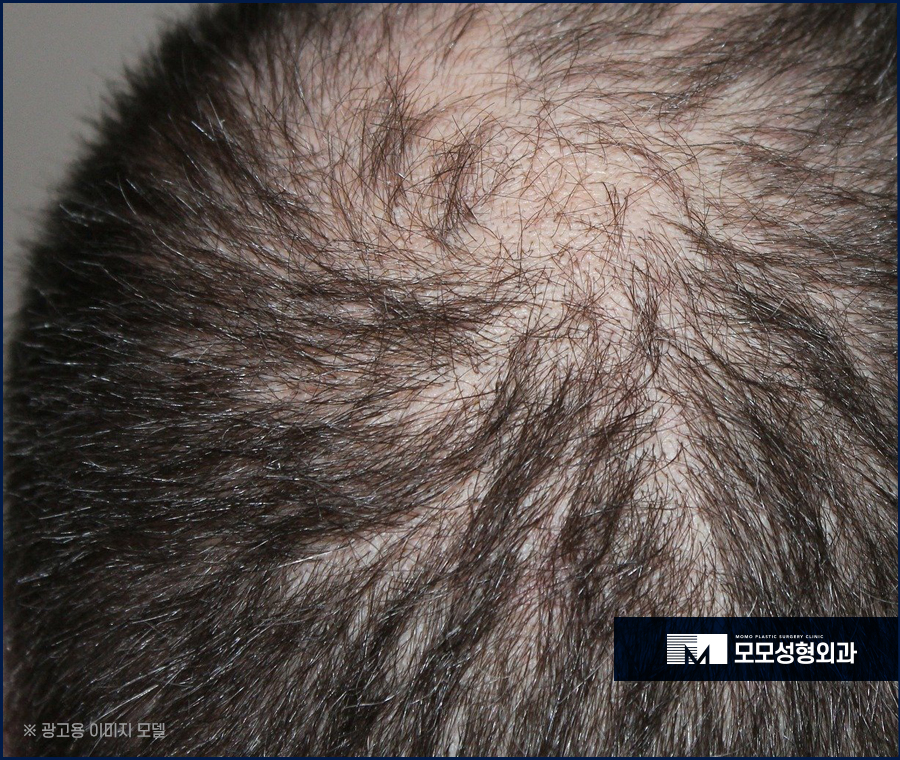
Among people who try various improvement methods for hair loss, mobilize every possible option, and invest a great deal of time and effort, statistics also show that the proportion of those pursuing surgical methods has been increasing year by year. And in today’s society, where interest in appearance and its importance have grown, such a choice has become even more significant and is widely accepted. Therefore, when considering the procedure, it is advisable to make a decision by actively consulting with the medical staff about when and by what method it would be best to implant hair, and whether a systematic system is in place for factors that affect the prognosis.
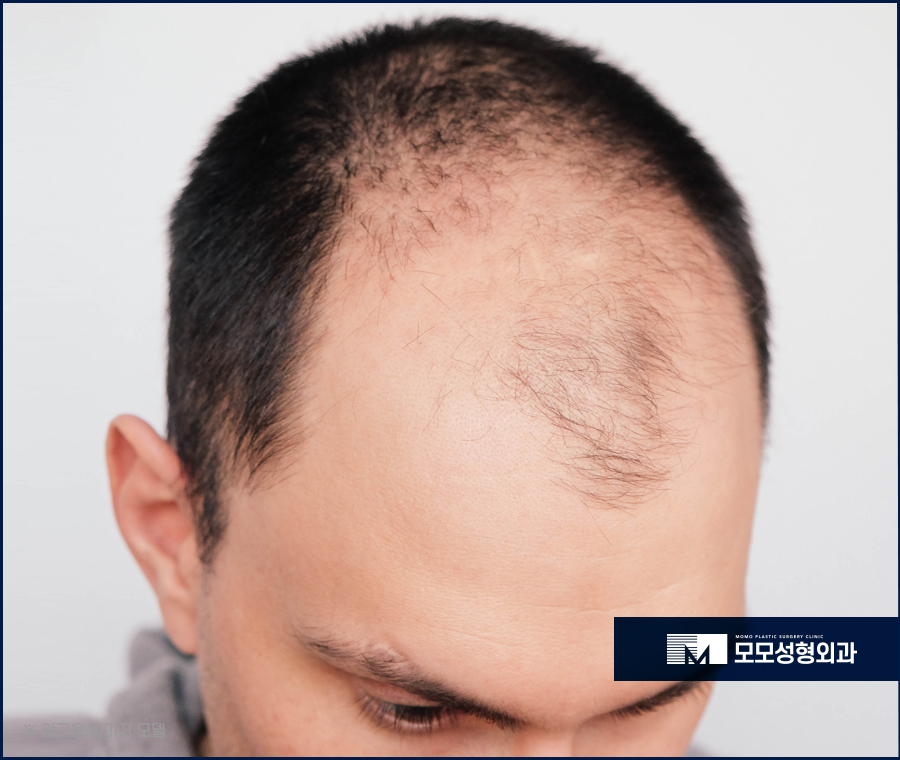
Hair loss is not a disease that appears rapidly and clearly enough to be visible to the naked eye. The hair gradually thins, and at some point the shedding becomes noticeable, by which time it can be recognized as having already progressed significantly. Because this type of natural hair loss disorder is difficult to detect even if you look at yourself in the mirror every day, if there are sufficient genetic factors and a family history, it may be helpful to continue taking related medications and regularly visit a specialized clinic for status checks.
The treatment method may differ depending on the degree of progression in each individual.
In the early stages, non-surgical methods such as medication may be sufficient, but if the affected area has spread significantly and a wide range of hair loss has formed, a surgical implantation procedure may be an effective solution.
The method of this procedure is broadly classified, depending on whether an incision is made, into strip harvesting and non-incision methods, and each method differs in every aspect, including the post-treatment appearance, time required, cost, and pain. The first-mentioned procedure is a traditional method that has been used for a long time and has gained considerable trust from patients through extensive data and know-how.
It is a method in which the scalp from the permanent area at the back of the head is removed as needed, and healthy hair follicles are implanted into the problem area. Compared with other methods, it is relatively easy to harvest, so it offers economic advantages with lower cost and less time, and it can still be considered a highly in-demand option even recently.
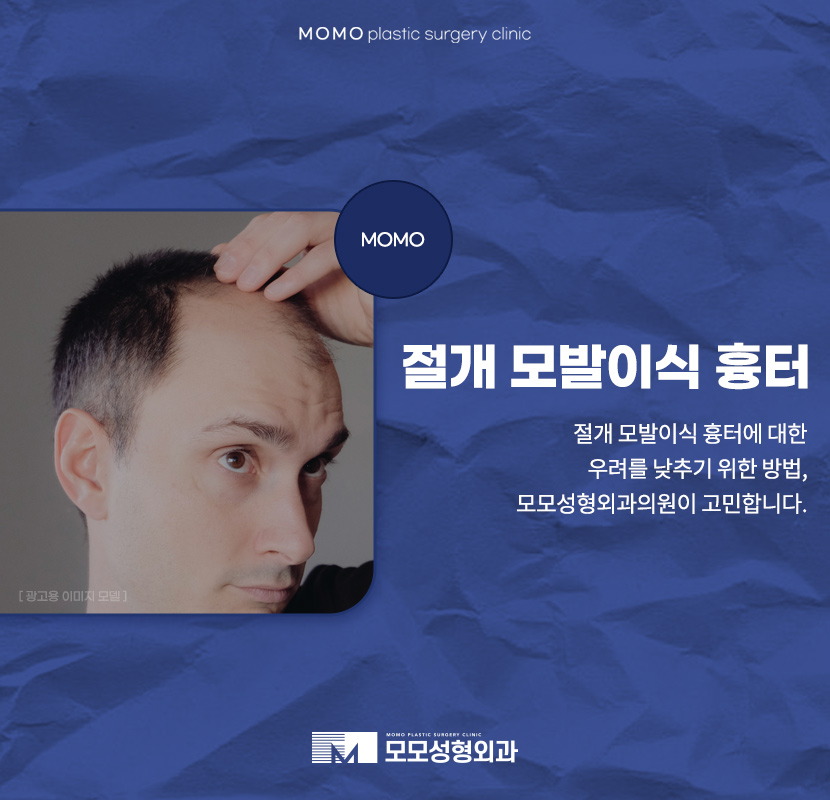
However, while it has advantages, there is an undeniable drawback: after implantation, a linear hair transplant scar may remain due to the incision.
A scar in the form of a long band may form, and if a person usually prefers and maintains a short hairstyle, the linear hair transplant scar may be exposed as it is, creating limitations in styling. Even immediately after the procedure, for a certain period of time, this may add to the burden for modern people who want to return quickly to daily life with a natural appearance that does not differ much from before.
It would be ideal to choose the treatment method according to each person’s needs, but if the density of natural hair in the back of the head is significantly low, overall hair volume is sparse and harvesting itself is difficult, hair loss is progressing rapidly, or a large amount of hair needs to be obtained rather than a small amount, then the incisional method may be considered more appropriate than the non-incisional method.
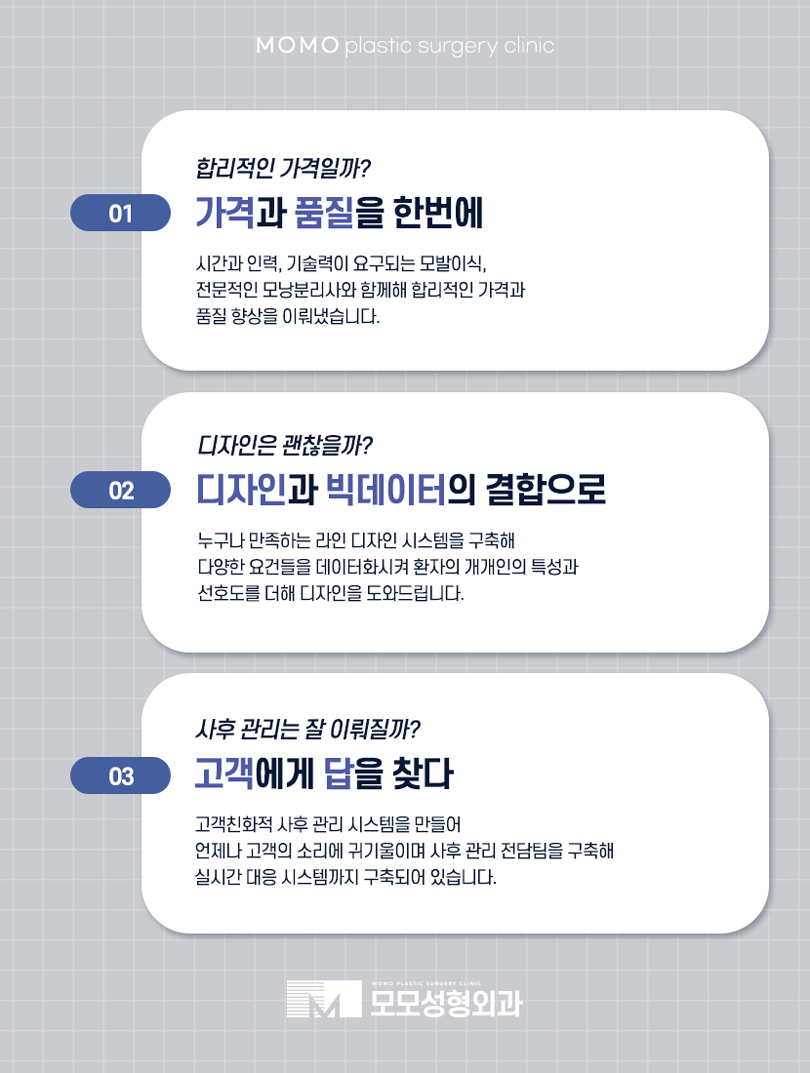
Since this can be determined through a thorough diagnosis by the attending physician, if you fall into such a case, you must accept that the occurrence of a linear hair transplant scar is unavoidable. However, depending on what type of suture method is applied and how it is managed afterward, the size and inflammation can be minimized.
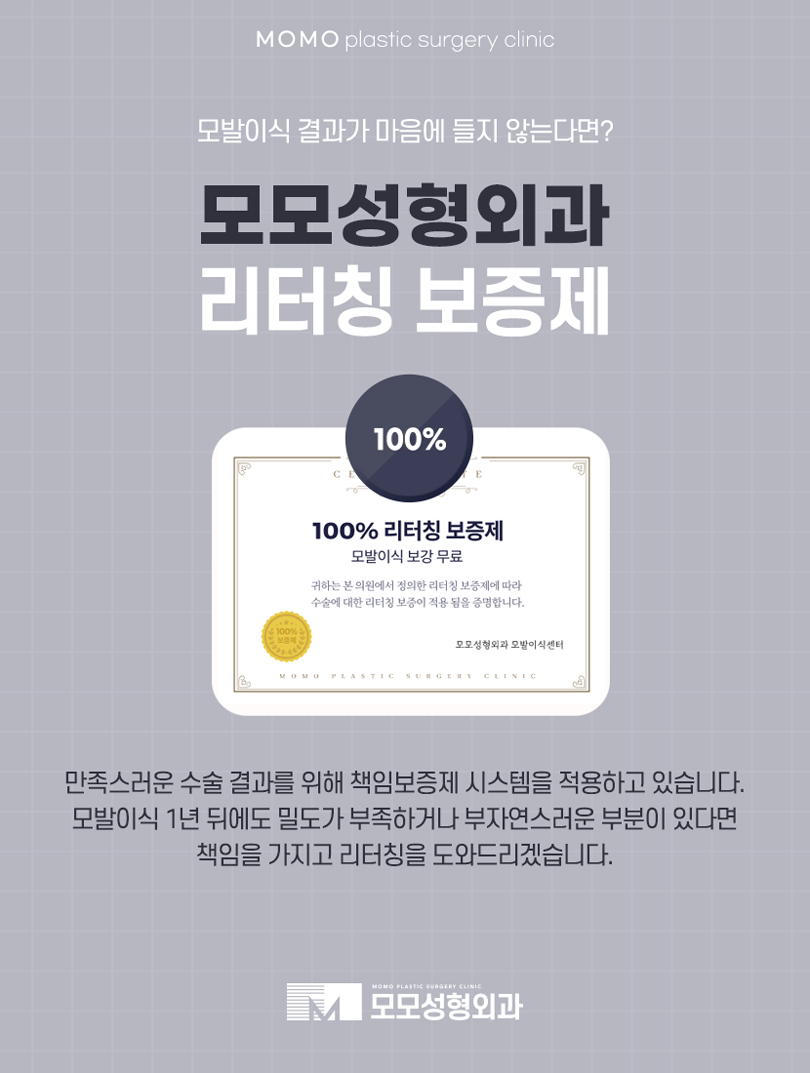
Because these unique methods and techniques differ from clinic to clinic, they are worth examining more carefully.
For example, there are methods that help prevent the linear hair transplant scar area from widening by suturing down to the subcutaneous tissue to prevent pain from pulling sensations, and stitching very close to the incision so that hair follicles in the excised area are not damaged and hair can grow even in the wound area. Another approach is to preserve the follicle cell area on the side where the excision line is tied and perform a double-layer suture so that hair can grow in the scarred area and completely cover the mark. Since methods that minimize pain and scarring are developed internally by each clinic, checking whether such methods can be used to stabilize the worrying issues is an important criterion to verify.
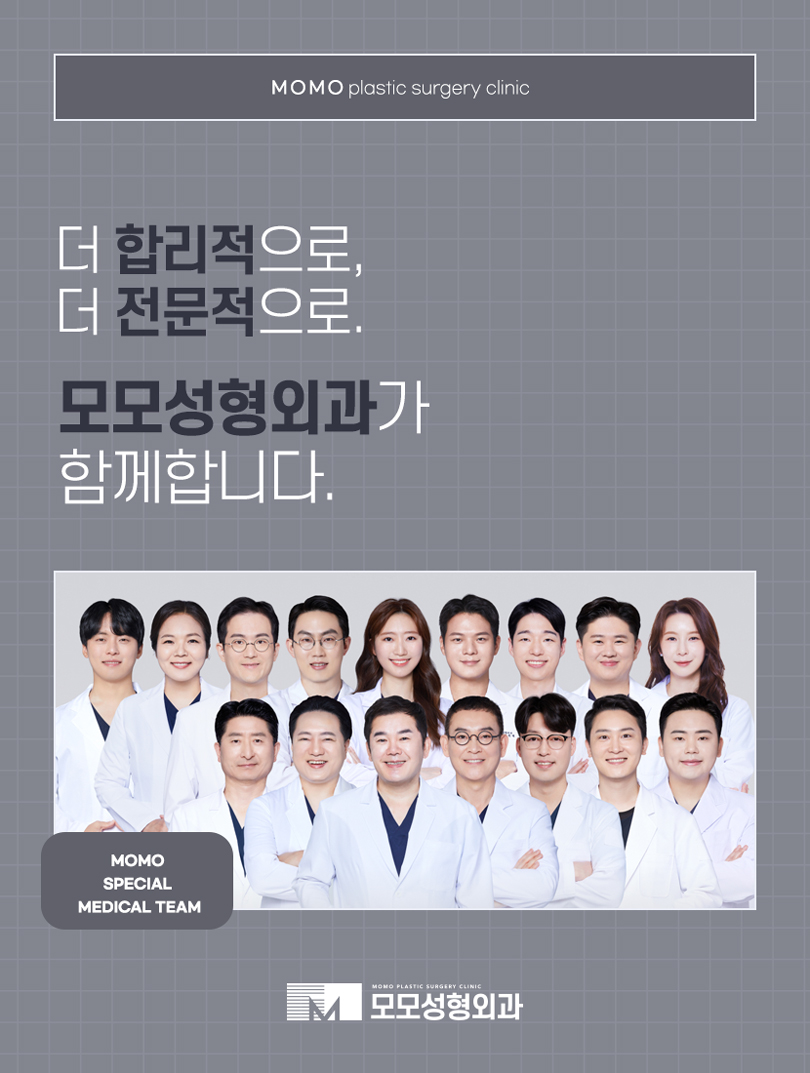
If the situation is unavoidable and a procedure requiring excision must be chosen and performed, then of course that method should be followed. But if not, another type of procedure may be attempted. In the case of the non-incision method, the chance of visible scarring is relatively low, to the point that it is not noticeable. Therefore, it is advisable to consider your current symptoms and condition, scalp and hair characteristics, facial shape, and the proportions and angles of the overall facial features from multiple angles, and then decide carefully which method to choose and what appropriate treatment to undergo through close consultation and an accurate diagnosis with the medical staff.