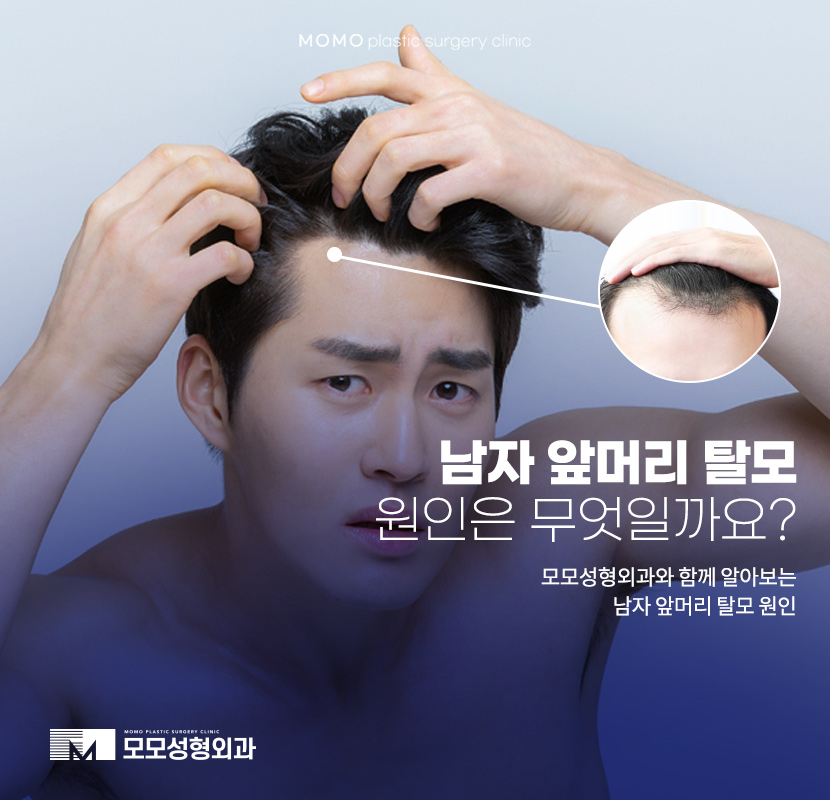
If the hair around the forehead has suddenly become thinner than before, seems to be falling out here and there, and the scalp is clearly visible, this is a separate issue from naturally sparse hair. If left unattended, it can gradually become more serious. In addition, this is not limited to reduced hair volume; it is enough to bring about clear changes in outward appearance, so for people who pay a lot of attention to their looks, it can be a situation that easily causes severe stress because the area itself is something other people can notice. Natural hair loss disorders occur regardless of gender or age, but they are especially affecting young adults in their 20s and 30s. Even though this is an age when they should be actively building their social lives and relationships, they often feel physical or psychological anxiety and pressure because of these concerns. I can say that what intensifies this is the phenomenon of natural hair shedding.
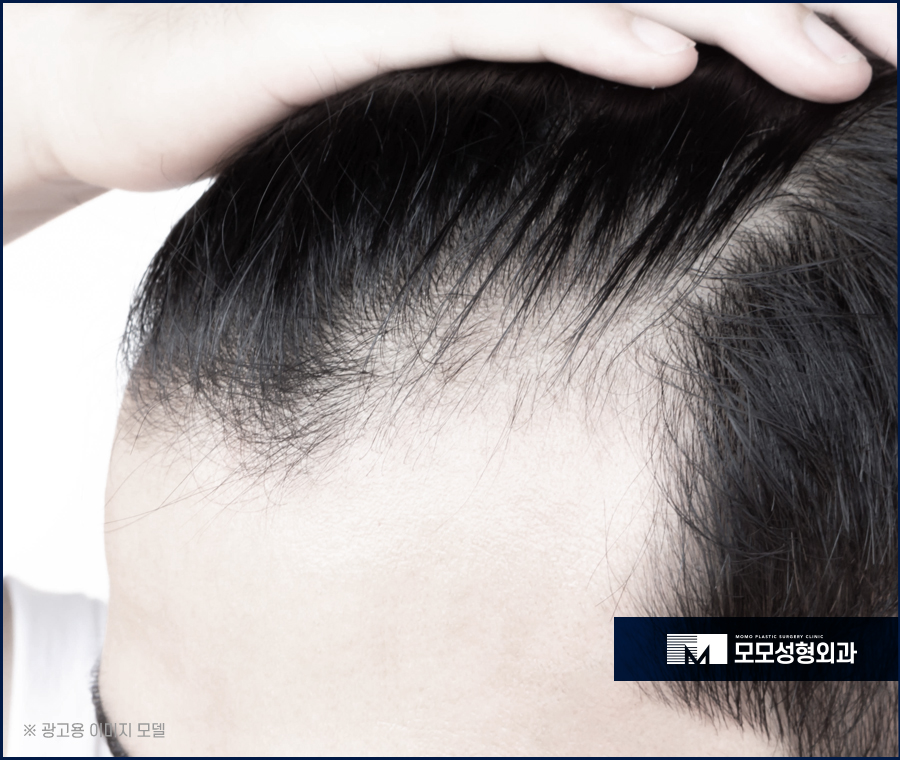
In addition, the causes of male frontal hair loss may be mild at first, but they tend to spread more and more over time, so it is considered best to respond appropriately as soon as possible. This condition, also called an M-shaped hair loss pattern, can be described as a form in which the lines on both sides of the forehead gradually recede. If the natural hair in this area has become very thin and the amount of hair is steadily decreasing, making it frequently exposed and noticeable when styling the hair, it can be regarded as an early symptom.
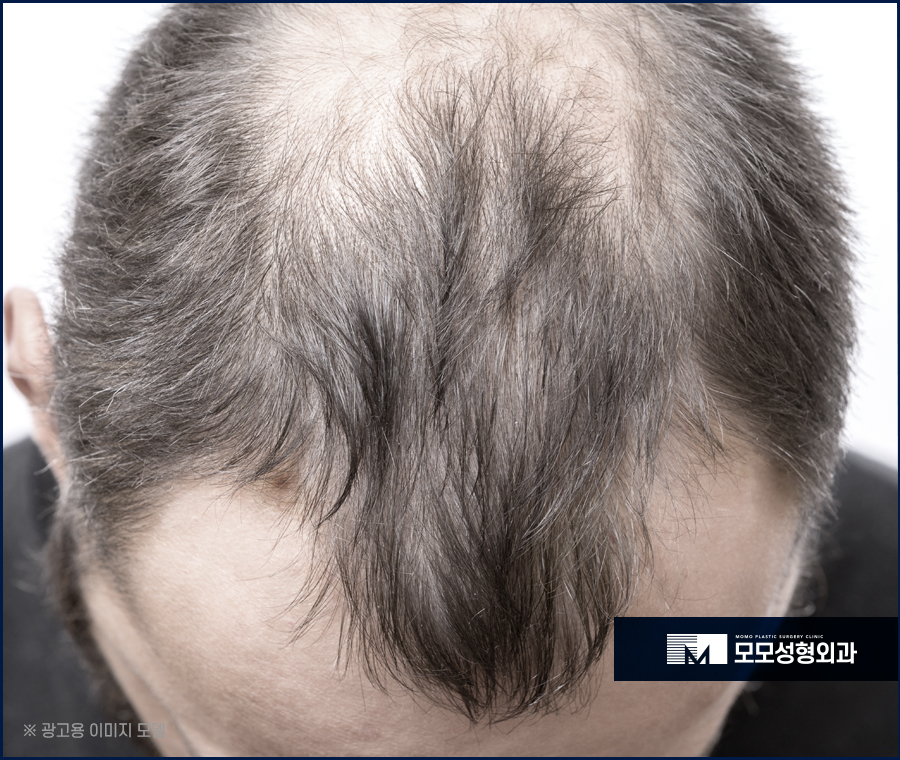
The representative factors referred to as causes of male frontal hair loss include genetic factors passed down from grandparents or parents, an imbalance in the male hormones that naturally trigger hair shedding, persistent stress arising from unhealthy eating habits, lifestyle patterns, lack of sleep, excessive drinking, and smoking, and cases where styling products are used and then left on without being removed, which happens repeatedly. It can even have a complex nature in which both congenital and acquired factors act at the same time.
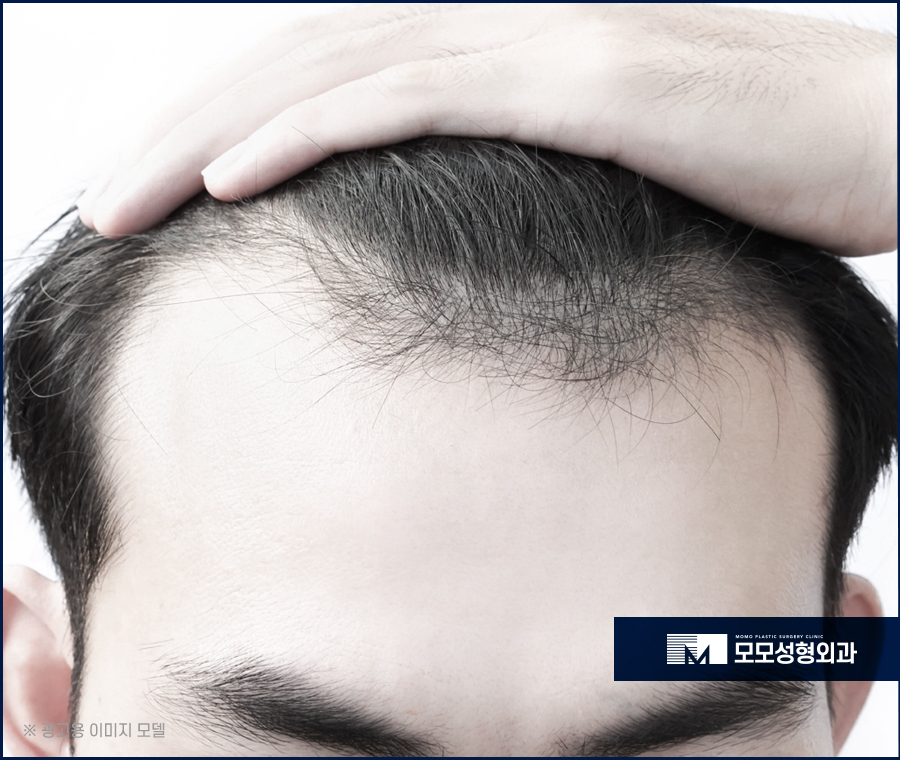
Whatever the reason may be, what matters most is the symptom itself that is currently occurring, so rather than focusing unconditionally on the causes of male frontal hair loss, it is preferable to first understand the current condition and then find a rational response that fits it. In general, it may begin with hair shedding, but it is said that it more often develops through a process in which the hair becomes thinner and finer, then deteriorates and falls out. Therefore, even if fallen hairs are not visible to the naked eye, if thinning or finer hair is suspected compared with before, it would be appropriate to receive a detailed diagnosis from a specialized institution.

If a self-diagnosis is made based on one’s own judgment rather than a detailed examination performed directly by a dedicated doctor, it becomes difficult to accurately understand the symptoms, and there is also the risk of making an incorrect assessment, so it is recommended that you definitely seek help from a relevant institution and an experienced specialist.
The causes of male frontal hair loss have the characteristic of starting with hair thinning rather than simply shedding, so it is important to determine the current thickness of the hair. Even if there does not appear to be much difference on the surface, in reality there can be a clear contrast from the start of the natural hair to the area near the roots, so after confirming your situation and symptoms through an accurate examination, you should establish an efficient method.
However, if the area has already been damaged by the causes of male frontal hair loss, it may be helpful to apply different measures depending on the speed of progression. As mentioned above, when natural hair loss in the forehead area becomes more severe, the damage can increase, so it is important to address it properly at an early stage. Although the speed is relatively slow at first, it accelerates and the symptoms become more noticeable, and even if treatment is applied afterward, the effect may be minimal or it may take much longer to recover.
The key to treatment for the causes of male frontal hair loss is, in effect, to slow the progression of the symptoms. Since it is difficult to return already progressed symptoms to their original state, measures should be taken to prevent further worsening, while at the same time attempting correction through hair transplantation so that the visually exposed areas can be covered. In particular, in the representative M-shaped case, the line changes irregularly as both sides appear deeply receded, which widens the forehead area. Therefore, improvement can be achieved by filling in both sides and lowering the boundary line. However, simply lowering the line excessively is not necessarily the best option.
With any hair transplant procedure, if you ignore the harmony of the overall face shape, the proportions of the features, the unique angle, the characteristics of the hair, and the design, and simply fill the empty space densely according to your own desire, it can instead produce a stuffy and unnatural impression and have the opposite effect. This is something that must be kept in mind. And while it is of course important to consider graft survival rates and characteristics in such procedures, the most important standard is that an individualized personal design must be created.

Since the procedure is carried out to cover the parts that are visible on the surface and act as a complex, a customized treatment plan should be established according to the patient’s condition so that the desired result can be achieved, and a reasonable level of diagnosis and transplant amount should be determined accordingly. Also, if the procedure is performed, it can provide coverage, but the symptom itself does not completely disappear. Because it is a condition that is difficult to cure completely, ongoing management is necessary, and if needed, medication treatment can also be carried out together, which may be helpful. In addition, if you are trying to improve this condition through such measures, 충분한 consultation with the doctor in charge to establish a specific plan and proceed systematically will allow you to face a prognosis that brings you one step closer to the result you have been hoping for.