The way one appears on the outside can be
made to look more appealing, or
on the contrary, can have a negative effect and
come across as unappealing depending on a
variety of factors.
Among them, it would not be an exaggeration to say
that the power of a hairstyle has a major influence on
how someone looks.
The amount of hair one has and how well the style is
put together determine the atmosphere, impression,
or level of attractiveness that can be felt from that
person.
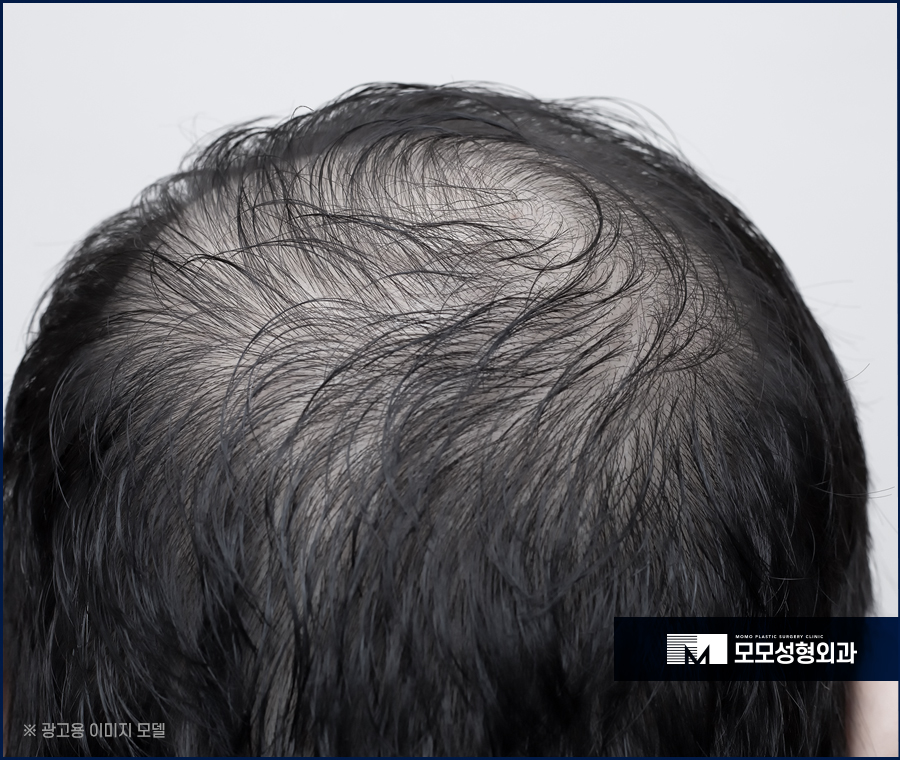
Because it plays such an important role, it is advisable
to carefully examine various factors overall, such as
whether the length and thickness of the hair are
appropriate, whether the amount of hair is sufficient,
and whether the color suits the person. This can make
a person look much younger than their actual age, or
on the other hand, leave them with a prematurely aged
image. That is why steady effort is needed to manage
it so that problems do not arise when styling.
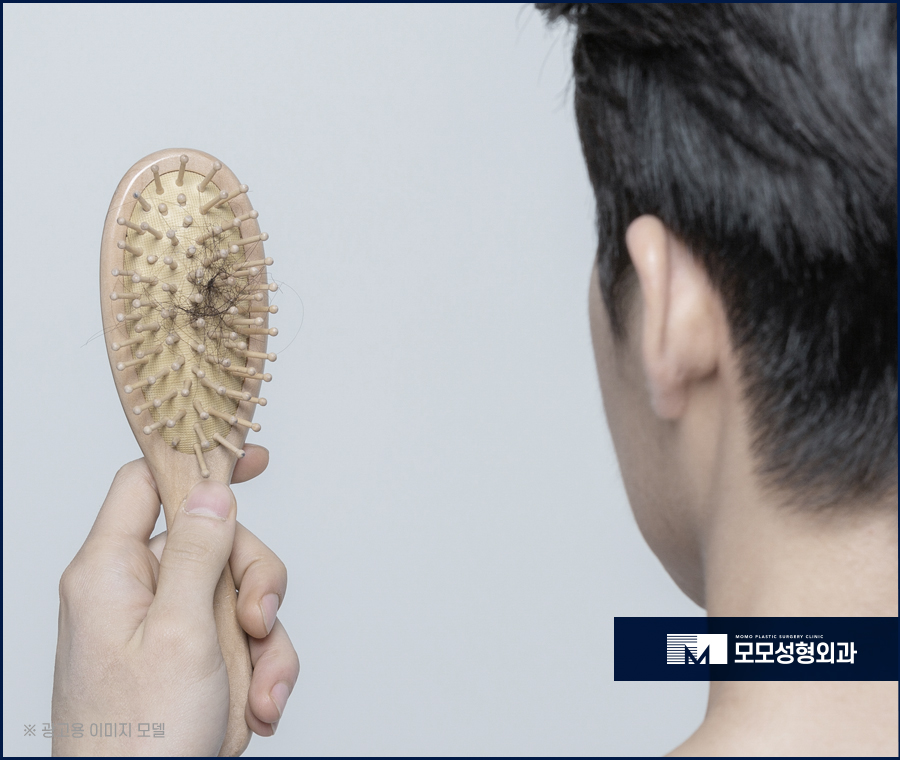
However, even after spending a great deal of time and
struggling hard, there are people who suddenly find
themselves with noticeably less hair and patches of
hair loss, and the number of people experiencing this
problem, regardless of gender or age, is reportedly
increasing. Their appearance, which they had carefully
maintained, undergoes a major change, so they search
for various ways that may help and try different things,
but compared with how easily the hair keeps falling out,
improvement comes slowly, and it does not reach the
root cause. In the end, many people visit a related clinic,
look for ways to respond, and inquire about a hair
transplant of 2,000 grafts.
Among the people who decide to pursue this kind of
procedure, it is also the method used by many. In the
past, it was mainly men in their 40s and 50s, but as the
causes have become more diverse in recent years, there
are also many people in their 20s and 30s who are
interested and hoping to undergo it. And while the
amount can differ depending on each individual's
situation, those considering a hair transplant of 2,000
grafts tend to share similar characteristics. That is,
there is a clearly visible sign of hair loss and shedding,
and it is no longer possible to hide the thinning with
hair from other areas.

Cases that need treatment are likely those in which
these symptoms have been experienced for a long time.
It seems they may have tried various methods but saw
no clear improvement, and have reached the stage of
considering a procedure for a dramatic change. In
general, if fewer than 2,000 grafts are planned based on
the hair transplant of 2,000 grafts benchmark, it would
be considered a relatively small amount, so it may be
thought of as a comparatively light procedure. Although
the symptoms are not highly exposed on the outside,
they are stressful because the person alone knows and
feels them, which is why many people approach this
kind of procedure to solve their concerns.

On the other hand, when more hair is needed, it can be
said that anyone can easily recognize that there is a
problem. Even if you pay close attention to styling and
create a look, problems can become fully exposed when
doing sports or outdoor activities, such as when strong
wind blows or the hair gets wet from water in places
like a swimming pool. However, rather than judging for
yourself how much should be done, it is advisable to
carefully analyze the current condition together with the
physician in charge, discuss it, and make the decision
after a suitable diagnosis has been made.

To briefly explain cases where a hair transplant of 2,000
grafts can help improve the situation, it may be applied
when the hairline is irregular and the forehead overall
seems wide, or when both sides of the forehead have a
deep M shape. In such cases, the method can create a
neat and orderly line, and the deeply recessed areas can
be naturally filled in. If we analyze the people who
consider and want this approach, we can see that the
M-shaped hair loss type makes up a large proportion.
At first, they may not have noticed it and thought it was
fine, but by the time they realized that the hairline had
moved upward to some extent, a fairly large area had
already become empty. So they recognize the need for
treatment and pursue a transplantation procedure to
bring about change.
And while the amount of hair needed for transplantation
can vary depending on the area, there are many people
who undergo a hair transplant of 2,000 grafts to tidy up
the hairline, and they may regain the confidence they
had lost by filling in the empty areas again. To achieve a
satisfying result, it is important to focus on the method
of transplanting natural hair. The main available methods
are broadly divided into two types: follicular unit
extraction and strip harvesting.
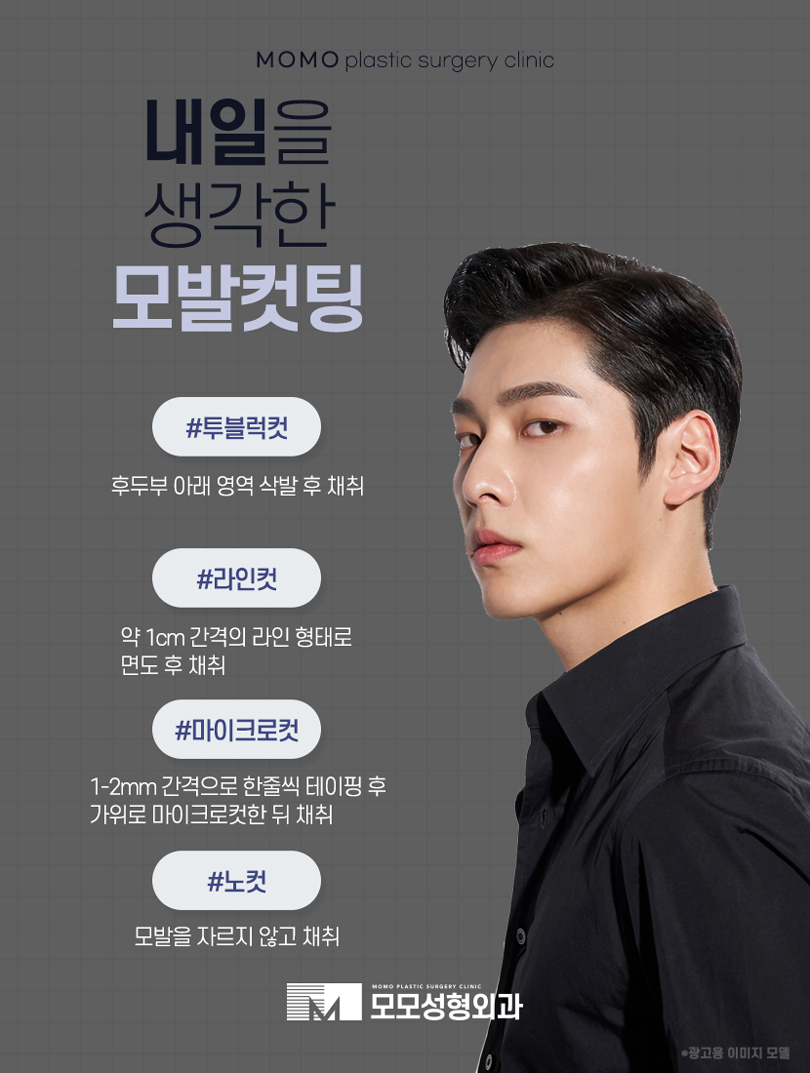
Depending on each method, there are differences in the
overall process, before and after, and especially in the
number of grafts. A hair transplant of around 2,000 grafts
can be classified as a procedure performed with a small
number among similar types of methods, and in such
cases, both follicular unit extraction, which involves
taking hair one by one and implanting it, and the strip
method are considered suitable.
Follicular unit extraction requires a high level of skill,
as hair follicles must be secured one by one with a
punching device. It takes a lot of hands-on work and a
longer amount of time, but because it is a process that
does not involve cutting, it has the advantages of less
pain and minimal scarring.

On the other hand, when a strip procedure is necessary,
a certain section of scalp is removed from the back of
the head, and the harvested follicles are used to create
the transplant. The time required is much shorter and it
can be said to be relatively simple, but because it literally
requires an incision and suturing, it is good to keep in
mind in advance that pain and traces in that area may
occur.
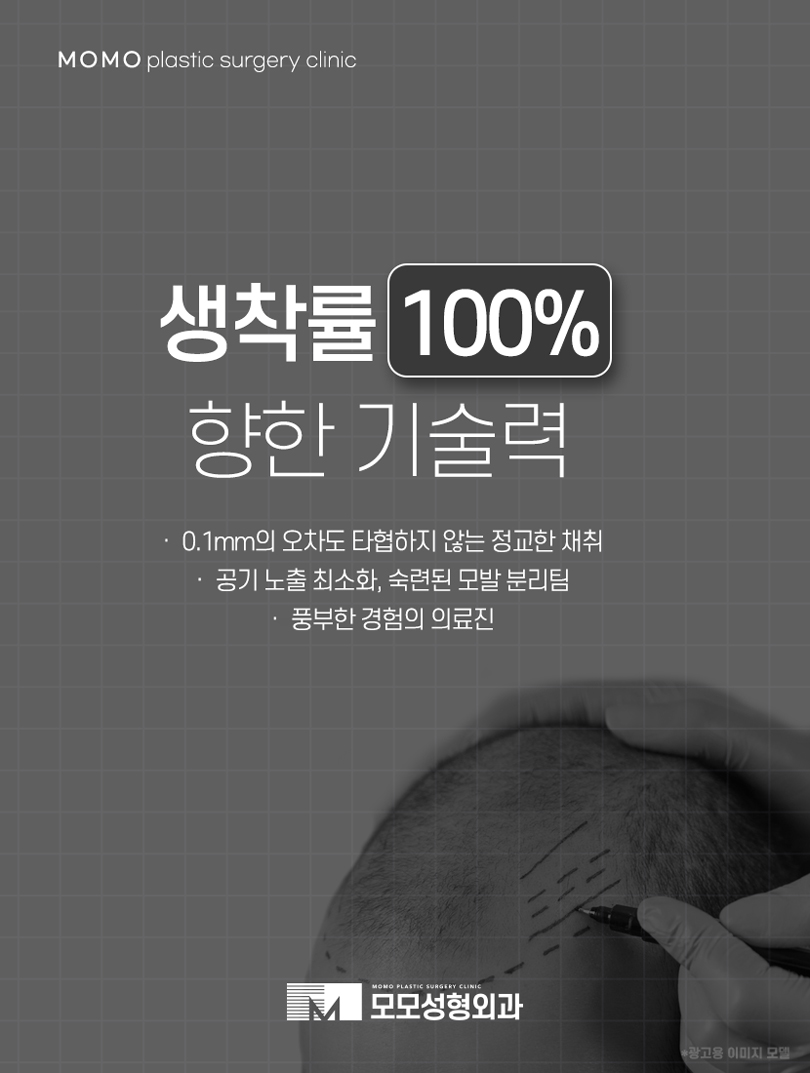
Through the various methods and procedures for a hair
transplant of 2,000 grafts, it is possible to resolve
concerns and encourage improvement in symptoms, but
rather than deciding on your own, it is more important to
have smooth communication with a specialist physician,
properly determine the exact treatment direction that
fits you, and then systematically build the overall plan
accordingly. In this way, you can move forward toward a
stable survival rate and a natural result that resembles
your original appearance without regret, and keep in
mind that this is the most important thing so that you
can meet the kind of recovery you hope for and expect.