The seasonal characteristics of summer
mean that hot and humid weather continues.
The ultraviolet index is also high, so these days
careful management is needed in many ways. If this
kind of climate persists for a long time, problems
that require even more attention can arise.
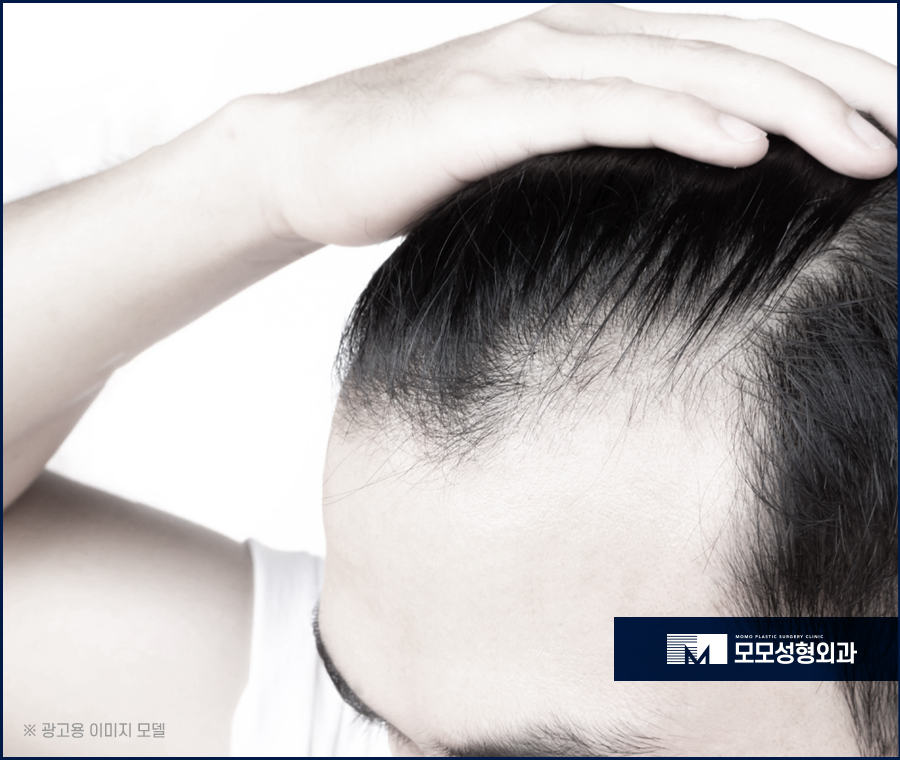
That problem is hair loss. When hair
falls out and is lost, the symptoms can
worsen more easily than in other seasons.
In particular, sunlight in sweltering heat above
35 degrees Celsius can damage not only human skin
but also natural hair, and as temperature and
humidity rise due to the rainy season,
sebum secretion also increases, making bacteria
easier to form.
And with the vacation season, people often visit
swimming pools and beaches, and if hair that has
absorbed chlorine or salt is not washed properly
at that time, there can be a risk of it falling out.
Therefore, in summer especially, it is good to pay
even more attention than usual to scalp and natural
hair care and provide appropriate management.
Of course, even aside from the characteristics of
the season, diseases that cause natural hair to
fall out can occur to anyone, regardless of sex or
age, at any time.
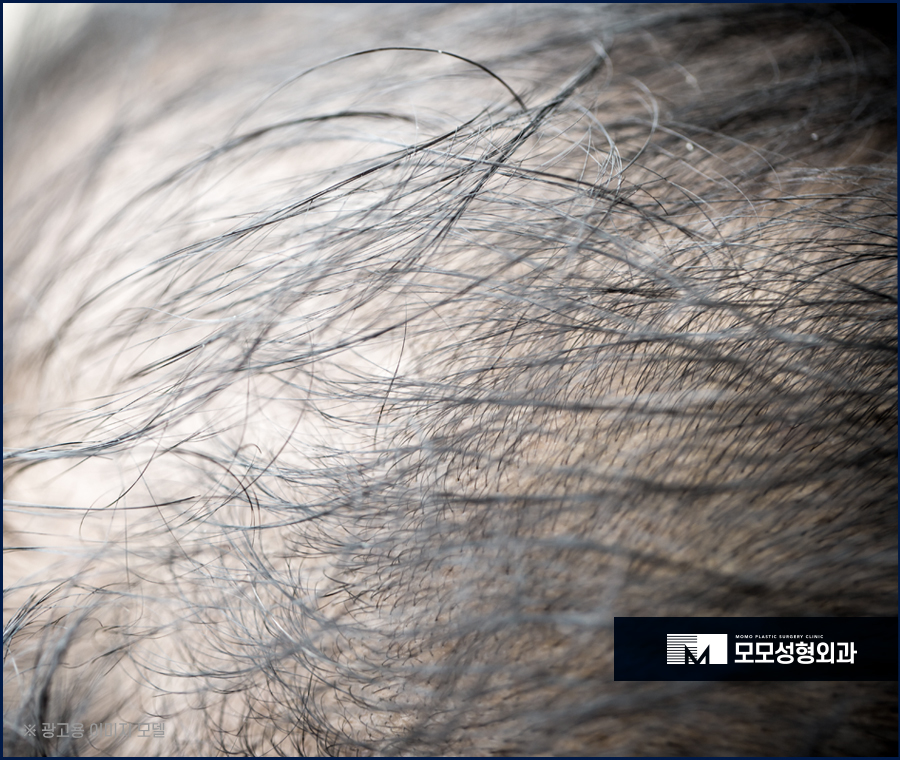
The causes of hair loss are said to be diverse.
In general, if there is someone in the family who
has this concern, it can occur due to genetic
factors, and severe stress from various situations
such as excessive work or study, as well as
environmental pollution like fine dust, can also be
a cause. Irregular eating habits or lifestyle
patterns that are not carefully managed because of
a busy daily routine, and in the case of women,
hormonal changes due to pregnancy, childbirth, and
menopause can also be reasons.
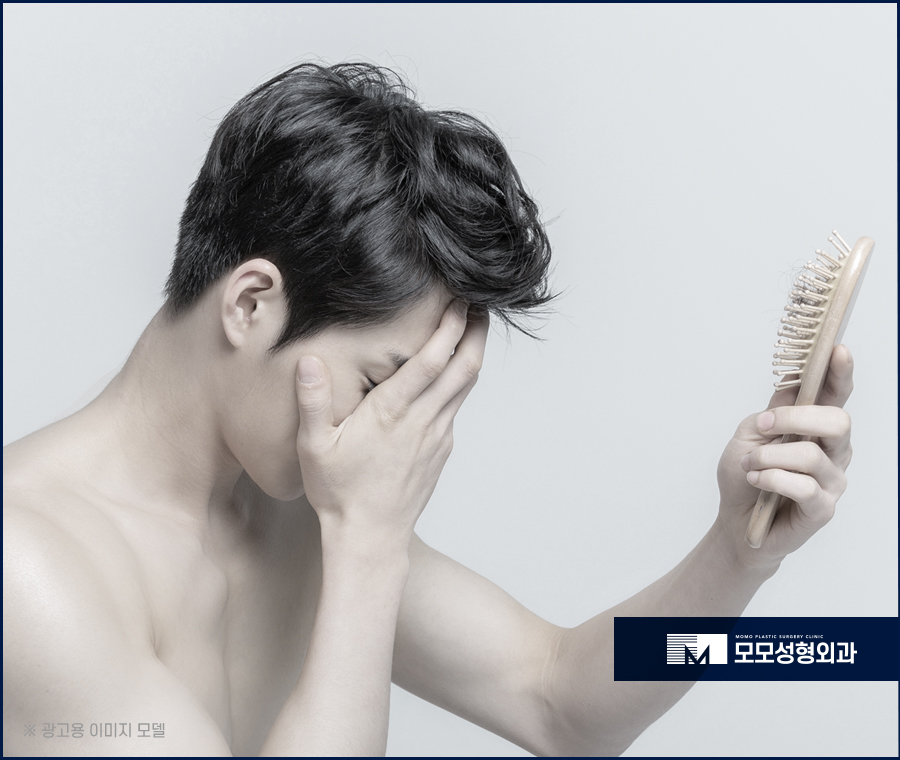
If hair falls out and is lost due to these causes,
creating empty spaces, confidence in one’s
appearance can drop significantly, making it hard
to face situations that require meeting other
people, such as business and interpersonal
relationships, and by acting passively, one may
experience various difficulties in carrying out
social activities smoothly.
Therefore, if hair loss is causing discomfort and
becoming a major concern, people seek their own
ways to compensate for it. Even after trying many
efforts using various methods such as shampoos
with functional ingredients, medicines that help
hair grow, wearing wigs, or using specialized
makeup, they realize that these only provide
temporary effects and are not fundamental solutions.
As a result, many visit related clinics to discuss
treatment methods and come across and consider
shaved-head hair transplantation.
Usually, when people think of a hair transplantation
procedure, they first think of the excision method.
The excision method involves cutting out a certain
section of scalp from the back of the head,
extracting the follicles there, and implanting them.
Although this method can cause pain, leave marks
after the procedure, and involve excessive
extraction, it has the advantages of a short
procedure time and being useful when a large
number of follicles are needed. However, some
people may avoid it because they may fear the pain
and there may be some limitations in daily life.
In contrast, shaved-head hair transplantation does
not involve cutting the scalp. Instead, it uses a
punch with an inner diameter of 0.8 to 1.2 mm to
manually extract the follicles needed for
implantation one by one and transplant them. This
process can minimize pain, and because recovery is
relatively fast, it has the advantage that it is
possible to return to normal work the very next
day. In addition, scars are barely left behind,
so it is not noticeable, and only as much as
needed can be obtained and used.
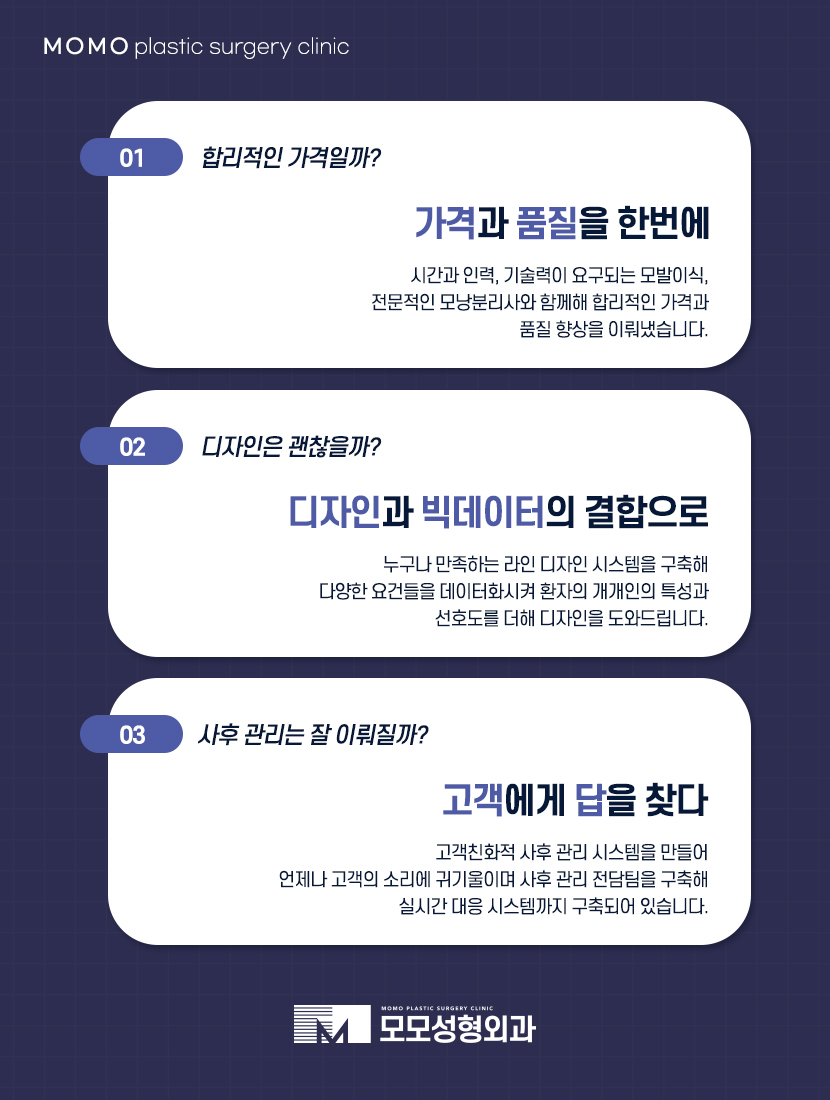
Also, because there are fewer outwardly visible
signs around the area, the graft survival rate can
be maintained at a higher level, which is said to
have a positive effect on the results. However,
the procedure takes a bit more time and is a
high-difficulty technique, so it can be a burden
in terms of cost. Even so, because the prognosis
tends to be good, satisfaction with shaved-head
hair transplantation is said to be quite high.
And as the name suggests, shaved-head hair
transplantation is a method carried out without the
burden of cutting the hair, while keeping the
hairstyle as it is. This means that you can feel
both the effect of transplanting and continuously
maintaining longer hair.
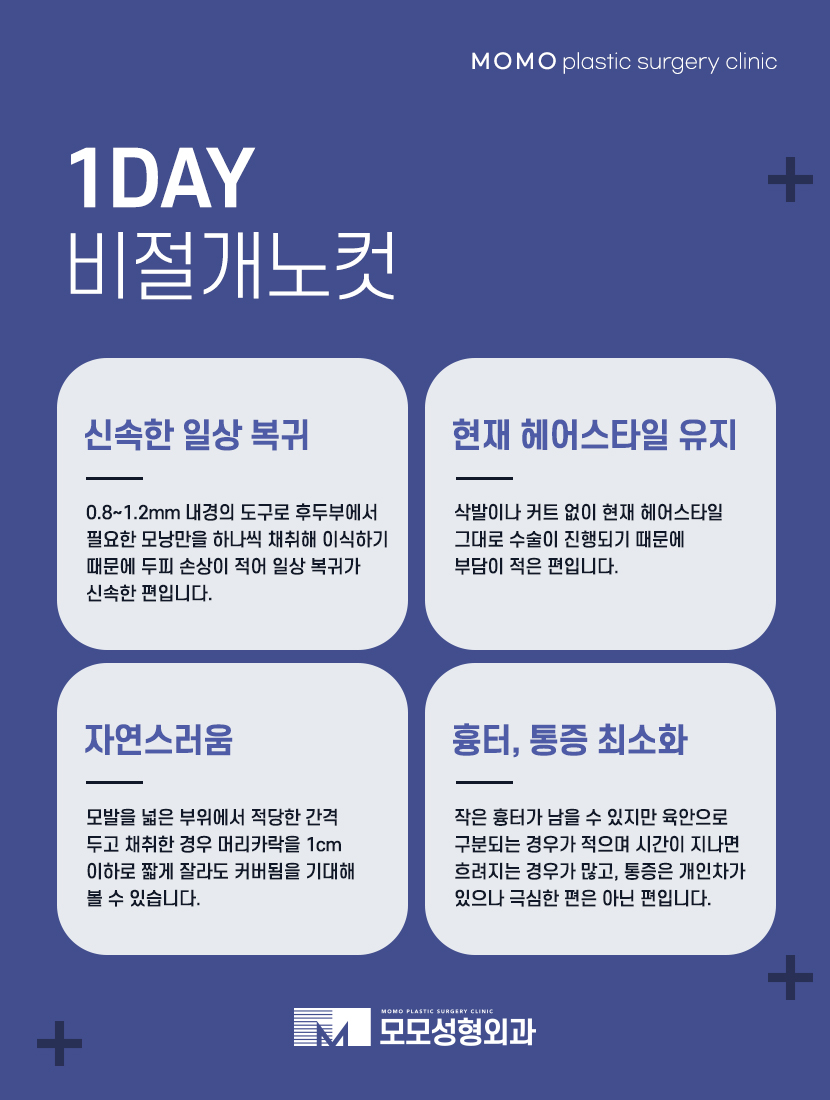
Because the existing hair can be used to hide the
traces, it is possible to continue enjoying a
natural appearance that does not look obvious to
the naked eye. Of course, this overall method is
important, but the final key to implantation,
including shaved-head hair transplantation, is a
stable graft survival rate. Since how consistently
and regularly one manages things during the
recommended period of about one year can determine
the final outcome, one must keep in mind that
personal effort is clearly necessary as well. Once
new hair starts growing again from the implanted
follicles, it gradually begins to fall out about
two weeks later, and after about a month, most of
the hair sheds again, entering the so-called
dark period.
This is not the implanted follicles falling out,
but a natural phenomenon, so there is no need to
worry. New natural hair can be observed growing
again, and after about a year, it blends with the
original hair and achieves a natural, full style.

Some people also consider shaved-head hair
transplantation for cosmetic purposes because it
can correct the hairline and complete a neat
appearance externally. In addition, if you are
considering proceeding with the treatment, there
are criteria to think about sufficiently before
starting. Rather than judging the symptoms or
condition on your own, it is better to visit a
clinic that focuses on treatment, discuss things
carefully with the doctor in charge, and then think
carefully about whether to proceed with the
procedure. Above all, the most important thing is
to focus absolutely on how well it blends with the
hair you already have without looking artificial,
while carefully examining the nature and form of
the scalp and natural hair, the proportions of the
face and facial features, the angles of various
areas, density, thickness, and other elements,
and systematically creating a personal design that
incorporates all these factors before following
the procedure.
If you focus only on a dense appearance or a low
price without fully understanding the aesthetic
aspects, it would be good to know that you may end
up with negative results that look artificial and
unharmonious. It is also necessary to check whether
the doctor performing the procedure has many years
of experience, and whether their technique,
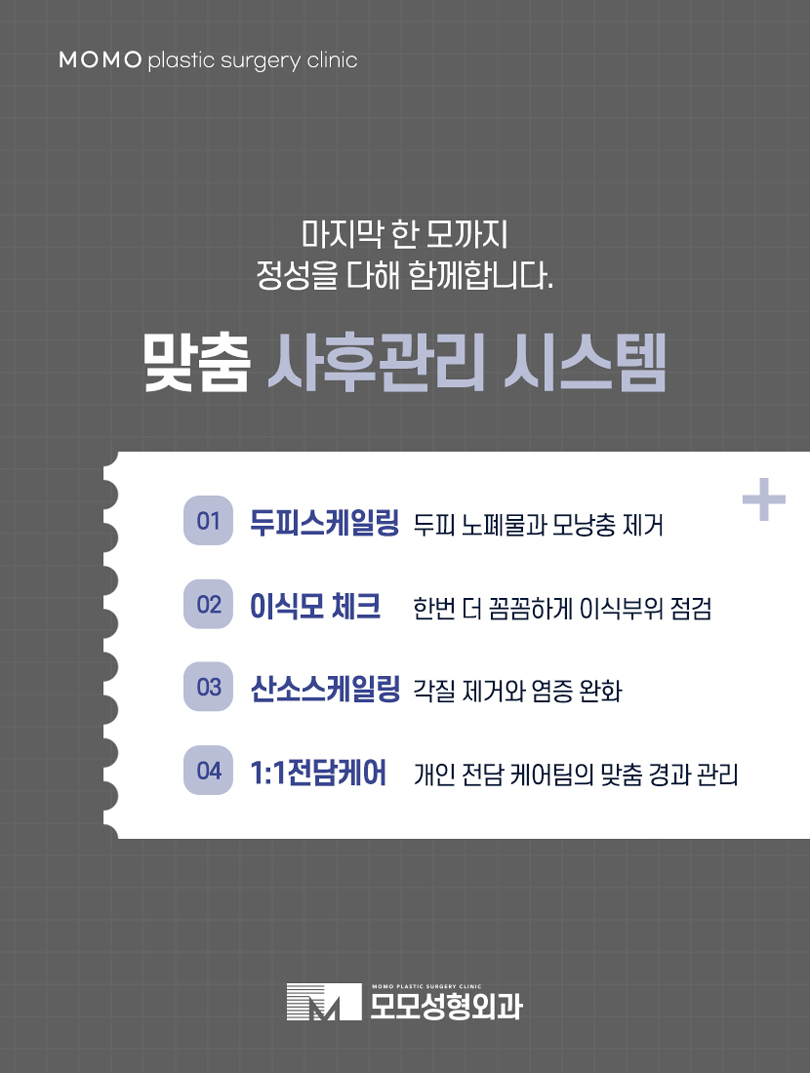
skill, and know-how are outstanding. You should
also be sure to examine whether the aftercare
system carried out before and after the procedure
is implemented thoroughly.