There are many elements that can express a person’s individuality and charm.
I think appearance is one of the parts that lets others judge that image at a glance.
To care for our outward appearance, which includes facial shape, features, and the overall line of the body, we spend a great deal of time, money, and effort on maintenance.
Among these elements, hairstyle is also important. That is why most people grow out their natural hair, sometimes cut it short, try various colors, and use trendy perms to create different looks depending on the season or occasion.
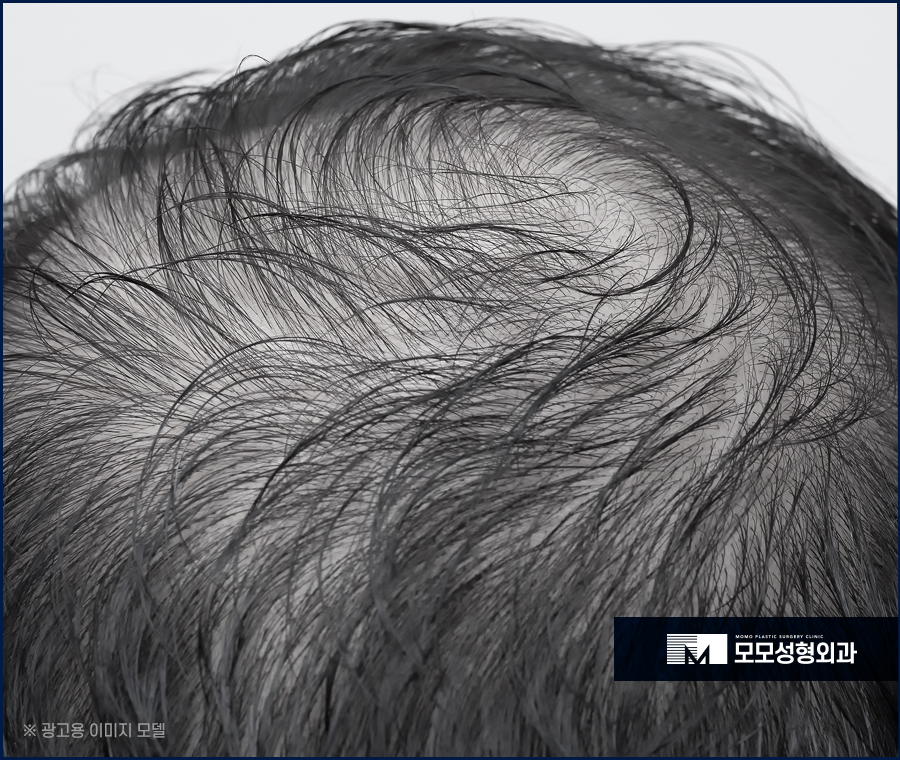
However, if you want to try many different methods but do not have the essential conditions to support them, then changing your style becomes as difficult as plucking stars from the sky. If you are a man with sparse hair, you have likely repeated the worries mentioned above countless times. If the number of natural hairs has decreased from birth due to genetics or later for some other reason, leaving the hair looking thin, and if hair loss is also appearing, the stress can be beyond words. In an effort to improve such severe concerns, many people search for various methods and try anything that might help.
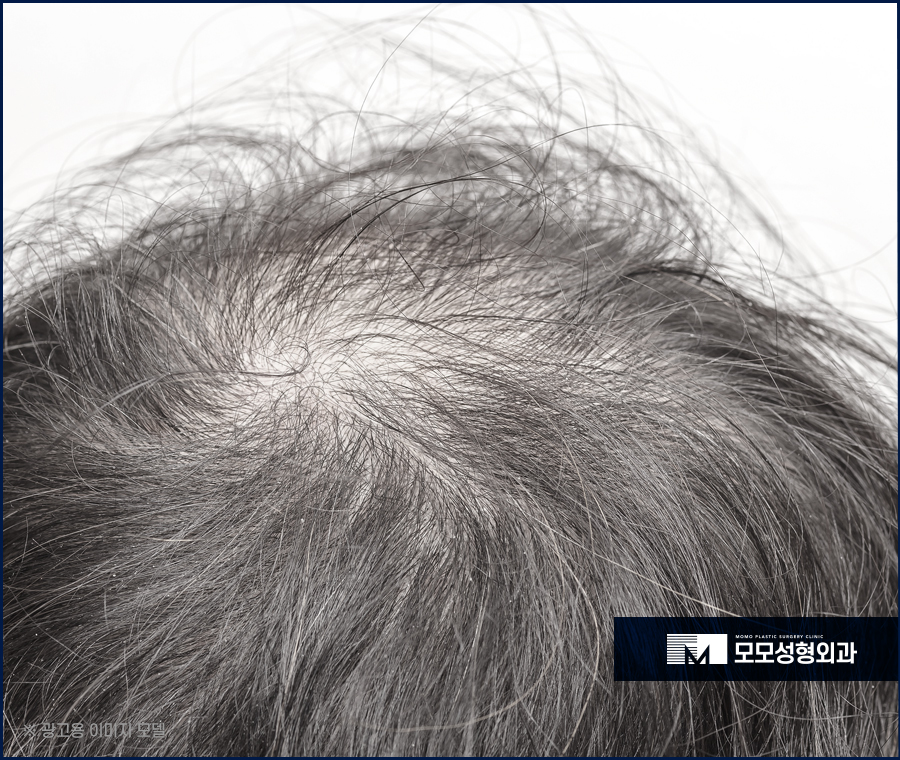
To fill in a sparse scalp, people make various efforts by applying dedicated makeup products or using hats and wigs to cover it as much as possible. However, these methods require paying attention to weather and temperature, and for men with sparse hair, if they wear them frequently or use the products too often, the symptoms may actually worsen and progress in an entirely unexpected negative direction.
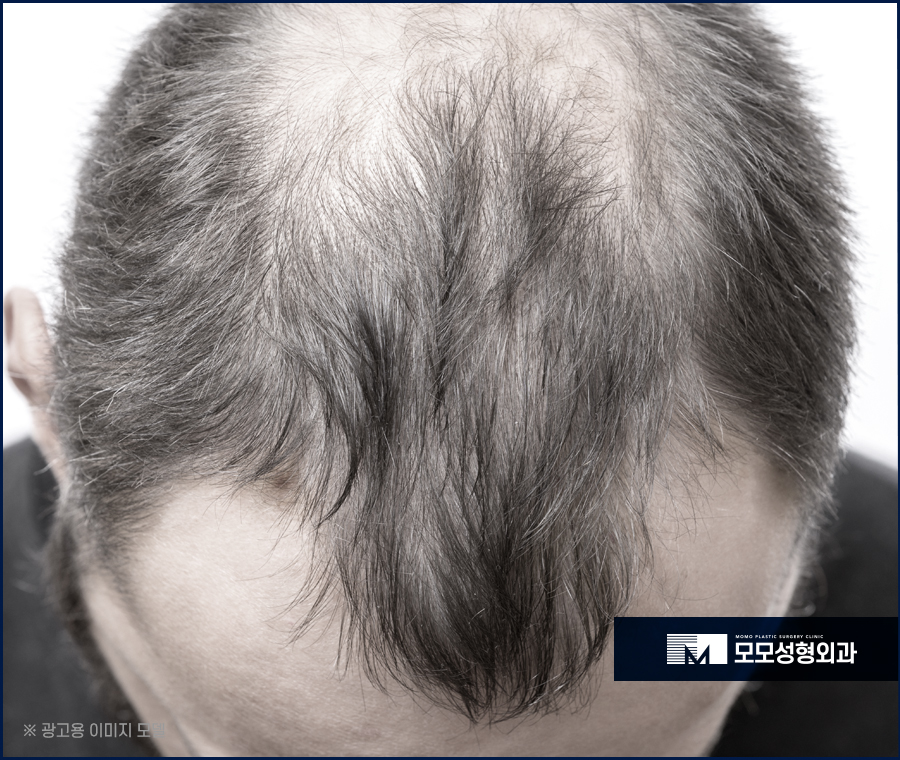
That is why men with sparse hair often visit a clinic after much thought and ask about measures that can relieve the problem efficiently. For those with insufficient hair, including people who have such concerns and those whose natural hair has been thin and insufficient from birth, if they pursue hair transplantation, a surgical procedure that can deliver the results they hope for, they can expect sufficient effects. In a typical person, hair density differs by area, such as the front, sides, and back. Even after hair loss begins, healthy hairs are selected and harvested from the back area, where the hair is relatively safe and does not fall out easily, and the process of transplanting them by naturally redistributing them to the desired area is carried out.

At this time, natural hair has the characteristic of trying to maintain the properties of the place where it originally existed, which can lead to good results for men with sparse hair and for people with thin natural hair. However, some people complain that the amount of hair has not increased after undergoing the procedure. This is because the method involves moving follicles from the back of the head and implanting them in the area of concern, so the amount does not increase; rather, it increases the density in the hair-loss area compared to before treatment, making it look fuller, as if it had originally been abundant.
In addition, by improving the stable survival rate in the lost area, it becomes possible to enjoy various hairstyles and boost confidence with dense, ample hair. And if you are considering hair transplantation after hair loss has progressed significantly, there is something to keep in mind. Since this process works by repositioning follicles, it cannot be performed indefinitely because it cannot increase the number of existing follicles through implantation. The hair used for the transplant is finite, so efficient arrangement is important, and it must be chosen even more carefully.
Therefore, it is necessary to systematically develop and carry out a customized personal design that fully considers each person’s facial features, the proportions of the face shape, the distinctive angles seen from multiple directions, and the nature and density of the existing hair. If you ignore these design factors and simply create a densely packed look, you may face entirely unexpected negative results, so you need to set and check multiple criteria.
In addition, hair loss is a progressive condition, so even if transplantation is performed, it does not prevent existing natural hair from falling out. Hair loss symptoms continue after the procedure, so regular examinations and ongoing care before and after the treatment are necessary. However, when pursuing this method, if you have only a small amount of natural hair overall, the amount that needs to be implanted may also be small.
If the amount of hair has already decreased significantly, it is necessary to check whether there are other hair-loss conditions before treatment. In addition to this shedding symptom, it can also appear due to various causes such as smoking, weight changes, thyroid-related disorders, vitamin D deficiency, and, in the case of women, polycystic ovary syndrome and anemia, as well as men with sparse hair. If it is a case with a clear underlying cause like this, you should first resolve the root cause, then improve the scalp and natural hair overall with appropriate treatment, and then proceed with hair transplantation to achieve satisfying results.

If you have confirmed that the amount has decreased and that the thickness or texture of the hair has changed, it may be appropriate to undergo proper testing to determine whether there is an underlying cause and then combine non-surgical and surgical measures accordingly. Since this can vary depending on each individual’s condition and characteristics, if you communicate with the attending medical staff about how it can be alleviated and move toward finding a good solution, it can be very helpful for men with sparse hair as well.

It would be good if men and women with sparse hair, who have spent difficult and painful days due to hair loss, could once again regain strong, full hair through appropriate treatment and return to a confident, self-assured appearance.